

♥ Wishlist
Compare 12 Lawnmowers for Canadian Lawns products in Canada. Reviews, ratings, pros, cons and buying advice updated for October 2026.
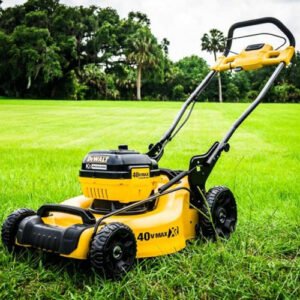
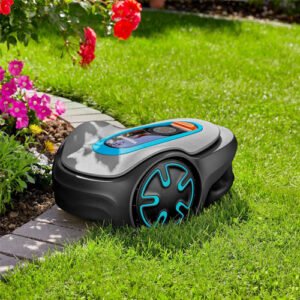
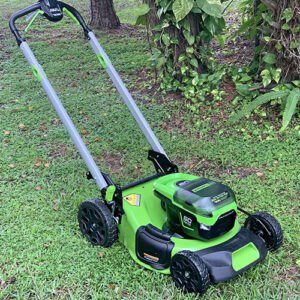
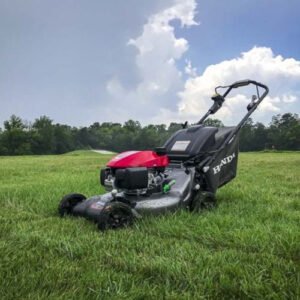

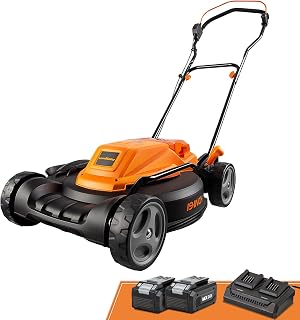


Choosing a lawnmower in Canada involves more than comparing cutting width or looking for the lowest advertised price. A smart buy balances cutting performance, lawn size, terrain, power source, battery ecosystem, storage requirements, maintenance, noise, operating convenience and long-term value. The right mower for a compact urban lawn can be very different from the right choice for a large suburban property or a rural Canadian yard.
For 2026, shoppers can choose among cordless battery lawnmowers, corded electric models, traditional petrol-powered machines and increasingly capable robotic lawnmowers. Within each category, specifications can vary substantially. A larger cutting deck may reduce mowing time, while a compact deck can make it easier to manoeuvre around trees, garden borders and narrow passages. Similarly, a high-voltage battery system may provide useful power for demanding grass, but the overall value depends on battery capacity, included batteries, charging time and compatibility with other tools.
This guide is designed to help Canadian shoppers compare lawnmowers according to real-world requirements rather than marketing language alone. Before choosing a deal, consider how much grass you actually cut, how frequently you mow, whether the lawn is flat or sloped, and how much storage space you have available.
There is no single lawnmower type that is ideal for every Canadian homeowner. Start by identifying the category that matches the property and your preferred way of working.
Lawn size is one of the most useful starting points when comparing models. A mower that is oversized for a small garden may be cumbersome, while an undersized machine can make a large lawn unnecessarily time-consuming.
Compact lawns generally benefit from manoeuvrability rather than maximum power. Look for a mower that is easy to turn, simple to store and appropriately sized for narrow spaces. A cordless model can be convenient where the lawn contains several obstacles, while a lightweight corded mower may also work well when cable management is practical.
Medium-sized lawns provide more flexibility. A cordless mower with a suitable battery capacity can offer a useful combination of convenience and cutting performance. Self-propulsion becomes more attractive if the property contains slopes or if the mower is relatively heavy.
For larger properties, cutting width, runtime and operator comfort become increasingly important. A wider deck can cover more grass per pass, potentially reducing the number of passes required. However, a wider mower also needs more room to manoeuvre and may be harder to store.
When the lawn extends across a substantial area, consider whether a walk-behind mower remains the most efficient solution. Riding mowers may make more sense for large open areas, while robotic models can be considered where the property layout and installation requirements are suitable.
Cutting width determines how much grass the mower can cut during one pass. It is often presented as deck width or cutting width in product specifications.
A wider cutting deck can reduce mowing time because each pass covers more ground. However, width should not be considered independently. If the lawn has many trees, flower beds, fences, gates or tight corners, a very wide mower can be difficult to position.
When comparing two otherwise similar models, calculate whether the additional cutting width genuinely benefits your lawn. A larger deck is not automatically a better buy.
Cordless lawnmowers have become an important option for homeowners who want convenient electric operation. However, battery specifications require more attention than simply looking at voltage.
Voltage indicates part of the electrical system and can help distinguish different mower platforms, but it should not be treated as a direct measurement of mowing time. Actual performance depends on the mower design, motor, battery capacity, grass conditions, cutting height and operating conditions.
Battery capacity is commonly expressed in ampere-hours. Higher capacity can provide more stored energy within the same voltage system, but runtime still varies according to how hard the mower is working.
Check whether the listed package includes the battery and charger. Some cordless tools are sold as bare tools, meaning the mower may be supplied without the battery or charging equipment. A seemingly inexpensive deal can therefore become less attractive after adding the required accessories.
Battery compatibility can significantly affect long-term value. Brands such as DeWalt, Makita, Milwaukee, Ryobi, Bosch, Greenworks and EGO offer cordless outdoor equipment ecosystems in various markets and configurations. If you already own compatible garden or power tools, check the exact battery platform before buying another tool.
Manufacturers may provide estimated runtime figures, but these should be treated as reference points rather than guarantees for every lawn. Dense or wet grass can increase the load on the cutting system. Taller grass may also require more energy than a regularly maintained lawn.
Terrain matters as well. A self-propelled mower can consume more battery energy because the motor is powering both cutting and propulsion. Frequent changes in cutting height and repeated stops and starts can also affect practical runtime.
For a cordless mower, compare battery capacity, charging time, included batteries and the availability of additional batteries rather than relying on a single runtime claim.
A self-propelled mower moves itself forward using a drive system, while a push mower relies on the operator to provide the forward force. The best option depends on lawn size, terrain and personal preference.
Self-propulsion is useful, but it adds mechanical complexity and can increase energy consumption on cordless models. If your lawn is small and level, paying extra for a drive system may provide little practical benefit.
Mower power can be difficult to compare because manufacturers use different specifications and terminology. Electric models may emphasise motor technology, voltage or brushless construction, while petrol models may list engine displacement and power-related information.
A brushless motor can be an attractive feature in cordless equipment because brushless designs generally avoid conventional motor brushes and can provide efficient electronic motor control. Nevertheless, the complete mower system matters more than one specification.
When comparing models, consider the motor together with the blade, cutting deck, battery system, drive mechanism and intended lawn conditions. A powerful-looking specification does not automatically mean a mower will deliver better results for your particular property.
Adjustable cutting height allows the mower to adapt to different grass conditions and mowing preferences. This feature becomes especially useful when grass growth changes throughout the season.
Look for a practical height adjustment mechanism that is easy to operate. A mower may offer several height positions, but the range is more important than simply counting the settings. Check the minimum and maximum cutting heights and determine whether they suit the type of lawn you maintain.
Grass collection is another important comparison point. Many lawnmowers support one or more methods of handling cut grass, including rear collection, mulching and side discharge.
A collection bag keeps cuttings contained and can provide a tidier appearance immediately after mowing. Check the collector capacity because a small bag may require frequent emptying on a larger lawn.
Mulching cuts grass clippings into smaller pieces and distributes them back across the lawn when the mower is designed for this function. It can reduce the need to empty a collection bag, but suitable mowing frequency and grass conditions are important.
Side discharge can be useful when cutting larger areas where collecting grass is not necessary. It is less suitable when you want a clean, immediately collected finish around residential areas.
The cutting deck protects and surrounds the blade system, making its construction an important durability consideration.
Do not judge deck quality solely by material name. Look at the overall construction, deck design, underside accessibility, cleaning requirements and manufacturer specifications.
The blade is central to cutting quality. A mower can have a capable motor but still deliver disappointing results if the cutting system is poorly matched to the application.
Replacement blade availability is an important long-term consideration. Before purchasing, determine whether replacement blades are available for the exact model and whether the manufacturer provides clear maintenance instructions.
Always follow the manufacturer's instructions for blade inspection, removal, sharpening and replacement. Disconnect the appropriate power source before carrying out maintenance and never work underneath a mower that has not been made safe according to its instructions.
Wheel design can have a noticeable effect on how easily a mower moves over a lawn. Larger wheels may help a mower negotiate uneven areas, although wheel diameter is only one factor in overall handling.
For sloped or uneven Canadian properties, pay attention to traction, drive configuration, wheel construction and the manufacturer's stated operating guidance. A mower that performs well on a flat lawn may not be equally suitable for steep or irregular terrain.
Robotic lawnmowers take a different approach to lawn care. Instead of mowing the entire lawn manually in one session, a robot is designed to cut regularly according to its programmed schedule and operating system.
Before considering a robotic mower, evaluate the property itself. Lawn shape, slopes, narrow passages, separate grass areas, obstacles and boundary requirements can all influence suitability.
The word "smart" can describe anything from basic electronic controls to sophisticated app-connected automation. Focus on features that solve a genuine problem rather than paying extra for technology you will rarely use.
Canadian lawn conditions vary considerably by region, and seasonal weather can affect mower selection and maintenance. A mower used during periods of rapid grass growth may experience a different workload from one used during dry conditions.
Wet grass can be more difficult to cut and may clog the cutting deck or collection system. Avoid using equipment in conditions outside the manufacturer's recommendations. When storing a mower between seasons, follow the manufacturer's instructions for cleaning, battery care, fuel management and storage.
For cordless equipment, battery storage conditions matter. Use the manufacturer's specified storage temperature and charging guidance rather than leaving batteries exposed to unsuitable temperatures for extended periods.
Winter storage deserves particular attention for battery-powered lawnmowers. Before putting the mower away for the season, clean it according to the manufacturer's instructions and inspect the cutting system, wheels and controls.
Remove and store removable batteries according to the battery manufacturer's recommendations. Keep batteries away from moisture and extreme conditions, and use only the specified charger. Do not assume that leaving a battery connected to the mower throughout a long storage period is the preferred procedure.
When the next mowing season begins, inspect the mower and battery before use. Check for physical damage, unusual corrosion, damaged cables or connectors and other visible problems.
Petrol mowers remain relevant for buyers who prioritise extended operation and traditional engine-powered equipment. They also introduce additional considerations that do not apply to battery-only models.
When comparing petrol mowers, consider the complete ownership routine rather than looking only at engine specifications.
Noise can be an important factor in residential areas. Battery and corded electric mowers are generally appealing to shoppers who want to avoid petrol engine noise, although operating noise varies by model and cutting conditions.
If your lawn is close to neighbours, shared spaces or other homes, consider the time of day you intend to mow and any local restrictions that may apply. A quieter mower can improve convenience, but it does not remove the need to use garden equipment responsibly.
A mower can have excellent specifications and still be inconvenient if it is uncomfortable to use. Handle design, mower weight, drive controls and height adjustment all influence the experience during longer mowing sessions.
Measure the available storage area before choosing a mower. A model that fits comfortably in a large garage may be difficult to store in a small shed.
For compact properties, look for foldable handles or vertical-storage capabilities where the manufacturer explicitly permits that storage method. Do not store a mower vertically simply because it appears physically possible; always follow the manufacturer's storage instructions, particularly for models containing batteries or petrol.
A genuine smart buy is not necessarily the model with the biggest discount. Compare the complete package and the cost of obtaining everything needed to use the mower.
The cheapest mower may not be the lowest-cost option over its useful life. Battery requirements, replacement blades, accessories and maintenance can influence the total ownership cost.
A very large, powerful or feature-heavy mower can be unnecessary for a small lawn. Extra weight and size can make storage and manoeuvring more difficult.
For cordless models, always determine what is included. A bare tool and a complete kit can have substantially different overall costs.
Published runtime figures depend on operating conditions. Dense grass, wet conditions, high cutting loads and self-propulsion can change actual performance.
A mower selected for a flat lawn may not be the best choice for slopes or uneven ground. Consider traction and drive configuration before purchasing.
Measure your storage area and check the mower's folded dimensions or approved storage position before committing to a large machine.
Check whether blades and other routine replacement components are available for the exact model. Long-term usability depends partly on the ability to maintain the machine properly.
Product specification tables can contain a large amount of information, but not every number has equal importance. Prioritise specifications that directly relate to your lawn.
Prioritise compact dimensions, easy manoeuvrability, low storage requirements and straightforward controls. A lightweight cordless or corded electric mower can be a sensible starting point.
Look for a suitable cutting width, adequate runtime or fuel capacity, comfortable handling and efficient grass collection. Self-propulsion may be worthwhile if the lawn contains slopes.
Traction and controlled movement should receive greater attention than headline power figures. Self-propelled systems can reduce physical effort, but the manufacturer's terrain guidance should always be followed.
Robotic mowing may be worth investigating if the lawn layout is compatible with the system. Automation can reduce routine mowing effort, but setup and property compatibility are important.
Consider whether a mower is compatible with batteries you already own. Staying within an established platform can reduce the need to maintain multiple chargers and battery types, provided the existing batteries are approved for the mower.
Canadian shoppers may encounter a broad selection of established brands across cordless, electric, petrol and robotic lawn equipment. Brand familiarity should be treated as a starting point rather than a substitute for model-level comparison.
Always compare the exact model, specification sheet and current Canadian configuration rather than assuming every product from a brand uses the same battery, accessories or warranty terms.
Customer reviews can help identify practical issues that specification sheets do not explain, but they should be evaluated carefully. Look for recurring comments about the exact model rather than relying on an overall brand rating.
Routine maintenance helps keep mowing equipment operating correctly and can make problems easier to identify before they become more serious.
Lawnmowers contain fast-moving cutting components and should be operated with care. Read the owner's manual before first use and follow all manufacturer safety instructions.
Deal hunting works best when you establish your required specifications before looking at discounts. Start with lawn size, terrain and preferred power source. Then create a shortlist of models that meet those requirements.
Once the shortlist is established, compare the current package contents, specifications, customer feedback and retailer terms. A lower advertised price may not represent better value if it excludes the battery, charger or accessories required for normal operation.
Seasonal promotions can also change the relative value of different models. Rather than buying solely because a product is labelled as a deal, determine whether it meets your minimum requirements and whether the current package provides everything you need.
The best smart buy is the mower that matches the workload without unnecessary features. For a small, flat lawn, paying substantially more for a large self-propelled machine may not provide meaningful benefits. For a large or sloped property, spending more on appropriate cutting width, traction, runtime and operator assistance can be easier to justify.
Think of the purchase as a combination of capability and convenience. The mower should be powerful enough for your grass, easy enough to manoeuvre around obstacles, practical enough to store and supported well enough for routine maintenance.
The best mower depends on lawn size, terrain, budget, storage space and preferred power source. A compact cordless mower can be a strong fit for a smaller residential lawn, while larger properties may benefit from wider cutting decks, self-propulsion, petrol power or an appropriate robotic system.
Cordless lawnmowers can be an excellent choice when convenient electric operation, lower routine maintenance and freedom from an extension cord are priorities. Check battery capacity, included equipment, expected lawn area and availability of additional batteries before buying.
It can be worthwhile for larger lawns, slopes or heavier mowers. On a small, flat lawn, a push mower may provide sufficient performance without the additional drive system.
Choose a cutting width that matches both the size and layout of your lawn. Wider decks can reduce passes on open lawns, while narrower models can be easier to manoeuvre around obstacles and confined spaces.
Many modern cordless models are designed for residential lawn maintenance, but performance varies by model and operating conditions. Grass height, density, moisture, cutting height and terrain can all affect the workload placed on the mower.
A brushless motor can be a useful feature in cordless equipment, but it should not be the only buying criterion. Compare the complete mower system, including battery platform, cutting deck, runtime, drive system and maintenance requirements.
Neither should be considered in isolation. Voltage identifies part of the electrical system, while amp-hour capacity indicates stored charge within that voltage system. Practical runtime depends on the complete mower and operating conditions.
Not necessarily. Collection is useful when you want to remove clippings, while mulching or discharge can be preferable in other mowing situations. Choose according to your lawn-care routine.
Suitability depends on the specific model and the severity of the terrain. Check the manufacturer's stated slope capability and operating requirements before purchasing.
Clean and store the mower according to its instructions, and follow the battery manufacturer's recommendations for charging and storage. Avoid exposing batteries to unsuitable temperatures or moisture.
There is no single replacement interval for every mower. Blade condition, mowing frequency, lawn conditions and contact with hard objects all affect wear. Inspect the blade regularly and follow the manufacturer's service guidance.
No. A smart deal should be evaluated by total value. Compare performance, included accessories, battery requirements, construction, maintenance, replacement parts and suitability for your lawn rather than relying only on the advertised price.
When comparing the best smart buy lawnmowers in Canada for 2026, start with your property rather than the product catalogue. Identify the lawn size, terrain, obstacles, mowing frequency and storage limitations. Then choose the mower category that fits those conditions.
For cordless models, pay particular attention to the battery and charger package, battery capacity and platform compatibility. For self-propelled machines, consider whether the additional assistance will genuinely reduce effort. For petrol mowers, account for fuel and engine maintenance. For robotic models, investigate installation, boundaries, terrain compatibility and automation requirements.
Finally, compare exact specifications and current customer feedback before making a purchase decision. A mower is a smart buy when it provides the capability you actually need, avoids unnecessary features and remains practical throughout the mowing season. Check current retailer pricing, package contents, model numbers, specifications and applicable terms before ordering, as these details can change during 2026.