

♥ Wishlist
Compare 45 Best Cordless Drilling Press Options for Canadian Projects products in Canada. Reviews, ratings, pros, cons and buying advice updated for October 2026.


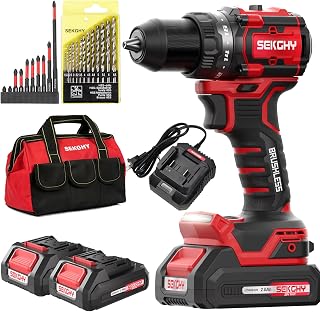


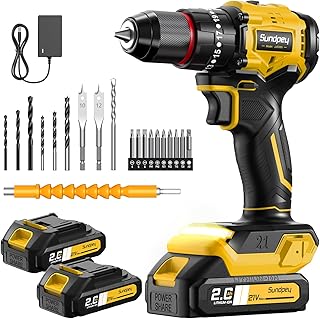


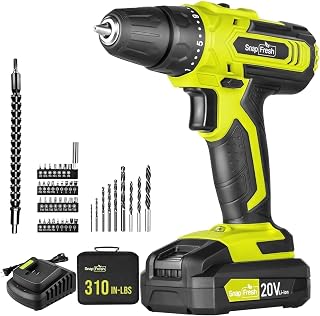


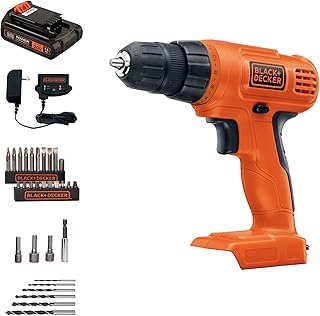

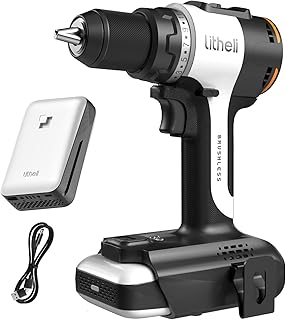
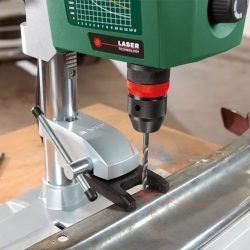
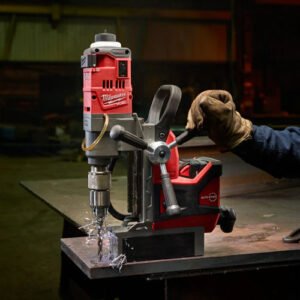
Choosing a cordless drilling press is not quite the same as choosing a conventional benchtop drill press. In Canada, the category includes true battery-powered magnetic drill presses, portable drilling systems, and drill-press attachments that use a compatible handheld or rotary tool. Understanding that distinction is one of the most important steps before comparing models, because each type is designed for a different kind of work.
A useful example is the DEWALT 20V MAX XR 2 in. Cordless Brushless Magnetic Drill Press, which is a purpose-built cordless magnetic drilling machine rather than a standard cordless drill mounted to a stand. DEWALT lists a two-speed mechanical transmission, five variable settings per gear, a permanent magnetic base, and drilling capacity of up to 2 inches through structural steel. The battery and charger are sold separately on the tool-only version.
For lighter bench work, attachments such as the Milescraft Drill Press Attachment or Dremel 220-01 WorkStation take a different approach. These products are intended to provide controlled, repeatable drilling from a compatible rotary tool rather than replace a full-size metalworking drill press.
The phrase cordless drill press can describe several different products. Treating them as interchangeable can lead to an expensive buying mistake.
Before comparing “deals,” identify which category matches the work you actually perform. A compact attachment should not be compared directly with a professional cordless magnetic drill press simply because both can be described as drill presses.
The following buying framework is more useful than ranking ten products purely by price. It focuses on the characteristics that determine whether a cordless drilling solution is appropriate for Canadian workshop, construction, fabrication, repair or hobby use.
A cordless magnetic drill press is the most relevant choice when portability and serious metal drilling are both priorities. The magnetic base can eliminate the need to support a conventional drill press around a large workpiece, while battery operation avoids dependence on a nearby electrical outlet.
DEWALT is one established option in this category. Its current Canadian 20V MAX XR cordless magnetic drill press is designed for demanding steel applications and uses a permanent magnetic base. It also supports different tooling configurations through its quick-change chuck system.
This category is generally excessive for occasional woodworking or small household drilling. Its advantages become much clearer when the work involves structural steel, fabrication, installation or jobsites where moving a stationary drill press is impractical.
A kit can be more convenient than a tool-only configuration when you do not already own the manufacturer's compatible batteries and charger. However, the apparent value of a kit depends on what is included.
For example, DEWALT's DCD1624GX2 kit includes the cordless magnetic drill press, two 9Ah FLEXVOLT batteries and a fast charger. That makes the kit substantially different from a bare-tool purchase and illustrates why comparing package contents is essential.
A drill-press stand can be attractive when you already own a good cordless drill and only occasionally need more controlled drilling. The principal advantage is cost and flexibility: the stand can potentially extend the usefulness of an existing drill without requiring a separate dedicated machine.
The limitation is that a stand does not automatically transform every handheld drill into a precision drill press. Rigidity, mounting diameter, spindle alignment, chuck runout, drilling depth and the quality of the stand all influence the result.
Before buying one, verify the dimensions and mounting requirements of your particular drill. A physically compatible tool is not necessarily an ideal match for precision work.
For small projects, a rotary-tool workstation may be the better smart buy. The Dremel 220-01 WorkStation, for example, is designed around compatible Dremel rotary tools and provides an articulating drill-press function, depth control and angled drilling positions.
This type of product is well suited to hobbyists working on small pieces of wood, plastic, light metal and craft materials. It is not a substitute for a heavy-duty magnetic drill press intended for large holes in structural steel.
Universal stands can be appealing because they potentially accommodate more than one handheld tool. The trade-off is that universal compatibility can involve more adjustment and may not deliver the rigidity of a purpose-built machine.
Look carefully at the mounting mechanism, column stiffness, base dimensions and depth adjustment. If you routinely need holes to be perpendicular and repeatable, rigidity should take priority over a long compatibility list.
If you already own cordless tools, battery compatibility can significantly influence the real cost of a new machine. DEWALT 20V MAX, Milwaukee M18, Makita platforms and other ecosystems can make sense when your workshop already contains several compatible batteries and chargers.
Do not assume that batteries are interchangeable simply because two tools have similar nominal voltage. Battery packs, electronic communication, mounting systems and chargers are platform-specific.
For model making, small woodworking projects, electronics enclosures and light craft work, a compact drill-press attachment can offer enough control without occupying the space or requiring the investment associated with a professional machine.
The Milescraft Drill Press Attachment is an example of a compact approach. Its Canadian listings describe a cast-metal head, rack-and-pinion movement and an integrated depth stop. It is designed for compatible rotary tools rather than heavy industrial drilling.
When drilling steel is the primary job, focus on the drilling system rather than the word cordless. Important considerations include magnetic holding force, cutter compatibility, spindle or chuck arrangement, maximum drilling diameter, operating speeds, battery capacity and machine weight.
A professional magnetic drill press can be considerably more expensive than a conventional benchtop drill press. That premium can nevertheless be justified when the ability to position the machine directly over large steel components is more valuable than having a permanently mounted workshop machine.
Portability is one of the strongest reasons to choose battery power. A cordless drilling machine can be particularly useful where electrical access is inconvenient, extension cords create a trip hazard, or the workpiece cannot practically be transported to a stationary machine.
For Canadian jobsite use, also consider cold-weather conditions, battery storage, charging access and the physical weight of the complete machine. Battery performance can vary with temperature, so users working outdoors should follow the battery manufacturer's storage and operating guidance.
A cordless machine is not automatically the best value. If your drilling is performed almost entirely in a workshop, a corded benchtop drill press may offer more machine for the money.
Canadian retailers currently list a wide selection of corded and cordless drill presses, including models from RYOBI, King Canada, Milwaukee, DEWALT, FEIN, General International, PROXXON and other manufacturers. This makes a corded-versus-cordless comparison worthwhile before spending on a premium battery-powered machine.
Drilling capacity tells you more than simply whether a machine is labelled powerful. Check the maximum recommended hole diameter for the material and application you intend to perform.
A machine advertised with a large maximum diameter may require a particular cutter, operating speed or material thickness to achieve that result. Always distinguish between the maximum capacity of the machine and the diameter you expect to drill routinely.
Variable speed is important because different materials and drill-bit sizes require different cutting speeds. Larger bits generally require slower spindle speeds, while smaller bits can often be operated faster.
A machine with multiple mechanical and electronic speed settings can provide more flexibility than a single-speed design. For metalworking, the ability to select an appropriate speed is particularly important for cutter life, surface finish and controlled drilling.
Brushless motors are common in higher-end cordless power tools because they eliminate conventional carbon brushes and can support efficient electronic motor control. However, brushless alone should not be treated as proof that one machine is better than another.
Evaluate the complete system: motor output, transmission, speed control, battery platform, cooling, overload protection, chuck or cutter interface and manufacturer's intended application.
Battery voltage and battery capacity answer different questions. Voltage is associated with the electrical platform, while amp-hour capacity indicates the amount of stored electrical energy under specified conditions.
A high-capacity battery can increase runtime, but it can also increase weight. For a portable magnetic drill press, that weight may be acceptable for long drilling sessions but inconvenient if the machine has to be carried frequently.
If you are considering a magnetic drill press, the base deserves close attention. Magnetic systems depend on suitable ferrous material and adequate contact with the work surface.
Paint, rust, gaps, curved surfaces, thin material and debris can affect the effectiveness of magnetic attachment. Never treat a magnetic base as a universal substitute for mechanical anchoring, and always follow the manufacturer's operating and safety requirements.
Check whether the machine uses a keyed chuck, keyless chuck, Weldon-style tooling, quick-change system or another interface. The interface determines which drill bits, annular cutters and accessories you can use.
Tool compatibility should be checked before purchasing the machine, particularly if you already have a collection of drill bits or cutters.
A depth stop is valuable when you need repeated holes at the same depth. It is especially useful for woodworking, small fabrication jobs and repetitive production tasks.
For drilling applications where hole depth matters, compare the adjustment mechanism rather than assuming every drill press provides the same level of repeatability.
Cordless does not mean lightweight. Professional magnetic drill presses can still be substantial pieces of equipment because the motor, gearbox, magnetic base and structural components all add mass.
Consider the complete carrying weight with the battery installed. If the machine will be transported between locations regularly, handle design and carrying cases can be just as important as the advertised motor specifications.
Steel drilling places higher demands on the motor, cutting tool, speed control and machine rigidity than many household applications. Magnetic drill presses are particularly useful for structural steel and fabrication because the machine can be positioned directly on the workpiece.
Stainless steel requires careful attention to cutting speed, tooling and heat management. Poor technique can produce excessive heat and premature tool wear. Choose tooling specifically suited to the material and follow the manufacturer's recommended operating parameters.
Aluminium is softer than steel but can create its own drilling challenges, including material loading on cutting edges. Appropriate drill geometry, lubrication where recommended and controlled feed pressure can improve results.
Woodworking usually does not require a heavy magnetic drill press. A conventional benchtop drill press or suitable drill-press attachment may be more practical, depending on hole size and project dimensions.
Plastic can melt or deform when excessive heat and pressure are generated. Lower speeds, appropriate drill geometry and controlled feed can be important. Always consider the specific material because plastics vary considerably in their thermal and mechanical properties.
A higher voltage number does not automatically mean a better drill press. Compare actual application capability, speed range, drilling capacity, battery ecosystem and machine design.
A stand that holds a cordless drill can be useful, but it remains dependent on the handheld drill's chuck, spindle, motor characteristics and mounting arrangement. It should not automatically be expected to perform like a purpose-built stationary machine.
Tool-only products can look less expensive because the battery and charger are excluded. Calculate the complete system cost before deciding which deal provides better value.
A professional cordless magnetic drill press can be unnecessary for occasional DIY drilling. If your projects involve small holes in wood, plastic or thin materials, a compact solution may be considerably more practical.
The opposite mistake can be just as costly. A small rotary-tool workstation is not designed for demanding structural-steel drilling. Match the machine to the hardest job you genuinely expect to perform.
The machine is only one part of the drilling system. Drill bits, annular cutters, adapters, chucks, lubricants, batteries and replacement accessories can materially affect the long-term cost of ownership.
Before purchasing a magnetic machine, verify that the workpieces provide a suitable magnetic surface. Non-ferrous metals such as aluminium and many stainless-steel applications may not provide the conditions required for magnetic attachment.
A genuine smart buy is not necessarily the product with the lowest advertised price. Compare the complete package and the cost of getting the machine ready for your intended job.
Brand selection should be based on the type of machine rather than name recognition alone. DEWALT has a dedicated cordless magnetic drill press range, while Milwaukee, FEIN and other established tool manufacturers also have strong positions in professional drilling equipment. RYOBI and King Canada are relevant names to compare when considering conventional workshop drill presses, while Dremel and Milescraft are useful names to investigate for compact rotary-tool drilling solutions.
The best brand for one buyer may not be the best brand for another. Existing batteries, local service options, accessory availability, intended workload and total system cost can all change the decision.
For magnetic machines, clean contact surfaces are particularly important. Remove chips, dirt and other debris that could interfere with proper seating of the base.
Dull or damaged drill bits and cutters increase cutting resistance and can make the machine work harder. Replace damaged tooling rather than attempting to compensate with excessive pressure.
Use the manufacturer's approved charger and follow the battery maker's instructions for storage, charging and temperature limits. Avoid storing batteries in conditions outside the manufacturer's recommended range.
Periodically inspect feed mechanisms, mounting points, chucks, handles and other moving components for damage, looseness or unusual wear. Follow the machine's maintenance instructions rather than applying generic lubricants or adjustment procedures.
Metal chips can accumulate around moving parts and work surfaces. Cleaning the machine after use helps maintain safe operation and makes it easier to identify damaged components before the next job.
Read the manufacturer's instructions before using any drill press or drilling attachment. Wear appropriate eye protection and use additional protective equipment when the application requires it.
If your machine will stay on one workbench, a corded drill press may be simpler and more economical. Cordless becomes more compelling when the work moves to the material rather than the other way around.
It may not be the most practical choice. Magnetic drill presses are primarily designed around applications where their magnetic mounting system provides a major advantage, especially metalworking. A conventional drill press or appropriate drill stand can be more suitable for woodworking.
Some stands are designed specifically for compatible handheld drills or rotary tools, but compatibility must be checked carefully. The mounting dimensions, drill shape, chuck position, depth range and rigidity of the stand all matter.
They can be, particularly when portability is valuable. For occasional bench drilling, however, a conventional drill press or compact attachment may deliver better value. The right choice depends on the materials, hole sizes, frequency of use and available workspace.
If you already own compatible batteries and chargers, tool-only may be the logical choice. If you are entering a battery platform for the first time, compare the complete kit cost against buying each component separately.
There is no single best option for every Canadian buyer. A professional user drilling structural steel may favour a dedicated cordless magnetic drill press such as the DEWALT 20V MAX XR system, while a hobbyist may get better value from a compact Dremel or Milescraft drilling workstation. The correct choice depends on material, hole size, portability and workload.
Prioritize drilling capacity, speed control, motor design, battery platform, machine rigidity, chuck or cutter compatibility, depth adjustment, portability and the manufacturer's stated application limits. For magnetic models, also evaluate the magnetic base and the type of work surfaces on which it can safely operate.
Dedicated cordless magnetic drill presses are specifically designed for demanding metalworking applications. DEWALT's Canadian DCD1624B, for example, is specified for drilling holes up to 2 inches through structural steel and provides ten selectable speed settings across its two mechanical gears.
Generally, a compact attachment can require a much smaller initial investment than a dedicated professional magnetic drilling machine, especially if you already own a compatible rotary tool. However, the two products serve different purposes and should be compared according to application rather than price alone.
A magnetic drill press is designed to attach to suitable ferrous workpieces, allowing the machine to travel to the work rather than requiring the workpiece to be brought to a stationary machine. A conventional drill press normally remains fixed on a bench or floor stand.
Not always. Many professional cordless tools are sold as tool-only products, while separate kits may include one or more batteries and a charger. Always check the exact package contents before comparing prices.
Start with the application and battery ecosystem rather than the logo. If you already own several tools from one platform, battery compatibility can be a major advantage. For a new purchase, compare the exact machine specifications, accessories, service arrangements, warranty information and total ownership cost.
Yes, dedicated professional cordless magnetic drill presses are designed for demanding applications. The key is selecting a machine rated for the materials, hole sizes and workload involved in the job rather than assuming every cordless drilling attachment is suitable for professional use.
The smartest cordless drilling press purchase in Canada is the one that matches the actual drilling task. Professional metalworkers and contractors may benefit from a dedicated cordless magnetic drill press, particularly when portability and steel drilling are central requirements. Workshop users may find a corded benchtop drill press more economical, while hobbyists can often achieve excellent results with a compact rotary-tool workstation or compatible drill-press attachment.
Before purchasing, compare the complete system rather than the headline price: machine capability, battery and charger requirements, tooling, material compatibility, speed control, portability, maintenance requirements and manufacturer support all contribute to the real value of a drilling solution. Checking current Canadian specifications and retailer pricing immediately before purchase is also important because product configurations and deals can change throughout 2026.