

♥ Wishlist
Compare 55 Vacuums and Mops for Canadian Homes products in Canada. Reviews, ratings, pros, cons and buying advice updated for October 2026.


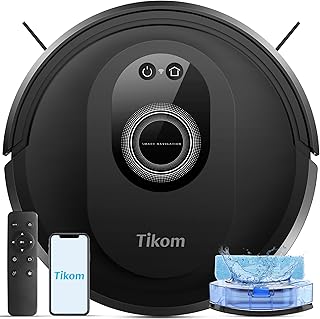


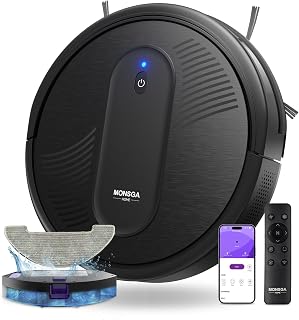


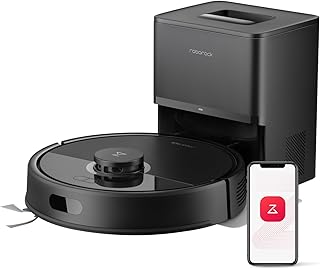


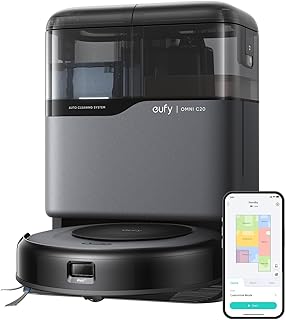


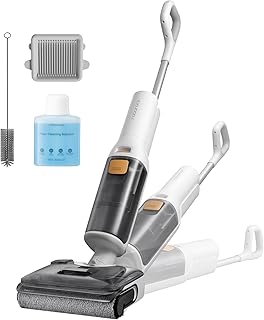


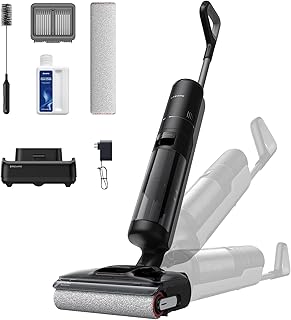


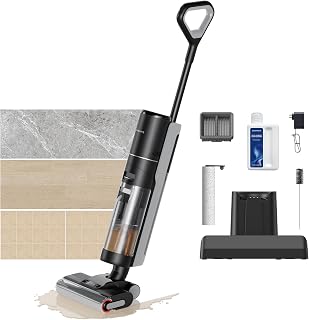


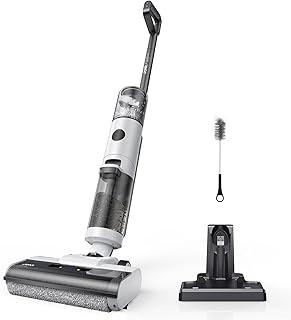


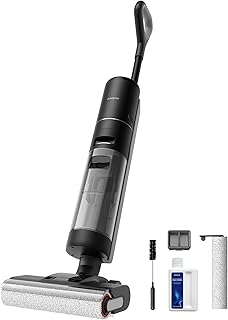
Choosing a vacuum and mop combination is no longer simply a matter of deciding between suction power and a traditional mop. Modern floor-cleaning appliances can combine vacuuming, wet cleaning, navigation, automatic dirt handling, app controls and maintenance features in one system. The right choice depends on your flooring, home size, cleaning habits, pets, household traffic and willingness to perform routine maintenance.
For Canadian shoppers, the most useful comparison is not always the model with the longest feature list. A practical buying decision should consider cleaning performance, battery capacity, navigation, obstacle avoidance, mop design, dock functionality, replacement consumables and the availability of compatible accessories. This guide explains the differences that matter when comparing smart vacuum and mop products for homes across Canada.
A smart vacuum and mop is designed to reduce the amount of manual floor cleaning required. Depending on the model, the appliance may vacuum dry debris, mop hard floors, map rooms, identify obstacles, schedule cleaning sessions and return to a charging or multifunction dock automatically.
However, smart features should support cleaning performance rather than distract from it. A sophisticated app cannot compensate for weak pickup, an unsuitable mop system or poor navigation around furniture. When comparing models, consider the complete cleaning system rather than focusing on one headline specification.
Robot vacuum and mop combinations are designed for automated floor maintenance. They are particularly useful for households that want scheduled cleaning while occupants are working, sleeping or away from home.
These machines generally use sensors and mapping technology to move through rooms. Higher-end systems can incorporate advanced obstacle recognition, room mapping and automated dock functions. When comparing them, pay attention to how the machine handles thresholds, furniture, cables, rugs and transitions between different flooring materials.
Cordless floor cleaners provide more direct control than robot models. They can be useful for quickly cleaning kitchens, entryways, bathrooms and other areas where spills or concentrated messes require immediate attention.
The main considerations include battery runtime, charging time, tank capacity, weight, cleaning-head design and how easily the machine converts between vacuuming and wet cleaning modes.
A traditional vacuum combined with a separate mop can still be a practical solution. This approach provides greater flexibility because each appliance can be designed specifically for its task.
The disadvantage is convenience. Two separate machines require more storage space and more manual work. Shoppers who prioritize automation may prefer a smart combination system, while users who prioritize maximum control may appreciate dedicated appliances.
Suction specifications can be useful, but they should not be considered in isolation. Real-world cleaning depends on airflow, brush design, floor-head construction and how effectively the machine maintains contact with the surface.
For homes with pets, examine the brush system carefully. Hair can wrap around conventional rollers, increasing maintenance. Designs intended to reduce tangling can be particularly useful where shedding is frequent.
The main roller has a major effect on how a vacuum interacts with carpets and hard floors. Some systems use rubberized rollers, bristle combinations or specialized anti-tangle designs. The ideal configuration depends on the types of flooring in your home.
Check whether the roller can be removed easily. A brush that is simple to inspect and clean can save considerable time over the life of the appliance.
Mopping systems vary considerably. Some models use a simple damp pad, while more advanced products use rotating or vibrating mop mechanisms. The difference can affect how effectively the machine handles dried marks and everyday surface residue.
Do not assume that a stronger mop action is suitable for every floor. Always check the manufacturer's instructions for compatible surfaces, moisture limitations and recommended cleaning solutions.
Water capacity matters because a small tank may require frequent refilling during larger cleaning sessions. A larger tank can reduce interruptions, but it may also increase the appliance's size and dock footprint.
For smaller apartments, compact dimensions may be more valuable than maximum capacity. For larger homes with extensive hard flooring, higher-capacity systems may be more convenient.
A larger onboard dustbin can be useful if you have pets, children or a high-traffic household. Smaller bins may require frequent emptying, particularly when the machine collects substantial amounts of hair and debris.
Self-emptying docks can reduce this chore, but the dock itself has consumable components and requires maintenance. Consider the complete ownership process rather than simply choosing the largest dustbin.
Navigation technology is one of the most important differences between basic and advanced robot cleaners. A capable navigation system should help the appliance clean methodically rather than repeatedly covering the same areas or becoming trapped.
Mapping allows a robot to build a digital representation of the cleaning area. Depending on the system, users may be able to identify rooms, create cleaning zones and establish schedules.
Room-specific controls can be particularly useful in homes where kitchens and entryways require more frequent cleaning than bedrooms or low-traffic spaces.
Floor-level obstacles can include charging cables, shoes, toys, pet accessories and furniture legs. Better obstacle recognition can reduce interruptions and help protect household objects.
Nevertheless, no navigation system should be treated as completely incapable of getting stuck. Preparing floors before automated cleaning remains sensible, particularly when small objects and loose cables are present.
If your home contains both carpets and hard floors, check how the machine manages transitions. Some systems can adjust vacuuming behavior when they detect carpet, while others may offer controls that determine where mopping is allowed.
This feature is especially important if you want to prevent wet mop pads from travelling onto carpeted areas.
The dock can be one of the most valuable parts of a modern smart cleaning system. Depending on the product, the dock may charge the robot, empty collected debris, manage water or perform other maintenance functions.
More automation does not mean maintenance-free ownership. Docks can accumulate dust, hair and moisture, so users should understand the cleaning requirements before purchasing.
Battery capacity should be evaluated alongside cleaning mode and home layout. Maximum runtime figures can vary according to the mode being used, floor type, navigation activity and other operating conditions.
A model that automatically returns to its dock, recharges and resumes cleaning can be more useful for a larger Canadian home than a model with a longer advertised runtime but no effective recharge-and-resume workflow.
For cordless handheld or upright vacuum-and-mop systems, battery replacement availability is also worth investigating. A removable battery can provide additional flexibility for extended cleaning sessions.
Compact homes often benefit from smaller machines with efficient navigation and modest dock footprints. Large multifunction stations may consume valuable floor space, so measure the intended storage area before purchasing.
A robot with reliable room mapping can be particularly convenient when the objective is frequent maintenance rather than intensive cleaning of a large area.
Larger homes place greater importance on battery management, navigation and dust capacity. Recharge-and-resume functionality can be more important than maximum one-session runtime because it allows the machine to divide a large cleaning job into multiple cycles.
Pet owners should pay close attention to hair pickup, roller design, filtration and dustbin capacity. An anti-tangle brush can reduce manual cleaning, but no brush is completely maintenance-free.
Look for a system that makes the roller and filter accessible. Regularly removing accumulated hair helps maintain consistent performance.
If most rooms have tile, vinyl, laminate or other sealed hard surfaces, mopping performance deserves greater attention. Examine the mop mechanism, water management and ability to control wet cleaning by room or zone.
Floor compatibility should always be checked before using water-based cleaning functions, especially on materials with specific moisture requirements.
Mixed flooring requires a balanced vacuuming and mopping system. Look for effective carpet detection, suitable roller design and controls that prevent wet cleaning where it is inappropriate.
Filtration is an important part of a vacuum's overall design because the machine collects fine particles as well as larger debris. The filter type and maintenance requirements should be checked before purchase.
Some manufacturers, including Dyson, Shark, Roborock, Dreame, Ecovacs and iRobot, offer different cleaning systems across their product ranges. Features vary by model, so the brand name alone should never replace model-level specification checking.
Check whether filters are washable, how frequently they should be cleaned, whether replacements are readily available and whether the manufacturer's instructions specify a replacement interval.
Smart controls can improve convenience by allowing users to schedule cleaning, select rooms, create restricted areas or adjust cleaning modes. However, app functionality should be considered an enhancement rather than the primary reason to buy a vacuum.
Before choosing a connected model, consider the setup process, supported mobile devices, required account access and whether essential cleaning functions remain available if you prefer not to use advanced app features.
Noise can influence how frequently a smart vacuum is used. A machine that performs well but is disruptive may be less convenient in a home where people work remotely, study or sleep during the day.
Robot cleaners can often be scheduled for suitable times, which makes automation particularly useful. Cordless models provide more control because the user can choose exactly when and where cleaning takes place.
Every vacuum and mop requires maintenance. Smart automation reduces repetitive tasks, but it does not eliminate them.
Regular maintenance is particularly important for combination appliances because they deal with both dry debris and moisture. Leaving damp components dirty for extended periods can create avoidable cleaning and odor problems.
A high suction figure can look impressive, but it does not tell the entire cleaning story. Brush design, airflow, floor contact, navigation and cleaning patterns also affect results.
The purchase price is only one part of ownership. Filters, brushes, mop pads, dust bags and other consumables may need replacement. Before buying, investigate which parts are considered consumable and how easily compatible replacements can be obtained in Canada.
Advanced docks can be considerably larger than basic charging stations. Measure the available space, including the clearance needed for the robot to approach and leave the dock.
Different flooring materials have different moisture tolerances. Always verify compatibility before using wet cleaning, particularly with materials that require specialized care.
Doorway transitions and raised floor edges can affect autonomous navigation. If your home has noticeable thresholds, investigate the product's ability to cross them rather than assuming every robot will handle them equally well.
Even advanced obstacle avoidance cannot guarantee perfect handling of every object. Cables, small toys and loose household items can still interfere with automated cleaning. A quick floor check can improve reliability.
Brand reputation can help narrow the search, but model-level comparison is more important. Brands such as Roborock, Dreame, Ecovacs, iRobot, Shark, Dyson, Eufy and Narwal have products covering different categories and price levels, but specifications vary significantly between individual models.
When comparing two products from the same manufacturer, examine the differences in navigation, roller design, mop technology, dock automation, battery management, filtration, software features and included accessories.
Do not assume that the newest or most expensive model is automatically the best option for every household. A less complicated product may be the better choice if its features closely match your actual cleaning requirements.
Customer reviews can provide useful information, but they should be interpreted carefully. Look for recurring observations rather than relying on one extremely positive or negative comment.
Verified customer reviews can be particularly useful when combined with the manufacturer's specifications. Specifications explain what the product is designed to do, while a broad set of customer experiences can reveal how those features fit different household routines.
A discount is only useful when the underlying product suits your needs. When comparing deals, calculate the complete value rather than focusing only on the displayed price.
Seasonal promotions, major shopping events and manufacturer discounts can change pricing. Because offers and availability can change, check the current retailer listing and specifications before making a purchase.
Premium smart cleaning systems often add automation rather than simply increasing basic vacuuming performance. Features such as advanced mapping, automatic dust collection, mop washing and drying can save time, but they can also increase purchase cost and maintenance complexity.
A value-oriented model may be preferable when you are comfortable emptying the dustbin manually, washing mop pads yourself and performing more routine maintenance.
Premium automation becomes more compelling when reducing daily cleaning tasks is the main objective. The best choice depends on whether you value lower upfront cost, greater automation, maximum cleaning control or a balance of all three.
Not every smart feature provides equal value. Room mapping is useful because it can make cleaning more systematic. Scheduled cleaning is valuable for routine maintenance. No-go zones can prevent unwanted access to sensitive areas. Recharge-and-resume can make a noticeable difference in larger homes.
More advanced features should be judged according to how often they will be used. If a feature sounds impressive but does not solve a real problem in your home, it should not be a major reason to spend more.
Long-term value depends on more than initial cleaning performance. A well-designed appliance should be practical to maintain, supported by replacement components and appropriate for the surfaces it will clean.
Before purchasing, examine the manufacturer's documentation for maintenance schedules, compatible accessories and warranty information. Also consider the physical design. Removable components, accessible brushes and easy-to-clean tanks can make regular maintenance substantially simpler.
There is no universal best smart vacuum and mop for every Canadian household. Instead, identify the category that matches your cleaning priorities first and then compare individual models within that category.
The best option depends on your flooring, home size, pets, cleaning frequency and budget. A model with advanced automation may suit one household, while a simpler cordless or robot cleaner may be more practical for another.
They can be worthwhile when automated daily or scheduled cleaning is a priority. Their value is strongest for households that benefit from consistent floor maintenance and reduced manual cleaning.
For routine floor maintenance, a capable robot can reduce how often manual vacuuming is necessary. However, stairs, upholstery, tight corners and certain concentrated messes may still require a conventional vacuum or handheld cleaner.
Mopping is generally intended for suitable hard surfaces rather than carpets. Models differ in how they detect and avoid carpeted areas, so check the specific manufacturer's instructions before using wet-cleaning functions.
More expensive models often provide additional automation and more sophisticated navigation, but price does not guarantee that a product is the best match for your home. Compare the features you will actually use.
Maintenance frequency depends on usage, household debris and the manufacturer's instructions. Homes with pets or heavy traffic may require more frequent brush and filter cleaning than low-traffic homes.
A self-emptying dock can be useful if you want to reduce manual dustbin emptying. It is less essential if you have a small home, clean infrequently or do not mind performing this task yourself.
Prioritize effective hair pickup, an easy-to-clean brush system, suitable filtration, sufficient dust capacity and replacement components that are practical to obtain.
Not necessarily. A previous-generation model can offer excellent value when it provides the cleaning performance and features you need. Compare specifications and current pricing before deciding.
No. Product specifications, customer feedback, retailer pricing and availability can change throughout 2026. Always verify current details before purchasing.
Before choosing one of the best smart vacuum and mop options for your home, review the complete ownership picture. Check cleaning performance, mop design, navigation, battery behavior, dock dimensions, filtration, maintenance requirements and replacement parts.
The strongest buying decision is not simply the product with the most features. It is the model whose cleaning system, automation, maintenance requirements and ownership costs fit your household. Use the specifications, reviews and buying criteria above to narrow the options, then verify the latest product information and Canadian deal details before completing your purchase.