

♥ Wishlist
Compare 40 Surveillance Video Equipment for Canadian Security Needs products in Canada. Reviews, ratings, pros, cons and buying advice updated for October 2026.

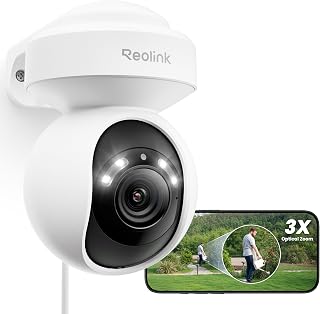


![Security Cameras Wireless Outdoor, No Subscription [2026 New] 4K Solar Home Security Camera System for Camera Surveillance, 360° Human Tracking & Color Night Vision, 2.4&5G WiFi, Easy Setup](https://m.media-amazon.com/images/I/61b17BJJuWL._AC_UL320_.jpg)



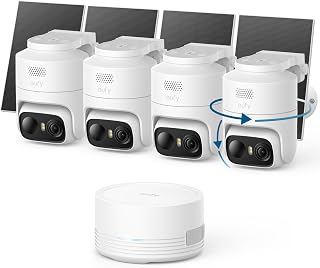
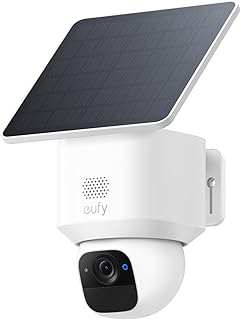


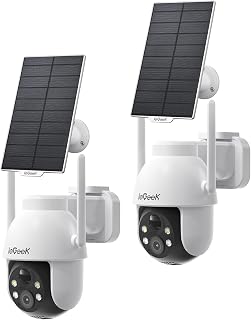


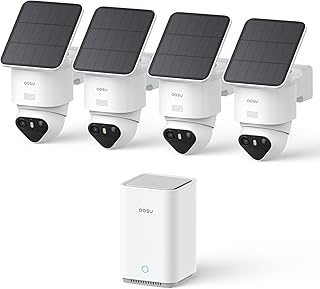


Choosing surveillance video equipment is less about buying the camera with the longest feature list and more about matching the system to the property, recording needs, network environment and budget. A compact indoor camera may be suitable for monitoring a room, while a detached home, garage, cottage or larger property may require several outdoor cameras, local storage and stronger weather protection.
For Canadian buyers, the purchasing decision also deserves attention to cold-weather performance, snow and rain exposure, Wi-Fi coverage, power availability and the practical cost of cloud recording. Before comparing individual deals, identify how the equipment will be installed and what you actually need to monitor.
Resolution affects how much visible detail a camera can capture. Full HD can be sufficient for general monitoring, while 2K, 4MP, 5MP and 4K cameras can provide additional detail when conditions and optics support it.
Higher resolution alone does not guarantee better footage. Lens quality, image processing, lighting, sensor performance and compression also affect the final recording. A camera with excellent low-light processing can be more useful at night than a higher-resolution model with weaker imaging performance.
Night-time performance should be evaluated separately from daytime image quality. Infrared night vision can produce monochrome footage in darkness, while some cameras use visible illumination to produce colour footage in low-light conditions.
When comparing cameras, examine the stated night-vision range and consider the environment around the installation point. A manufacturer-rated range does not necessarily mean faces or licence plates will remain clearly identifiable at the furthest distance.
A wide viewing angle can cover more of a room, driveway or entrance, but an extremely wide perspective may make distant objects appear smaller. A narrower lens can provide more concentrated coverage of a particular area.
Think about the area that needs protection before choosing the camera. For example, a driveway may benefit from a camera positioned to observe approaching vehicles, while a front-door camera should prioritize the entrance, walkway and immediate surroundings.
Wi-Fi cameras are popular because installation can be simpler than running dedicated video cables. They are particularly convenient where electrical power is already available near the desired mounting location.
The main consideration is network reliability. A camera placed far from the router or behind several walls may experience a weaker connection. Before purchasing multiple Wi-Fi cameras, consider whether the home network can reliably support simultaneous video streams.
Battery-powered cameras can be convenient for locations where running power cables is difficult. However, battery life depends on factors such as recording frequency, motion detection, temperature, network activity and camera settings.
Canadian winters make battery performance particularly important. Cold temperatures can reduce the practical runtime of rechargeable batteries. If a camera will be installed outdoors, check the manufacturer's operating-temperature specifications rather than assuming that every outdoor camera performs identically in winter.
Power over Ethernet, commonly called PoE, can provide both network connectivity and electrical power through compatible Ethernet cabling. This approach is attractive for permanent installations where reliable connectivity and continuous operation are priorities.
PoE systems generally require more planning during installation, but they can reduce dependence on Wi-Fi coverage. They are worth considering for larger properties, dedicated security installations and locations where a stable wired connection is preferred.
Cloud storage can make recorded footage accessible from supported mobile applications and other connected devices. Depending on the manufacturer and subscription plan, cloud services may offer event history, notifications, extended storage and additional smart detection features.
However, buyers should calculate the long-term subscription cost rather than judging the camera only by its initial purchase price. Features can also vary significantly between free and paid service tiers.
Some cameras support microSD cards for local recording. Local storage can reduce or eliminate dependence on a recurring cloud subscription, depending on the specific camera and its software features.
Check the supported card capacity, recording modes and overwrite behaviour before purchasing a memory card. Continuous recording can also place greater demands on storage media than occasional event recording.
A network video recorder, or NVR, is commonly used with compatible network cameras. A digital video recorder, or DVR, is generally associated with compatible wired analogue camera systems.
Dedicated recorders can provide centralized storage for multiple cameras. They can be particularly useful when continuous recording and longer retention periods are important.
Basic motion detection can generate alerts when movement is detected. Its usefulness depends heavily on how accurately the system distinguishes meaningful activity from environmental movement.
Outdoor cameras can encounter false triggers caused by trees, shadows, rain, insects and changing light. Look for systems that allow sensitivity adjustment, activity zones or other tools for reducing unnecessary notifications.
Person detection can help distinguish human movement from general activity. This can make notifications more useful, especially for entrances and driveways where movement from animals or vehicles might otherwise create frequent alerts.
Some smart cameras support vehicle or package-related detection. These features can be useful for monitoring driveways, garages, entrances and delivery areas, but compatibility and functionality vary by manufacturer and subscription level.
Activity zones allow users to focus motion monitoring on specific parts of the camera's field of view. This can help reduce notifications from roads, neighbouring properties or areas with frequent irrelevant movement.
Outdoor surveillance equipment should be selected according to the actual installation environment. Weather resistance, temperature ratings, mounting hardware and power arrangements all deserve attention.
Look for the manufacturer's stated IP rating when evaluating outdoor cameras. An IP rating provides information about resistance to solid particles and water under defined testing conditions. It should not be treated as a guarantee that a camera can withstand every possible Canadian weather condition.
Temperature specifications are particularly important in Canada. A camera designed for outdoor use may still have a defined operating-temperature range that buyers should check before installation.
For battery-powered models, cold weather deserves additional consideration because battery capacity and runtime can be affected by low temperatures. Wired outdoor cameras may be preferable where continuous operation is more important than installation convenience.
Camera placement can influence image quality during winter. Snow accumulation, ice, water droplets and condensation can obstruct the lens or affect visibility. Position cameras where practical to reduce direct exposure while still maintaining the required viewing angle.
Several established consumer and security brands offer cameras and related equipment. Product ranges differ considerably, so buyers should compare individual models rather than assuming that every product from one brand has the same capabilities.
Brand recognition should not replace model-level research. Compare resolution, storage, subscription requirements, weather ratings, smart detection, connectivity and app functionality for the exact model under consideration.
A good deal is not necessarily the product with the lowest advertised price. The better value depends on the total equipment cost, installation requirements, storage expenses and features that you will actually use.
Calculate the cost of cameras, mounting accessories, memory cards, recorders, additional batteries and any required subscription. A camera with a low purchase price can become more expensive over time if essential features require a recurring service.
Review the manufacturer's included-accessories list. Depending on the product, mounting hardware, power adapters, cables, batteries or storage media may be sold separately.
Before buying additional cameras, confirm compatibility with the existing app, hub, recorder, smart-home platform and storage system. Mixing products from different ecosystems may provide less integration than using compatible equipment from the same platform.
Determine whether the camera supports continuous recording, event recording, local storage, cloud recording or a combination of these options. The right choice depends on how much footage you need to retain.
A surveillance camera is only useful if its software provides practical access to live and recorded footage. Review supported mobile platforms, notification controls, user sharing, playback functions and account requirements before purchasing.
More pixels do not automatically solve poor camera placement. A high-resolution camera aimed at the wrong area may provide less useful evidence than a lower-resolution camera positioned correctly.
Smart cameras depend on reliable network connectivity for many cloud and remote-viewing functions. Check Wi-Fi coverage at the actual mounting location rather than relying only on signal strength near the router.
Daytime footage can look excellent while night footage is much less useful. Always compare night-vision capabilities when selecting equipment for entrances, driveways and outdoor areas.
Battery cameras can simplify installation, but they require periodic charging or battery replacement. Think about how accessible the camera will be and how frequently you are prepared to maintain it.
A complete surveillance setup includes more than the camera itself. Storage, connectivity, mounting position, power supply, software and recording policies all influence the practical result.
Surveillance equipment should be installed responsibly. Cameras should be positioned to monitor areas you have a legitimate reason to observe while respecting the privacy of other people and neighbouring properties.
Account security is also important. Use strong, unique credentials where supported and enable available security features such as multi-factor authentication. Keep camera firmware and associated applications updated according to the manufacturer's recommendations.
Before installing cameras in shared spaces, rental properties, workplaces or other locations involving additional people, check applicable Canadian privacy requirements and any building, tenancy or workplace rules that may apply.
Prioritize a clear view of the entrance, useful night vision, motion or person detection, two-way audio where required and dependable notifications. A wide field of view can be useful when the camera needs to cover both the doorway and surrounding approach.
Driveway monitoring usually benefits from a camera designed for outdoor operation with suitable night vision, weather resistance and a viewing angle that covers approaching vehicles without placing the main area too far from the lens.
Indoor cameras can prioritize compact design, privacy controls, two-way communication and flexible placement. A physical privacy shutter or software privacy mode can be useful depending on the room and household requirements.
Larger properties may benefit from multiple cameras and centralized recording. PoE cameras and NVR systems are worth considering where stable wired connectivity and continuous recording are priorities.
For a property that is not occupied continuously, remote access, reliable notifications and dependable connectivity can be important. Consider the availability of internet service, local power, winter temperatures and the consequences of a camera going offline.
When comparing deals, avoid judging products solely by a temporary discount or headline price. First identify the specifications you need, then compare equivalent products across retailers and manufacturers.
Check the current product specifications, included accessories, warranty information, subscription requirements and customer feedback before completing a purchase. Prices and availability can change, so a deal that looks attractive at one point may not remain the best value later.
For Amazon Canada shoppers, compare the exact model number and product configuration rather than relying only on the product name. Different bundles can contain different accessories, storage capacities or quantities of cameras.
Start with the areas that matter most instead of purchasing cameras simply because a bundle contains several units. A typical residential plan might prioritize the front entrance, rear entrance, driveway, garage and other vulnerable access points.
Draw a simple property layout and mark each proposed camera location. Consider the viewing direction, mounting height, available power, network coverage, lighting and likely obstructions. This approach can reveal that fewer strategically positioned cameras may be more useful than a larger number of poorly positioned units.
For larger installations, determine whether centralized recording is important. An NVR-based system can make sense when several compatible network cameras need to be managed and recorded together.
Not every smart feature provides equal value. Buyers should prioritize functions that solve a specific monitoring problem rather than paying more for features that will rarely be used.
For an entrance, person detection and reliable notifications may matter more than advanced video effects. For a driveway, vehicle detection and useful night footage may be more relevant. For an indoor room, privacy controls and local storage may be more important than long-distance night vision.
The best specification is therefore the one that improves the camera's usefulness in its intended location.
Dust, dirt, water spots and insects can reduce image clarity. Inspect outdoor cameras periodically and clean the lens according to the manufacturer's guidance.
Outdoor installations should be checked periodically for movement or loosening. Wind, vibration, snow and seasonal weather can affect mounting hardware over time.
If local storage is used, periodically check whether the recording system is operating correctly and whether older footage is being overwritten as expected.
Firmware updates can address security issues, compatibility problems and software bugs. Follow the manufacturer's recommended update process for the exact model.
Notification settings can become less useful if they generate excessive alerts. Review detection zones and sensitivity settings periodically and adjust them as the surrounding environment changes.
There is no single best camera for every Canadian home. The right choice depends on whether you need indoor or outdoor monitoring, wired or battery power, local or cloud recording, smart detection and coverage for specific areas such as entrances, garages or driveways.
4K can be worthwhile when additional image detail is important and the camera's lens, sensor, lighting and recording system can make effective use of that resolution. It is not automatically the best choice for every installation.
Wireless cameras can be reliable when installed within a suitable network environment. Wi-Fi strength, interference, distance from the router and the number of connected devices can all affect performance.
They can be suitable when the specific model has an operating-temperature range appropriate for the installation. Cold weather can affect rechargeable battery performance, so the manufacturer's temperature and battery specifications should be checked before buying.
Not all security cameras require Wi-Fi. Some use Ethernet connections, including PoE systems, while dedicated security systems may use cameras connected directly to a compatible recorder.
No. Some cameras support local storage or dedicated recording equipment. Cloud storage can provide convenient remote access and additional services, but buyers should compare subscription costs and storage terms.
The number depends on the property's layout and the areas that need monitoring. Start with important entry points and vulnerable areas rather than selecting a number before identifying the required coverage.
A complete kit can simplify purchasing when several compatible cameras are required. Individual cameras may be preferable when you need specific features or want to expand an existing system gradually. Compare the total cost and compatibility of both approaches.
Check the exact model number, resolution, field of view, night vision, operating-temperature range, storage options, connectivity, power requirements, subscription requirements, included accessories and current customer feedback. Also confirm that the product configuration is appropriate for your intended installation.
The smartest surveillance purchase is the system that delivers dependable coverage for the areas you actually need to monitor without adding unnecessary complexity or recurring costs. Start with placement, then choose the required resolution, night performance, connectivity, storage and smart detection features.
For Canadian installations, pay particular attention to outdoor temperature specifications, weather exposure and battery behaviour in cold conditions. Compare the complete ownership cost rather than the initial price, especially when cloud subscriptions or additional equipment are involved.
Before purchasing any product featured in a 2026 comparison, verify the current specifications, exact bundle contents, retailer terms, customer feedback, warranty information and current price. Product availability and pricing can change throughout the year, so the most useful buying decision is always based on the exact model and configuration available at the time of purchase.