

♥ Wishlist
Compare 37 Safety & Security Products for Canadian Homes, Workplaces and Everyday Protection products in Canada. Reviews, ratings, pros, cons and buying advice updated for October 2026.
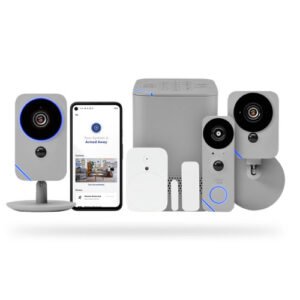
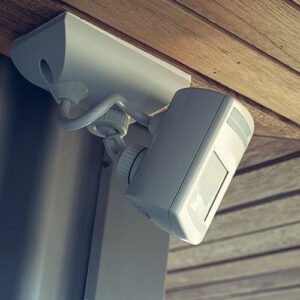
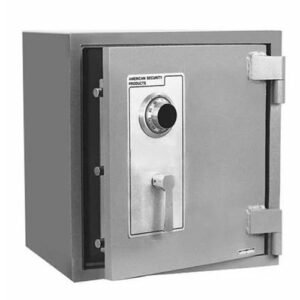


Choosing smart safety and security products for a Canadian home involves more than comparing star ratings or looking for the lowest advertised price. The right choice depends on the type of protection required, installation conditions, connectivity, power options, weather exposure, privacy settings, and compatibility with other devices.
For Canadian shoppers, seasonal conditions also deserve attention. Products installed outdoors may need to cope with cold temperatures, snow, rain, moisture, and changing daylight conditions. Indoor devices have different priorities, including placement, wireless coverage, ease of use, notifications, and integration with an existing smart-home setup.
This buying guide focuses on the factors that matter when comparing smart safety and security deals in Canada in 2026. Instead of judging a product only by its headline features, consider how those features work together in your particular home.
Smart safety and security products use connected technology to monitor an environment, provide alerts, automate a response, or give users remote access to information. They can range from simple sensors to more advanced systems combining cameras, alarms, locks, lighting, and environmental monitoring.
These categories are not interchangeable. A camera may provide visual evidence, while a door sensor can identify that an entry point has opened. A smart lock controls access, whereas a smoke detector addresses a completely different safety risk. The best purchase is therefore the one that addresses the specific problem you want to solve.
For security cameras and video doorbells, image quality affects how useful recorded footage is. Resolution is important, but it is not the only consideration. Lens quality, field of view, low-light performance, exposure handling, and image processing can all influence what the camera captures.
A higher-resolution camera can provide more visible detail, but storage requirements and network bandwidth may also increase. Consider the distance between the camera and the area you want to monitor. A camera with a wide viewing angle may cover more space, while a narrower view can be preferable when detailed monitoring of a specific area is the priority.
Security monitoring does not stop after sunset. When comparing cameras, check whether night vision uses infrared illumination, colour imaging under available light, or another low-light technology.
Think about the actual installation environment. A camera facing a completely dark driveway has different requirements from one positioned near a well-lit entrance. Reflections from windows, walls, snow, and nearby lighting can also affect nighttime footage.
Motion detection can generate useful alerts, but sensitivity and detection logic matter. A system that sends excessive notifications may become difficult to manage.
Look for features such as adjustable detection zones, activity settings, or the ability to distinguish between different types of movement where supported. Positioning is equally important. Trees, roads, pets, HVAC equipment, and changing sunlight can create unwanted activity depending on the product and installation location.
Two-way audio allows communication through compatible cameras or doorbells. This can be useful for speaking with visitors, delivery personnel, or household members without opening the door.
When comparing products, consider microphone and speaker placement, audio clarity, connection reliability, and whether two-way communication depends on an active internet connection.
Storage is one of the most overlooked differences between smart security products. Depending on the model, footage may be stored locally, on removable media, through a network-connected device, or through a cloud service.
Before buying, determine how recordings are retained and how long they remain accessible. Cloud storage may involve an optional or required subscription. Local storage can provide a different balance between ongoing costs, convenience, and physical control of recordings.
A low initial price does not necessarily mean a product has the lowest long-term cost. Some smart security ecosystems place advanced recording, detection, storage, or notification features behind a subscription.
Read the current product specifications carefully. Identify which functions work without a subscription and which require a paid service. If recurring costs matter to your budget, calculate the ownership cost over several years rather than comparing only the purchase price.
A smart security device should fit into the technology already used in your home whenever possible. Compatibility can affect setup, automation, voice control, notifications, and the ability to manage multiple devices from one interface.
Popular smart-home ecosystems and brands include Amazon, Google, Apple, Ring, Arlo, Eufy, TP-Link, Philips Hue, Yale, Schlage, and other established manufacturers. Compatibility varies by individual product, so do not assume that two products from different brands will offer identical functionality simply because both are described as smart devices.
Check the exact model specifications for supported platforms, wireless standards, required hubs, mobile operating systems, and available integrations.
Smart security products depend on reliable communication. A camera positioned far from a wireless router may experience connection problems even when the product itself has strong specifications.
Before installation, consider the distance between the device and router, walls and floors between them, interference from other equipment, and the quality of the home's wireless network.
Some devices support alternative connectivity methods or require a dedicated hub. Battery-powered products can also behave differently from continuously powered devices because energy consumption affects how frequently they communicate or record.
Battery-powered cameras, sensors, locks, and doorbells can be easier to install because they may not require a new electrical connection. They can be particularly useful for locations where wiring is difficult.
The trade-off is maintenance. Battery life depends on the device, settings, temperature, network activity, usage frequency, and environmental conditions. Canadian winters make this consideration particularly important for outdoor battery-powered equipment because cold temperatures can affect battery performance.
Wired devices can provide continuous power and may be preferable for locations requiring frequent monitoring. However, installation can be more involved.
When replacing an existing wired device, verify electrical requirements before purchase. If professional electrical work is required, factor that cost and complexity into the overall buying decision.
Outdoor products need to be selected with their installation environment in mind. Look for manufacturer-provided information about operating temperatures and weather resistance rather than assuming that every outdoor-labelled device performs identically.
Snow accumulation, freezing temperatures, rain, humidity, direct sunlight, and rapid temperature changes can all influence outdoor equipment. A camera mounted beneath a sheltered roof may experience very different conditions from one installed in an exposed location.
Smart security products can collect sensitive information, including video, audio, movement patterns, access events, and household activity. Privacy should therefore be part of the buying decision.
Review the manufacturer's privacy documentation and account-security features before purchasing. Consider whether the product supports strong account authentication, secure access, configurable privacy zones, local storage, or other controls relevant to your needs.
Use unique account credentials and enable available security features. Keep firmware and mobile applications updated when updates are provided by the manufacturer.
Smart locks combine physical security hardware with electronic access controls. Compatibility with the existing door is one of the most important considerations.
Check door thickness, lock configuration, backset dimensions, cylinder arrangements, handing requirements, and whether the product is designed to replace the complete lock or only part of the existing mechanism.
Access methods vary between models. Depending on the product, users may have options such as smartphone access, keypad entry, physical keys, fingerprints, temporary codes, or integrations with other smart-home systems.
Do not choose a smart lock solely because it offers more digital features. Mechanical construction, installation compatibility, emergency access, battery management, and the manufacturer's documented security specifications are equally important.
Video doorbells are designed to monitor an entrance while providing visitor notifications and, on compatible models, two-way communication. Important comparison points include viewing angle, video quality, nighttime performance, motion detection, notification speed, power source, storage, and subscription requirements.
For homes with a large porch or walkway, field of view can be more important than simply selecting the highest resolution. Package-detection features may also be useful, but shoppers should confirm exactly what the manufacturer says the feature can detect and under which conditions.
Indoor cameras are commonly used to monitor rooms, entrances, pets, children, or other areas of a home. Privacy is particularly important because an indoor camera can capture activity inside private spaces.
Features such as physical privacy shutters, configurable privacy zones, local storage, motion detection, two-way audio, and user-access controls can influence suitability.
Placement should be considered carefully. Avoid positioning a camera where unnecessary personal information could be captured, and review local privacy considerations when monitoring shared spaces or other people.
Smart safety products are not limited to burglary prevention. Connected smoke alarms, carbon monoxide detectors, water sensors, and temperature or freeze sensors can help homeowners receive alerts about potentially important household conditions.
For life-safety equipment, smart connectivity should be viewed as an additional feature rather than a replacement for appropriate certified safety equipment and proper installation. Always follow the applicable Canadian requirements and the manufacturer's installation instructions.
When comparing detectors, check the sensing technology, power source, replacement requirements, alarm behaviour, connectivity, and manufacturer guidance for placement and maintenance.
Water damage can occur in areas such as basements, laundry rooms, kitchens, bathrooms, utility spaces, and locations near water heaters or plumbing equipment. A connected water sensor can provide an alert when moisture is detected.
For Canadian homes, temperature monitoring may also be relevant in vulnerable areas where freezing conditions could create property risks. Consider sensor placement carefully and verify the product's operating conditions.
Budget cameras can be suitable when basic monitoring is the priority. Concentrate on dependable connectivity, usable image quality, motion notifications, and straightforward setup rather than collecting every available feature.
Mid-range products may offer stronger image quality, improved detection, better hardware, broader integration, and additional storage options. They can be attractive for shoppers who want more capability without building a highly complex security system.
Premium products often focus on advanced detection, higher-end imaging, stronger hardware, broader ecosystem support, or more sophisticated management features. They make the most sense when those capabilities address a specific requirement.
The best deal is not always the product with the largest percentage discount. Compare the complete value proposition, including hardware, required accessories, subscriptions, installation needs, replacement batteries, and other ownership costs.
When shopping, compare the exact model number rather than relying on a product family name. Different versions can have different storage options, connectivity, accessories, power systems, or regional specifications.
Check current specifications, verified customer reviews, retailer information, and manufacturer documentation before making a purchase. Prices and availability can change, particularly during major Canadian shopping periods.
Renters and condo residents may prioritise compact devices, easy installation, removable equipment, and products that do not require permanent structural changes. Check building rules and lease requirements before installing exterior equipment or modifying locks.
A detached home may benefit from a combination of entry monitoring, outdoor cameras, door and window sensors, smart lighting, and environmental sensors. Wireless coverage should be assessed across the property before selecting connected devices.
Larger properties may require more deliberate camera placement and network planning. Instead of buying multiple cameras immediately, map important entry points and vulnerable areas first. This helps prevent overlapping views while avoiding blind spots.
Remote monitoring can be particularly useful for properties that are unoccupied for periods of time. Focus on dependable connectivity, power reliability, environmental monitoring, and alerts that remain useful when no one is physically present.
Established brands can provide broader documentation, ecosystem support, accessories, applications, and ongoing software updates, although individual products should still be evaluated on their own specifications.
Amazon and Ring products may appeal to shoppers already using compatible Amazon smart-home equipment. Google products can be relevant for households built around Google's ecosystem. Apple users may prioritise compatible HomeKit or Matter functionality where supported.
Arlo, Eufy, TP-Link, Yale, Schlage, and Philips Hue also cover different parts of the smart security and connected-home market. Availability and exact compatibility can vary by Canadian model and retailer, so verify the specifications for the precise product version.
Matter is designed to improve interoperability between supported smart-home devices and platforms. However, compatibility is not automatically identical across every device. A product may support Matter while still having certain manufacturer-specific functions that depend on its own application or ecosystem.
If interoperability is important, check the exact Matter support listed for the model and determine which functions remain available through the relevant platform.
Read the installation instructions before mounting any device permanently. Check the intended field of view, power requirements, wireless signal, mounting surface, and access for future maintenance.
Outdoor cameras should be periodically inspected for dirt, water spots, insects, snow, or other obstructions. Rechargeable devices should be maintained according to the manufacturer's instructions. Firmware updates should be installed when appropriate, particularly when they address security or reliability issues.
Review notification settings after installation. Too many unnecessary alerts can make important notifications easier to overlook. Too few alerts can reduce the usefulness of a monitoring system.
A long feature list does not automatically indicate a better product. A camera with advanced detection is less useful if it cannot maintain a reliable connection at the installation location. A smart lock with many access methods is not necessarily the right choice if it does not fit the existing door.
Start with the required outcome, then work backward toward the appropriate specifications. This approach prevents shoppers from paying for features they are unlikely to use.
There is no single best option for every Canadian household. The right product depends on the security problem, installation location, budget, connectivity, ecosystem compatibility, and desired features. Compare products according to the specific job they need to perform.
They can be useful when remote monitoring, motion notifications, video recording, or entrance awareness is important. Their value depends on installation quality, reliable connectivity, storage arrangements, privacy controls, and whether the available features match your needs.
Connectivity requirements vary by product. Many consumer smart cameras depend heavily on internet or wireless connectivity for remote access and notifications. Some products support local recording or alternative connection methods. Check the exact manufacturer's specifications before buying.
Suitability depends on the product's stated operating conditions and installation environment. Cold temperatures can affect battery performance, so check the manufacturer's documented temperature range and battery guidance before choosing a battery-powered outdoor camera.
Not every smart lock uses the same connectivity method. Some communicate through Bluetooth, while others can use Wi-Fi, hubs, or other supported technologies. Confirm the connectivity method and remote-access requirements of the exact model.
Some do, while others provide core functions without a recurring subscription. Cloud recording, advanced detection, extended history, or additional services may require payment on certain products. Always check the current terms before purchasing.
Both approaches have advantages. Local storage can provide more direct control over recordings, while cloud storage can make remote access and management easier. Compare storage capacity, retention periods, security controls, subscription requirements, and what happens if the internet connection is unavailable.
The appropriate number depends on the property's layout and the areas that require monitoring. Start by identifying primary entrances, garages, driveways, side passages, and other important areas. Avoid buying cameras simply to increase the number of devices.
Check operating temperature, weather resistance, power source, wireless connectivity, night vision, field of view, storage, mounting options, detection features, privacy controls, and any subscription requirements.
No. A higher-priced product can provide additional capabilities, but those features only add value when they solve a genuine requirement. A simpler product with reliable core functionality may be a better choice for a particular installation.
Before choosing a smart safety or security deal in Canada, compare the following:
The strongest buying decision comes from matching the product to the environment rather than chasing the longest specification list. For Canadian shoppers, weather conditions, connectivity, installation requirements, ongoing costs, privacy, and ecosystem compatibility deserve the same attention as headline features.
Use this guide to narrow your options, then compare the exact specifications of the products you are considering. Read verified customer reviews for practical information about setup and day-to-day use, while relying on manufacturer documentation for technical specifications and compatibility.
Because product prices, promotions, availability, software features, and subscription terms can change throughout 2026, verify the current details before completing a purchase. A smart safety product is a long-term household decision, so the best deal is ultimately the one that provides the right combination of capability, reliability, compatibility, and total ownership value for your needs.