

♥ Wishlist
Compare 50 Smart Home Window Solutions products in Canada. Reviews, ratings, pros, cons and buying advice updated for October 2026.


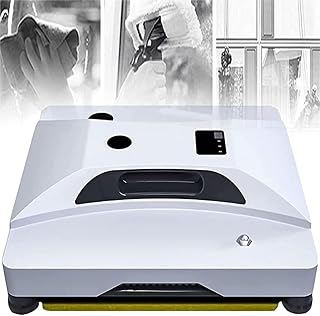


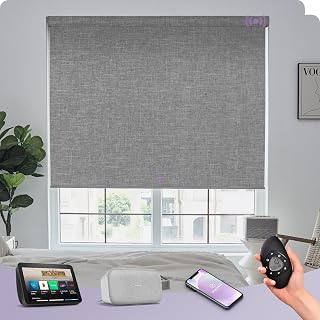


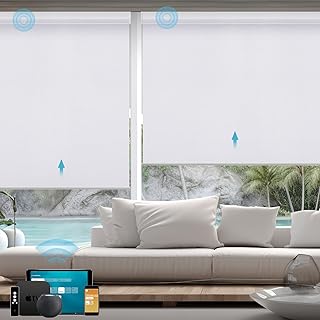


Smart window technology has moved beyond simple motorized blinds. Today's solutions can combine automated shades, curtain motors, smart glass, sensors, schedules, voice control and connected-home platforms. For Canadian households, the right choice depends on more than appearance. Window size, insulation needs, sunlight exposure, room use, power access, connectivity and compatibility can all affect the buying decision.
Before choosing a product, compare its operating method, installation requirements, control options and long-term practicality. A smart window solution that looks impressive but does not fit the window, work with your preferred ecosystem or suit the room's power setup may provide less value than a simpler alternative.
A smart home window solution is a window covering, shading system or related technology that adds automation or connected control. Depending on the product, control may be available through a remote, smartphone application, voice assistant, wall switch, schedule or sensor-triggered automation.
Common categories include:
These categories are not interchangeable. A retrofit motor can be attractive when existing blinds are worth keeping, while a complete motorized shade may make more sense for a new installation. Similarly, smart glass is a substantially different investment from an automated roller shade and should be evaluated according to the building project rather than treated as a conventional window covering.
Canada's varied climate makes window management particularly relevant. Homes may experience strong summer sunlight, cold winter conditions and substantial differences in daylight throughout the year. Automated coverings can help homeowners manage glare, privacy and daylight without manually adjusting every window.
In rooms with large south- or west-facing windows, scheduled shading can reduce unwanted brightness during periods of intense sunlight. In bedrooms, automated shades can be programmed around preferred sleeping and waking routines. In living areas, automation can provide privacy at selected times while still allowing daylight during the day.
However, smart shades should not automatically be considered a substitute for proper windows, insulation or professionally designed energy-efficiency improvements. Their practical contribution depends on the product, window construction, installation quality and how the system is used.
The motor is one of the most important components in a smart window covering. Different motors provide different levels of noise, speed, power efficiency and control flexibility.
Battery-powered shades are often convenient for existing homes because they can reduce the need for electrical wiring. Installation can be simpler when a window does not have convenient access to mains power.
The trade-off is maintenance. Battery life varies according to motor design, shade size, operating frequency and battery capacity. Before purchasing, check how the batteries are accessed and whether the manufacturer specifies replaceable or rechargeable batteries.
Rechargeable systems can reduce the need for frequent battery replacement. They are particularly convenient when the charging connection is accessible without removing the shade.
Check the charging method carefully. A convenient charging arrangement can make a major difference when multiple windows are automated.
Hardwired systems can be appropriate for new construction or major renovations where electrical infrastructure can be planned in advance. They avoid routine battery charging but generally require more installation work.
For an existing home, compare the installation cost and disruption with the convenience of permanent power. For a renovation, discuss electrical requirements with the appropriate professional before ordering the window coverings.
Connectivity should be considered before focusing on the appearance of a smart shade. A product may support one or several communication standards, and compatibility can affect whether it works smoothly with the rest of a smart home.
Look for clear information about compatibility with platforms such as Amazon Alexa, Google Home and Apple Home. Depending on the product generation, you may also encounter technologies such as Bluetooth, Wi-Fi, Zigbee, Z-Wave or Matter.
Matter compatibility can be particularly interesting for buyers building a multi-brand smart home because the standard is designed to improve interoperability between supported ecosystems. Nevertheless, compatibility should always be checked for the exact model rather than assumed from the presence of a general brand feature.
Wi-Fi products can be straightforward because they may connect directly to the home network. However, adding many Wi-Fi devices can increase the number of connected devices on a network.
Hub-based systems may use a dedicated bridge or hub to coordinate multiple window coverings. This can be useful for larger installations, although it introduces another device that must remain connected and supported.
The best option depends on the scale of the installation and the smart-home ecosystem already used in the home.
When researching smart window solutions, established manufacturers can provide useful reference points for motor technology, compatibility, replacement parts and ecosystem support. Brands frequently associated with smart shading and connected-home products include Lutron, Somfy, Eve, Aqara, SwitchBot, IKEA and Hunter Douglas.
Brand reputation alone should not determine the purchase. Compare the exact product generation, motor, dimensions, control protocol, power method and compatibility information. Two products from the same manufacturer can have substantially different capabilities.
A conventional blind or shade can be the better choice when automation is unnecessary. Smart products generally justify their additional cost through convenience, scheduled operation, accessibility or integration with other home-automation routines.
For example, a hard-to-reach skylight may benefit more from motorization than an easily accessible small bedroom window. Likewise, a large set of windows can make scheduled control considerably more convenient than manually operating each covering.
Consider smart automation an additional feature rather than an automatic upgrade. If the room has no practical need for automation, investing more in fabric quality, light control, privacy or insulation characteristics may provide greater value.
Fabric selection has a major effect on the performance of a smart shade. Motorization controls movement, but the material determines how much light enters the room.
Light-filtering materials soften daylight while allowing some natural illumination through. They can work well in living rooms, kitchens and home offices where complete darkness is not required.
Room-darkening products reduce incoming light more aggressively and can be useful for bedrooms, media rooms and spaces where glare is a concern.
Blackout materials are designed for maximum light reduction, but the fabric alone does not always guarantee a completely dark room. Light can still enter around the edges if the shade does not provide an appropriate fit or side coverage.
When darkness is important, examine the mounting arrangement, window recess and edge gaps in addition to the fabric specification.
Cellular shades, sometimes called honeycomb shades, use a structured fabric design that creates air pockets. They are often considered when insulation and light management are both priorities.
For Canadian buyers, window coverings should be evaluated as part of the complete window assembly. A shade's insulating characteristics do not automatically mean it will deliver a specific reduction in heating or cooling costs.
Look for manufacturer-provided technical information rather than relying on broad claims about energy savings. Window orientation, glazing, frame construction, installation and climate can all influence actual results.
Motorized shades are not universally interchangeable. The dimensions and weight of the covering can influence which motor is appropriate.
Before ordering, measure the window carefully and determine whether the product is intended for inside or outside mounting. Also check the manufacturer's maximum width, height and weight specifications.
Large panoramic windows may require stronger motors, multiple shades or a specialized system. A product designed for a small residential blind should not be assumed to be suitable for a large architectural opening.
Inside mounting places the shade within the window recess and can create a clean appearance when the frame provides sufficient depth. Outside mounting positions the shade on or above the surrounding area and can provide broader coverage.
Consider:
Precise measuring is especially important for motorized products because a sizing error can be more difficult to correct after installation.
Motor noise matters because shades are often operated in bedrooms, offices and living spaces. A motor that seems acceptable during a brief demonstration may become noticeable if it operates several times every day.
Where available, compare manufacturer information about operating noise. Also consider the construction of the shade itself because fabric, brackets and window surroundings can influence perceived sound.
For bedrooms and nurseries, quiet operation deserves more attention than it might in a living room.
Smart window products can range from basic remote-controlled motors to sophisticated automation systems. The most useful features depend on how the room is used.
Schedules allow shades to operate at predetermined times. This can be useful for morning routines, privacy at night or consistent daylight management.
Some systems can use location-based sunrise and sunset information instead of relying on fixed times. This can be more practical as daylight hours change throughout the year.
A smart-home scene can coordinate several devices. For example, a media-room scene could close selected shades while controlling compatible lighting equipment.
Advanced systems may respond to sunlight, temperature, occupancy or other compatible sensors. Before buying, confirm whether the required sensor is integrated or must be purchased separately.
Voice commands can be useful when shades are difficult to reach or when hands-free operation is desirable. However, voice control should be treated as an additional interface rather than the only control method.
A reliable setup should still provide a practical alternative such as a physical control, remote or application. Consider what happens if the internet connection is unavailable or a cloud service temporarily cannot be reached.
Connected window products can become part of a home's wider smart-device network. Buyers should therefore review privacy and security information before purchasing.
Check whether the product requires an account, what permissions its application requests and whether firmware updates are provided. If a device connects through Wi-Fi or a hub, use strong account credentials and keep supported software updated.
Products that include cameras or microphones require additional consideration because they introduce capabilities beyond basic window automation.
Do not compare battery life using a single headline figure without understanding the conditions behind it. Operating frequency, shade size, motor load, temperature and network activity can all influence battery performance.
For a house with many automated windows, maintenance can become more significant than it appears when considering one shade. Ten battery-powered shades can mean ten devices requiring periodic attention.
Before purchasing multiple units, determine:
Never assume a standard window size. Measure every opening that will receive a covering and follow the manufacturer's measuring instructions.
A battery-powered system may be convenient in one room but inconvenient in another. Likewise, hardwired products may be unnecessary for a simple retrofit.
A manufacturer's general compatibility statement does not necessarily apply to every product generation. Confirm support for the exact model number.
A quiet, reliable motor cannot compensate for unsuitable fabric, poor sizing or inadequate light control. Evaluate the complete product.
Connected products can differ in their local-control capabilities. Review the manufacturer's documentation to understand which functions continue to work during an internet or cloud-service interruption.
Emergency and everyday usability matter. Check how the shade can be controlled if the smart application, remote or network is unavailable.
A structured comparison can make product research easier. Instead of comparing only ratings or prices, evaluate the specifications that affect long-term use.
Retrofitting existing blinds can be an economical approach when the current window coverings are in good condition. A retrofit motor can add automation without replacing the entire shade.
The main limitation is compatibility. Existing blinds must have a mechanism that the retrofit product can operate, and the resulting appearance may differ from a purpose-built motorized shade.
Complete smart shades provide a more integrated solution and can offer greater choice in fabric, mounting and motor specifications. They may also be more appropriate when the existing coverings are old or damaged.
Motorized curtains can be especially useful for wide openings, patio doors and large windows where traditional blinds are less practical.
When evaluating curtain automation, check track length, curtain weight, opening direction and whether the motor can support the full configuration. Some systems can open from the centre, while others operate from one side.
Also consider whether the curtain fabric itself is compatible with the motorized track and whether the system is intended for new curtains or existing panels.
Window sensors serve a different purpose from automated shades. They can detect whether a window or door is open or closed and can form part of a wider home-automation or security routine.
For example, a compatible automation system might use a window's status as one condition in a home routine. However, a sensor should not automatically be considered a security system. Review the exact capabilities and limitations of the device before relying on it for security-related decisions.
Smart glass changes the optical characteristics of the glazing itself rather than moving a physical covering. This can provide a minimalist appearance and may be attractive in architectural projects.
Smart shades are generally easier to consider as a retrofit because they can be installed without replacing the window glazing. They also provide more flexibility in fabric, blackout performance and decorative styling.
Smart glass and smart shades should therefore be evaluated as different technology categories rather than direct equivalents.
Installation requirements depend heavily on the product. Some battery-powered shades are designed for straightforward mounting, while hardwired systems can involve electrical work.
Before installation, inspect the mounting surface and confirm that the supplied brackets are appropriate for the window frame or surrounding structure. For electrical installations, follow applicable Canadian requirements and use a qualified professional when the work requires electrical expertise.
For multiple windows, establish a consistent mounting approach before installing the first unit. This helps maintain alignment and visual consistency across the room.
Smart window coverings still require ordinary care. Dust and debris can accumulate on fabric, slats, tracks and mechanical components.
For fabric shades, use only cleaning methods recommended for the specific material. Aggressive cleaning can damage coatings, fabrics or finishes.
There is no single budget that suits every installation. The total cost can vary substantially according to window size, number of windows, motor type, fabric, connectivity, installation requirements and whether a hub or additional accessories are required.
Rather than comparing the price of one unit, calculate the complete system cost. A lower-priced motor may become less attractive if it requires separate accessories for the functions you need. Conversely, a premium system may be unnecessary if you only want basic scheduled operation.
For larger homes, compare the cost of automating every window with selectively automating the most important rooms first.
For a new smart-home installation, consistency can be more valuable than choosing the cheapest product in each category. Using compatible products across multiple rooms can simplify automation and reduce the number of separate applications or control systems.
Start with the rooms where automation provides the greatest practical benefit. Bedrooms, large living-room windows, hard-to-reach windows and rooms with significant glare are often logical candidates. Expand the system after confirming that the first installation meets expectations.
Customer reviews can help identify recurring practical issues, but they should not replace specification checks. Look for reviews that discuss long-term operation, installation, battery access, connectivity and compatibility.
Pay attention to recurring comments rather than isolated complaints. Also distinguish between problems caused by the product and problems caused by incorrect measurements, unsuitable installation or incompatible smart-home equipment.
When researching products through Amazon Canada or other trusted Canadian retailers, compare recent customer feedback with the manufacturer's current specifications because product generations can change.
Prioritize quiet operation, privacy and appropriate darkness. Blackout or room-darkening materials may be more important than advanced automation features.
Consider glare control, appearance and integration with lighting or entertainment routines. Light-filtering shades can be useful where maintaining daylight is important.
Glare reduction should be a major consideration, especially for rooms containing computer displays. Scheduling can help manage direct sunlight during working hours.
Choose materials that suit the environment and are practical to clean. Consider clearance around sinks, cooking areas and appliances before selecting the mounting position.
Motorized curtains or appropriately designed large-format shades may provide better usability than several small manual coverings. Check the motor's capacity and track or shade dimensions carefully.
Automation can provide practical benefits for people who find manual blinds difficult to operate. Remote and voice controls can reduce the physical effort required to adjust coverings.
However, accessibility needs vary. Before buying, consider the controls that are easiest for the intended user, including physical switches, remote controls, applications and voice commands. A system should remain straightforward for everyday use rather than making a simple task unnecessarily dependent on a smartphone.
Smart-home standards continue to evolve, so avoid buying solely around a single feature that may become less relevant over time. Prioritize products with clearly documented compatibility, dependable physical controls and a practical upgrade path.
Interoperability standards such as Matter may be useful for buyers who want greater flexibility across supported ecosystems. Even so, future compatibility cannot be guaranteed indefinitely. Check the current manufacturer's documentation and confirm support for the exact product before purchasing.
Before choosing one of the smart home window solutions considered in Canada, review the complete specification rather than relying on a headline rating or discount.
The best option depends on the window size, room, budget, desired light control, power source and smart-home ecosystem. There is no single solution that is ideal for every Canadian household.
They can be worthwhile when scheduled operation, remote control, accessibility, privacy or automated daylight management provides meaningful value. If you rarely adjust your blinds, conventional coverings may offer better value.
This depends on the specific product and control architecture. Some functions may continue locally through a remote, hub or direct connection, while cloud-dependent functions may require internet access. Check the manufacturer's documentation for the exact model.
They can be convenient for retrofit installations because they may avoid new electrical wiring. Consider battery accessibility and charging requirements before installing them across many windows.
They can contribute to daylight and solar-management strategies, but performance varies by shade material, window construction, installation and climate. They should not be treated as a guaranteed replacement for other building-efficiency measures.
No. Compatibility varies by manufacturer, product generation and connectivity method. Always verify support for the exact model before purchasing.
Matter is a smart-home interoperability standard intended to make compatible devices easier to use across supported platforms. Product-specific compatibility still needs to be verified before purchase.
Not necessarily. A room-by-room approach can provide better value. Start with windows that are difficult to reach, receive significant sunlight or require frequent adjustment.
Neither is universally better. Curtains can be particularly suitable for wide openings and decorative installations, while blinds and shades can offer more precise light and privacy control. Window configuration should guide the choice.
Compare dimensions, mounting requirements, motor capacity, power method, connectivity, platform compatibility, light control, automation, noise, installation and maintenance. Then compare current prices and verified customer feedback before making a final decision.
A useful buying guide should distinguish between features that sound impressive and specifications that genuinely affect ownership. For smart window solutions, that means looking beyond discounts and headline ratings to examine compatibility, dimensions, motor requirements, power, controls, installation and long-term usability.
Product information can change during 2026, including model numbers, software support, retailer pricing and availability. Always verify the latest specifications and current Canadian pricing before purchasing. Where possible, compare multiple reputable retailers and read recent customer reviews alongside manufacturer documentation.