

♥ Wishlist
Compare 40 Detectors and Sensors for Home, Security and Monitoring products in Canada. Reviews, ratings, pros, cons and buying advice updated for October 2026.


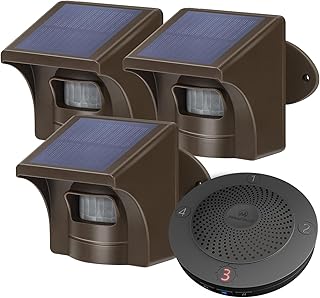


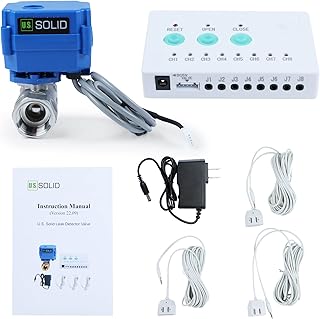


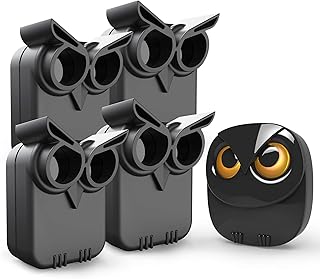


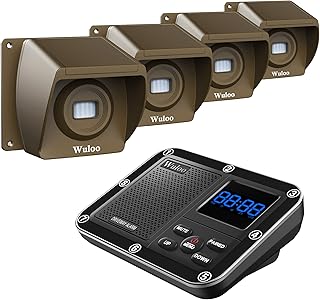

Smart detectors and sensors can do much more than trigger a simple alarm. The right device can monitor smoke, carbon monoxide, water leaks, temperature, humidity, doors, windows, motion, air quality, or other conditions and then send an alert to your phone, smart-home platform, or connected alarm system. For Canadian households, however, choosing the right sensor is not simply a matter of picking the device with the highest rating or the most features.
Canadian homes vary considerably in construction, climate, heating systems, internet connectivity, electrical standards, and smart-home ecosystems. A sensor that works well in a centrally heated suburban home may not be the best choice for a cottage, condominium, detached house with a basement, rental property, or garage. Cold winters, frozen pipes, power interruptions, finished basements, and seasonal properties all influence which detector technology makes sense.
This guide expands the buying criteria behind smart detectors and sensors so you can compare products more intelligently. Before buying, consider the hazard you want to detect, where the device will be installed, whether it needs a hub, how alerts are delivered, what happens during an internet outage, and whether the device is appropriate for Canadian installation requirements.
A smart sensor is a connected device designed to detect a physical or environmental change and communicate that information to another device or service. A detector is generally designed around identifying a particular hazard or condition, such as smoke, carbon monoxide, water, motion, or an open door.
Some products perform detection locally and then use Wi-Fi, a hub, Bluetooth, Thread, Zigbee, Z-Wave, or another wireless technology to communicate with a smart-home system. Others operate as part of a dedicated security or life-safety system.
The term “smart” does not automatically mean that a product is safer, more accurate, or more reliable. Smart connectivity is an additional capability. For life-safety products, the underlying detection technology, alarm behaviour, certification, installation requirements, battery performance, and maintenance schedule deserve at least as much attention as app functionality.
Smart smoke alarms are intended to detect smoke associated with a fire and provide an audible warning. Depending on the product, connectivity can add smartphone notifications, interconnected alerts, battery-status information, testing reminders, or integration with a broader smart-home system.
For Canadian buyers, smoke alarms should be evaluated primarily as life-safety equipment rather than as ordinary smart-home accessories. Look carefully at the applicable Canadian certification and installation requirements before relying on any model for fire protection.
Products from brands such as First Alert, Kidde, and Google Nest may appear in the broader smoke and smart-home market, but individual models differ substantially. Always verify the exact model's documentation rather than assuming that a brand's entire product range has identical features or approvals.
Carbon monoxide is an odourless and potentially dangerous gas that can be produced by fuel-burning appliances and heating equipment. A connected carbon monoxide detector can provide an additional notification channel when the homeowner is away from the property.
When comparing CO detectors, pay attention to the sensing technology, alarm behaviour, power source, end-of-life indication, placement instructions, and certification for the Canadian market. Smartphone notifications are useful, but they should not be treated as a substitute for a functioning local audible alarm.
Common brands encountered in the Canadian detector market include Kidde and First Alert. Compare the specifications of the exact model you are considering, particularly if it combines smoke and carbon monoxide detection.
Water leak sensors are especially useful in Canadian homes with basements, sump pumps, laundry areas, water heaters, dishwashers, bathrooms, utility rooms, and plumbing located near finished living spaces. A small sensor can potentially provide an early warning before a minor leak becomes a major cleanup project.
Look for sensors that can detect water at floor level and consider models with an external probe or cable when the sensor itself cannot be positioned close enough to the likely leak point. Some systems can also monitor temperature, which may be useful near plumbing in areas vulnerable to freezing.
Aqara, Eve, YoLink, Ring, and other smart-home brands offer products in the broader environmental and security sensor category. Compatibility differs by model, so confirm the communication protocol and hub requirements before purchasing.
Temperature sensors can be valuable for monitoring rooms that behave differently from the rest of the home. Examples include basements, garages, server or equipment rooms, nurseries, storage spaces, cottages, and areas containing vulnerable plumbing.
Humidity monitoring can provide useful information about indoor conditions, particularly in basements and poorly ventilated areas. However, a sensor is primarily an information and alerting device. It does not automatically solve condensation, ventilation, drainage, insulation, or moisture problems.
For Canadian climates, pay particular attention to the operating temperature range if a sensor will be installed in an unheated garage, shed, cottage, or other space that can become extremely cold.
Contact sensors are among the simplest smart-home devices. They normally determine whether a door, window, cabinet, or other opening is open or closed. Their simplicity can be an advantage because there are fewer environmental variables involved than with some more complex sensors.
They can be useful for home security, child-safety notifications, energy-management routines, and reminders. For example, a sensor can notify you if a basement window remains open during cold weather or if a garage access door has not been closed.
Installation quality matters. The two parts of a magnetic contact sensor generally need to remain within the manufacturer's specified alignment and distance. Uneven frames, metal doors, unusual trim, and frequently moving surfaces can affect installation.
Motion sensors detect movement within a defined area and are frequently used for security, lighting automation, and room-occupancy routines. Traditional passive infrared sensors generally respond to changes in infrared energy, while other technologies may use different detection methods.
When buying a motion sensor, examine its detection range, field of view, mounting options, sensitivity controls, response time, battery life, and false-trigger behaviour. Pets, heating equipment, direct sunlight, curtains, and other moving or temperature-changing objects can affect performance depending on the technology.
Indoor air-quality devices may monitor one or more environmental indicators, such as particulate matter, carbon dioxide, volatile organic compounds, temperature, or humidity. These devices can help homeowners understand changes in indoor conditions and decide when ventilation or filtration may be appropriate.
Do not assume that a general air-quality monitor detects every hazardous substance. A device designed to measure particulate matter is not automatically a carbon monoxide detector, radon detector, smoke alarm, or comprehensive chemical detector.
Radon is particularly relevant to Canadian homeowners because it can accumulate indoors, especially in lower levels and areas with limited ventilation. Dedicated radon monitors are designed for radon measurement and should be evaluated separately from general-purpose air-quality sensors.
If radon is a concern, look for a device designed specifically for radon monitoring and understand how its measurement method, sampling period, calibration information, and reporting work. A general smart-home sensor should not be treated as an equivalent substitute simply because it has an air-quality feature.
The most important specification is what the sensor actually detects and how it detects it. Two products may both be marketed as “smart sensors” while performing completely different functions.
Choose the sensing technology according to the problem you need to detect rather than choosing a device because it has a long feature list.
Connectivity is one of the biggest differences between smart sensors. A device may connect directly to Wi-Fi, use Bluetooth, require a proprietary hub, or communicate through protocols such as Zigbee, Z-Wave, or Thread.
Before buying, determine which smart-home platform you already use. Compatibility with Apple Home, Google Home, Amazon Alexa, Samsung SmartThings, or another platform can vary by model and firmware version.
Do not purchase a sensor solely because the product packaging mentions a platform. Check the exact model number and confirm which functions are supported. A device may support basic status reporting while excluding certain automation or notification features on a particular platform.
Wi-Fi sensors can be convenient because they may connect directly to the household network. The trade-off is that a Wi-Fi radio can require more power, which can influence battery life.
Hub-based sensors can use lower-power communication protocols and allow multiple devices to communicate through a central gateway. The disadvantage is additional hardware, configuration, and another component that needs power and maintenance.
For a large smart home, a hub-based architecture can make more sense than purchasing dozens of independent Wi-Fi devices. For a small installation, direct Wi-Fi may be simpler.
Battery specifications should be treated as estimates rather than permanent guarantees. Actual battery life can depend on communication frequency, signal strength, temperature, alert activity, firmware behaviour, and the battery itself.
For sensors placed in difficult-to-access locations, a longer expected battery interval can reduce maintenance. For critical locations, consider how you will know when the battery becomes weak and whether the device continues providing local alerts if connectivity is unavailable.
Cold environments deserve additional attention. Batteries can behave differently at low temperatures, so check the manufacturer's operating-temperature requirements before placing a battery-powered device in an unheated Canadian garage, shed, or seasonal property.
A smartphone notification can be extremely useful when you are away from home, but it is not the same thing as a local audible alarm. Internet access, phone settings, notification permissions, cloud services, router operation, and account configuration can all affect remote alerts.
For life-safety applications, prioritize devices that provide the required local warning independently of optional smart connectivity. Treat remote notifications as an additional layer rather than the sole method of receiving an emergency warning.
Ask what happens if your internet connection fails. Some sensors can continue detecting events locally but cannot send remote notifications until connectivity is restored. Others may continue communicating with a local hub even when cloud services are temporarily unavailable.
This distinction is important in areas where internet service is less reliable or where you want basic automation to continue during a network interruption.
Good smart sensors should make it possible to configure useful alerts without producing unnecessary notification noise. Depending on the product, you may be able to set notifications for an open door, detected movement, water, temperature thresholds, low battery, or other events.
More customization is not always better. A system that generates frequent irrelevant notifications may eventually be ignored. Choose products that let you define meaningful alert conditions and adjust them as your household routines change.
Consider whether the sensor is intended for wall mounting, ceiling mounting, tabletop placement, adhesive installation, or another method. Adhesive mounting can be convenient for lightweight contact sensors, while other products may require screws or a more permanent installation.
Always follow the manufacturer's placement instructions. Detection range and accuracy can be affected by walls, furniture, appliances, metal surfaces, ceiling height, temperature, airflow, and the physical orientation of the sensor.
Certification matters particularly for smoke alarms, carbon monoxide alarms, electrical equipment, and other products where safety standards apply. Canadian requirements can differ from those in the United States, even when a product looks almost identical.
Do not assume that a product is suitable for Canadian use simply because it is widely sold online or has strong customer feedback. Examine the exact model's Canadian documentation, certification markings, installation instructions, and intended market.
For mains-powered products, verify that the device is designed for the electrical system and installation environment in Canada. Hardwired alarms and other permanently installed equipment may have specific installation requirements that differ from plug-in or battery-powered sensors.
If installation involves electrical wiring, follow applicable Canadian requirements and use a qualified professional when appropriate. Smart functionality does not remove the need for safe electrical installation.
Extreme cold can influence battery-powered electronics, wireless performance, plumbing, and environmental sensors. If you are monitoring a garage, cottage, basement, mechanical room, or another location exposed to low temperatures, compare the specified operating-temperature range with the conditions the device will actually experience.
A temperature sensor can be particularly useful for detecting unusual temperature drops around vulnerable plumbing, but it should be considered part of a broader freeze-protection strategy rather than a guarantee against frozen pipes.
Canadian homes frequently have basements containing furnaces, water heaters, sump pumps, laundry equipment, storage areas, and plumbing. These spaces can benefit from a combination of sensors rather than one all-purpose device.
One of the easiest mistakes is building a collection of individually attractive sensors that do not work well together. A smart home becomes more useful when devices can share information and trigger appropriate automations.
For example, a water sensor might trigger a notification, a temperature sensor might warn about an unusual temperature drop, and a compatible smart-home platform might allow additional automation. Whether those functions work together depends on the specific devices, protocols, hubs, apps, and platform integrations involved.
Google's Nest ecosystem is relevant to buyers who already use Google Home-compatible devices. Before choosing a Nest-related product or another Google Home-compatible sensor, verify exactly which smart-home functions are supported by the current model.
Amazon Alexa provides a broad smart-home ecosystem, while Ring is particularly associated with connected security products. Buyers considering Ring sensors or other Alexa-compatible products should distinguish between security functionality, basic smart-home automation, and professional monitoring features where applicable.
Apple Home users should check whether the exact sensor supports Apple Home and whether any required functionality depends on a compatible home hub. Matter can improve cross-platform compatibility, but “Matter-compatible” does not mean every feature behaves identically across every ecosystem.
Aqara is known for a broad range of compact smart-home sensors, including motion, contact, environmental, and water-related devices. Its ecosystem can be attractive for users who want several sensor types, but hub and platform compatibility should be checked before building a larger installation.
Eve offers smart-home products aimed at users who place particular emphasis on local control and ecosystem compatibility. If privacy, local processing, or reduced reliance on cloud services is important to you, examine the exact product's communication method and supported features rather than evaluating the brand alone.
Smart detectors can generate information about when people enter rooms, when doors open, when movement occurs, and how environmental conditions change. Before buying connected sensors, review the manufacturer's privacy documentation and understand what information is stored locally versus transmitted to online services.
Consider the following questions:
For ordinary environmental sensors, local operation may be an attractive feature. For security and life-safety equipment, however, evaluate privacy alongside reliability, certification, detection performance, and emergency behaviour rather than making privacy the only selection criterion.
Accuracy should be considered in the context of the measurement. A temperature sensor, humidity sensor, air-quality monitor, and water detector have very different definitions of useful performance.
Look for published specifications describing measurement range, resolution, tolerance or accuracy where applicable, operating conditions, and recommended placement. A large number of decimal places on a product screen does not necessarily mean the measurement is highly accurate.
For sensors used to monitor a threshold, repeatability and appropriate placement can be more useful than impressive-looking numerical precision. If a device reports temperature to several decimal places but its stated tolerance is relatively broad, the extra displayed digits should not be interpreted as laboratory-grade precision.
A low purchase price can become less attractive if the sensor requires a separate hub, subscription, proprietary gateway, or incompatible platform. Calculate the complete system cost before comparing individual device prices.
Customer ratings can provide useful information about installation experience, reliability complaints, packaging, app behaviour, and common problems. They should not replace technical specifications or safety documentation.
A motion sensor, air-quality monitor, water sensor, or general-purpose environmental sensor should not be treated as an equivalent replacement for a dedicated smoke alarm or carbon monoxide alarm unless the exact product is specifically designed and approved for that purpose.
Some compact sensors appear inexpensive because the required hub is sold separately. If you intend to install multiple sensors, determine whether the hub can support the number and types of devices you expect to use.
Even a technically capable sensor can provide poor results if it is installed where its detection field is obstructed or where environmental conditions exceed its specifications. Follow placement guidance rather than choosing a location purely for convenience.
Connected sensors are still physical devices that require maintenance. Create a routine for checking batteries, cleaning where required, testing alarms, inspecting mounting, and confirming that notifications still work.
Remote notifications are valuable, but they depend on several systems working correctly. For emergency detection, make sure the local alarm or warning mechanism required for the application remains operational.
A detached home can benefit from layered monitoring. Smoke and carbon monoxide protection should be addressed first according to applicable requirements. Water sensors can then be placed near high-risk plumbing and appliances, while door, window, and motion sensors can address security or automation needs.
Space constraints and building rules can influence which products are practical. Wireless contact sensors and compact environmental sensors may be easier to deploy than permanently installed equipment. Before modifying hardwired alarms or electrical equipment, check building policies and applicable requirements.
Seasonal properties present different challenges because they may remain unattended for extended periods. Internet connectivity, power reliability, battery performance, low temperatures, and freeze risk become particularly important.
A temperature sensor and water sensor may provide useful remote information, but they should be viewed as part of a broader property-protection plan that can include appropriate heating, plumbing precautions, backup power, and local monitoring.
Prioritize sensors according to the actual risks in the room. Water detection is useful around water heaters, sump systems, washing machines, and plumbing. Temperature monitoring can be useful where freezing is possible. Smoke and carbon monoxide protection should follow the applicable placement requirements for the property.
Garages can experience large temperature swings and may contain vehicles, tools, appliances, or other equipment. Check operating-temperature specifications before installing battery-powered sensors and do not place a device in an environment where the manufacturer does not permit operation.
The distinction between convenience monitoring and life-safety protection is important. Smart-home sensors are excellent for many automation and notification tasks, but certain hazards call for dedicated equipment designed specifically for that hazard.
For smoke and carbon monoxide, prioritize appropriate dedicated alarms and Canadian compliance. For radon, use a dedicated radon-monitoring solution when testing or ongoing monitoring is required. For security, consider whether a dedicated alarm system offers capabilities that individual sensors cannot provide.
Smart connectivity can complement dedicated protection by adding remote notifications, status monitoring, and automation. It should not encourage you to compromise on the primary safety function.
Brand recognition can help narrow a large marketplace, but the exact model remains more important than the logo on the packaging. The following brands are commonly associated with different parts of the connected-home, safety, security, or environmental-monitoring market:
Brand familiarity should never be treated as proof that every product from a manufacturer meets the same requirements. Always verify the exact model's specifications, compatibility, Canadian suitability, and intended application.
There is no single price point that represents the “best” smart sensor. Cost should be evaluated against the role the device performs and the total cost of ownership.
A basic contact sensor may require little hardware and installation effort, while a more sophisticated environmental monitor can include multiple sensing capabilities and a display or advanced connectivity. Life-safety products should be evaluated primarily according to suitability, certification, detection technology, reliability, and maintenance requirements rather than simply choosing the lowest-priced option.
When comparing deals, calculate the complete purchase:
Checking the current Canadian price from a trusted retailer immediately before purchase is important because promotions, bundles, stock, and pricing can change.
Buying a reliable device is only the first step. Connected detectors and sensors need periodic attention.
Online marketplaces make it easy to compare dozens of apparently similar products, but product pages can sometimes combine information for multiple variants. Before placing an order, verify the exact model number and read the manufacturer's specifications.
Customer reviews can provide information that technical specifications do not. However, the most useful approach is to look for repeated patterns rather than relying on one enthusiastic or negative review.
For smart sensors, search reviews for recurring comments about connectivity, battery drain, false alarms, installation difficulty, app reliability, hub compatibility, notification delays, and firmware problems. For environmental sensors, look for comments concerning placement and measurement consistency.
Separate complaints about the product itself from complaints caused by incorrect installation or incompatible smart-home equipment. A sensor can work as specified while still being unsuitable for a particular setup.
There is no universally best smart detector. The right choice depends on what you need to detect, where the device will be installed, your smart-home ecosystem, connectivity requirements, budget, and the applicable Canadian safety requirements. A water-leak sensor, smoke alarm, motion detector, and air-quality monitor solve completely different problems.
They can be useful when remote notifications, connected status information, or smart-home integration provide meaningful value. However, the primary selection criteria for a smoke alarm should remain appropriate detection performance, local alarm functionality, certification, correct installation, and compliance with applicable requirements.
Not unless the specific product is designed and approved to function as the required smoke alarm. A general-purpose smart sensor should never be assumed to provide equivalent fire protection.
It depends on the product. Some devices can continue local detection or communicate with a hub when the internet is unavailable, while remote cloud notifications may stop. Check the manufacturer's offline-operation documentation before buying if this capability is important.
Some do and some do not. Wi-Fi devices may connect directly to a network, while Zigbee, Z-Wave, Thread, and proprietary devices may require compatible infrastructure depending on the product and ecosystem. Always check the exact model.
Matter can be attractive for buyers who want broader smart-home interoperability. Nevertheless, compatibility should be checked at the individual product and platform level because supported device types and features can vary.
Water, temperature, humidity, smoke, and carbon monoxide detection can all be relevant depending on the basement's layout and equipment. Security sensors such as motion or door contacts may also be useful. Placement should be determined according to each device's instructions and the specific risks in the space.
They can be a practical addition in areas where an unnoticed leak could cause significant damage. They are especially worth considering near water heaters, washing machines, sump systems, dishwashers, plumbing connections, and vulnerable basement areas.
Battery-powered sensors are generally easier to install and relocate, while wired equipment can reduce battery-maintenance requirements where appropriate. The better choice depends on the location, device type, installation requirements, and whether uninterrupted operation is important.
There is no universal number. Coverage should be based on the home's size, floor plan, risk areas, doors and windows, plumbing locations, and the functions you want to automate. For safety equipment, follow applicable placement requirements rather than using a generic sensor-per-room formula.
A temperature sensor can provide an early warning if a monitored area becomes unusually cold. It cannot physically prevent a pipe from freezing. Effective freeze protection may require appropriate insulation, heating, plumbing precautions, and property monitoring.
Price alone does not determine reliability. Some inexpensive devices can perform simple tasks effectively, while others may involve compromises in software support, connectivity, construction, documentation, or ecosystem compatibility. Compare the exact specifications and long-term support rather than judging solely by price.
The best smart detectors and sensors are not necessarily the products with the longest feature lists. They are the products that correctly address the risk or automation need, fit the physical environment, work with the technology already in your home, and remain practical to maintain.
For Canadian buyers, start with the detection task. Decide whether you need smoke, carbon monoxide, water, temperature, humidity, motion, contact, air-quality, radon, or another specialized sensor. Then narrow the choices using Canadian suitability, certification where applicable, detection technology, connectivity, local versus cloud operation, battery or power requirements, installation constraints, ecosystem compatibility, privacy, and total ownership cost.
When comparing the top options in this 2026 buying category, do not rely on ratings alone. Check the exact model specifications, read verified customer feedback, compare competing brands such as Google Nest, Ring, Aqara, Eve, Kidde, First Alert, Honeywell Home, YoLink, and ecobee where relevant, and confirm current Canadian pricing and availability before purchasing.
Most importantly, use smart connectivity as an additional layer of convenience and awareness—not as a reason to compromise on dedicated life-safety equipment, correct installation, maintenance, or applicable Canadian requirements.