

♥ Wishlist
Compare 50 Electric Shavers for Convenient, Comfortable Grooming products in Canada. Reviews, ratings, pros, cons and buying advice updated for October 2026.


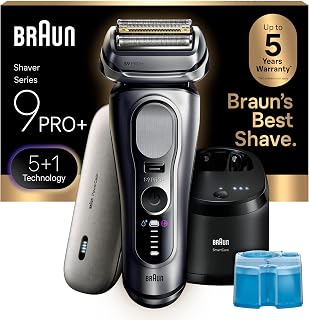





Choosing an electric shaver is less about finding the most expensive model and more about matching the shaving system to your facial hair, skin sensitivity, routine and preferred finish. A good buying decision starts with the shaving technology, then considers comfort, cleaning requirements, battery behaviour, replacement parts, wet-and-dry capability and long-term ownership costs.
For Canadian shoppers, it is also sensible to compare the complete ownership proposition rather than focusing only on the advertised purchase price. A shaver that uses readily available replacement foils, cutters or cleaning accessories can be more practical over several years than a model whose consumable parts are difficult or expensive to source.
Foil shavers use one or more perforated metal foils covering reciprocating cutting elements. Hair enters the openings in the foil while the cutters move underneath it. The shaving head is generally moved in straight strokes across the face, making foil systems particularly appealing to people who prefer a more controlled, methodical shaving technique.
Rotary shavers normally use circular cutting heads that move over the contours of the face. They are commonly used with small circular motions rather than the straight strokes associated with foil shavers.
There is no universally superior shaving technology. If you prefer a very close, structured shaving routine and typically shave short stubble, a quality foil shaver may be a logical starting point. If your face has pronounced contours or you prefer circular shaving movements, a rotary model may feel more natural.
Skin and hair characteristics matter just as much. A person with coarse, fast-growing facial hair may have different requirements from someone with fine stubble. Likewise, someone who shaves every day may value comfort and speed differently from someone who uses an electric shaver only several times a week.
A flexible shaving head can help the cutting surface remain in contact with uneven areas of the face. This can be useful around the jawline, chin and neck, where a rigid head may require more deliberate positioning.
Do not assume that maximum movement is automatically better. Some users prefer a head that provides controlled flexibility because excessive movement can make it harder to maintain a consistent shaving angle. Look at how the head moves and whether it can be locked into a preferred position when precision is important.
Wet-and-dry capability gives you more flexibility in how you shave. Depending on the manufacturer's instructions, compatible models may be used dry or with water and shaving products. This can be particularly useful for people who prefer to shave in the shower or use shaving foam or gel.
Battery specifications should be evaluated in the context of your routine. A high advertised runtime is useful, but charging convenience can be just as important. Consider whether the shaver has a charging stand, charging cable, quick-charge function, battery indicator and the type of charging connection used.
A quick-charge feature can be valuable when you discover that the battery is nearly empty shortly before shaving. A battery indicator is similarly useful because it reduces the likelihood of unexpectedly running out of power.
Some electric shavers are designed primarily for cordless use, while others may offer additional operating options. Check the exact operating instructions before buying, particularly if you want to use the shaver while travelling.
A model that cannot operate while connected to power is not necessarily a disadvantage. Cordless designs can be more convenient around a bathroom sink and can reduce cable clutter. The important consideration is whether the charging arrangement matches your habits.
Cleaning requirements can have a major impact on long-term satisfaction. Basic models may require manual brushing or rinsing according to the manufacturer's instructions, while more advanced systems may offer automated cleaning and charging stations.
Automatic cleaning can save time, but it also introduces consumables and another component that occupies counter space. Compare the convenience against the ongoing cost and availability of cleaning cartridges or solution before paying extra for the feature.
Motor speed is often presented as a major performance specification, but it should not be considered in isolation. A shaving system combines the motor, cutters, foil or rotary heads, electronics and head geometry. A higher numerical specification does not automatically mean a better shave for every user.
The cutter arrangement determines how hair is captured and cut. Foil systems can use multiple cutting elements, while rotary systems use separate circular cutter assemblies. The design can affect how efficiently the shaver handles different hair directions and facial areas.
When comparing models, pay attention to the manufacturer's description of the cutting system rather than relying solely on the number of blades or cutting elements. More components do not automatically translate into better comfort or closeness.
Some modern shavers incorporate sensors or control systems intended to respond to shaving pressure, hair density or movement. These features are designed to help balance cutting performance with comfort.
For sensitive skin, however, technique remains important. Pressing harder is not necessarily the best way to achieve a closer result. A well-matched shaver used with controlled pressure can be more comfortable than aggressively forcing a cutting head against the skin.
People prone to irritation should evaluate the entire shaving experience rather than selecting a product solely because it is advertised for sensitive skin. Friction, repeated passes, shaving pressure, hair direction and cleaning habits can all affect comfort.
Going over the same area repeatedly can increase friction without necessarily producing a meaningfully closer result. If a shaver consistently requires many passes, consider whether the model is suitable for your beard density, hair direction and shaving frequency.
Technique also matters. Stretching the skin gently in selected areas and using the movement recommended for the particular shaving technology can help improve contact without excessive pressure.
An electric shaver becomes more versatile when it includes an integrated or detachable precision trimmer. This can be useful for sideburns, moustache edges, neckline work and maintaining short facial hair.
If you maintain a beard rather than shaving completely smooth, investigate the available trimming system carefully. A shaver and a dedicated beard trimmer are not necessarily interchangeable. A shaving head is designed primarily for removing short hair close to the skin, while a trimmer is intended to leave controlled hair length.
A pop-up precision trimmer can be convenient for occasional detailing. For more substantial beard maintenance, compare its cutting width, adjustment options and intended use with your requirements.
If your routine changes between clean-shaven and short-beard styles, a multifunctional device may reduce the number of grooming tools you need. However, convenience should not come at the expense of the primary shaving performance you actually use most often.
Lower-priced models can make sense for occasional shaving, travel or users who do not require extensive features. The most important questions are whether the shaving performance is adequate, whether replacement components are available and whether the construction suits your expected usage frequency.
Mid-range models often provide a useful balance between shaving performance, comfort, battery features and convenience. This category can be attractive for everyday users who want meaningful upgrades without paying for every available premium feature.
Premium models commonly concentrate on advanced head movement, sophisticated cutting systems, sensors, displays, cleaning systems and refined ergonomics. These features can be valuable for frequent users, but their benefit depends on how you actually shave.
If you shave infrequently, a premium automated cleaning station may provide less practical value than a lower-cost shaver with simple maintenance. Conversely, someone who shaves every day may appreciate convenience features enough to justify the higher ownership cost.
Several established grooming brands operate across the Canadian market. Brand reputation should not replace model-by-model comparison, but it can help narrow the field when evaluating replacement parts, product ranges, service documentation and accessory ecosystems.
The best brand for you depends on the exact model, not simply the logo on the front. Compare the specific cutting system, replacement parts, battery arrangement, cleaning requirements and warranty terms supplied by the manufacturer for the Canadian market.
One of the most overlooked factors when buying an electric shaver is the cost and availability of replacement shaving components. Foils and cutters gradually wear because they are repeatedly exposed to hair, skin oils, moisture and cleaning processes.
Before purchasing, identify the replacement part number for the exact model and check whether the manufacturer continues to support that component. A lower initial price can become less attractive if replacement parts are difficult to obtain.
Replacement intervals vary by product and usage. Rather than treating a generic calendar interval as universal, follow the manufacturer's recommendations for the specific shaver.
Signs that components may be approaching the end of their useful life can include reduced shaving efficiency, the need for more passes, increased pulling or discomfort, visible foil damage or a noticeable change in cutting performance.
Regular cleaning helps prevent accumulated hair, skin debris and product residue from interfering with normal operation. The correct cleaning procedure depends on the shaver, so manufacturer instructions should take priority over generic cleaning advice.
For a dry-only model, do not assume that exposure to water is safe. A brush or other manufacturer-approved cleaning method may be the appropriate option. Keeping the cutting area free of accumulated hair is particularly important for maintaining consistent operation.
Water-resistant construction does not mean every component can be cleaned or stored in the same way. Follow the instructions for rinsing, drying, lubrication and charging. Avoid leaving moisture trapped in a closed storage case if the manufacturer's guidance calls for drying first.
Rechargeable batteries are consumable components, and battery performance can change over the life of an electric shaver. When comparing products, consider not only the initial runtime but also the manufacturer's information about charging, battery replacement and long-term serviceability.
Specifications such as shaving speed receive considerable attention, but everyday comfort can depend just as much on physical design. The handle should provide a secure grip, controls should be easy to reach and the weight should feel manageable during a complete shaving session.
Noise is another practical consideration. If you shave early in the morning or in a shared household, a quieter device may be preferable. Manufacturer specifications can help with comparisons when noise information is provided, but perceived sound can vary depending on the environment.
Look for a handle that can be held securely with dry or damp hands. Controls should be positioned so that changing settings does not require an awkward grip. A locking feature can also be useful when carrying the shaver in a travel bag.
Frequent travellers should evaluate more than battery runtime. A travel-friendly shaver should be reasonably easy to pack, protected from accidental activation and compatible with the electrical requirements of the destinations where it will be used.
A larger number of cutting elements may look impressive in a specification list, but blade count alone does not establish comfort or shaving quality. Head design, cutter geometry, flexibility and the way the device interacts with your facial hair all matter.
Buying an inexpensive shaver without checking the price and availability of replacement foils, cutters or heads can lead to disappointing long-term value.
Water resistance varies between products. Never rinse or immerse a model unless its documentation specifically permits the intended type of water exposure.
Displays, cleaning stations, multiple modes and advanced sensors can be useful, but they should support your routine rather than simply increase the specification list. Identify the features that solve a real problem before spending more.
Facial hair does not grow uniformly. Hair on the neck may grow in several directions, which can make some areas more difficult to shave. A shaver that performs well on the cheeks may require a different technique around the neck.
Even an advanced electric shaver may require deliberate movement in difficult areas. Trying to force the device against the skin to eliminate every remaining hair can increase irritation. Good technique and appropriate shaving frequency are important parts of the result.
When evaluating several models, use a consistent checklist rather than comparing isolated specifications.
Electric shavers and traditional razors solve the same basic grooming problem in different ways. A traditional razor can provide a very close shave but generally requires blades, shaving products and careful technique. An electric shaver can offer greater convenience and speed, particularly for people who shave regularly.
Electric shaving can also be useful when you want a quick grooming routine without preparing a sink full of shaving products. On the other hand, users who strongly prefer the feel and closeness of a traditional wet shave may not consider an electric shaver a complete replacement.
A shaver is designed primarily to cut facial hair very close to the skin, while a beard trimmer is designed to maintain a selected hair length. If your objective is to keep a short beard rather than remove all facial hair, a trimmer may be the more appropriate primary tool.
For users who alternate between clean-shaven and bearded styles, a combination of a quality shaver and a suitable trimmer can provide greater flexibility than expecting one device to perform every task equally well.
A smart buy is not necessarily the cheapest electric shaver or the model with the longest feature list. It is the model whose strengths align with your actual shaving habits while offering reasonable long-term ownership.
Electric shaver pricing can change between retailers and over time, so a good deal should be judged against the product's specifications and normal market positioning rather than an advertised percentage discount alone.
Before purchasing, compare the exact model number across trusted Canadian retailers and check whether the advertised package includes the accessories you actually need. A lower headline price can be less attractive if another package includes a charger, travel case, trimmer or other accessories that you would otherwise need to purchase separately.
Customer reviews can provide useful information, but they should be interpreted carefully. A high average rating does not tell you whether the product is suitable for your beard, skin or shaving frequency.
Look for recurring comments about comfort, closeness, battery behaviour, cleaning, durability and replacement parts. Give more weight to detailed reviews that explain the user's shaving routine and expectations than to extremely short comments that simply praise or criticize the product.
It is also useful to distinguish between a product defect and a mismatch of expectations. Complaints about a rotary shaver requiring circular movements, for example, may say more about user preference than about a technical failure.
Technique can have a significant effect on the result. Begin with a clean face and use the shaving method appropriate for the technology. Avoid excessive pressure and allow the cutting system to do its work.
For foil shavers, controlled strokes generally work better than rapidly changing directions. For rotary shavers, follow the movement recommended by the manufacturer, commonly involving small circular motions. Around the neck and jawline, take additional care because hair direction and facial contours can make these areas more difficult.
If you normally have longer stubble, check whether the shaver is designed to handle that length efficiently. Some users may benefit from trimming longer facial hair before using a close-shaving system, particularly when the device is primarily designed for short stubble.
A premium electric shaver can make sense for someone who shaves frequently, values refined ergonomics, wants advanced cleaning or cutting features, or expects to use the device for many years. The additional cost is easier to justify when the upgraded features address a real part of your daily routine.
Premium pricing is less compelling when you only shave occasionally, do not need advanced cleaning features, or are primarily looking for a simple device for short-term or travel use.
A budget electric shaver can be a sensible option for occasional grooming, backup use or shoppers who want to keep the initial investment low. The important qualification is that the model should still meet your basic requirements for comfort, cutting performance, battery operation and maintenance.
Do not evaluate a budget shaver solely by its purchase price. Check the replacement-part ecosystem and expected maintenance requirements so that the initial saving does not disappear through higher ownership costs.
Canadian shoppers should confirm that the exact product configuration is intended for the Canadian market when purchasing through a retailer or marketplace. Product names can be similar across regions while included accessories, electrical specifications, warranty arrangements and model numbers differ.
For online purchases, verify the exact model identifier, seller information, package contents and applicable Canadian warranty terms before placing an order. When comparing current deals, use the final purchase cost shown by the retailer rather than assuming that an advertised discount represents the best overall value.
There is no single best electric shaver for everyone. The right choice depends on facial hair type, shaving frequency, skin comfort, preferred shaving method, budget and maintenance preferences. Start by deciding between foil and rotary technology, then compare models within the appropriate category.
They can be worthwhile when their additional features solve problems you actually experience. Frequent shavers may value improved ergonomics, advanced head movement, sophisticated cutting systems or automated cleaning. Occasional users may get better value from a simpler model.
Neither technology is automatically better for every sensitive-skin user. Comfort depends on the specific shaving head, cutting system, pressure, shaving technique and frequency of use. Compare the exact model and avoid assuming that technology alone guarantees a more comfortable shave.
Only models specifically designed and approved for the intended wet use should be used in or around water. Check the manufacturer's instructions for the exact model rather than relying on general assumptions about electric shavers.
There is no universal replacement period. A shaver can remain useful for years when properly maintained, while shaving components may need replacement much sooner. Consider cutting performance, battery condition, physical wear and the availability of replacement parts.
Follow the manufacturer's recommended replacement schedule for the exact model. Usage frequency, hair density, cleaning practices and component wear can all influence replacement needs.
Quality electric shavers can provide a close shave, but the final result depends on the cutting system, hair length, hair direction, facial contours and technique. Users transitioning from traditional razors may also need time to adapt to the different shaving method.
Neither is universally better. Dry shaving is convenient and quick, while wet shaving can appeal to people who prefer using water and shaving products. Choose the method supported by your particular shaver and the routine you find most comfortable.
A cleaning station is worth considering if automated maintenance is genuinely valuable to you. Remember that cleaning systems can require additional space and consumables, so compare those ongoing requirements before paying a premium.
There is no single specification that determines overall performance. The shaving technology, cutter design, head flexibility, comfort, battery system, maintenance requirements and replacement-part availability should be considered together.
Many are designed for regular use, but suitability depends on the exact model and your skin and hair characteristics. If you shave daily, prioritize comfort, efficient hair capture, easy cleaning and dependable battery performance.
Not completely. A close shaver is designed to remove hair near the skin, whereas a beard trimmer is designed to leave a controlled amount of hair. Some multifunctional devices combine both capabilities, but users who regularly maintain longer beard lengths may still benefit from a dedicated trimmer.
Confirm the exact model number, shaving technology, wet-or-dry rating, battery specifications, included accessories, replacement-part availability, warranty conditions and retailer information. Compare verified customer feedback and the current total purchase cost before deciding.
The smartest electric shaver purchase is the one that fits your shaving routine rather than the one with the longest specification sheet. Start with the fundamentals: foil or rotary, daily or occasional shaving, dry or wet use, sensitivity and beard density. Then evaluate head flexibility, cutting technology, battery life, cleaning, ergonomics and replacement parts.
For Canadian shoppers, long-term value deserves particular attention. Compare the exact model, current retailer pricing, included accessories, manufacturer warranty information and ongoing consumable costs. A well-matched mid-range shaver can be a better purchase than an expensive flagship model whose advanced features you rarely use.
Before buying, compare specifications from the manufacturer, review verified customer feedback, check the current Canadian price and confirm replacement-part availability. That final comparison can help separate a genuinely smart buy from a product that simply looks attractive because of its feature list or temporary discount.