

♥ Wishlist
Compare 28 Over-Ear Headphones for Comfortable Everyday Listening products in Canada. Reviews, ratings, pros, cons and buying advice updated for October 2026.


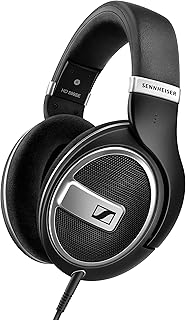


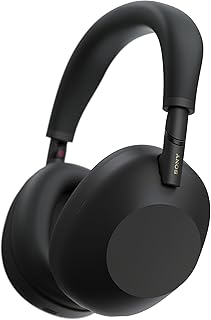


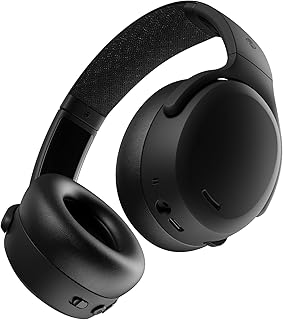

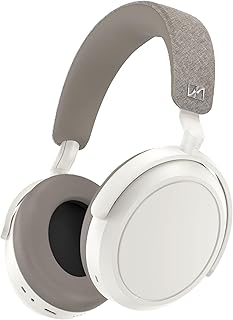


Choosing over-ear headphones involves more than comparing prices or selecting the model with the highest rating. The right choice depends on how you listen, where you use your headphones, which devices you own, and which features matter most to you. For Canadian shoppers, factors such as wireless performance, battery life, active noise cancellation, comfort, microphone quality and warranty coverage can all influence the overall value of a purchase.
A smart buying decision starts by separating essential features from specifications that sound impressive but may have little practical impact on your daily listening experience. A commuter may prioritize strong noise cancellation and comfortable ear cushions, while someone working from home may care more about microphone quality and multipoint connectivity. A music enthusiast may instead focus on driver performance, codec support and tuning.
A smart buy is not necessarily the cheapest headphone or the model with the longest feature list. It is the product that provides the right combination of performance, comfort, durability and useful features for its intended purpose.
Over-ear headphones surround the ears rather than resting directly on them. This larger design can provide more physical isolation and room for larger drivers, although the experience varies considerably between models.
On-ear headphones sit directly against the ears and are often more compact. Over-ear models generally provide larger ear cups and can be preferable for extended listening. However, their larger dimensions may make them less convenient for carrying.
True wireless earbuds are compact and convenient, particularly for commuting and exercise. Over-ear headphones are usually better suited to users who prefer a larger fit, longer listening sessions or a more substantial headphone design.
Gaming headsets commonly include a dedicated boom microphone and gaming-oriented controls. General-purpose over-ear headphones can be more versatile for music, films, travel and everyday calls, especially when paired with a suitable microphone or built-in voice system.
Active noise cancellation, commonly abbreviated as ANC, uses microphones and electronic processing to reduce certain external sounds. Its effectiveness differs between headphone models and depends on the type of noise being encountered.
ANC is particularly useful for relatively continuous sounds such as aircraft engines, road noise, ventilation systems and public transportation. It may be less effective against sudden voices, sharp sounds or irregular noises.
When comparing headphones, consider whether ANC strength can be adjusted, whether an ambient or transparency mode is available, and whether the headphones allow you to control noise cancellation without repeatedly reaching for your phone.
A transparency mode uses the external microphones to pass surrounding sounds through the headphones. This can be useful when listening in public spaces, communicating with other people or remaining aware of announcements.
The quality of ambient mode matters because poorly implemented systems can sound unnatural or distracting. If you frequently switch between isolation and environmental awareness, easy-to-use controls are an important buying consideration.
Driver size is often highlighted in headphone specifications, but a larger driver does not automatically mean better sound. Driver design, acoustic tuning, enclosure construction, digital processing and overall engineering all influence the final result.
When comparing specifications, pay attention to the complete design rather than relying on a single number. Frequency-response information can be useful, but it does not by itself predict whether a headphone will match your personal listening preferences.
Headphones with a stronger low-end presentation can appeal to listeners who enjoy electronic music, hip-hop, pop and other bass-focused genres. A more balanced presentation may be preferable for users who listen to a wide variety of music, podcasts and spoken content.
Listeners interested in acoustic recordings, classical music or detailed instrumental arrangements may prefer headphones that emphasize separation and clarity without excessive bass or treble coloration.
For most modern users, wireless connectivity is a major part of the buying decision. Bluetooth specifications can indicate supported capabilities, but compatibility depends on both the headphones and the connected source device.
Useful wireless features can include multipoint connectivity, fast pairing, stable connections and support for different Bluetooth audio codecs. Multipoint can be especially convenient for people who regularly switch between a smartphone and computer.
Before buying, check whether the desired features work across your specific devices. A feature listed in a product specification may behave differently depending on the operating system, device manufacturer and supported software.
Battery capacity should be evaluated in the context of your daily routine rather than as a standalone specification. A commuter who listens for several hours each day has different requirements from someone who uses headphones occasionally at home.
Battery claims can vary according to volume, codec, ANC settings and other usage conditions. Treat advertised figures as specification guidance rather than a guarantee of identical real-world runtime.
Comfort is one of the easiest factors to overlook when comparing headphones online. A model can have excellent specifications and still be a poor choice if the fit becomes uncomfortable after an hour.
Look at the shape and dimensions of the ear cups, the padding around the headband and the adjustment range. Users who wear glasses should also consider how the ear cushions interact with their frames because clamp pressure can affect comfort.
Weight is another consideration. A lightweight design may be easier to wear for long periods, while a heavier model may include additional hardware or larger components. Neither approach is automatically better; fit and balance are more important than weight alone.
Common ear-cup materials include synthetic leather, fabric and foam-based combinations. Synthetic leather can provide a good seal around the ears and may be easy to wipe clean, while fabric coverings can offer a different feel and breathability.
Construction around the hinges and headband deserves close attention. Folding mechanisms improve portability but introduce additional moving components. If headphones will be carried frequently in a backpack or luggage, examine the design of the hinges, included case and adjustment points.
Replaceable ear cushions can extend the practical lifespan of headphones because cushions are exposed to sweat, skin oils and repeated compression. If long-term ownership matters to you, check whether replacement pads are available and whether they can be installed without specialized tools.
Headphones intended for video meetings should not be evaluated only by their speaker performance. Microphone processing, wind handling, background-noise reduction and voice clarity can significantly affect conversations.
If you regularly use headphones for work, check whether the model is designed for voice calls and whether microphone controls are easy to access. A strong microphone can be more valuable than an additional audio feature that you rarely use.
Wireless convenience does not make wired connectivity irrelevant. A wired mode can be useful when the battery is low, when using compatible entertainment equipment, or when wireless audio is not preferred.
Check the type of wired connection provided and whether the cable is included. Also verify whether the headphones support audio playback while powered off or whether their electronics must remain active for wired listening.
When researching over-ear headphones, it can be useful to compare established brands alongside newer alternatives. Brand reputation alone should not determine a purchase, but manufacturers such as Sony, Bose, Sennheiser, JBL, Audio-Technica, Apple, Beats, Anker Soundcore and Bowers & Wilkins offer different approaches to sound, comfort, noise cancellation, connectivity and design.
The best brand for one shopper may not be the best for another. Compare the specifications and features of individual models rather than assuming that every product from a particular manufacturer offers the same performance.
A structured comparison makes it easier to identify meaningful differences between models. Start with the features you cannot compromise on, then compare secondary features and overall value.
A lower price does not automatically represent better value. If a cheaper model lacks comfortable padding, reliable connectivity or features you use every day, the initial saving may not compensate for the compromises.
A long feature list can be attractive, but unused functions have little practical value. Prioritize the features that directly improve your normal listening experience.
Even excellent sound quality cannot compensate for uncomfortable ear cups or excessive headband pressure. Always consider fit as a core buying criterion.
Driver diameter is only one part of headphone design. Sound quality depends on multiple engineering and tuning decisions, so driver size should never be used as the sole measure of performance.
Before purchasing, verify compatibility with the devices you actually use. Some advanced features may require particular operating systems, applications or supported Bluetooth capabilities.
Canadian shoppers should compare the complete purchase proposition rather than focusing exclusively on an advertised discount. Check the current price, applicable taxes, delivery terms, retailer policies and warranty information before completing a purchase.
Availability can change quickly, particularly when a model is discounted or approaching the end of its product cycle. If a particular headphone is unavailable, comparing equivalent models by features can be more useful than waiting for one specific product.
For products sold through different retailers, verify that you are comparing the same model number and configuration. Colour variants, regional packages and bundled accessories can sometimes differ.
Customer reviews can provide useful information about comfort, everyday usability and long-term ownership, but they should be interpreted carefully. Look for recurring observations rather than relying on a single highly positive or negative comment.
For travel, prioritize effective noise cancellation, comfortable ear cushions, dependable wireless connectivity and sufficient battery life. A carrying case and compact folding design can also make a substantial difference when packing.
For films, television and music at home, sound quality and comfort may be more important than maximum portability. A stable wireless connection and optional wired operation can provide additional flexibility.
Office users should focus on microphone performance, comfort, transparency mode, multipoint connectivity and effective control placement. These features can reduce friction when moving between calls and other tasks.
Music-focused buyers should spend more time considering sound signature, detail, tonal balance and personal preferences. Reviews can help identify broad characteristics, but individual listening preferences remain highly subjective.
Regular maintenance can help keep headphones comfortable and functional. Wipe appropriate exterior surfaces with a suitable dry or lightly damp cloth according to the manufacturer's care instructions. Avoid exposing electronic components to unnecessary moisture.
Store headphones in a protective case when travelling. Avoid placing heavy objects on the ear cups or bending the headband beyond its intended adjustment range. Keep charging ports and connectors free from dust and debris.
If ear cushions become compressed, damaged or difficult to clean, check whether the manufacturer provides compatible replacement components. Do not assume that every replacement cushion will maintain the original acoustic seal or fit.
A higher-priced headphone can make sense when its additional features directly address your needs. Examples include advanced noise cancellation, stronger build quality, refined comfort, sophisticated wireless features or sound characteristics that matter to your listening preferences.
However, paying more is not automatically worthwhile. Compare the specific improvements between models and ask whether you will notice or use them regularly. A mid-range model with the right features can be a smarter purchase than an expensive flagship that includes functions you do not need.
Budget over-ear headphones can be suitable for casual listening, secondary use, children, occasional travel or situations where expensive equipment could be exposed to greater wear. The important consideration is whether the essential features meet your expectations.
Rather than setting an arbitrary price target, establish the minimum requirements for comfort, battery life, sound quality and connectivity. Then compare products that satisfy those requirements.
The best option depends on your intended use, budget and preferred features. Compare sound quality, comfort, ANC performance, battery life, connectivity, microphone quality and current retailer terms before choosing.
Neither design is universally better. Over-ear headphones can be preferable for users who want larger ear cups, extended listening comfort or strong passive isolation, while earbuds offer greater portability and convenience.
ANC can be worthwhile if you frequently listen in noisy environments. For quiet home listening, it may be less important than sound quality, comfort or other features.
Battery life is particularly important for frequent wireless users. Choose a model that comfortably covers your typical listening routine and consider charging speed and wired operation as additional safeguards.
No. Price can reflect additional features, materials, engineering and brand positioning, but sound quality is subjective and individual models can differ significantly. Compare the characteristics of the specific headphones rather than relying on price alone.
Check the exact model number, technical specifications, included accessories, compatibility, warranty terms, retailer policies and current price. Customer reviews can also help identify recurring comfort or usability concerns.
Many wireless over-ear headphones are designed for calls, but microphone performance varies. If meetings are a major part of your routine, investigate voice quality and background-noise handling rather than evaluating only the speakers.
Multipoint can be highly convenient if you regularly use two devices, such as a laptop and smartphone. If you normally connect to only one source, it may be less important.
Yes. ANC is an optional electronic feature on models that support it. Many headphones can also provide passive isolation through the physical seal created by their ear cups.
Before selecting a pair of over-ear headphones, use a final checklist to make sure the product matches your actual requirements.
The strongest deal is the one that combines the features you actually need with a price that fits your budget. Instead of chasing the largest advertised discount, compare several models in the same category and identify where the differences are meaningful.
For Canadian shoppers, consider the total purchase cost and the terms attached to the transaction. Prices, promotions and availability can change, so confirm current details with the retailer before making a final decision.
Use this guide alongside current product specifications and verified customer feedback to narrow the choices. Whether your priority is travel, remote work, music, entertainment or everyday wireless listening, a feature-by-feature comparison can make it easier to identify a smart over-ear headphone purchase in 2026.