

♥ Wishlist
Compare 52 Dripless Caulking Gun Hand Tool for Cleaner, More Controlled Sealing products in Canada. Reviews, ratings, pros, cons and buying advice updated for October 2026.


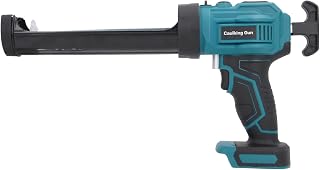


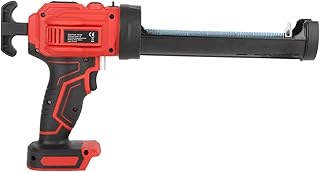





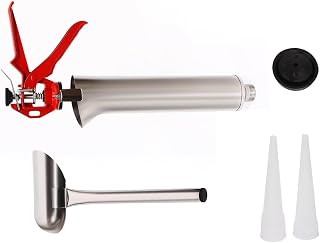

A dripless caulking gun is designed to make sealant application cleaner and easier by reducing the amount of material that continues to flow after you release the trigger. For Canadian homeowners, renovators and tradespeople, the right choice depends on more than the word “dripless.” The frame, trigger mechanism, thrust ratio, barrel design, plunger, handle comfort and compatibility with the cartridges you use all affect how effectively the tool performs.
Before comparing individual models, identify the type of caulk or construction adhesive you normally use, the cartridge size, how frequently you work with the material and whether you need a compact tool for occasional repairs or a heavier-duty hand tool for repeated applications.
A conventional caulking gun can continue pushing sealant from the cartridge after the trigger is released. This can create an unwanted bead at the end of a joint and may leave excess material around corners, fixtures or finished surfaces. A dripless design uses a mechanism intended to release or reduce pressure on the cartridge when the trigger is released.
The exact mechanism varies between models. Some designs use an automatic pressure-release system, while others rely on a trigger or plunger arrangement that minimises residual pressure. A dripless mechanism does not mean that a cartridge can never ooze material. Sealant viscosity, cartridge condition, nozzle opening, temperature and the amount of pressure applied can all influence material flow.
Thrust ratio describes the mechanical advantage provided by the caulking gun. A higher ratio generally makes it easier to push thicker materials, although the ideal ratio depends on the sealant and application.
Lower-thrust tools can be comfortable for relatively easy-flowing acrylic or latex products. More substantial construction adhesives, polyurethane products and some high-viscosity sealants can require considerably more force. A high-thrust gun can reduce hand strain when working with difficult materials, but excessive mechanical advantage is not automatically better for every job because it can make it easier to dispense material too aggressively.
Always confirm that the gun accepts the cartridge format used by your preferred sealants. A caulking gun can be mechanically excellent but inconvenient if it does not properly accommodate the cartridges you purchase.
Common cartridge formats can differ in capacity and dimensions. Some products are intended for standard cartridges, while other dispensing systems may accommodate different packaging formats. Check the manufacturer's specifications for cartridge capacity and compatibility rather than assuming that every sealant cartridge will fit every hand-operated gun.
The frame supports the cartridge and influences overall rigidity. A rigid frame can help keep the cartridge properly aligned while pressure is applied. Open-frame designs can make cartridge replacement and nozzle access convenient, whereas enclosed-frame designs may provide additional support around the cartridge.
For occasional household projects, a lightweight open-frame design can be easier to handle. For frequent construction work, look for a robust frame that feels stable when substantial trigger force is required.
Trigger comfort becomes increasingly important when applying long beads of sealant. A narrow or poorly shaped handle can create pressure points in the hand, particularly during repetitive work.
Look for a handle and trigger that allow your fingers to operate naturally without requiring excessive stretching. A comfortable grip can be particularly valuable when sealing windows, doors, bathrooms, kitchens, baseboards or other areas where long continuous beads are required.
The plunger transfers force from the trigger mechanism to the cartridge. A smooth-moving plunger can make it easier to maintain a consistent bead. Poor alignment, excessive play or a rough mechanism can make controlled dispensing more difficult.
When comparing models, consider how easily the plunger can be retracted and whether the mechanism provides enough control for the material you intend to use.
Some caulking guns include a nozzle-cutting feature. This can be convenient because it eliminates the need to find a separate cutting tool before opening a new cartridge. However, a built-in cutter is not essential if you already have a suitable utility knife or cutting tool.
More important than the presence of a cutter is your ability to create the appropriate nozzle opening. The size and angle of the opening have a direct effect on bead size and control.
Many cartridges have an internal seal that must be punctured after cutting the nozzle. Some guns incorporate a puncture rod for this purpose. It is a useful convenience feature, particularly when moving quickly between cartridges.
A rotating cartridge barrel can help maintain a more natural hand position when following corners and curved joints. This feature can be useful for professional or detailed work, although it may add complexity to the tool.
A standard manual caulking gun can be perfectly adequate for occasional projects. The main reason to choose a dripless model is improved control over material flow and reduced unwanted discharge after releasing the trigger.
For a homeowner who only applies sealant once or twice a year, spending substantially more may not be necessary. For someone who regularly works on trim, windows, doors, kitchens, bathrooms, flooring or construction joints, a better dispensing mechanism can justify the additional cost.
Manual caulking guns remain attractive because they are simple, portable and do not require batteries or charging. They are particularly practical for small repairs and occasional renovation work.
Battery-powered models can make sense for long runs or frequent professional use because the motor supplies dispensing force. However, they are generally more expensive and introduce additional considerations such as battery compatibility, charging, weight and electronic controls.
Brands such as Milwaukee, DEWALT, Makita and Ryobi offer powered tools in the broader construction-tool market, while manual caulking guns are available from numerous hand-tool manufacturers. Always compare the actual dispensing specifications and cartridge compatibility of the individual model rather than choosing solely on brand recognition.
One of the most common buying mistakes is selecting a caulking gun without considering the viscosity of the material. The same gun can feel completely different depending on what is inside the cartridge.
Many general-purpose acrylic and latex products are comparatively easy to dispense. A basic manual gun with moderate mechanical advantage can often provide sufficient control for household sealing tasks.
Silicone products can vary considerably in viscosity. A comfortable medium-thrust mechanism may be preferable when you need to maintain a consistent bead without excessive hand effort.
Some polyurethane formulations are relatively demanding to dispense. A stronger frame and higher mechanical advantage can be valuable for repeated use.
Construction adhesives can require significant dispensing force. If the product is particularly thick, a high-thrust or heavy-duty design may be more appropriate than a lightweight household gun.
Temperature is an important consideration when using sealants in Canada. Material viscosity can change substantially in cold conditions, which can make a cartridge harder to dispense. A sealant that feels easy to apply at room temperature may require significantly more trigger force when cold.
For this reason, Canadian buyers should consider both the tool and the manufacturer's application instructions for the sealant itself. Do not assume that a high-thrust caulking gun can overcome conditions in which the sealant should not be applied.
For general home renovation, versatility is usually more useful than choosing the highest possible thrust ratio. A well-built manual gun with a comfortable handle, dependable pressure mechanism and broad cartridge compatibility can cover many tasks.
Consider the types of projects you expect to complete. Bathroom and kitchen work may prioritise controlled silicone application. Trim installation may require a smooth, consistent bead. Construction adhesive can require greater mechanical advantage. Window and door projects may involve longer beads and therefore place greater importance on ergonomics.
Professionals who use a caulking gun repeatedly should evaluate the tool differently from an occasional DIY user. Durability, hand fatigue, dispensing consistency and cartridge handling can become more important than the lowest purchase price.
A good caulking gun can improve control, but the tool is only one part of the process. Surface preparation, nozzle cutting, dispensing speed and finishing technique have a major influence on the final result.
Remove loose material, dust, grease and old sealant as appropriate for the surface and product. The sealant manufacturer's preparation instructions should take priority because different materials have different adhesion requirements.
A larger nozzle opening produces a larger bead and generally requires more material. For detailed work, start with a smaller opening when appropriate. Cutting the nozzle at an angle can help guide the tip along a joint.
Try to maintain a steady trigger movement rather than repeatedly squeezing and releasing the trigger. Consistent pressure helps produce a more uniform bead.
Moving too quickly can create a thin or broken bead. Moving too slowly can deposit excessive material. Match your travel speed to the dispensing rate of the sealant.
Many sealants have a limited tooling window. Follow the product instructions and use the recommended finishing method. Avoid delaying the finishing process until the material has started forming a skin.
Dripless operation is useful, but it should not be the only selection criterion. A poorly suited thrust ratio, uncomfortable handle or incompatible cartridge can make the tool frustrating to use.
More mechanical advantage is not automatically better. Excessive dispensing force can make it harder to control the amount of material, especially when using low-viscosity products.
Always check cartridge dimensions and capacity before purchasing. This is particularly important if you already have a preferred sealant brand or formulation.
A tool that feels acceptable for a five-minute repair can become uncomfortable during a large renovation. Consider trigger resistance, grip shape, balance and overall weight.
Sealant chemistry and formulation influence dispensing force, curing behaviour and finishing technique. The gun should be selected around the materials you actually use.
Sealant residue can accumulate around the plunger, frame and nozzle area. A tool that is difficult to clean may become less pleasant to operate over time.
Caulking guns can combine stamped or formed metal, reinforced components, plastic handles and other materials. The best construction depends on the intended workload rather than material alone.
Steel can provide a rigid platform for demanding applications. It is commonly associated with heavier-duty hand tools, although the exact construction and finish vary between models.
Aluminium can offer a useful balance between structural rigidity and weight. Its suitability depends on the complete tool design rather than the frame material in isolation.
Quality polymer components can reduce weight and can be entirely suitable for certain handles, triggers and supporting parts. Buyers should assess overall construction rather than assuming that every plastic component indicates poor durability.
A heavier caulking gun may feel substantial and stable, but weight becomes an important consideration during long applications. A lightweight model can be easier to carry and maneuver, while a more robust tool may be preferable when dispensing high-viscosity materials.
For homeowners, balance can matter more than absolute weight. A tool that sits naturally in the hand can be easier to control than a theoretically lighter model with poor weight distribution.
The trigger is where the user's hand force enters the dispensing mechanism. Its shape, travel distance and resistance influence how easily you can regulate material flow.
There is no universally perfect trigger design. If possible, compare the mechanism against the materials and work duration for which the tool will be used.
Proper maintenance can help keep a manual caulking gun operating smoothly. The most important principle is to prevent cured sealant from accumulating on moving components.
The cartridge manufacturer determines the correct storage method. In general, sealing the nozzle can help limit premature curing, but the effectiveness depends on the specific sealant and nozzle design.
Do not assume that every opened cartridge can be stored indefinitely. Check the product instructions and inspect the material before reuse. If the sealant has cured inside the nozzle or cartridge, forcing it through the gun can place unnecessary stress on the mechanism.
When researching caulking guns, buyers may encounter established tool brands such as DEWALT, Milwaukee, Makita, Stanley, Irwin, Dripless and Newborn. Brand reputation can be a useful starting point, but the individual model's specifications should always determine whether it suits your project.
Compare the actual frame design, thrust ratio, cartridge capacity, trigger configuration, pressure-release mechanism, weight and included features. A recognised brand does not automatically mean that every model in its range is the best match for every sealant or user.
Customer reviews can provide useful information when used carefully. Rather than focusing only on an overall star rating, look for repeated comments about the characteristics that matter to your application.
Verified customer feedback can be especially useful when several models have similar specifications. However, individual experiences can vary, so compare recurring themes rather than relying on a single review.
Budget caulking guns can be appropriate for occasional household repairs. Prioritise basic compatibility, a functional dispensing mechanism and acceptable trigger comfort rather than paying for features you will never use.
Mid-range tools can offer a useful balance between construction quality, ergonomics and dispensing control. They are often worth considering for homeowners who undertake several renovation projects each year.
Heavy-duty manual guns are better suited to demanding sealants and frequent use. Their additional rigidity and mechanical advantage can be valuable when working with high-viscosity materials.
Specialised tools can provide advanced pressure control, rotating mechanisms or other features intended for intensive use. These features make the most sense when they address a specific workflow problem rather than simply increasing the specification list.
The best value is not necessarily the cheapest tool. A suitable caulking gun should match the materials and frequency of use closely enough that you are not fighting the mechanism during every project.
If you only need to seal an occasional gap around trim, a straightforward manual model may be sufficient. If you regularly apply construction adhesive or thick sealants, paying more for a stronger mechanism can be more sensible. Likewise, a professional who spends hours applying sealant may benefit more from ergonomic design than from a low purchase price.
A dripless model is particularly worth considering when clean stopping, controlled dispensing and reduced residual pressure are important to your work. It can be useful for detailed finishing jobs where excess sealant creates additional cleanup.
For very occasional use, however, a basic manual gun may still provide everything required. The decision should be based on the sealants you use, the amount of work you perform and the level of control you expect from the tool.
When comparing the best smart-buy dripless caulking gun hand tools in Canada for 2026, focus on suitability rather than a single headline feature. A well-matched tool should accommodate your cartridges, provide an appropriate thrust ratio, feel comfortable in the hand and offer controlled dispensing for the materials you actually use.
Before making a purchase, compare the latest manufacturer specifications, confirm cartridge compatibility and read verified customer reviews for the specific model. Check current Canadian prices and availability because retailer listings and deals can change throughout the year.
For occasional DIY work, prioritise simplicity and comfort. For renovation projects, look for versatility and consistent pressure control. For frequent professional applications, give greater weight to durability, ergonomics, mechanical advantage and long-term usability. This approach is more reliable than choosing a caulking gun simply because it has the highest rating, the highest thrust ratio or the lowest advertised price.
The best option depends on the type of sealant, cartridge format, project frequency and budget. For general home use, look for a comfortable manual design with appropriate thrust, reliable pressure control and compatibility with the cartridges you commonly purchase.
They can provide better control by reducing continued pressure on the cartridge after the trigger is released. Whether the difference is worthwhile depends on how frequently you use the tool and how important clean dispensing is for your projects.
Choose a thrust ratio based on the material you intend to dispense. Easy-flowing sealants generally require less mechanical advantage, while thicker sealants and construction adhesives can benefit from a higher ratio.
Many manual caulking guns can be used with silicone cartridges when the cartridge dimensions and dispensing requirements are compatible. Always verify the tool and sealant manufacturer's specifications.
A heavy-duty gun with greater mechanical advantage can make thick adhesive easier to dispense. However, the exact thrust requirement depends on the formulation, cartridge and working temperature.
Cold temperatures can increase the viscosity of some sealants, making them harder to dispense. Follow the sealant manufacturer's temperature requirements rather than relying on the caulking gun to compensate for unsuitable application conditions.
No. A rotating barrel is an optional convenience feature. It can be useful when following corners, curves or changing directions, but a conventional fixed barrel can work very well for straightforward applications.
A manual model is usually appropriate for occasional work and offers simplicity without charging requirements. A battery-powered model may be more suitable for frequent or extended applications where reducing repetitive hand effort is important.
Use the correct nozzle opening, maintain steady pressure, move at a controlled speed and release pressure appropriately when finishing a bead. Keeping the gun clean and following the sealant manufacturer's application instructions can also help.
Clean accessible sealant residue after each project or whenever buildup begins to interfere with the mechanism. Fresh residue is generally easier to remove than cured material, but the correct cleaning method depends on the tool and sealant.
Check cartridge compatibility, thrust ratio, frame construction, trigger ergonomics, weight, pressure-release design and useful accessories. Also consider the sealant's recommended working temperature and your expected frequency of use.
No. A more expensive model is worthwhile only when its construction or features solve a genuine need. For occasional household work, a simpler tool may provide better value, while frequent users may benefit from improved durability and ergonomics.