

♥ Wishlist
Compare 26 Cordless Vacuums for Convenient Home and Everyday Cleaning products in Canada. Reviews, ratings, pros, cons and buying advice updated for October 2026.
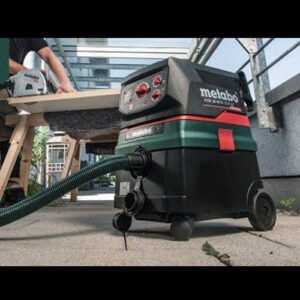
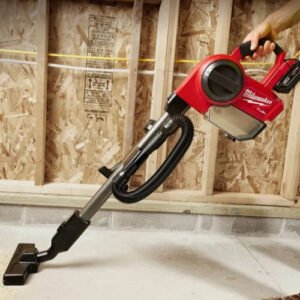


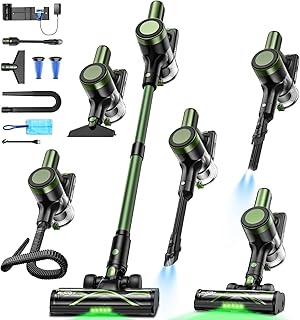

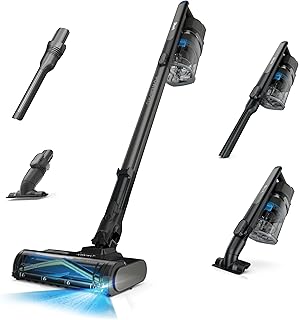


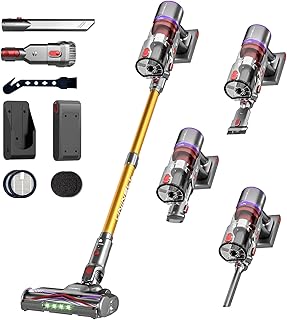


Choosing a cordless vacuum is less about finding the machine with the longest advertised runtime or the highest headline suction number and more about matching the vacuum's design to the way your home is actually cleaned. Canadian shoppers should consider flooring, carpet thickness, pet hair, home size, storage space, battery behaviour, filtration, dustbin capacity, attachments and the ongoing cost of replacement filters, batteries and other consumables.
Cordless stick vacuums are particularly useful for quick daily cleaning because they eliminate the need to find an outlet and manage a power cord. They are also convenient for stairs, vehicles, upholstery, kitchen messes and other areas where a full-size vacuum can feel cumbersome. However, convenience does not automatically mean every cordless model is suitable as the only vacuum in a large home.
Current Canadian buying guides continue to distinguish cordless models by floor type, cleaning performance, portability, battery life and filtration rather than by a single specification. That is an important principle when comparing deals: a discounted vacuum is only a smart buy if its capabilities match your cleaning requirements.
A smart buy should deliver the right combination of cleaning performance, usability, durability, accessories and ownership costs for your household. The lowest price is not necessarily the lowest total cost, particularly if an inexpensive vacuum has a small dustbin, limited battery capacity or difficult-to-source replacement parts.
Cordless and corded vacuums solve different problems. A cordless model prioritizes mobility and convenience, while a corded vacuum can be more appropriate for extended cleaning sessions where uninterrupted power is important.
For a small apartment, condo or home where frequent five- to fifteen-minute cleanups are common, cordless convenience can be more valuable than maximum capacity. A cordless model is also easier to grab for crumbs after meals, tracked-in dirt near an entrance or pet hair on furniture.
For a large house with substantial carpet, frequent deep cleaning or long cleaning sessions, a corded upright or canister vacuum may remain a useful complement. There is no requirement for one machine to perform every cleaning task.
Battery runtime is one of the most misunderstood cordless vacuum specifications. A manufacturer may quote a maximum runtime using a low-power setting and a particular attachment. Actual cleaning time can be substantially shorter when using a motorized floorhead or a higher-power mode.
This matters particularly in Canadian homes with carpet, rugs or pets. Higher suction settings can consume substantially more battery power, so a vacuum advertised with a long maximum runtime may not provide that same duration during demanding cleaning.
When comparing models, look for information about:
For a small home with predominantly hard floors, moderate runtime may be perfectly adequate. A larger property or a home with thick carpeting may justify a model with a removable battery or an additional battery option.
The ideal cordless vacuum for hardwood is not necessarily the ideal cordless vacuum for thick carpet. Floorheads are engineered around different cleaning requirements, and the brushroll design can have a major effect on performance.
For hard floors, look for a floorhead that can pick up fine dust and larger debris without aggressively scattering particles. A soft roller or a floorhead specifically designed for bare surfaces can be useful, particularly when fine dust is a major concern.
It is also worth checking whether the brushroll can be controlled or switched off when appropriate. The correct tool can reduce the chance of pushing debris around rather than collecting it.
Low-pile carpet generally benefits from a powered brushroll that agitates the fibres while suction removes loosened debris. A vacuum that automatically detects floor type can be convenient, but shoppers should still examine the actual floorhead design and available cleaning modes.
Thicker carpet can require more aggressive agitation and stronger cleaning performance. A lightweight cordless vacuum may be comfortable to use but still struggle if the floorhead cannot maintain effective contact with the carpet.
If most of your home consists of thick carpet, do not select a cordless vacuum solely because it is compact or heavily discounted. Examine its powered brush design, suction settings and battery performance under demanding conditions.
Rugs introduce another consideration: a powerful floorhead can sometimes make lightweight rugs difficult to manoeuvre. Adjustable suction or different floor modes can make cleaning easier. If your home contains a mixture of hardwood and rugs, a versatile multi-surface floorhead is often more practical than a highly specialized carpet head.
Pet owners should evaluate more than suction power. Hair can wrap around brushrolls, collect around bearings and quickly fill a small dustbin. A suitable pet-focused cordless vacuum should therefore combine effective agitation with a brushroll designed to reduce tangling.
Brands such as Dyson, Shark, Tineco and Miele offer cordless models across different feature levels, but brand recognition alone should not determine the purchase. Compare the particular model, included floorheads, battery arrangement and replacement-part ecosystem.
Filtration is particularly important when vacuuming fine dust, pet dander and other small particles. A vacuum can collect debris effectively while still requiring careful attention to how air is filtered before being exhausted back into the room.
When comparing filtration claims, distinguish between a filter component and the complete filtration system. A HEPA-labelled filter is useful information, but the overall design also matters. Check whether the manufacturer describes a sealed system and whether filters can be removed and maintained according to the instructions.
For households prioritizing dust containment, a hygienic emptying mechanism can also be valuable. If emptying a dustbin releases a visible cloud of dust, the benefit of collecting that material is reduced from a practical household perspective.
Manufacturers may present suction-related specifications using different measurements and test conditions. Numbers such as air watts, pascals or motor wattage should therefore not be treated as directly interchangeable across brands.
Real cleaning effectiveness depends on the interaction between the motor, airflow, floorhead seal, brushroll, filtration and surface. A vacuum with a powerful motor can still be inconvenient or inefficient if its floorhead performs poorly on the surfaces in your home.
For commercial investigation, compare the complete cleaning system rather than asking only which vacuum has the highest advertised suction number.
A cordless vacuum with a compact body usually has less dust capacity than a traditional upright or canister vacuum. That is not necessarily a disadvantage, but it becomes important in homes with pets or heavy debris.
Never assume that every filter or component is washable. Follow the particular model's maintenance instructions because moisture inside an unsuitable filter or motor assembly can cause damage.
Weight should be considered alongside balance. Two vacuums with similar total weights can feel completely different because the motor and battery may be positioned differently.
If you frequently clean stairs, curtains, shelves, car interiors or ceilings, pay close attention to handheld weight and where the centre of gravity sits. A vacuum that feels comfortable on the floor can become tiring when held away from the body.
Controls also matter. Check whether the vacuum requires continuous trigger pressure, uses a power button, or offers selectable modes. The most convenient control system depends on how long and how frequently you clean.
A large accessory bundle may look impressive, but the value comes from whether the tools solve problems you actually have.
Before buying, check exactly which attachments are included with the Canadian package. Product names can be similar while the accessory bundle differs between configurations or retailers.
Modern cordless vacuums increasingly include sensors, automatic power adjustment, floor detection, dust sensors, displays and other electronic features. These can improve convenience, but they should be evaluated according to practical benefit rather than novelty.
If two otherwise comparable models have a large price difference, ask whether the smart features will materially change your cleaning routine. Spending more for technology that you rarely use may not represent good value.
Some cordless stick vacuums now include docking systems that automatically empty the vacuum's dustbin. This can make frequent cleaning more convenient and reduce direct contact with collected dust.
However, an auto-empty system adds another piece of equipment to store and maintain. Before paying extra, consider the dock's footprint, bag or container requirements, filter maintenance, noise during emptying and the availability of replacement consumables.
For households that vacuum several times a week, automatic emptying can be a meaningful convenience. For occasional users, a straightforward wall-mounted or freestanding charger may offer better value.
A cordless vacuum is ultimately a battery-powered appliance, so battery longevity should be part of the purchase decision. Even an excellent vacuum becomes less convenient if its battery performance declines and replacement options are unavailable or difficult to obtain.
Before buying, investigate whether the battery is removable, whether replacement batteries are offered for the specific Canadian model and whether the manufacturer provides clear maintenance guidance.
Also consider the availability of filters, brushrolls and other wear components. A lower purchase price can lose its advantage if essential replacement parts are difficult to source.
Canadian shoppers should verify that they are comparing the Canadian version of a product rather than assuming that an identically named model sold in another market has the same package, charger, accessories or warranty arrangements.
Canada uses 120V/60Hz household electricity, but shoppers should still verify the exact electrical and regulatory information on the product intended for the Canadian market. Product documentation, packaging and retailer listings can also differ by region.
When comparing deals, check whether the listed price is in Canadian dollars, whether the product is sold and supported for the Canadian market, what accessories are included, and whether the model number matches the manufacturer's Canadian documentation.
A discount percentage can be useful, but it should never be the only reason to buy. A model advertised as a major deal may simply be an older configuration, a package with fewer accessories or a product whose regular reference price varies between retailers.
Use a feature-first comparison process:
Maximum runtime does not necessarily represent cleaning time with a powered floorhead at high suction. Compare runtime claims in context.
A high number does not guarantee the best floor cleaning. Floorhead design, airflow, agitation and filtration all influence results.
A lightweight vacuum optimized for hard floors may not be the right primary machine for a heavily carpeted home.
Battery accessibility can have a major effect on the practical lifespan of a cordless appliance.
An extensive attachment collection can increase the price without adding meaningful value if your cleaning routine is simple.
Pet owners and larger households can quickly fill small bins, resulting in frequent interruptions.
Closely related model names can represent different bundles. Compare model numbers and included accessories rather than relying on product photographs alone.
Prioritize low weight, easy storage, good manoeuvrability, adequate battery life and a compact charging arrangement. A very large dustbin or multiple batteries may be unnecessary unless you have pets or extensive carpeting.
Look for a durable multi-surface floorhead, practical dustbin capacity, reliable battery performance and attachments for furniture and stairs. Easy maintenance becomes particularly valuable when the vacuum is used frequently.
Prioritize brushroll design, anti-tangle features, filtration, pet attachments and battery capacity. If hair is embedded deeply in carpet, place greater emphasis on powered agitation and sustained cleaning performance.
A soft or bare-floor-focused cleaning head, good fine-dust pickup and lightweight handling may be more valuable than extreme carpet-oriented agitation.
Look for a genuinely versatile multi-surface floorhead, adjustable power and practical transitions between hard flooring and carpet.
Prioritize handheld ergonomics, a compact motorized tool, crevice attachment and manageable weight. Battery convenience is especially useful when moving between locations without nearby outlets.
Brand can be a useful starting point, but the individual model should remain the deciding factor. Dyson is widely associated with premium cordless technology and advanced sensing features. Shark offers a broad range of cordless designs with an emphasis on multi-surface cleaning and convenience features. Tineco has a substantial selection of smart cordless and floor-cleaning products, including models with automated features. Miele is known for premium floor-care engineering and also offers cordless stick designs.
Other brands can also offer compelling alternatives depending on the specific model, local pricing and replacement-part ecosystem. The objective is not to select the most famous name but to find the configuration that best fits your cleaning requirements.
Customer reviews can reveal practical issues that specifications do not always explain, but they should be interpreted carefully. Instead of focusing on the overall star rating alone, look for recurring comments about battery performance, floorhead behaviour, hair tangling, dustbin capacity, charging, noise, ergonomics and filter maintenance.
Pay particular attention to reviews from customers with a similar home environment. A person living in a small hardwood-floor apartment may have very different expectations from someone cleaning a large carpeted home with several pets.
Also distinguish between comments about the product itself and complaints related to delivery, packaging or retailer service. For an independent buying decision, recurring product-specific feedback is usually more useful.
Regular maintenance is essential because airflow restrictions can reduce cleaning performance and increase strain on the vacuum. The exact maintenance schedule varies by model, so always follow the manufacturer's instructions.
Technique can make a surprisingly large difference. On carpet, slower passes can give the brushroll and suction system more opportunity to remove embedded debris. On hard floors, use the appropriate floorhead and avoid unnecessarily high power when a lower setting already provides sufficient pickup.
Break large cleaning jobs into manageable sections when battery capacity is limited. Regular quick cleaning can also prevent debris from accumulating deeply in carpet fibres, reducing the need to operate continuously at maximum power.
Use the correct attachment rather than trying to force the primary floorhead into every space. A crevice tool or small motorized attachment is often more effective and easier to control around furniture, stairs and upholstery.
A cordless stick vacuum can be an excellent everyday cleaner, but some households benefit from a second vacuum. Large homes with extensive carpeting, frequent deep-cleaning requirements or demanding debris loads may be better served by combining a convenient cordless model with a full-size corded vacuum.
This two-vacuum approach can also extend the usefulness of each machine. The cordless vacuum handles daily spills, crumbs, pet hair and quick touch-ups, while the larger machine handles longer or more intensive sessions.
There is no single best cordless vacuum for every Canadian household. The right choice depends on flooring, carpet, pets, cleaning frequency, home size, battery requirements, filtration and budget. A premium model may be worthwhile for demanding cleaning, while a simpler model can be the smarter choice for occasional hard-floor touch-ups.
Many cordless vacuums are designed for carpet, but performance varies significantly between models. If carpet is your dominant flooring, prioritize a strong powered floorhead, effective agitation, appropriate suction settings and sufficient battery capacity rather than choosing solely on weight or maximum runtime.
Battery life depends on the model, cleaning mode, attachment and battery condition. Manufacturer maximum-runtime figures generally represent specific low-power conditions, so actual cleaning time can be shorter when using motorized tools or higher suction.
A high-quality filtration system can be valuable for homes concerned about fine dust and pet dander. When comparing models, look beyond the word HEPA and consider the overall filtration design, filter maintenance and how dust is contained during bin emptying.
They can be, particularly when premium features solve a real problem in your home. Longer useful runtime, better floorheads, advanced filtration, replaceable batteries, stronger ergonomics or convenient automation can justify a higher cost. However, paying more for features you will not use is not automatically good value.
Neither should be considered independently. A vacuum needs sufficient cleaning performance for your floor type and enough practical battery capacity to complete the work. For carpet and pet hair, cleaning performance may deserve greater priority; for a small hard-floor home, portability and convenient runtime may matter more.
An auto-empty station can be worthwhile if you vacuum frequently and want to minimize manual bin emptying. If you clean only occasionally or have limited storage space, the additional cost and dock footprint may not provide enough benefit.
Many are, provided the floorhead and brushroll are designed to handle hair effectively. Pet owners should also consider a motorized mini tool, anti-tangle technology, filtration and dustbin capacity.
Compare the exact model number, Canadian package, included accessories, battery configuration and current retailer pricing. A genuine smart buy is determined by total usefulness and ownership value rather than the largest advertised percentage discount.
All four brands have cordless products aimed at different users and price levels. Rather than selecting a brand in isolation, compare the specific models that fit your budget and evaluate their floorheads, battery arrangements, filtration, accessories, maintenance requirements and Canadian availability.
The best smart buy cordless vacuum for Canada is the one that fits your home rather than the one with the most impressive specification sheet. Start with the surfaces you clean most often, then work through battery requirements, floorhead design, pet-hair performance, filtration, dustbin capacity, ergonomics and maintenance.
Before committing to a deal, verify the exact model number and Canadian configuration, compare current prices from reputable retailers, read recent customer feedback and check the availability of replacement batteries and filters. This approach helps separate genuine value from discounts that look attractive but do not improve the ownership experience.
For August 2026 and throughout the 2026 buying season, treat prices, promotions, inventory and retailer-specific packages as changeable. Recheck the current listing immediately before purchase, and compare the complete specification rather than relying on a headline deal price.