

♥ Wishlist
Compare 52 Compact Pipe Cutters for Precise, Convenient Pipe Cutting products in Canada. Reviews, ratings, pros, cons and buying advice updated for October 2026.


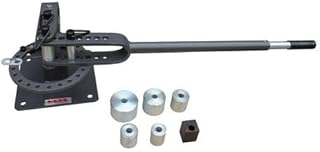


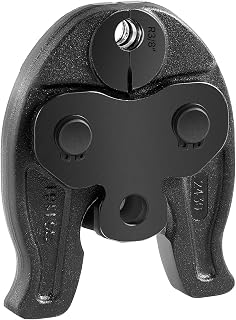


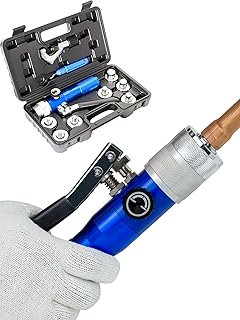


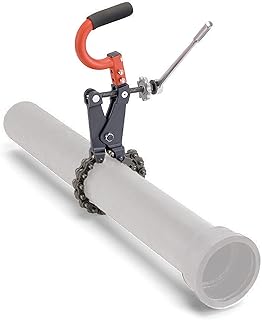


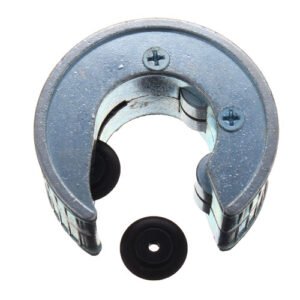
A compact pipe cutter is useful when access is limited, the pipe is close to a wall or fitting, or a full-size cutter would be awkward to position. For Canadian buyers, the right choice depends less on overall size alone and more on the pipe material, outside diameter range, cutting-space limitations, adjustment mechanism and expected frequency of use.
Before comparing compact pipe cutter deals, identify the exact tubing or pipe you intend to cut. Copper, brass, aluminium, thin-wall metal tubing, plastic and other materials can require different cutter designs and cutting-wheel specifications. A cutter intended for one application should not automatically be assumed suitable for another.
The primary advantage of a compact pipe cutter is access. Standard cutters generally provide a larger handle or frame, making them easier to grip and adjust, while compact models are designed to work in tighter spaces. That difference can be especially important for plumbing repairs where a pipe cannot easily be removed from its installed position.
Do not assume that the smallest cutter is automatically the best buy. An extremely compact design may have a narrower capacity range or require more adjustment during cutting. For occasional household repairs, that may be acceptable; for repeated plumbing or mechanical work, a more robust mechanism can be worth considering.
One of the most common buying mistakes is selecting a cutter based only on diameter. The cutting wheel and cutter construction must also be appropriate for the material being cut.
Copper is a common plumbing material, and a suitable tubing cutter can produce a cleaner, more controlled cut than many general-purpose tools. The cutter should be matched to the pipe's outside diameter and intended application. A properly adjusted cutter should score progressively rather than being forced aggressively through the material.
Soft metallic tubing can generally require a different approach from harder materials. Excessive pressure can deform thin-wall tubing or leave an unnecessarily pronounced ridge inside the cut. Check the manufacturer's stated material compatibility before using a compact cutter on brass or similar tubing.
Aluminium is relatively light, but its cutting characteristics vary with alloy and wall thickness. A suitable sharp cutting wheel and controlled adjustment are important. Avoid treating all aluminium tubing as equivalent simply because the outside diameter matches the cutter's capacity.
Many compact pipe cutters are specifically designed for plastic, while others are intended for metal tubing. Plastic-cutting tools may use a blade rather than the small rolling wheel found on a traditional metal tubing cutter. Always verify compatibility rather than assuming that a metal pipe cutter is suitable for PVC, CPVC or other plastic products.
When evaluating compact pipe cutter deals in Canada, compare the specifications rather than relying on the product title alone.
Capacity normally refers to the range of outside diameters the cutter is designed to handle. Measure the pipe or tubing before shopping and leave some margin if you expect to work with more than one size.
A cutter with a very broad advertised range can be attractive, but a broader range does not necessarily mean that it will perform equally well on every diameter. If most of your work involves one particular tubing size, a tool optimized for that application may be more practical.
Check the physical dimensions of the tool, not just the advertised word "compact." A cutter may have a small body while still requiring substantial clearance around the adjustment knob. In confined plumbing locations, the complete operating envelope matters.
The cutting wheel is a critical wear component. Look for clear information about the wheel material, compatibility and whether replacement wheels are available. A replaceable wheel can make more sense for frequent users because the cutter does not necessarily need to be discarded when the cutting edge eventually wears.
A smooth adjustment mechanism makes it easier to control cutting pressure. Some designs use a conventional screw mechanism, while others use alternative compact or ratcheting arrangements. The important consideration is whether the mechanism lets you progressively increase pressure without excessive force.
Small cutters have limited room for conventional handles. Consider whether you can comfortably turn or operate the tool while wearing work gloves. A tool that is technically compact but difficult to manipulate can slow down a repair.
Inspect the frame, adjustment components and wheel mounting arrangement when comparing models. For occasional DIY work, a lightweight construction may be sufficient. Professional or frequent users may place greater value on rigidity, serviceability and replaceable components.
Cut quality affects what happens after the pipe has been separated. A suitable cutter should produce a controlled cut without unnecessarily crushing or distorting the tubing.
After cutting metal tubing, inspect the end carefully. The cutting operation can create an internal burr or raised edge. Depending on the plumbing or mechanical application, deburring may be necessary before joining or installing the tube. A separate deburring tool or an integrated deburring feature can therefore be a useful consideration when comparing cutter designs.
Not every extra feature provides meaningful value. Prioritize features that directly improve the type of work you expect to perform.
A conventional tubing cutter usually needs to rotate around the pipe. That can become difficult when only a small amount of clearance is available. A ratcheting or restricted-access design can reduce the amount of movement required during operation.
However, the operating mechanism should be evaluated carefully. A more complicated design may have additional moving components and a different learning curve. If your workspace provides adequate clearance, a conventional compact cutter may be simpler and easier to maintain.
For occasional household plumbing projects, start by identifying the pipe material and diameter most likely to be encountered. Then determine whether you need a general compact cutter or a restricted-access model.
For a homeowner who performs only occasional repairs, paying substantially more for specialized professional features may not provide much practical benefit. Conversely, a tradesperson who uses the tool frequently should place greater emphasis on durability, wheel replacement and consistent adjustment.
Professional users should evaluate the cutter as a working tool rather than simply as an inexpensive accessory. Repeated cutting puts more demands on the adjustment mechanism, wheel, frame and operator ergonomics.
Consider whether replacement wheels are readily identifiable, whether the mechanism can be maintained and whether the tool's capacity matches the majority of your jobs. A compact cutter that performs reliably within a narrower range can be more useful than a larger-capacity tool that is awkward to operate in the spaces encountered most often.
Brands such as RIDGID, Milwaukee, DEWALT and Klein Tools are established names in the broader hand-tool market, but the reputation of a brand should not replace checking the specifications of the individual cutter. Different models within the same brand can have substantially different capacities, mechanisms and intended applications.
A matching diameter is only one requirement. Material compatibility, wall thickness and cutter design can also affect suitability.
A tool can be physically small but still require enough room to rotate or adjust. Measure the available space around an installed pipe whenever possible.
Low initial cost can be less attractive if the cutting wheel wears quickly or cannot be replaced. For occasional use this may be unimportant, but frequent users should investigate long-term serviceability.
There is no universal guarantee that a single compact cutter will be appropriate for copper, steel, plastic and every other tubing material. Specialized tools exist for a reason.
Two tubes can share the same outside diameter while having different wall thicknesses. Check the tool's intended application rather than relying exclusively on external dimensions.
More force is not necessarily better. Excessive tightening can distort tubing and increase wear on the cutting wheel. Controlled, progressive adjustment is generally the better approach for compatible tubing.
The exact procedure varies by tool, so the manufacturer's instructions should take priority. For a conventional compatible tubing cutter, the general process involves positioning the wheel on the pipe, applying controlled pressure, rotating the cutter and progressively tightening the adjustment mechanism.
Even a simple hand tool benefits from basic maintenance. After use, remove metal debris and inspect the cutting wheel for visible damage or excessive wear. Keep moving parts clean and follow the manufacturer's recommendations for lubrication where applicable.
Store the cutter somewhere dry and protected from unnecessary moisture. Canadian workshops and garages can experience substantial seasonal changes in temperature and humidity, so avoiding prolonged exposure to damp conditions can help protect metal components from corrosion.
If the cutter begins producing increasingly rough cuts, slips during operation or requires unusual force, inspect the wheel and adjustment mechanism rather than continuing to increase pressure. A worn or damaged component may need replacement.
The lowest advertised price is not always the best overall value. When comparing compact pipe cutter deals, consider the complete ownership proposition: cutter construction, compatible pipe sizes, cutting-wheel availability, included accessories and expected frequency of use.
When shopping in Canada, compare the current specifications and customer feedback for the exact model rather than relying on reviews of a similar-looking cutter. Product listings can change, and different versions may have different capacities or included components.
Customer reviews can provide useful information, but they should be interpreted alongside manufacturer specifications. Look for comments that address the actual characteristics that matter to your intended use.
Give more weight to detailed reviews describing a specific application than to very short comments that simply praise or criticize the product. Also distinguish between complaints about unsuitable use and genuine concerns about the tool itself.
Use this checklist when narrowing down several models:
Several established tool manufacturers offer pipe-cutting equipment across different professional and DIY categories. RIDGID is particularly associated with plumbing and pipe tools, while Milwaukee, DEWALT and Klein Tools have broad tool portfolios that include products relevant to plumbing and maintenance work.
Brand recognition can be a useful starting point, but it should not be treated as proof that every model is appropriate for every application. Compare the exact model number, cutting capacity, compatible materials, construction and replacement-part options before making a purchase.
Use the cutter only for materials and applications specified by its manufacturer. Wear appropriate eye protection when cutting tubing, particularly where metal particles or debris could be generated. Keep hands clear of the cutting area and secure the workpiece appropriately.
For plumbing systems involving pressurized, heated or otherwise hazardous services, isolate and make the system safe before cutting. If you are uncertain about the pipe's contents, pressure or installation requirements, obtain qualified professional assistance rather than treating the task as a routine DIY cut.
A compact pipe cutter is designed to cut compatible pipe or tubing while occupying less space than many conventional cutters. Its smaller form can be particularly useful for repair work and installations where access is restricted.
Look for compatibility with your pipe material, the correct diameter range, suitable wall-thickness capability, a practical adjustment mechanism, adequate working clearance and construction appropriate for your expected frequency of use.
Many compact tubing cutters are designed for copper, but suitability depends on the exact model. Check the manufacturer's specifications for compatible materials and pipe dimensions before cutting.
Only use a compact cutter on plastic when the specific tool is designed for that material. Plastic pipe cutters often use a different cutting mechanism from metal tubing cutters.
Neither design is universally better. Ratcheting mechanisms can be advantageous where rotational clearance is limited, while conventional cutters can be straightforward to use where sufficient space is available.
Many cutters use replaceable cutting wheels or blades, but replacement availability varies by model. If you expect frequent use, check replacement-part availability before purchasing.
A rough cut can result from a worn or damaged cutting wheel, unsuitable material, incorrect adjustment, poor alignment or excessive pressure. Check the manufacturer's instructions and inspect the cutter before continuing.
Use a cutter designed for the material and wall thickness, position it correctly and increase cutting pressure gradually. Excessive tightening can deform tubing instead of producing a clean cut.
Not necessarily. Occasional users should first determine the required material and capacity, then compare ease of use, durability and total cost. Professional-grade construction becomes more valuable when the cutter will be used frequently or in demanding working conditions.
They can be useful for homeowners who perform plumbing or maintenance work involving compatible tubing. Their small size also makes them convenient to store, although the appropriate cutter depends on the pipe sizes and materials encountered in your home.
The best compact pipe cutter is the one that matches the actual job rather than the one with the smallest dimensions or lowest advertised price. Start with pipe material and outside diameter, then consider wall thickness, available clearance, cutting-wheel design, adjustment mechanism and long-term serviceability.
For Canadian shoppers, compare the exact model specifications and current customer feedback before purchasing. Check whether the listing corresponds to the intended version, confirm the included components and verify that the tool is designed for your particular application. Comparing several suitable models side by side can help identify the best balance of access, cutting performance, durability and overall value.
For the latest buying decisions in 2026, treat product availability, pricing, ratings and retailer information as changeable details. Review the current Canadian listing and verified customer feedback immediately before purchase rather than relying on an older deal, cached price or general product description.