

♥ Wishlist
Compare 23 Grass Shears for Precise Lawn & Garden Trimming products in Canada. Reviews, ratings, pros, cons and buying advice updated for October 2026.
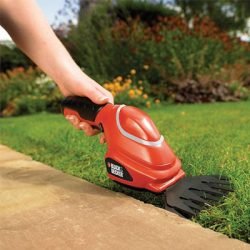
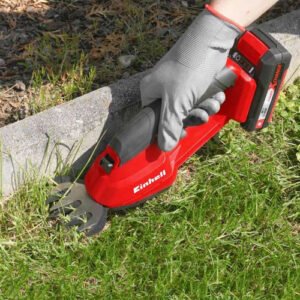
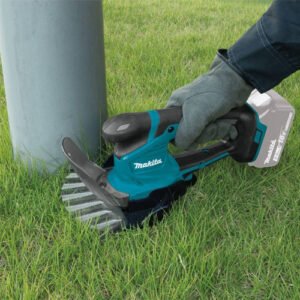
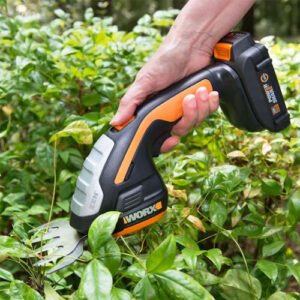


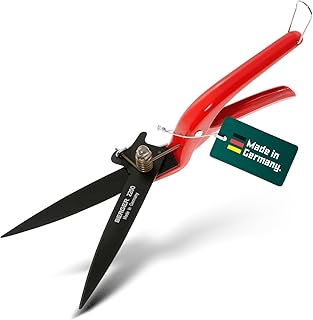


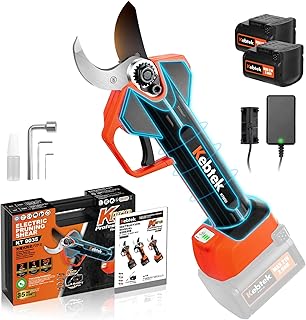


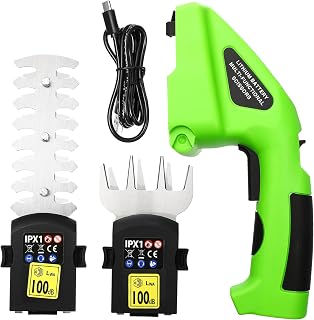


Finding the right grass shear is less about choosing the cheapest tool and more about matching the cutting system, handle design, power source, blade quality and intended workload to the way you maintain your garden. A compact grass shear can be an excellent finishing tool for areas that a lawn mower cannot reach, including around flower beds, paving, trees, garden edging and fence lines. However, different models are designed for very different levels of use.
For Canadian gardeners, the buying decision also deserves a little extra attention. Seasonal conditions can range from dry summer lawns to damp spring growth, while battery-powered tools may need different storage and charging practices during colder months. A tool that works well for occasional edging may not be the right choice for frequent trimming across a larger property.
This 2026 buying guide focuses on the features that matter when comparing grass shears, including cordless models, manual shears, interchangeable cutting attachments, rechargeable batteries, blade systems, ergonomics, runtime, charging requirements and long-term maintenance. The aim is to help you compare specifications and identify a sensible option for your particular garden rather than simply selecting a product because it has a low price.
Grass shears are compact cutting tools designed primarily for trimming grass in places where a conventional lawn mower or larger grass trimmer is inconvenient. Their small cutting head provides greater control around delicate landscaping and confined spaces.
Typical applications include finishing grass around borders, trimming underneath shrubs, tidying narrow strips beside paths and maintaining areas around garden ornaments. Depending on the model and attachment, some cordless garden shears can also be used for light hedge or shrub trimming.
They should not normally be treated as a replacement for a full-size lawn mower or heavy-duty brush cutter. Long, thick, woody or heavily overgrown vegetation can exceed the intended cutting capacity of a compact shear. Using a small tool beyond its design limits can reduce cutting performance and place unnecessary strain on the mechanism or battery.
Grass shears and grass trimmers overlap in purpose, but their designs are significantly different. Grass shears generally provide precise, controlled cutting close to the ground. Grass trimmers are designed to cover larger areas more quickly and often use a rotating line or blade.
If most of your lawn can already be maintained with a mower, a compact grass shear can fill the gap between mowing and detailed hand trimming. If you regularly deal with tall weeds or extensive overgrowth, a larger cordless or petrol grass trimmer is likely to be more appropriate.
One of the first decisions is whether you want a traditional hand-operated shear or a battery-powered model. Both approaches have advantages.
A cordless model generally makes more sense when convenience and repeated use matter. A manual model can remain the smart choice when the workload is small and you want the simplest possible tool.
Product descriptions can contain numerous specifications, but not every specification has equal importance. When comparing grass shears, concentrate on the features that directly affect cutting performance, comfort, maintenance and ownership costs.
Blade width affects how much grass can be cut with each pass. A wider cutting head can improve productivity when trimming larger areas, while a narrower head can provide greater control around tight spaces and landscaping.
Do not automatically assume that a wider blade is better. If your main task involves detailed edging around flower beds, trees and paving, manoeuvrability may be more valuable than maximum cutting width.
Blade material is important because the cutting edges must remain sufficiently sharp for clean trimming. Stainless steel and hardened steel are common choices in garden cutting tools, although the exact material and treatment vary by manufacturer.
Look for clear information about blade construction rather than relying solely on marketing phrases such as premium or professional. A replaceable blade can also be valuable because it may extend the useful life of the tool when the original cutting attachment becomes worn.
Replacement availability is an often-overlooked buying consideration. A low-cost tool may become less attractive if replacement blades are difficult to source or disproportionately expensive.
Before buying, check whether the manufacturer identifies compatible replacement blades or cutting heads. This is particularly important for combination tools that rely on proprietary attachments.
Cutting capacity describes the type and approximate thickness of vegetation a tool is intended to handle. Grass shears generally have a much smaller cutting capacity than hedge trimmers or brush cutters.
For grass, the most important question is whether the tool is designed for short lawn growth and edging rather than thick stems. If a product includes a shrub blade, check its stated limitations separately. A shrub attachment does not automatically make a compact garden shear suitable for heavy branches.
Battery voltage can provide useful information about a cordless tool, but it should not be used as the only measure of performance. Motor efficiency, blade design, gearing, battery capacity and workload all influence real-world operation.
Higher voltage does not automatically mean a tool is the best choice for precision grass edging. A lightweight low-voltage system can be more comfortable for detailed work, while a higher-powered system may be more suitable for demanding trimming.
Battery capacity is commonly expressed in ampere-hours. A larger capacity can potentially provide longer operating time, although actual runtime depends heavily on grass density, cutting resistance, battery condition and operating technique.
When comparing cordless models, consider the battery as part of the complete system. A tool with a larger battery may weigh more. For short jobs, a smaller and lighter battery can be more practical.
Some compact garden shears use an integrated rechargeable battery, while others accept a removable battery pack.
An integrated battery can keep the tool compact and straightforward. However, a removable battery system may provide greater flexibility, especially if you already own compatible cordless garden equipment from the same platform.
Brands such as Bosch, Ryobi, Makita, WORX and Black+Decker offer cordless tool ecosystems in which compatible batteries may be useful across multiple products, although compatibility must always be checked for the exact model and battery generation.
Battery compatibility is one of the most important considerations when comparing cordless garden tools. A battery that physically resembles another manufacturer's battery should never be assumed to be electrically compatible.
If you already own cordless tools, identify the exact battery platform before buying a bare-tool grass shear. Check voltage, battery series, connector design and the manufacturer's compatibility information.
A bare tool can sometimes look significantly cheaper than a kit because the battery and charger are not included. The real cost of ownership should therefore include any battery and charger you still need to purchase.
Always read the package contents carefully. The product title may focus on the tool while the battery, charger, cutting attachments or accessories are sold separately.
Battery-powered garden tools require sensible seasonal storage. Canadian winters can expose equipment to temperatures far outside normal operating conditions, so simply leaving a cordless shear in an unheated shed may not be the best storage strategy.
For rechargeable battery systems, follow the manufacturer's instructions concerning storage temperature, charging temperature and long-term storage charge. Avoid charging a battery outside the manufacturer's recommended temperature range.
Before storing a cordless shear for an extended period, clean the tool, inspect the cutting mechanism and follow the manufacturer's battery-storage recommendations. Keeping the tool and battery protected from excessive moisture is also important.
Grass shears are often used close to the ground, which means your wrist, forearm and shoulders may remain in an awkward position during extended trimming. A lightweight design can therefore provide a practical advantage even when two models have similar cutting specifications.
Pay attention to total operating weight rather than tool-only weight. A specification may list the body without the battery, while the tool becomes noticeably heavier after the battery is installed.
A comfortable handle should provide a secure grip without requiring excessive squeezing force. Rubberised or textured grip surfaces can help maintain control, particularly when working in damp garden conditions.
The position of the trigger or switch also matters. If the control requires your hand to remain in an uncomfortable position, a seemingly small trimming job can become tiring.
Some garden shear systems can be paired with extension handles. These can reduce bending when trimming lawn edges or working around beds.
However, an extension handle can change the balance of the tool. Consider whether the added reach genuinely improves your workflow before paying extra for it.
Combination garden shears can provide additional versatility by using separate attachments for grass and light shrub trimming. This can be useful when you want one compact power unit for multiple finishing tasks.
When comparing combination systems, examine how the attachments are changed. A quick-release mechanism can save time, but it should still provide a secure connection during operation.
Also check whether the grass and shrub blades are included in the package. Some product configurations may contain only one attachment, while other kits include multiple accessories.
A grass blade is generally designed with a wider, shorter cutting profile suitable for lawn edging and grass finishing. A shrub blade is usually narrower and intended for light trimming of small, softer stems.
These attachments should not be treated as interchangeable in purpose. Using a grass blade for woody shrub growth can produce poor results and unnecessary mechanical stress. Likewise, using a small shrub attachment for heavy vegetation can exceed the tool's intended capacity.
A smart purchase is not necessarily the product with the lowest price or the highest number of features. Value comes from the relationship between performance, durability, convenience, ownership cost and how frequently you will use the tool.
For occasional garden maintenance, paying significantly more for professional-level features may offer little practical benefit. On the other hand, someone who trims extensive lawn borders every week may benefit from better ergonomics, a stronger battery platform and readily available replacement components.
A slightly more expensive kit can sometimes represent better value if it includes the battery, charger and useful attachments. Conversely, a bare tool can be the better choice for someone who already has the correct battery platform.
When comparing current deals, do not evaluate products solely by the advertised discount. Promotional pricing can change, and a lower headline price does not necessarily represent the lowest total cost.
Start by comparing equivalent configurations. If one listing includes a battery and charger while another is tool-only, their prices should not be compared as though they were identical packages.
Next, examine specifications, package contents and compatible accessories. After that, check current customer feedback from reputable retailers and look for repeated comments about battery life, blade performance, charging, comfort and durability.
Finally, confirm the current price and availability before making a purchase because online deals can change without notice.
The cheapest grass shear may appear attractive, but price alone does not tell you how easy the tool will be to maintain or whether replacement components are available. A better approach is to compare the complete package against your intended workload.
A low-priced cordless tool can become considerably more expensive when a battery and charger must be purchased separately. Always check the contents of the exact product configuration.
More power is not automatically better for delicate edging. A heavier tool can be less comfortable when you need to make careful cuts around plants and garden borders.
The opposite mistake is choosing a compact shear for vegetation that really requires a grass trimmer or brush cutter. If your property regularly produces tall or dense growth, select a tool designed for that workload.
Blades are wear components. Before purchasing, check whether replacement cutting attachments are available for the exact model.
Small tools can still become tiring during extended use. Consider the operating weight with the battery installed and assess whether the handle position suits your normal working posture.
Battery compatibility is platform-specific. Never assume that batteries with similar voltage or appearance will work with a different manufacturer's tool.
For a small urban garden, a lightweight cordless shear or traditional manual shear may be all that is necessary. The priority should be easy handling, compact storage and sufficient cutting width for the amount of edging you perform.
If your property contains narrow lawn strips between paving and planting areas, precise control may be more useful than extended runtime. A compact tool can also be easier to store in a small garage, shed or utility area.
Large lawns require a different strategy. Grass shears are best used as a finishing tool rather than the primary cutting solution. A mower can handle the main lawn while a grass shear cleans up difficult areas around boundaries and landscaping.
For larger amounts of edging, consider runtime and battery interchangeability. If you already use a compatible cordless ecosystem, purchasing a bare tool may reduce duplication of batteries and chargers.
Precision becomes especially important around flower beds. Here, a compact cutting head can help you maintain a clean transition between lawn and planting areas.
Work slowly around decorative plants and avoid forcing the blade into dense vegetation. Keeping the cutting head aligned with the intended edge can produce a cleaner result and reduce unnecessary contact with soil, stones and other hard objects.
Edging beside patios, driveways and paving requires particular care because the cutting mechanism can encounter hard surfaces. Avoid deliberately striking concrete, stone or metal with the blade.
If a grass shear begins to sound or behave differently after contacting a hard object, stop operation and inspect it according to the manufacturer's safety instructions. A damaged cutting edge can reduce cutting quality and increase vibration.
Grass growing around tree trunks, fence posts and garden structures can be difficult to reach with a mower. Grass shears offer a more controlled way to tidy these areas.
Take care around tree bark and exposed roots. The objective is to trim surrounding grass without damaging the tree or forcing the cutting head into hard material.
If you prefer a manual tool, blade sharpness and handle comfort become particularly important. Look for a cutting action that feels smooth rather than excessively stiff.
Some traditional grass shears use pivoting or rotating heads that allow different cutting angles. This can be useful when trimming vertical lawn edges, although the mechanism should remain secure and easy to adjust.
For very small areas, a well-designed manual shear can remain one of the simplest and most economical solutions because there are no batteries, chargers or motors to maintain.
For powered models, examine the complete system rather than the motor specification alone. Important considerations include battery capacity, charger type, operating weight, cutting width, blade replacement, attachment options and safety controls.
Brands such as Gardena, Bosch, Black+Decker, WORX, Ryobi, Makita and STIHL have product families covering different types of garden equipment. However, individual models differ considerably, so the brand name should never replace model-specific comparison.
Compact cutting tools can cause serious injury if handled carelessly. A good buying decision should therefore consider safety features as well as performance.
Never attempt to clear jammed grass with your fingers while the cutting mechanism is connected to power. Follow the manufacturer's shutdown and clearing procedure.
Damp grass can behave differently from dry grass. It may cling to the cutting mechanism and increase resistance. Water and electrical equipment also require additional caution.
Follow the manufacturer's instructions concerning weather and moisture exposure. Do not assume that a cordless tool is waterproof simply because it uses a battery.
Allow the tool to dry appropriately after use when permitted by the manufacturer's instructions, and clean accumulated grass from the cutting area before storage.
Regular maintenance can help preserve cutting performance and identify problems before they become more serious.
Remove grass clippings and plant debris after use according to the manufacturer's cleaning instructions. Accumulated debris can interfere with blade movement and make the tool work harder.
Check the cutting edges for visible damage, excessive wear or deformation. Do not continue using a visibly damaged blade.
Some tools require lubrication or other periodic maintenance, while others are designed to require minimal user servicing. Follow the instructions for the exact model rather than applying lubricant indiscriminately.
Inspect removable blades, guards and other attachments before use. Anything that appears loose or incorrectly fitted should be addressed before operating the tool.
Technique has a major influence on the final appearance of lawn edges. Avoid forcing the tool through excessive growth. Instead, use controlled passes and allow the cutting mechanism to work at its intended pace.
For edging, establish a consistent line and work gradually rather than trying to remove a large amount of grass in one pass. This can make the finished border look more uniform.
Keep the cutting head at the appropriate angle for the task. If the model has an adjustable head, experiment with the permitted positions to determine which setting provides the best visibility and control.
There is no single runtime figure that applies to every cordless grass shear. Actual operating time varies with battery capacity, grass density, blade condition, temperature and how continuously the tool is used.
Manufacturer runtime figures should therefore be treated as model-specific guidance rather than a guarantee for every garden. If you have a large amount of edging to complete, consider a removable battery system or an additional compatible battery where supported.
Use the charger specified for the battery system and follow the manufacturer's charging instructions. Avoid improvised chargers or incompatible power supplies.
For seasonal storage, follow the battery manufacturer's recommendations rather than relying on general assumptions about how much charge should remain. Proper storage practices can be particularly important when the tool will not be used for several months.
Compared with larger petrol-powered garden equipment, compact cordless shears can be convenient for short trimming jobs because there is no fuel mixture to prepare and no extension cable to manage. Manual shears provide an even simpler approach.
Noise can still vary between powered models. If you live in a densely populated neighbourhood or maintain a small garden near other homes, a compact tool may be preferable to using larger equipment for a task that only requires a few minutes of trimming.
Garden tools should be prepared for seasonal storage rather than simply placed wherever there is spare space. Remove grass and soil residue, inspect the cutting system and store the tool in a clean, dry location.
For cordless models, treat the battery according to the manufacturer's long-term storage instructions. Extreme temperatures can affect rechargeable batteries, so follow the recommended storage conditions provided for the specific battery system.
Keeping blades protected from moisture can also help reduce corrosion. If a manufacturer specifies a particular blade-care procedure, use that procedure instead of relying on generic maintenance advice.
Customer reviews can be useful, but they should be interpreted carefully. Instead of focusing on the overall star rating alone, look for repeated comments about the features that matter to your use case.
Recent reviews can also reveal whether a particular product configuration has changed. Always confirm that reviews refer to the exact model and kit you are considering.
Brand reputation can be useful when assessing tool ecosystems, parts availability and product support, but it should not become the sole reason for choosing a product.
Bosch may appeal to buyers who already use its cordless garden equipment. Gardena is well known for garden-focused equipment and accessories. Black+Decker offers a broad selection of consumer-oriented cordless garden tools. WORX and Ryobi are also relevant to buyers interested in cordless tool platforms. Makita and STIHL may be worth comparing when broader garden-tool ecosystems and different performance requirements are important.
The correct approach is to compare the exact model, included accessories, battery system, specifications and current retailer information rather than assuming that every product from one brand will outperform every competing model.
A grass shear is not the right choice for every garden maintenance job. If the grass is very tall, weeds are dense, stems are woody or the area is extensive, a dedicated grass trimmer may save considerable time.
For substantial hedge maintenance, choose a hedge trimmer designed for that application. For branches and woody growth, use a tool designed and rated for the appropriate cutting diameter. Using a compact grass shear outside its intended application can compromise performance and safety.
Often, yes. A mower is designed to cut the main lawn efficiently, while grass shears can handle finishing areas around obstacles, borders and landscaping that the mower cannot easily reach.
They can be worthwhile if you regularly perform edging or precision trimming and want to reduce manual effort. For very small jobs, manual shears may provide sufficient functionality without the need for charging.
They can be useful as a finishing tool, but they are generally not intended to replace larger equipment for maintaining extensive areas of grass. For a large property, consider using a mower for the main lawn and a grass trimmer or shear for finishing work.
Some can handle light weeds, but their suitability depends on the blade and the type of vegetation. Thick, woody or tough weeds may require a more powerful tool specifically designed for heavier growth.
Only when the manufacturer provides a suitable shrub attachment and states that the tool is designed for that application. Even then, the cutting capacity should be respected.
Not necessarily. Wider blades can cover more grass per pass, while narrower blades can provide better control in confined spaces. Choose according to the type of trimming you actually perform.
Choose a bare tool when you already own a compatible battery and charger. Choose a complete kit when you need the battery system or want a ready-to-use package.
It is important for long-term ownership. A blade is a wear component, so knowing that compatible replacements are available can make a product more practical over time.
Prioritise affordability, simplicity and low maintenance. A manual shear or compact cordless kit can be sufficient when only a small amount of edging is required.
Prioritise comfort, battery convenience, blade quality and operating weight. A cordless model can be particularly useful when the tool is used frequently.
Consider a combination system with interchangeable attachments. This can make sense when you need both grass trimming and light shrub maintenance from the same power unit.
Check whether your existing battery platform includes a compatible grass shear. A bare tool can provide a cost-effective way to expand an established ecosystem, provided the exact battery and charger compatibility is confirmed.
Online listings can vary significantly in how they present specifications. Before purchasing, read beyond the headline product name and verify the exact model number.
The best deal is the one that provides the right configuration at a sensible total cost. Start by deciding which specifications you actually need. Then compare several models rather than searching for the largest advertised discount.
Watch for bundle differences, especially with cordless tools. A seemingly cheaper listing may exclude the battery, charger or additional cutting head. Conversely, a bundle containing accessories you will never use may not provide meaningful value.
For price-sensitive buyers, comparing the cost of a complete kit against a compatible bare tool can be particularly useful. If you already own the battery system, avoiding another charger may make the bare tool the smarter purchase.
Marketing descriptions can make very different tools appear similar. A specification-focused comparison helps separate genuinely useful differences from minor features.
Pay particular attention to cutting width, battery system, runtime information, operating weight, included accessories, blade type and replacement availability. These factors are more useful for purchase decisions than vague descriptions such as powerful, advanced or premium.
Buying a durable tool and maintaining it properly can be more practical than repeatedly replacing inexpensive equipment. Replaceable blades, compatible batteries and available spare components can all contribute to a longer useful life.
If you already own several cordless tools from one ecosystem, adding another compatible tool can also reduce the number of chargers and battery types required in your storage area.
When a rechargeable battery eventually reaches the end of its useful life, follow applicable local guidance for battery recycling and disposal rather than placing it in ordinary household waste.
The best grass shear for your garden depends on how much grass you trim, where you trim it and how often you use the tool. There is no single model that will be ideal for every Canadian homeowner.
For occasional precision work, a straightforward manual shear can be difficult to beat for simplicity. For regular edging, a lightweight cordless model can provide greater convenience. If you need grass and shrub trimming from one compact system, an interchangeable-blade model may offer additional value.
When comparing the top options, focus on the complete ownership proposition rather than headline price. Check the exact configuration, battery and charger requirements, cutting width, blade system, weight, attachment options and availability of replacement parts. Then compare current customer feedback and retailer information before making a final decision.
For Canadian buyers, seasonal battery storage and operating conditions should also form part of the decision. A grass shear that fits your existing garden-tool ecosystem and your actual workload can often provide better value than a more expensive model packed with features you will rarely use.
The best option depends on your garden size, trimming frequency, budget and preference for manual or cordless equipment. Look for a model with suitable cutting width, comfortable handling, reliable blade construction and replacement components that are practical to obtain.
The best cordless grass shear is the one that matches your workload and battery requirements. Compare exact models rather than choosing solely by brand. Battery compatibility, operating weight, blade quality and included accessories should all be considered.
They are better for some users, particularly those who perform frequent trimming and want to reduce repetitive hand movement. Manual shears can be better for small jobs where simplicity and zero battery maintenance are more important.
Cleaning after use is a sensible practice because grass residue can accumulate around cutting components. Follow the exact cleaning instructions supplied with your model.
Do not assume that any particular model is suitable for wet conditions. Check the manufacturer's instructions and avoid using powered garden equipment in conditions that are outside its stated operating limitations.
Clean the tool, inspect the blade and store it in a clean, dry location. Store and charge the battery according to the manufacturer's temperature and long-term storage recommendations.
Choose based on the expected workload. A higher-capacity battery can provide more available energy but may also increase tool weight. For short edging sessions, a smaller battery can be sufficient.
Voltage is only one part of a cordless tool's design. Motor efficiency, gearing, blade construction, battery capacity and workload also influence performance, so voltage should not be used as the sole comparison.
It can be worthwhile if you regularly perform light shrub trimming and the additional attachment is included at a reasonable overall cost. If you only trim grass, paying extra for unused accessories may provide little benefit.
Some compact models can be useful for specific finishing tasks, but professional users should select equipment according to workload, duty cycle, cutting capacity, battery availability and manufacturer specifications rather than assuming a consumer grass shear will meet demanding commercial requirements.
It depends on the job. For short precision tasks, low weight and manoeuvrability can matter more. For extended edging sessions, runtime and battery interchangeability may become more important.
Use a sharp, appropriate cutting attachment and work with controlled passes. Establish a consistent edge and avoid forcing the tool through excessive growth. Keep the cutting head at the appropriate angle for the task.
Check the exact model number, current price, package contents, battery and charger inclusion, blade type, cutting width, operating weight, attachment options, replacement-part availability and current customer feedback. Make sure you are comparing equivalent configurations.
A smart grass shear purchase starts with the job rather than the product label. Identify whether you need simple manual precision, cordless convenience, longer runtime, interchangeable attachments or compatibility with an existing battery platform. Then compare the specifications and ownership considerations that directly affect your garden work.
For 2026 buyers in Canada, the strongest approach is to compare current models carefully, verify what each package contains, read recent feedback for the exact configuration and check today's pricing before purchasing. Whether you choose a compact manual shear or a cordless system from a recognised garden-tool brand, the right match between tool capability and your actual workload will usually matter more than chasing the biggest advertised deal.