

♥ Wishlist
Compare 46 Compact Fluorescent Bulbs for Energy-Efficient Lighting products in Canada. Reviews, ratings, pros, cons and buying advice updated for October 2026.


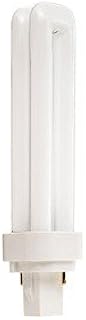


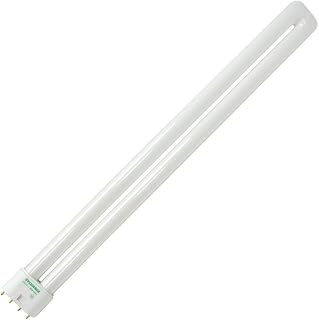


Compact fluorescent lamps (CFLs) occupy a very different position in the Canadian lighting market than they did a decade ago. LED technology has become the mainstream choice for many household applications because LEDs generally offer long operating life, low energy consumption, instant starting and a wide range of colour temperatures. Nevertheless, CFLs can still appear in replacement searches, existing fixtures, specialty applications and older lighting systems. If you specifically need a compact fluorescent bulb, the right purchase depends on more than wattage alone.
This guide is designed to help Canadian shoppers compare CFL specifications, socket compatibility, shape, colour temperature, starting behaviour, dimming requirements, physical dimensions, operating environment and overall value before purchasing. Because product ranges change over time, always verify the current package and manufacturer specifications before ordering, particularly for discontinued or clearance CFL models.
A smart purchase is not necessarily the bulb with the lowest advertised price. The better choice is the one that matches the fixture, provides the desired light quality, works reliably in the intended environment and does not create unnecessary replacement or disposal problems.
When comparing compact fluorescent bulbs, consider these factors together:
For shoppers who are not specifically required to use fluorescent technology, an LED should normally be included in the comparison. The decision should be based on the fixture and application rather than simply choosing whichever technology has the lowest shelf price.
CFLs were an important energy-saving alternative to incandescent lamps because they could produce comparable illumination using substantially less electrical power. Modern LEDs can generally deliver the same practical advantage with lower power requirements and additional design flexibility.
If you are replacing a frequently used household bulb, calculate operating cost over the expected service period rather than comparing purchase prices alone. Electricity rates vary across Canada, so the financial result depends on local utility pricing, daily operating hours and the actual wattage of the lamps being compared.
One of the most important practical differences is how the lamp behaves when switched on. Many CFLs take some time to reach full brightness, and performance can be affected by temperature. LEDs generally reach their intended brightness much more quickly.
This matters in spaces where lights are switched on for short periods, such as bathrooms, hallways, closets, entrances and storage areas. If immediate illumination is important, carefully compare the starting characteristics of the CFL rather than assuming all models behave identically.
Canadian shoppers should pay particular attention to temperature when selecting fluorescent lighting for garages, workshops, exterior fixtures and other spaces that may become cold during winter. Fluorescent lamps can exhibit slower starting or reduced performance in low temperatures depending on the lamp and ballast.
For an unheated space, look for a product whose documentation specifically addresses the intended operating temperature. Do not assume that a CFL designed for ordinary indoor conditions will perform equally well in a cold garage or outdoor fixture.
Dimming is another major compatibility issue. A CFL labelled as dimmable is designed for dimming operation, while a standard CFL should not be connected to a conventional dimmer simply because the bulb physically fits the socket.
For a dimmable installation, verify compatibility between the lamp, dimmer and fixture. If an existing dimmer was installed for incandescent lighting, compatibility should be checked before purchasing a fluorescent replacement.
Wattage measures electrical power consumption; it does not directly describe how much visible light a lamp produces. For comparisons, pay attention to the bulb's stated light output, normally expressed in lumens.
Two bulbs with similar wattages can have different light outputs. Likewise, a lower-wattage LED can produce comparable or greater illumination than an older fluorescent lamp. For this reason, avoid selecting a replacement solely because the wattage printed on the package resembles the old bulb.
Before installing any replacement lamp, inspect the fixture for its maximum permitted lamp rating and other compatibility information. The replacement must be physically compatible and appropriate for the fixture's electrical and environmental requirements.
When several products are available, compare their lumen ratings alongside wattage. This provides a more meaningful indication of brightness than wattage by itself.
The correct brightness is ultimately determined by the fixture, room size, mounting height, surface reflectivity and intended task.
Colour temperature affects the visual character of a room. It is commonly expressed in Kelvin (K). A lower Kelvin value generally produces a warmer appearance, while higher values tend to look cooler and more neutral.
Warm white lighting is often preferred in bedrooms, living rooms, dining areas and other spaces where a relaxed atmosphere is desirable. It can produce a softer appearance than cool fluorescent lighting.
Neutral and cooler lighting can be useful in kitchens, home offices, laundry areas, utility rooms and workspaces where a brighter, more task-oriented appearance is preferred.
Higher-colour-temperature lamps can create a crisp visual appearance, but they are not automatically better. The correct choice depends on the room, surrounding finishes and personal preference. If you are replacing several bulbs in the same space, maintaining a consistent colour temperature can prevent an uneven appearance.
Colour temperature and colour rendering are different characteristics. Colour temperature describes the overall visual warmth or coolness of the light, whereas colour rendering relates to how naturally objects appear under that light.
For kitchens, dressing areas, craft rooms, studios and locations where accurate colours matter, compare the available colour-rendering information instead of choosing solely by Kelvin rating.
A bulb with an attractive colour temperature can still produce an undesirable appearance if its colour rendering does not suit the application.
The compact fluorescent category includes several physical designs. Shape affects fit, light distribution and compatibility with lampshades and fixtures.
Spiral CFLs are recognisable by their coiled fluorescent tube. They were widely used as replacements for traditional household incandescent bulbs and remain a familiar form factor. Before purchasing one, check its overall diameter and length because the spiral design can be considerably larger than the incandescent bulb it replaces.
Twin-tube and multi-tube configurations fold the fluorescent tube into a more compact profile. These designs can be useful where a fixture has limited length but still requires a fluorescent lamp.
Reflector-style CFLs are intended for applications where more directional illumination is useful. They can be worth considering for certain recessed or directional fixtures, provided the lamp is specifically rated for the application.
Some CFLs were produced for decorative fixtures, specialty bases, outdoor applications or particular fixture geometries. Compatibility should always be verified rather than assuming that any CFL with the correct electrical base will work safely and effectively.
Base compatibility is one of the easiest specifications to overlook. A bulb can have the correct wattage and shape yet still be unusable because its base does not match the socket.
The E26 is a common screw-base configuration used in many household fixtures in North America. Even when the base looks correct, verify the exact specification and fixture requirements before purchasing.
E12 bases are smaller and commonly associated with decorative fixtures and smaller lamps. Do not use an adapter as a substitute for confirming proper fixture compatibility unless the manufacturer and fixture instructions explicitly support that configuration.
Some compact fluorescent fixtures use pin-based or twist-lock-style connections rather than traditional screw bases. The ballast arrangement can also be important, so a pin configuration should not be treated as interchangeable with a screw-base lamp.
This distinction is particularly important when replacing an existing fluorescent lamp.
Many household CFLs combine the fluorescent tube and ballast within the lamp itself. Other CFL designs use a separate ballast built into the fixture. These products are not necessarily interchangeable.
Before buying a replacement, inspect the existing bulb and fixture for information about the base, pin arrangement, ballast type and lamp specification. Taking a clear photograph of the old bulb's markings can also help when comparing replacement specifications.
Do not assume that a CFL is suitable for every enclosed fixture. Heat buildup can affect lamp performance and service life, and manufacturers can impose specific restrictions on enclosure use.
Read the product packaging and technical documentation for enclosed-fixture requirements. This is especially important for ceiling fixtures, tightly enclosed glass shades and other luminaires where airflow is limited.
Outdoor lighting introduces additional requirements. Temperature, moisture exposure, fixture enclosure, switching frequency and lamp starting behaviour all matter.
For a garage or workshop, consider how cold the area becomes during winter and how frequently the lamp will be switched. A CFL that performs acceptably in a heated room may not provide the same user experience in an unheated structure.
For exterior fixtures, confirm that the lamp is approved for the specific fixture and environmental conditions. The fact that the bulb physically fits does not establish outdoor suitability.
Not every lighting application is equally suitable for fluorescent technology. Frequent switching can be an important consideration when comparing CFLs with alternatives.
Think about how the light is actually used. A bulb in a hallway may be switched on for only a few minutes at a time, while a workshop light may remain on for several hours. Operating pattern can influence which technology makes the most sense.
If you are specifically purchasing a CFL, review the manufacturer's guidance for switching frequency and expected operating conditions rather than relying only on a generic service-life statement.
Brand recognition can help narrow a large selection, but the brand name should not replace specification checking. Established lighting manufacturers have produced CFL products in different configurations, and individual models can vary substantially.
Names shoppers may encounter when researching lighting products include Philips, GE, Sylvania, Feit Electric, TCP and Satco. Availability and current product ranges can change, so verify the exact model rather than assuming that every product carrying a familiar brand name has the same specifications.
Philips is a long-established lighting brand with a broad history across residential and professional lighting. When evaluating a Philips CFL, compare the exact base, shape, wattage, lumen output, colour temperature and application restrictions.
GE lighting products are another familiar reference point for North American shoppers. The exact model specification is more important than the brand alone, particularly when looking at older CFL designs or replacement stock.
Sylvania has a long history in fluorescent and general lighting products. If a Sylvania CFL appears in a comparison, check the model number and technical details carefully because similarly named lamps can have different bases, shapes and colour characteristics.
Feit Electric offers a broad range of lighting products across multiple technologies. When considering an older-style fluorescent product, confirm that the specific CFL meets the requirements of the intended fixture and is appropriate for the application.
TCP and Satco are also names worth recognising when researching specialty and replacement lighting. As with any brand, compare the exact technical specification and current availability rather than selecting solely on brand reputation.
A lighting package can contain a surprising amount of information. Before placing an order, look for the following:
A wattage match does not guarantee a brightness match. Compare lumens and the intended application.
Some CFLs are noticeably longer or wider than the incandescent bulbs they replace. Measure the available space before ordering.
Standard fluorescent lamps should not be treated as dimmable unless the product documentation specifically says they are compatible with dimming equipment.
Pin-based lamps can require specific ballast configurations. Installing a physically similar lamp without checking ballast compatibility can result in poor performance or an incompatible installation.
Cooler light may be useful for task areas but can feel visually harsh in rooms intended for relaxation. Consider the room's purpose before selecting the colour temperature.
A bulb used in an unheated garage, workshop or exterior fixture needs to be evaluated for the actual operating environment. Cold-start performance can be more important than it is in a heated bedroom.
A clearance price can look attractive, but the value depends on whether the lamp matches your fixture, whether you can obtain compatible replacements later and whether the product is appropriate for the intended application.
Purchase price is only one component of lighting cost. For a useful comparison, consider the lamp's purchase price, power consumption, expected operating hours and replacement requirements.
A simple energy-cost calculation is:
Electricity cost = watts ÷ 1,000 × hours of use × electricity rate
For example, if a lamp consumes 20 watts and operates for 1,000 hours, it uses 20 kilowatt-hours of electricity. Multiply that consumption by your applicable electricity rate to estimate the energy portion of the cost.
For a realistic household comparison, use your actual usage pattern rather than a generic assumption. A bulb used 30 minutes a day has a very different annual energy cost from one used eight hours every day.
Multi-packs can be convenient when several fixtures use the same lamp, but buying a large quantity before confirming compatibility can create unnecessary waste. Test the specification in one fixture first if you are uncertain about colour, brightness, physical fit or starting behaviour.
If you already know the exact model that works in your fixtures, buying matching lamps together can simplify future replacement. Keep the original package or record the model number so you can identify the same specification later.
Although LED technology is the default choice for many modern installations, there are situations where a CFL may still be considered:
However, if there is no requirement to use fluorescent technology, compare a suitable LED replacement before making the final decision.
For many general residential applications, an LED can offer practical advantages such as immediate illumination, low power consumption, a broad selection of colour temperatures and easier availability. LEDs are also widely available in familiar household shapes, making replacement straightforward in many fixtures.
The best choice still depends on the fixture. Check the LED's enclosure compatibility, dimming compatibility, temperature rating, base, dimensions and lumen output just as carefully as you would for a CFL.
Compact fluorescent lamps contain a small amount of mercury because mercury is part of the fluorescent lighting process. This is one of the most important differences between CFLs and many modern household LED lamps.
A CFL should therefore be handled carefully and disposed of through an appropriate recycling or hazardous-household-material program where required or available. Disposal requirements can vary by Canadian province, municipality and local collection program, so check the current rules in your area rather than placing CFLs automatically into ordinary household waste or curbside recycling.
If a fluorescent bulb breaks, follow current guidance from your local environmental or waste-management authority. Avoid treating broken fluorescent material as ordinary glass recycling. The recommended cleanup and disposal procedure can depend on the local program and circumstances.
Keep unused CFLs protected from impact and store them where they are unlikely to be knocked over or broken.
If you buy replacement lamps in advance, store them in their original protective packaging whenever possible. Keep them dry and away from locations where they could fall or be crushed.
Because fluorescent tubes are relatively fragile, avoid placing heavy objects on top of packages containing spare bulbs. Recording the bulb model and fixture it belongs to can also prevent confusion when multiple lamp types are stored together.
Prioritise adequate brightness, suitable colour rendering and a colour temperature that works with the kitchen's surfaces. If the lamp is controlled by a dimmer, verify compatibility before purchasing.
A warm colour temperature is often more comfortable for a relaxed bedroom environment. Avoid selecting an unnecessarily high-output or very cool lamp simply because it appears brighter on paper.
Consider warm or neutral light depending on the room's decor and how it is used. Physical bulb dimensions are particularly important when the lamp is hidden behind a decorative shade.
Brightness, colour rendering and fixture compatibility deserve particular attention. Check the fixture's instructions concerning moisture and lamp type rather than assuming a household CFL is suitable for every bathroom fitting.
Choose a lamp that provides sufficient task illumination without producing an uncomfortable colour appearance. If the fixture is controlled by a dimmer, verify fluorescent dimming compatibility.
Temperature and starting performance become especially relevant. If the space becomes very cold, compare the lamp's specified operating range and consider whether fluorescent technology is appropriate for the conditions.
When reviewing a shortlist of ten products, avoid ranking them solely by star rating or advertised price. A better comparison considers the complete specification.
Customer feedback can reveal practical issues that are difficult to identify from a product title, but reviews should be interpreted in context.
Look for repeated comments about the same issue rather than relying on a single positive or negative review. Pay particular attention to feedback concerning incorrect dimensions, premature failure, colour appearance, buzzing, flickering, starting behaviour and compatibility.
Also check whether reviews appear to cover multiple product variations. A review for one wattage or base configuration may not accurately describe another variant on the same listing.
Before choosing one of the products in a CFL comparison, take a moment to record the specifications of the bulb you are replacing.
Not necessarily. A higher price does not automatically mean better performance. The most important question is whether the additional cost corresponds to a useful specification for your application.
For example, paying more for a lamp with a feature you cannot use provides little value. Conversely, paying a modest premium for the correct base, suitable temperature range or dimming compatibility may prevent a much more expensive compatibility problem.
When comparing deals, evaluate the complete specification and total cost rather than selecting the cheapest listing.
Online product titles can contain several numbers that look similar, making it easy to order the wrong lamp. The safest approach is to compare the detailed specifications with the markings on your existing bulb.
Do not rely exclusively on phrases such as “replacement for,” “equivalent to,” or “fits most fixtures.” Confirm the base, voltage, wattage, dimensions, ballast requirements and intended application independently.
Before purchasing, review the current product description, technical specification and manufacturer information. If different sections of a listing provide conflicting information, use the manufacturer's documentation or another authoritative specification source to resolve the discrepancy.
Do not assume that used CFLs should be handled in exactly the same way as ordinary incandescent bulbs. Because they contain mercury, appropriate recycling or household hazardous-waste handling is important.
Canadian recycling arrangements vary by location. Check the current municipal or provincial guidance for your area and use a collection location that specifically accepts compact fluorescent lamps when one is available.
The best option depends on the fixture, required brightness, base, colour temperature, ballast arrangement, operating environment and budget. There is no single CFL that is ideal for every Canadian household.
They can make sense when you specifically need a compatible CFL replacement or have an existing fluorescent installation. However, if you are free to choose the technology, compare a suitable LED because modern LED lighting can offer significant practical advantages.
For most general-purpose household lighting, LEDs are often the more practical modern option. CFLs can still be appropriate for certain existing fixtures or replacement situations, so the right answer depends on the application.
Sometimes, but compatibility must be checked. The correct LED replacement depends on the socket, fixture, ballast arrangement, enclosure, electrical configuration and whether the replacement is designed for that particular installation.
Some are specifically designed for dimming, but standard CFLs should not be assumed to be dimmable. Verify the lamp's documentation and the compatibility of the dimmer.
Fluorescent lamps can require warm-up time before reaching their intended brightness. Low temperatures can make starting and warm-up behaviour more noticeable.
Temperature can affect fluorescent starting and operation. Check the manufacturer's specified operating conditions before using a CFL in an unheated garage, workshop or exterior fixture.
Yes. CFLs use a small amount of mercury as part of their fluorescent operating technology. This is why proper handling and local recycling or disposal procedures matter.
Do not assume they belong in ordinary household recycling. CFL recycling and disposal rules vary by Canadian jurisdiction, so follow the current instructions provided by your municipality or provincial waste-management authority.
Check the base type, overall length, maximum diameter and fixture clearance. Also verify ballast requirements when using a pin-based CFL.
Lumens indicate the amount of visible light produced by the lamp. They are generally more useful for comparing brightness than wattage alone.
Warm light is commonly suited to relaxing areas such as bedrooms and living rooms, while neutral or cooler light can work well in kitchens, offices and workspaces. Choose according to the room's function and the appearance you prefer.
No. Wattage describes electrical power consumption, not brightness. Compare lumen output when evaluating two lamps.
A multi-pack can be practical when you already know the exact lamp specification required by several fixtures. If compatibility is uncertain, purchasing a smaller quantity first can reduce the risk of ending up with unusable bulbs.
Philips, GE, Sylvania, Feit Electric, TCP and Satco are among the established lighting names shoppers may encounter. Brand reputation is useful as a starting point, but always compare the exact model's specifications and current availability.
The smartest way to shop for compact fluorescent bulbs in Canada is to start with the fixture rather than the product listing. Identify the existing base, ballast arrangement, dimensions, wattage and intended application first. Then compare lumen output, colour temperature, colour rendering, dimming compatibility and operating conditions.
For buyers specifically seeking a CFL, the best deal is the product that satisfies all of those requirements at a reasonable total cost. A cheap bulb that does not fit the fixture, starts poorly in a cold environment or cannot work with an existing dimmer is not a genuine bargain.
For shoppers who are not committed to fluorescent technology, include modern LED alternatives in the comparison. The wider availability and practical characteristics of LEDs can make them the more convenient long-term option for many residential applications.
Before buying, compare the exact model number, specifications and current customer feedback, then verify the manufacturer's latest instructions. Product availability can change, particularly for older CFL designs, so treat the current listing and technical documentation as the final authority rather than relying on an older product description.