

♥ Wishlist
Compare 47 Buffets, Credenzas & Sideboards for Stylish Home Storage products in Canada. Reviews, ratings, pros, cons and buying advice updated for October 2026.


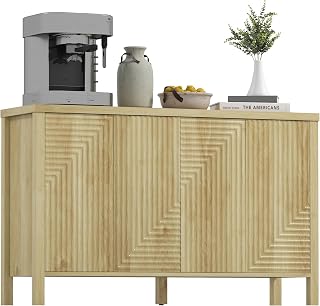


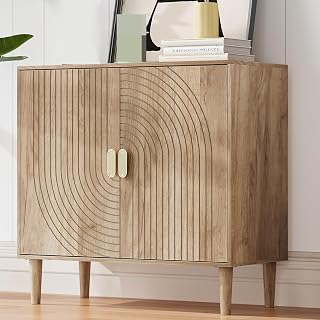


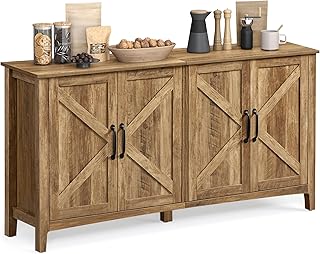


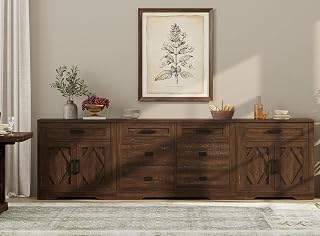


Choosing a buffet, credenza or sideboard is about more than finding an attractive cabinet. The right piece needs to fit the available floor and wall space, provide useful storage, suit the room's proportions and construction style, and work with the way the furniture will actually be used. In Canadian homes, buyers may also need to consider apartment dimensions, open-concept layouts, seasonal humidity changes, delivery access, and the difference between assembled and ready-to-assemble furniture.
This guide is designed to help shoppers compare options objectively before purchasing. Rather than relying on appearance alone, evaluate dimensions, materials, storage configuration, hardware, weight capacity where stated, assembly requirements and retailer-specific policies. Product specifications, customer feedback and current pricing can change, so always verify the latest information on the individual listing before ordering.
The terms buffet, credenza and sideboard are often used interchangeably by furniture retailers, but they traditionally describe slightly different forms of storage furniture.
For online shopping, the name is less important than the actual dimensions, construction and storage layout. A product marketed as a credenza may perform exactly the same function as a sideboard in a particular room.
When comparing the best smart-buy buffets, credenzas and sideboards, start with the features that affect everyday usability rather than decorative details alone.
Measure the intended wall before browsing products. Record the maximum acceptable width, depth and height, then compare those measurements against the complete assembled dimensions listed by the manufacturer or retailer.
Depth deserves particular attention. A cabinet that looks compact in product photography can occupy significant floor space once doors or drawers are opened. In a dining area, leave sufficient clearance for chairs and movement. In a hallway, check that the furniture does not create an uncomfortable bottleneck.
Storage capacity depends on more than the outside dimensions. Two cabinets with similar footprints can have very different usable interiors because of shelf placement, drawer dimensions, internal dividers and structural components.
Cabinet configuration should match what you plan to store. Drawers are convenient for cutlery, napkins, placemats and small accessories, while enclosed cupboards are generally better suited to dishes, servingware, appliances and larger objects.
Sliding doors can be useful where opening clearance is restricted. Hinged doors usually provide straightforward access but require additional space in front of the cabinet. Open shelving makes frequently used items easy to reach but exposes them to dust and visual clutter.
Adjustable shelves can make a major difference when the cabinet needs to accommodate objects of different heights. If flexibility matters, check the number of shelf positions and whether the shelves can be removed completely.
Material selection influences appearance, weight, durability, maintenance requirements and price. Online listings may use several material terms, so read the specifications carefully rather than judging construction solely from photographs.
Solid wood furniture can offer a substantial appearance and may develop a distinctive character over time. Common furniture woods include oak, pine, rubberwood, acacia and other species. The exact wood species, finish and construction method should be checked on the individual listing.
Wood can respond to changes in temperature and humidity. Avoid placing wooden furniture where it is repeatedly exposed to excessive moisture, direct heat or extreme environmental changes.
Engineered wood products such as MDF and particleboard are widely used in contemporary furniture. They can provide consistent dimensions and make it possible to create large cabinet designs without the weight and cost associated with some solid-wood constructions.
The important comparison points are panel thickness where disclosed, edge finishing, surface treatment, hardware quality, back-panel construction and the manufacturer's assembly instructions.
Wood veneer consists of a thin layer of real wood applied over another substrate. It can provide the visual character of a particular wood species while allowing manufacturers to use engineered panels for the underlying structure.
Metal frames, handles and legs can give a sideboard a contemporary or industrial appearance. Glass doors can make stored items visible and contribute to a lighter visual effect, although they may require more frequent cleaning than fully enclosed cabinetry.
Photographs can communicate style, but they do not always reveal construction quality. Before buying, inspect the available product information for details about joints, panels, hardware and support.
Modern sideboards typically emphasize clean lines, restrained hardware and uncomplicated silhouettes. They can work particularly well in contemporary dining rooms, condos and open-plan living areas.
Mid-century-inspired designs often feature tapered legs, warm wood tones and relatively simple cabinet fronts. Their visual height can make them useful in rooms where you want substantial storage without an overly heavy appearance.
Farmhouse-inspired buffets commonly combine practical enclosed storage with traditional detailing. Buyers should pay attention to finish descriptions because distressed, painted or textured surfaces can vary considerably between manufacturers.
Industrial designs may combine wood-look panels with metal frames, hardware or legs. They can complement loft-style interiors, home offices and contemporary dining spaces.
Scandinavian-style cabinets often prioritize simple forms, light finishes and functional storage. Their relatively uncluttered appearance can work well in smaller rooms where visually complicated furniture may feel overwhelming.
Traditional buffets can include decorative moulding, framed doors, detailed hardware and darker finishes. These designs can suit formal dining rooms but should be measured carefully because decorative elements can increase the visual and physical footprint.
Size should be determined by both the room and the intended storage function. Start by measuring the available wall and marking the proposed cabinet footprint with painter's tape. This simple step can reveal whether a piece will dominate the room before you order it.
Measure the wall width first, followed by available height and floor depth. Then account for practical clearance around the furniture.
A buffet is particularly useful when it sits close enough to the dining table to support serving without interrupting circulation. Use the top surface for items that genuinely benefit from being accessible, such as serving dishes or decorative pieces, while keeping frequently used tableware in the most convenient drawers or shelves.
Avoid overloading the cabinet top simply because there is available space. Excessive decorative objects can make a dining area feel crowded and reduce the practical serving surface.
A credenza can provide concealed storage for media accessories, books, games, household items and decorative objects. Before using one beneath a television, verify the dimensions and ventilation requirements of the equipment involved. Do not assume that an attractive cabinet is automatically suitable for electronics.
If cables need to pass through the cabinet, check whether the design includes cable-management openings. If no cable provision is described, consider how wires will be routed without compromising the furniture or creating a trip hazard.
A credenza can also supplement storage in a home office. Drawers can hold stationery and smaller equipment, while enclosed compartments can keep documents and office accessories out of sight.
For office use, consider the cabinet's height relative to the desk, printer placement, available electrical outlets and the amount of equipment that needs to be stored. If heavy printers or equipment will be placed on top, look for an explicitly stated load capacity rather than estimating from appearance.
Before selecting a cabinet, make a quick inventory of what you intend to store. This prevents a common mistake: choosing furniture based on exterior appearance and discovering later that the interior does not accommodate the objects you actually own.
Many online furniture listings require some degree of assembly. Assembly complexity can vary substantially even among cabinets with similar designs. Review the listing for the number of components, stated assembly time if provided, required tools and whether two people are recommended.
Large cabinets can be difficult to assemble safely on your own. Consider the cabinet's finished weight and the space required to turn or position large panels during installation. If the instructions specify wall anchoring or anti-tip hardware, follow those instructions carefully.
Tall or heavy furniture should be evaluated for stability, particularly in households with children or pets. Look for supplied anti-tip hardware and follow the manufacturer's installation instructions. A cabinet should be positioned on an appropriate surface and secured when the product documentation calls for anchoring.
Do not place heavy objects where they could cause the cabinet to become unstable, and avoid assuming that a wide footprint alone makes a piece tip-resistant.
Colour can significantly affect how large a sideboard appears. Light finishes may visually recede in smaller rooms, while dark finishes can create a stronger focal point. Natural wood-look finishes can add warmth, whereas white, black and neutral finishes can complement a wide range of contemporary interiors.
Online photographs can vary because of lighting, camera settings and screen calibration. If colour matching is important, check the manufacturer's description and available product images carefully rather than assuming the displayed shade will exactly match another piece of furniture.
Handles and drawer pulls are not merely decorative. Their shape and position affect how comfortably the furniture can be opened. Flush or recessed handles can produce a minimalist appearance, while larger pulls may be easier to operate frequently.
Soft-close hinges and drawer systems can be useful features when they are explicitly included, but buyers should verify that they are part of the exact model being considered rather than assuming they are standard across a product range.
Customer reviews can provide useful information that is not always obvious from specifications, but they should be interpreted carefully. Look for patterns rather than relying on a single highly positive or negative comment.
Well-known furniture and home brands such as IKEA, Ashley, Walker Edison, HOMCOM, Nathan James, South Shore, Sauder and Vasagle may appear across different online furniture searches. Brand familiarity can be useful, but it should not replace product-level comparison.
Different models from the same manufacturer can use different materials, hardware and construction methods. Always compare the exact product specifications, dimensions, included components, assembly requirements and current customer feedback for the specific listing.
The lowest displayed price is not necessarily the best overall value. For a Canadian purchase, compare the complete cost and practical conditions associated with the listing.
One of the most avoidable mistakes is ordering based on a product photograph without checking the exact dimensions. Measure the intended space and compare every relevant measurement before purchase.
A cabinet may technically fit against a wall while being impractical to use because doors cannot open fully or drawers collide with nearby furniture.
A beautiful cabinet that cannot hold your plates, cookware, documents or other belongings will quickly become frustrating. Decide what must be stored before choosing the design.
Weight alone does not establish construction quality. Look at materials, hardware, joinery, support structure and stated load capacities where available.
Large furniture can require significant assembly. Read the instructions or product details before purchasing so you know what is involved.
Photography can make furniture appear larger, smaller, darker or lighter than it is in a real room. Specifications are more useful for confirming dimensions and construction details.
Compact homes benefit from furniture that provides substantial storage without consuming excessive floor area. Consider a relatively shallow cabinet, elevated legs, sliding doors or a streamlined design where appropriate.
Large rooms can accommodate wider sideboards, but proportion remains important. A very small cabinet may look disconnected from a large dining table, while an oversized cabinet can dominate the room.
For larger spaces, consider a sideboard whose width visually relates to the dining table and whose height leaves sufficient wall space for artwork, mirrors or other decor.
Open-concept rooms require furniture that looks appropriate from multiple viewpoints. Since the back and sides may be visible, inspect available photographs and specifications rather than evaluating only the front elevation.
Colour and finish should also coordinate with adjacent kitchen cabinetry, flooring, dining furniture and living-room pieces. A versatile neutral finish can make future room changes easier, while a distinctive wood or colour can create a deliberate focal point.
Maintenance depends on the material and finish, so follow the manufacturer's care instructions whenever they are supplied. In general, use appropriate cleaning methods for the specified surface and avoid excessive moisture around unfinished edges, joints and hardware.
When narrowing a shortlist, create a simple comparison based on the factors that matter most to your situation. A product that ranks highly for one household may not be the right choice for another.
A smart buy is not necessarily the cheapest buffet, credenza or sideboard. It is the product that provides the right combination of size, storage, construction, appearance, usability and overall value for its intended purpose.
For 2026 shopping, avoid making a decision from a headline, star rating or promotional price alone. Product information can change, and individual listings may differ in materials, dimensions, colours and configurations. Verify the exact model details immediately before purchase.
There is no single best option for every Canadian household. The right choice depends on available space, storage requirements, preferred materials, design, budget and intended use. Compare the exact dimensions and specifications of shortlisted products before purchasing.
They are closely related pieces of furniture, and retailers frequently use the terms interchangeably. Traditionally, a buffet is more strongly associated with dining and serving, while sideboard is a broader term for low storage furniture. In online shopping, dimensions and functionality are usually more important than the name used in the listing.
Yes. A credenza can provide useful storage for tableware, linens, serving accessories and other dining-room items. Check its height, depth and internal configuration to make sure it suits the intended use.
The best material depends on your priorities. Solid wood may appeal to buyers seeking a natural material, while engineered wood can provide practical construction and a wide variety of finishes. Veneer can offer a real-wood surface over a manufactured substrate. Compare the exact construction rather than assuming one material category automatically indicates superior quality.
There is no universal ideal depth. The appropriate depth depends on the room, storage requirements and available circulation space. Measure the room first and compare the cabinet's stated depth with the clearance needed for people, chairs and doors or drawers.
Yes, provided the dimensions are carefully selected. A compact credenza or shallow sideboard can provide valuable storage without taking up as much floor area as larger furniture. Always measure the room and the delivery route before ordering.
Choose according to what you intend to store. Drawers are convenient for smaller objects and linens, while cupboards are generally more practical for larger items. A combination can provide greater flexibility.
Adjustable shelves are particularly useful when storage requirements vary. They allow you to change the internal arrangement for taller or shorter items and can make the cabinet more adaptable over time.
Review the material specifications, construction details, hardware, dimensions, assembly instructions and customer feedback. Look for consistent information across the listing rather than relying on photographs or a single review.
Confirm the exact dimensions, materials, colour, configuration, assembly requirements, current price, applicable shipping charges, taxes, delivery conditions and retailer-specific return and warranty policies. These details can vary between listings and can change over time.
Use ratings as one input rather than the sole deciding factor. Read detailed reviews, look for recurring comments and pay attention to feedback about assembly, finish, dimensions, hardware and long-term usability where reviewers provide that information.
Furniture listings, prices, configurations, availability and customer feedback can change throughout the year. For August 2026 and later purchases, verify the latest information on the individual retailer or product listing before making a final decision.
The strongest approach to finding a smart-buy buffet, credenza or sideboard is to begin with your room and storage requirements rather than a product ranking. Measure first, identify what needs to be stored, decide which materials and features matter, and then compare shortlisted models using the same criteria.
Pay particular attention to the exact product dimensions, interior storage, construction materials, assembly requirements and current customer feedback. A cabinet that looks impressive online may not be suitable if it is too deep, lacks the required storage configuration or cannot pass through the available doorway.
Before purchasing in Canada, review the latest listing details, current total cost, delivery information and applicable retailer policies. Comparing specifications carefully is the most reliable way to identify a buffet, credenza or sideboard that offers a practical balance of design, storage and value for your home.