

♥ Wishlist
Compare 56 Outdoor Clothing for Canadian Adventures products in Canada. Reviews, ratings, pros, cons and buying advice updated for October 2026.


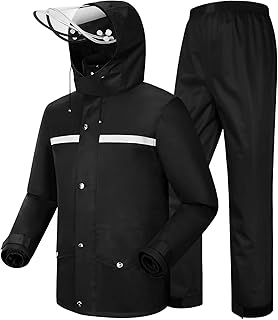


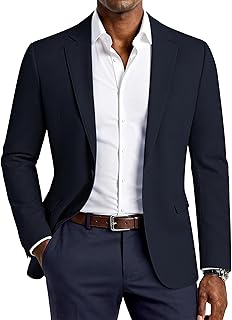



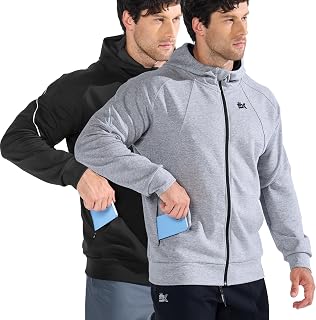


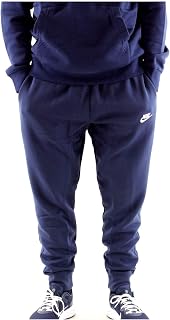


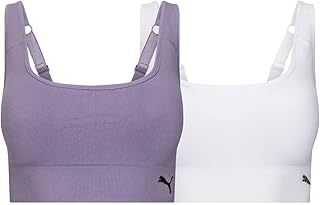
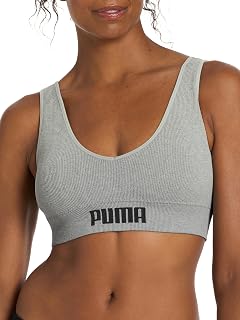


Outdoor clothing for Canada has to do more than look good. A useful jacket, mid-layer, base layer, hiking pant, or insulated garment should match the conditions in which it will be worn. Weather can change quickly between seasons, while regional differences make one clothing system suitable for Vancouver and another more practical for Alberta, Ontario, Quebec, or Atlantic Canada.
A smart buy is not necessarily the cheapest outdoor garment. It is the option that offers the right combination of weather protection, comfort, durability, fit, versatility, and price for your intended use. A lightweight shell may be a better purchase than a heavily insulated jacket if you already own warm layers. Likewise, an inexpensive fleece can be excellent value when it is being used as part of a layering system rather than as a standalone winter coat.
When comparing outdoor clothing deals in Canada, look beyond the headline discount. Check the fabric composition, insulation type, waterproofing method, breathability, construction, sizing information, pocket layout, hood adjustment, cuffs, hem design, and care instructions. These details often have a greater effect on everyday usefulness than a small difference in advertised price.
Canadian outdoor conditions vary substantially by location and season. A suitable clothing system should account for temperature, wind, precipitation, activity level, and how long you expect to remain outdoors.
Buying outdoor clothing as a coordinated system can be more effective than selecting individual garments without considering how they work together. A traditional three-layer approach consists of a base layer, insulating layer, and outer shell.
The base layer sits next to the skin and helps manage moisture. Merino wool is popular for its temperature-regulating properties and resistance to retaining odour, while synthetic fabrics such as polyester are commonly chosen for quick drying and active use.
Consider the fabric weight as well as the fibre. A lightweight base layer can work well during higher-output activities, whereas a heavier option may provide additional warmth in colder conditions. Fit should be close enough to work under other layers without restricting movement.
Fleece, synthetic insulation, and down are common choices for retaining warmth. Fleece is generally versatile and easy to integrate into a layering system. Synthetic insulation can be attractive for damp environments because it can retain useful insulating performance when exposed to moisture. Down is valued for its warmth-to-weight ratio and compressibility, but its performance depends heavily on construction, fill characteristics, and exposure to moisture.
The outer layer protects the inner clothing system from wind and precipitation. Shell garments may emphasize waterproof protection, breathability, low weight, durability, or a combination of these characteristics.
For hiking and active use, examine ventilation features and fabric construction rather than assuming that a higher waterproof specification automatically makes a jacket better. For everyday use, a durable shell with a comfortable fit may be more useful than an ultralight technical garment.
These terms should not be treated as interchangeable. Water-resistant clothing can provide protection against light precipitation, splashes, or short periods of exposure. Waterproof garments are designed with a greater emphasis on preventing water from passing through the material and construction.
However, performance also depends on seams, zippers, closures, fabric construction, and the condition of any surface treatment. A garment can have a waterproof fabric while still having limitations created by its design or construction.
For Canadian hiking, camping, commuting, and travel, consider the expected weather rather than selecting the most extreme specification available. A lightweight water-resistant wind layer may be sufficient for some activities, while prolonged rain calls for a properly designed rain shell.
Water protection and breathability involve a practical compromise. A garment that strongly limits moisture entering from outside can also feel warm or humid during strenuous activity if ventilation is limited.
For hiking, snowshoeing, cycling, running, or other active pursuits, examine features such as underarm ventilation, two-way zippers, mesh-backed openings, adjustable cuffs, and breathable fabric construction. For casual winter use, maximum breathability may be less important than warmth and wind protection.
Remember that breathability is affected by activity intensity, temperature, humidity, base-layer choice, and how many layers are being worn. The best outdoor clothing system is one that allows you to adjust insulation as conditions change.
Merino wool is widely used in outdoor base layers, socks, sweaters, and other garments. It can provide warmth while helping manage moisture and odour. Its disadvantages can include higher cost and a need for more careful care depending on the garment construction.
Polyester is common in performance clothing because it is lightweight, dries relatively quickly, and can be engineered into different fabric weights and constructions. It is particularly common in base layers, fleece, shirts, and technical outerwear.
Nylon is frequently used where abrasion resistance and durability are important. Outdoor pants, shells, packs, and reinforced garments may incorporate nylon fabrics or blends.
Fleece provides lightweight insulation and is available in different weights. It can work as an everyday sweater replacement, a hiking mid-layer, or part of a winter layering system.
Down can provide substantial warmth for relatively low weight and pack size. When comparing down garments, examine the construction and specifications rather than judging quality from the word “down” alone. Intended conditions and moisture exposure should also influence the decision.
Synthetic insulation is used in many jackets designed for cold and variable conditions. It can be a practical choice for people who expect exposure to moisture or want a garment that is relatively straightforward to maintain.
Not every technical feature adds meaningful value for every buyer. Focus on features that correspond to your actual activities.
Two jackets can appear similar while being designed for very different purposes. Before choosing between them, compare insulation, shell construction, weight, intended activity, weather protection, ventilation, hood design, pocket arrangement, and fit.
For winter jackets, ask whether you need insulation primarily for stationary use or for active movement. A very warm jacket can become uncomfortable during high-output activity, while a lightweight shell may require several layers underneath in freezing conditions.
For rain jackets, consider whether the garment is intended for occasional showers, regular commuting, hiking, or prolonged exposure. For hiking, packability and ventilation may be particularly important. For commuting, durability, styling, and pocket accessibility may carry more weight.
Outdoor pants should be evaluated according to movement, weather, fabric durability, and layering requirements. Hiking pants often prioritize stretch and mobility, while winter pants may provide insulation or enough room to accommodate thermal layers.
Look closely at waistband construction, belt compatibility, articulated knees, ankle openings, pocket placement, and fabric stretch. If the pants will be used on trails, abrasion resistance can be especially important.
For wet or snowy conditions, check whether the garment is designed to repel water or provide more substantial weather protection. Do not assume that ordinary water-resistant pants provide the same protection as dedicated waterproof shell trousers.
Hiking clothing should balance mobility, weather protection, moisture management, and packability. Instead of choosing the heaviest clothing available, build a flexible system that can adapt to changing conditions.
Winter clothing requirements depend on temperature, wind, activity level, and exposure time. Someone walking between a vehicle and an indoor building has different needs from someone spending several hours outdoors.
For colder conditions, evaluate the complete system rather than judging a coat by its insulation alone. Base layers, mid-layers, outer shells, gloves, headwear, and appropriate footwear all contribute to overall comfort.
Features such as a high collar, adjustable hood, storm flap, secure cuffs, longer hem, and useful pockets can make a practical difference in cold weather. However, these features should be balanced against weight, mobility, and your intended activity.
Shoulder seasons often create more complicated clothing choices because temperatures can change significantly during the same outing. Layering is particularly useful during spring and fall.
A versatile combination might include a lightweight base layer, fleece or other mid-layer, and wind or rain shell. This approach allows individual pieces to be removed or added as conditions change.
For transitional weather, prioritize versatility over extreme insulation. A garment that works across several months can provide better practical value than a highly specialized item that is used only occasionally.
When researching outdoor clothing, it can be useful to compare established brands alongside less expensive alternatives. The right choice depends on specifications, intended use, fit, construction, and budget rather than brand name alone.
Brand reputation should be a starting point for research, not the final buying criterion. Compare the exact garment specifications because products from the same manufacturer can have very different purposes.
Correct sizing is particularly important for outdoor clothing because garments often need to accommodate movement and additional layers. Compare your measurements with the manufacturer's size chart rather than relying exclusively on your usual clothing size.
For jackets, consider shoulder movement, sleeve length, chest room, hem length, and the space required for a mid-layer. For pants, examine waist fit, rise, inseam, thigh room, knee articulation, and ankle opening.
Read customer feedback for recurring comments about fit, but treat individual experiences as subjective. A review stating that a jacket runs large or small can be useful, yet the buyer's body shape and preferred layering system may differ from yours.
Reviews can provide useful information that product specifications do not always communicate. Look for patterns rather than relying on a single highly positive or negative comment.
Ratings can help narrow a shortlist, but they should not replace specification checking. A highly rated lightweight jacket may not be suitable if you specifically need a heavily insulated winter coat.
A smart deal should be evaluated against the garment's specifications and your actual requirements. Before purchasing, compare the current price with comparable products, examine the exact model, check available sizes, and review the retailer's terms.
Pay attention to product variations. Different colours or sizes can sometimes have different pricing, while similarly named garments may have substantially different constructions. Confirm the model name, material, insulation, intended use, and included features before treating a product as a bargain.
It is also useful to distinguish between clearance pricing, seasonal promotions, coupon-based offers, and ordinary price fluctuations. A temporary discount can be attractive, but the most important question remains whether the product is appropriate for your needs.
The lowest purchase price is not always the lowest long-term cost. If a garment does not provide enough protection, fit, durability, or versatility, replacing it can make the original saving meaningless.
Value should instead be considered through several factors:
Proper care can help outdoor clothing retain its useful characteristics for longer. Always follow the garment's care label because washing requirements vary by material, insulation, membrane, coatings, and construction.
Avoid using cleaning products or washing methods that are unsuitable for technical fabrics. Zippers and fasteners should generally be handled carefully, and heavily soiled garments may require specific cleaning procedures.
Insulated garments deserve particular attention. Down and synthetic insulation have different care requirements, and improper drying can affect loft and performance. Do not assume that every jacket can be treated like an ordinary cotton sweatshirt.
Before storing seasonal clothing, ensure it is clean and completely dry. Long-term storage in damp conditions can create unwanted odours and may contribute to material problems.
Use this checklist before selecting an outdoor garment:
Instead of purchasing a separate outfit for every activity, consider building a small collection of complementary layers. A quality base layer, versatile fleece, adaptable shell, insulated jacket, durable outdoor pants, and weather-appropriate accessories can cover a broad range of conditions.
This approach also makes seasonal adjustments easier. In mild weather, the shell may be sufficient. During colder conditions, the insulating layer can be added. In more demanding winter conditions, a complete layered system provides greater flexibility than relying on one garment for every situation.
A smart buy provides the combination of performance, comfort, durability, fit, versatility, and price that matches the buyer's intended use. The cheapest garment is not necessarily the best value.
There is no single best option for every Canadian buyer. Requirements differ according to province, season, activity, temperature, precipitation, wind, and time spent outdoors. Layering usually provides greater flexibility than relying on one garment.
Choose according to expected exposure. Water-resistant garments can be suitable for light or occasional precipitation, while prolonged wet conditions generally call for more substantial waterproof protection.
Neither is universally better. Down is valued for warmth relative to weight and packability, while synthetic insulation can be practical when moisture exposure is a concern. Compare the exact garment construction and intended conditions.
Price alone does not establish value. Premium garments can include specialized materials, construction, fit, or features, but a less expensive product may be more appropriate for casual use. Compare the exact specifications and intended application.
Fit should provide freedom of movement without excessive looseness. Jackets should leave sufficient room for the layers you expect to wear, while pants should allow comfortable movement and accommodate any necessary base layers.
Check the exact model, size chart, fabric composition, insulation, weather protection, features, care instructions, current price, available size, customer feedback, and retailer return terms.
Yes, depending on the design and layering system. A versatile shell can be used in spring, summer rain, and fall, while insulation can be added underneath for colder conditions. However, a lightweight shell should not automatically be expected to replace a dedicated winter coat.
There is no universal replacement schedule. Replace a garment when its condition, fit, weather protection, insulation, or construction no longer meets your requirements. Proper cleaning and storage can help extend useful service life.
The strongest outdoor clothing purchase is the one that solves a specific problem without adding unnecessary cost or complexity. Start with the conditions you expect to encounter, then determine whether you need a base layer, insulating layer, shell, winter jacket, hiking pant, or versatile everyday garment.
Compare exact specifications instead of relying on product names or discount percentages. Pay particular attention to materials, insulation, weather protection, breathability, fit, weight, durability, and care requirements. Then consider customer feedback, current pricing, and applicable retailer policies before making a final decision.
For Canadian shoppers in 2026, a smart buying strategy is ultimately about matching the garment to real-world use. Whether you are preparing for winter commuting, weekend hiking, camping, travel, rain, or everyday outdoor activity, the right combination of layers and carefully selected features can provide better value than simply choosing the most heavily marketed or heavily discounted product.