

♥ Wishlist
Compare 67 Men's Oxford Shoes for Smart Canadian Style products in Canada. Reviews, ratings, pros, cons and buying advice updated for October 2026.


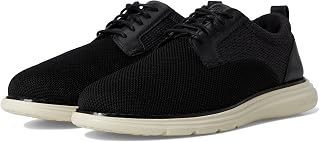
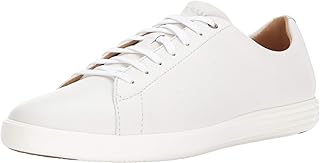


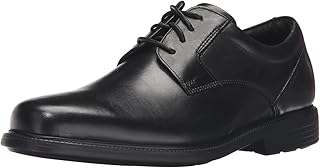


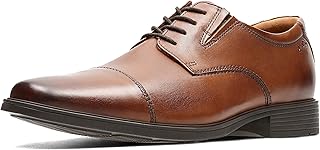


Buying men’s Oxfords in Canada requires more than choosing the most formal-looking pair. A smart purchase should balance appearance, construction, comfort, fit, versatility, weather suitability and long-term value. The right Oxford can work with business suits, dress trousers, chinos and polished smart-casual outfits, while the wrong pair may cause discomfort or show wear quickly.
For Canadian shoppers, seasonal conditions deserve particular attention. A shoe that performs well indoors may be less practical during wet autumn weather, snowy winters or slushy commutes. When comparing the best smart buy men’s Oxfords deals in 2026, consider where and how you will wear them rather than judging a pair only by its appearance or advertised discount.
A smart buy is not necessarily the cheapest Oxford available. Value comes from the combination of useful features, appropriate construction, dependable materials, comfortable fit and the number of situations in which the shoes can realistically be worn.
The defining characteristic of a traditional Oxford is its closed-lacing construction. The eyelet facings are integrated beneath the vamp, creating a streamlined appearance. This differs from Derby shoes, which generally have open lacing and often provide a slightly more relaxed visual profile.
Oxford shoes are particularly suitable when you want a refined silhouette for professional clothing, formal events or occasions where a polished appearance matters. Loafers can be easier to put on and may offer a more relaxed style, while monk straps provide a distinctive alternative with buckle closures.
Material selection strongly influences the appearance, maintenance and expected lifespan of an Oxford. Product descriptions can use several different leather and synthetic-material terms, so shoppers should understand what they are actually buying.
Full-grain leather retains the outer surface of the hide. It can develop character with use and, when properly maintained, may provide a refined appearance over time. However, the quality of the finished shoe depends on more than the material label alone. Construction, leather quality, finishing and care remain important.
Top-grain leather has been processed to create a more uniform surface. It can offer a smooth, polished appearance and is widely used in dress footwear.
Corrected-grain leather has undergone additional surface treatment to create a consistent finish. It can still produce attractive formal footwear, although its characteristics differ from minimally finished full-grain leather.
The phrase “genuine leather” should not automatically be interpreted as a guarantee of premium construction. It broadly indicates that leather is present, but shoppers should also examine the specific material description and the construction of the shoe.
Synthetic leather can be an appealing option when lower initial cost, uniform appearance or easy-care characteristics are priorities. Its performance varies considerably between products, so compare the stated material, lining and sole specifications instead of assuming all synthetic uppers are equivalent.
The way an Oxford is assembled affects its flexibility, repairability, appearance and potential longevity. Common construction methods include cemented, Blake-stitched and Goodyear welted designs, although product availability and construction details vary between manufacturers.
With cemented footwear, adhesive is used to attach the upper and sole. This approach can produce lightweight, flexible shoes and is common across many price categories. It can be particularly practical when affordability is a priority.
Blake construction involves stitching through the upper and sole. It can create a relatively sleek profile and flexible feel. The specific characteristics depend on the materials and manufacturing process used for the individual shoe.
Goodyear welted footwear uses a welt around the shoe that connects the upper, insole and outsole through a structured construction. This approach is associated with traditional dress footwear and can offer repair and resoling possibilities when the rest of the shoe remains suitable for continued use.
The sole is especially important for Canadian shoppers because indoor office conditions can be dramatically different from outdoor pavements, wet sidewalks and winter environments.
Leather soles provide a classic appearance and can complement formal tailoring particularly well. They are often associated with traditional dress shoes. However, smooth leather soles may not be the most practical choice for wet, icy or snowy conditions.
Rubber soles generally provide more practical traction and moisture resistance for everyday outdoor use. A rubber sole may be a sensible choice for commuters who frequently walk between buildings or encounter wet pavement.
Hybrid designs attempt to combine some of the visual refinement of traditional dress footwear with practical traction. These can be useful for shoppers who need one pair to transition between professional interiors and outdoor Canadian conditions.
Black is usually the safest choice when formal versatility is the priority. Black Oxfords can complement business suits, formal trousers and many professional wardrobes. They are particularly useful for occasions where conservative footwear is expected.
Dark brown provides a slightly softer alternative to black. It can work well with navy, grey and earth-toned tailoring, depending on the shade and overall outfit.
Lighter brown shades generally create a more relaxed appearance. They can work effectively with chinos, lighter trousers and less formal business outfits but may not be appropriate for every formal dress code.
Deep red-brown shades can add personality without becoming excessively casual. They are worth considering when your wardrobe already contains suitable neutral clothing.
Design details can change the formality and versatility of an Oxford even when the basic construction remains similar.
Fit should take priority over brand popularity, colour or promotional pricing. Even a well-constructed shoe is a poor purchase if its shape does not suit your feet.
Your toes should not be compressed against one another. There should be enough space for natural toe movement without allowing excessive foot movement inside the shoe.
The heel should remain reasonably secure when walking. Some initial movement can occur with new footwear, but excessive heel slipping can indicate an unsuitable size or shape.
Length alone does not determine fit. Some feet require a wider or narrower fit, so check whether the manufacturer provides width information. A shoe that is correct in length but too narrow can remain uncomfortable even after repeated wear.
Try to evaluate sizing with the type of socks you expect to wear. Dress shoes worn with thin business socks can fit differently from shoes worn with thicker winter socks.
Canadian shoppers may encounter US, UK and EU sizing depending on the manufacturer. Never assume that the numerical size is identical across every brand. Check the individual product's sizing information before ordering.
When comparing men’s Oxfords, create a simple specification checklist rather than relying on photographs alone.
The best Oxford depends partly on your dress code. A very sleek black Oxford may be ideal for formal business clothing but unnecessary for a workplace that permits chinos and smart-casual outfits.
For maximum wardrobe flexibility, a conservative cap-toe Oxford in black or dark brown is often a practical starting point. If you already own a traditional black pair, a brown Oxford can expand your options without duplicating the same style.
For regular office use, prioritise comfort, breathability, secure fit and a sole that works for your commute. If you spend most of the day standing or walking, cushioning and fit may be more important than selecting the most traditionally rigid dress shoe.
Consider whether you will change footwear when reaching the office. If you commute through snow and slush, maintaining separate outdoor footwear and indoor dress shoes can protect formal Oxfords from unnecessary exposure to moisture, salt and road debris.
Formal occasions usually favour clean lines and restrained detailing. Black Oxfords remain a dependable choice for many formal outfits, while the appropriate colour should ultimately follow the event's dress code and the colour of the suit.
Do not wait until the day of an important event to wear a brand-new pair for several hours. A shoe that feels acceptable for a few minutes can feel very different after extended walking or standing.
Business travellers should look beyond appearance. Weight, flexibility, comfort, ease of maintenance and versatility can matter considerably when packing for a trip.
Traditional dress Oxfords are generally not designed to replace dedicated winter footwear in severe conditions. Snow, ice, road salt, standing water and freezing temperatures can be hard on formal shoes.
If you need formal footwear during winter, look for features appropriate to your actual environment, such as a practical rubber outsole, suitable traction and construction that can tolerate occasional moisture. For prolonged outdoor exposure, dedicated winter footwear is usually more appropriate than attempting to make a traditional dress Oxford serve as a snow boot.
Road salt can leave visible residue and may contribute to deterioration if it remains on footwear. When an Oxford becomes exposed to winter conditions, remove surface moisture and debris promptly and follow the care instructions provided for its particular material.
Shoe trees can help footwear retain its shape between wears and can assist with moisture management. They are particularly useful for people who rotate several pairs of dress shoes.
Regular maintenance should be matched to the material. Leather footwear may benefit from appropriate cleaning and conditioning, while synthetic materials may require different care. Always follow the manufacturer's recommendations rather than applying an unfamiliar product indiscriminately.
Rotating footwear can be beneficial when you wear Oxfords frequently. Giving a pair time to air between wears can help reduce accumulated moisture and allows the materials to recover from repeated use.
If you need dress shoes several days a week, consider owning at least two suitable pairs rather than relying on one pair for every occasion. This can also reduce visible wear and make it easier to maintain a consistently polished appearance.
A low price can be attractive, but the headline discount does not reveal whether the shoe meets your needs. Compare materials, construction, fit information and intended use before judging value.
Product photographs cannot reveal every important characteristic. A polished image may tell you little about width, cushioning, interior construction or outsole grip.
Many shoppers concentrate on length and overlook width. If your foot shape requires additional room, width can be just as important as the numerical size.
Leather quality varies, and the term alone does not establish the overall quality of a shoe. Look at the complete specification and construction.
A traditional Oxford is not automatically suitable for snow or icy pavement. Choose footwear according to the environment rather than forcing one pair to handle every condition.
When purchasing online, check the current retailer's return requirements, time limits and condition requirements before ordering. This is especially important when buying an unfamiliar brand or a shoe with uncertain sizing.
Customer reviews can provide useful information, but they should be interpreted carefully. Look for recurring observations rather than relying on one unusually positive or negative comment.
Verified customer feedback can be particularly useful when combined with the manufacturer's specifications and retailer information. Reviews should supplement objective product information rather than replace it.
When researching men’s Oxfords, shoppers may encounter established footwear brands such as Clarks, Cole Haan, Rockport, Florsheim, Johnston & Murphy, ECCO, Allen Edmonds and Steve Madden. Each brand and individual model can differ in construction, fit, materials and intended use, so brand recognition should not replace model-level comparison.
For value-focused shopping, compare several brands at the same approximate price level. A lesser-known model with a better fit and more suitable construction can be a smarter purchase than a famous brand that does not suit your feet or intended use.
A discount percentage should not be the only factor in a buying decision. Prices and promotions can change, so check the current price and specification at the time you are ready to purchase.
Inspect the upper for consistent finishing, clean seams and a shape that does not appear excessively distorted. On leather shoes, natural variation can occur, so small differences do not automatically indicate a defect. However, significant irregularities, loose stitching or visible separation should prompt closer inspection before purchase.
Also consider the lining. A smooth, appropriately finished interior can contribute to everyday comfort, particularly when the shoes are worn for long working days.
The outsole should match your intended use. A smooth formal outsole may suit primarily indoor wear, while a patterned rubber outsole can be more practical for regular outdoor walking.
Do not assume that a deeper tread automatically makes a shoe suitable for ice. Winter traction depends on the complete outsole design and the surface conditions. Icy pavement can remain hazardous even with footwear marketed as slip-resistant.
Proportion matters when combining Oxfords with trousers. The trousers should sit naturally over the shoe without creating excessive fabric bunching. A clean trouser break generally complements the streamlined character of an Oxford.
If you are starting from scratch, avoid buying several pairs that perform exactly the same role. A small, versatile collection can cover more situations.
Oxfords are not universally appropriate. If your primary activities involve hiking, extensive outdoor work, snow, heavy rain or prolonged walking on uneven terrain, a conventional dress Oxford may not provide the support, traction or weather protection you need.
Likewise, if your workplace is strongly casual, a Derby, loafer, smart sneaker or other casual shoe may provide more practical everyday value. The best purchase is the footwear you will actually use comfortably and appropriately.
Long-term value comes from proper use and maintenance as much as the initial purchase. Avoid wearing formal footwear for unsuitable activities, keep the shoes clean, allow them to dry appropriately and rotate pairs when possible.
For leather Oxfords, use compatible cleaning and conditioning products and maintain the finish according to the manufacturer's instructions. Store footwear in a dry environment away from excessive heat. If the outsole or heel eventually becomes worn, investigate whether professional repair is appropriate before automatically replacing the entire shoe.
The best option depends on where you live, your workplace, climate, wardrobe and intended use. For mainly indoor professional wear, a traditional leather Oxford can be suitable. If outdoor commuting is important, consider a model with a practical rubber outsole or use dedicated weather footwear outdoors.
Neither colour is universally better. Black generally provides a more conservative and formal appearance, while brown can offer greater flexibility for business-casual and less formal outfits.
Leather can be an excellent choice when you value traditional appearance, maintenance and the way the material can develop character over time. However, the quality of leather and overall construction varies, so evaluate the complete specification.
They can be practical for shoppers who prioritise lower cost, consistent appearance or easy maintenance. Compare the material and construction of individual models rather than assuming every synthetic Oxford has the same performance.
You can wear suitable Oxfords for short outdoor transitions, but traditional dress shoes are generally not substitutes for winter boots in snow, ice or prolonged wet conditions. A weather-conscious sole and appropriate care can make some models more practical, but severe winter conditions require footwear designed for that environment.
The shoe should hold the heel securely, provide enough toe room and avoid excessive pressure across the forefoot. Length and width both matter. Always compare the manufacturer's sizing information before purchasing.
New footwear can feel firm, particularly when made from structured materials, but significant pressure, pinching or toe compression should not be dismissed as something that will automatically disappear with wear.
Rotate pairs when possible, keep them clean, follow material-specific care instructions, allow moisture to dry naturally and store them appropriately. Shoe trees can also help maintain shape between wears.
No. Price does not independently establish fit, construction quality or suitability. Compare the specifications, materials, construction, fit options and intended use of competing models.
If you need one pair for formal and professional situations, black is usually the most conservative starting point. Dark brown can be an excellent second option when you want additional wardrobe flexibility.
They can be, but comfort depends heavily on fit, foot shape, cushioning, construction and individual preference. If you spend many hours standing or walking, compare interior comfort and fit rather than choosing solely on appearance.
Compare the exact model, current price, upper material, outsole, construction, sizing, customer feedback and return conditions. A lower advertised price is not necessarily the better value if the shoe does not fit properly or suit your intended use.
The smartest way to choose men’s Oxfords in Canada is to start with your actual use case and work backward. Decide how formal the shoe needs to be, determine whether you need traditional leather or an easier-care alternative, choose an appropriate outsole for your environment and confirm the fit before focusing on the deal.
For a versatile wardrobe, classic black and dark brown Oxfords remain practical choices. For Canadian winter, treat weather exposure as a separate consideration rather than assuming a formal shoe can replace proper winter footwear. Above all, compare complete specifications and current verified customer feedback instead of judging a product solely by its brand, photograph or discount percentage.
Before purchasing, check today's Canadian price, confirm the exact model and size, review the current retailer's return conditions, and compare similar Oxfords from several trusted brands. That approach makes it easier to identify genuine value and select a pair that fits your wardrobe, working environment and everyday routine.