

♥ Wishlist
Compare 63 Centerpieces for Weddings, Parties & Home Decor products in Canada. Reviews, ratings, pros, cons and buying advice updated for October 2026.


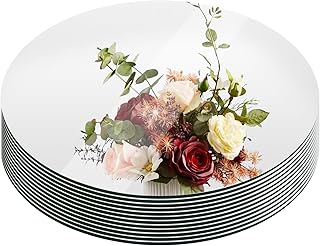


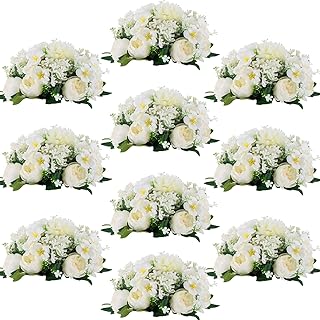
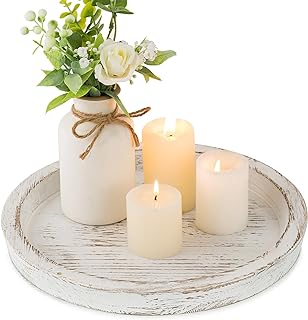


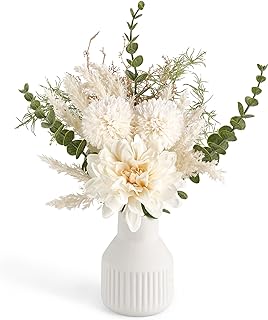


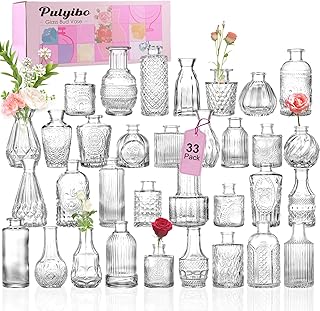

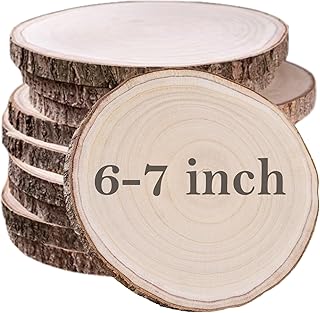


Choosing a centerpiece is less about finding the most elaborate decoration and more about matching appearance, scale, durability, maintenance and occasion. For Canadian shoppers, the right choice can range from a simple dining-table accent to an elaborate wedding arrangement, seasonal display or entertaining setup. The best value usually comes from a centerpiece that looks appropriate in its intended setting without making the table difficult to use.
When comparing centerpiece options, consider the table dimensions, number of people seated around it, available lighting, decorating style, storage space and how frequently the item will be used. A visually impressive piece can become inconvenient if it blocks conversation, occupies too much table space or requires frequent replacement.
A smart purchase balances aesthetics with practical value. Instead of judging a centerpiece only by its photographs, compare the details that determine whether it will work in your home or event.
There is no universal best centerpiece. Different formats suit different tables, rooms and occasions. Understanding the main categories makes it easier to narrow down options before comparing individual products.
Floral arrangements remain a versatile choice for dining rooms, weddings, dinner parties and seasonal decorating. Fresh flowers provide natural variation and fragrance, while artificial flowers can be reused and stored between occasions.
When comparing artificial arrangements, inspect the construction of the stems, leaves and flower heads rather than relying exclusively on product photography. Look for realistic proportions, secure attachment points and a container that provides adequate stability.
Vase arrangements are particularly useful when you want flexibility. A neutral vase can be reused with different flowers, branches, greenery or decorative stems throughout the year. Glass creates a lighter visual appearance, while ceramic and metal can provide a more substantial decorative presence.
Candles can create a warm atmosphere for dining and entertaining. When evaluating these designs, pay attention to the base width, candle compatibility, heat resistance and ease of cleaning. LED candles may be preferable where an open flame would be inconvenient.
For households with children or pets, stability and flame-free operation can be especially important considerations. Never assume that a decorative item is suitable for an open flame unless its specifications clearly support that use.
Bowls, trays and low-profile decorative arrangements work well when maintaining an unobstructed sightline across the table is important. They can hold seasonal ornaments, natural elements, decorative balls or other interchangeable accessories.
Sculptural designs can function as statement pieces in contemporary or minimalist interiors. Metal, glass, wood and mixed-material designs are common choices. Because these products often depend on shape rather than colour or floral detail, proportion and finish quality become particularly important.
Seasonal decorations can create a strong visual theme but may have limited use throughout the year. Before buying, consider whether the item can be adapted for multiple occasions. Neutral containers and interchangeable decorative elements often provide greater flexibility than highly specific designs.
One of the most common buying mistakes is choosing an item based on appearance in a product photograph without considering its real dimensions. A centerpiece that looks modest online can occupy a substantial portion of a dining table.
Measure the intended display area before ordering. Check the listed height, width and depth rather than relying on photographs for scale. If the centerpiece includes branches, stems or other projecting elements, consider their full spread rather than only the dimensions of the base.
The height of a centerpiece affects both appearance and functionality. Low arrangements generally preserve sightlines between diners, making them practical for everyday meals and social gatherings.
Tall arrangements can create greater visual impact, particularly at weddings, receptions and formal events. However, a tall design should not make conversation difficult or create an unstable obstruction. If the arrangement is narrow but very tall, evaluate the weight and footprint of the base carefully.
Glass provides a clean and versatile appearance and can work particularly well with flowers, candles and minimalist décor. Its main practical consideration is fragility. Check whether the vessel has a sufficiently broad base and whether the glass is intended for the type of use you have in mind.
Ceramic vessels and decorative pieces can offer a substantial appearance and a wide variety of finishes. Look for an even base and a construction appropriate for the intended environment. Glazed surfaces may be easier to wipe clean, while textured finishes can require more attention.
Metal centerpieces can suit contemporary, industrial, traditional and festive interiors. Compare the finish, construction, weight and resistance to tarnishing or surface damage. A heavier base can improve stability, although it may also make storage and relocation less convenient.
Wooden trays, stands and decorative objects can introduce warmth and natural texture. Consider the finish and cleaning instructions, especially if the centerpiece will be exposed to moisture from flowers or beverages.
Synthetic materials can provide decorative effects with lower breakage risk than glass. They may be useful for busy households, events or situations where lightweight décor is preferred. However, inspect surface quality and construction because lightweight does not automatically mean durable.
An everyday centerpiece should be attractive without becoming a chore. Low maintenance, easy cleaning and sufficient table space are often more important than elaborate decoration.
A compact vase, shallow bowl, narrow tray or small sculptural object can provide visual interest while leaving room for plates, serving dishes and drinks. Neutral colours and adaptable forms are particularly useful if the dining room décor changes seasonally.
Event centerpieces have different requirements from everyday home décor. Quantity, consistency, transportability, setup time and storage can become as important as appearance.
Canadian homes can have a wide range of interior styles, from traditional dining rooms to compact apartments and contemporary open-plan spaces. The best choice depends more on the room and table than on a particular decorating trend.
For smaller urban spaces, multifunctional décor can be particularly practical because storage may be limited. For larger homes, a statement centerpiece may provide the visual anchor needed for an expansive dining or console table.
Seasonal decorating can also influence purchasing decisions. A reusable neutral centerpiece can be adapted with autumn foliage, winter accents, spring flowers or summer greenery instead of requiring a separate item for every season.
Product specifications provide useful information that photographs cannot. Before choosing between similar options, compare the following details side by side.
Customer reviews can provide useful information, but they should be interpreted alongside specifications. A large number of positive ratings does not automatically mean a centerpiece is appropriate for every table.
Look for recurring comments about dimensions, stability, colour accuracy, material quality, assembly, packaging and long-term appearance. Pay particular attention to reviews that describe how the item was used because an arrangement intended for a wedding reception may have very different requirements from one used daily in a family dining room.
Recent reviews can also help identify whether a product appears consistent with its current listing, while photographs submitted by customers may provide useful perspective on real-world scale. Avoid treating isolated complaints or compliments as definitive evidence.
Professional product photography can make an item difficult to judge for scale. Always compare listed dimensions with the actual table or surface where the centerpiece will be displayed.
The decorative upper section often receives the most attention, but the base determines much of the item's stability. A narrow or lightweight base may be unsuitable for a tall arrangement.
A dramatic centerpiece can interfere with conversation when used around a dining table. Consider the seated eye level of guests as well as the overall height.
Large decorative items can require substantial storage for most of the year. If storage space is limited, choose collapsible, modular or compact designs where practical.
Photographs may show candles, flowers, decorative stones, trays or other styling elements that are not necessarily included. Read the product description and included-items information carefully.
A highly specific trend may have a shorter useful life than a neutral design. If long-term value matters, consider whether the centerpiece can be restyled as your décor changes.
When researching centerpieces and related home décor, shoppers may encounter established brands and retailers such as Amazon Basics, IKEA, Threshold, Umbra, Lenox, Yankee Candle and Royal Doulton. Brand familiarity can be useful as a starting point, but it should not replace comparison of the specific product's dimensions, materials, construction and intended use.
For decorative products, the individual item can matter more than the brand name. Compare the actual specifications, current customer feedback and included components before deciding between products from different manufacturers.
The lowest purchase price is not necessarily the best value. A centerpiece that can be reused across several occasions may be more economical over time than a cheaper item intended for a single event.
Consider whether one neutral piece can be restyled using different flowers, greenery, candles or seasonal accessories. A versatile vase or tray, for example, can support several decorative themes without requiring a completely new centerpiece.
For event purchases, calculate the complete cost per table when multiple units are needed. Include accessories, replacement parts and any disposable components required to achieve the appearance shown in the product listing.
Any centerpiece involving an open flame requires additional care. Keep candles away from flammable flowers, foliage, fabric and other decorative materials, and follow the manufacturer's safety instructions for candleholders and related products.
Battery-powered LED candles can provide a similar visual effect without an exposed flame. If using illuminated products, verify the intended power source and operating instructions before placing them on a dining table.
Proper maintenance can help decorative items retain their appearance for longer. The appropriate cleaning method depends on the material and finish.
Before purchasing, use this checklist to compare shortlisted options objectively:
When several products appear similar, use a consistent comparison framework rather than selecting solely on appearance. Start with size and intended use, then compare construction, materials, stability, versatility, maintenance and customer feedback.
A useful shortlist can divide products according to different priorities instead of declaring one design universally superior. For example, one centerpiece may be particularly suitable for compact dining tables, another for formal entertaining, and another for seasonal decoration. This approach makes a buying guide more useful because shoppers can match the product category to their actual needs.
The best centerpiece depends on the table size, decorating style and how the table is used. For everyday dining, a stable and relatively low design is often practical because it preserves usable space and sightlines.
There is no single ideal height for every table. Low arrangements are generally easier for conversation, while tall arrangements can provide greater visual impact when the surrounding setup allows sufficient clearance.
Artificial flowers can be a practical option when reuse, low maintenance and long-term storage matter. Compare the realism, material quality, construction and container stability rather than judging only the colour or overall photograph.
There is no universally best material. Glass can provide a light and elegant appearance, ceramic can add visual weight, metal can create a contemporary look, and wood can introduce natural texture. Choose based on the environment, maintenance requirements and desired style.
They can be, but the arrangement should not interfere with guests' ability to see or communicate with one another. Consider the seated viewing angle and the stability of the base before choosing a tall design.
Prioritise compact dimensions and a low visual profile. A narrow vase, shallow bowl or small sculptural piece can create a focal point without consuming too much functional table space.
It does not need to match every element exactly. Coordinating colour, material, shape or texture can create a cohesive appearance while allowing the centerpiece to remain a distinct focal point.
Reviews are most useful when they are evaluated for recurring patterns. Look for consistent feedback about size, construction, stability, materials and appearance, and compare those observations with the manufacturer's specifications.
Check dimensions, materials, included components, care requirements, customer feedback and the current product description. Also consider the intended table size, storage requirements and whether additional accessories are required.
The smartest centerpiece purchase is the one that fits the table, suits the occasion and remains practical after the initial visual appeal wears off. Compare dimensions before appearance, evaluate materials before assuming durability, and read customer feedback for recurring real-world observations.
For everyday Canadian homes, versatility and easy maintenance can be especially valuable. For weddings and special events, consistency, scale, transport and setup deserve additional attention. For seasonal decorating, reusable designs can provide greater flexibility than highly occasion-specific pieces.
Before making a final decision, compare the shortlisted products side by side, verify the latest specifications, read current customer reviews and check today's price and availability from trusted retailers. Product information, availability and pricing can change during 2026, so confirm the current listing details immediately before purchasing.