

♥ Wishlist
Compare 22 Caulking Guns Hand Tool for Precise Sealing & Finishing products in Canada. Reviews, ratings, pros, cons and buying advice updated for October 2026.
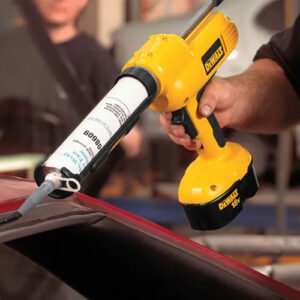
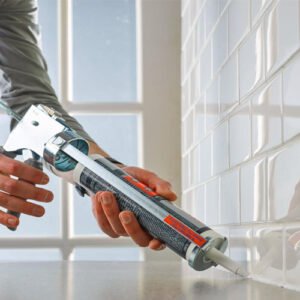
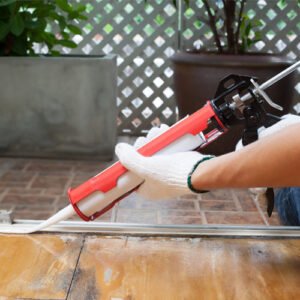


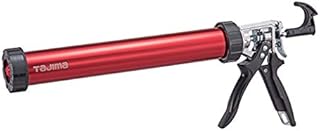


Choosing a caulking gun is less about finding the most expensive tool and more about matching the gun to the type of sealant, frequency of use, cartridge size, and level of control required. A basic manual gun can be perfectly suitable for occasional household repairs, while a higher-quality ratchet, smooth-rod, or professional-grade design can make a noticeable difference when applying large amounts of sealant.
For Canadian buyers, the right choice can also depend on the type of work involved. Sealing windows and doors, finishing bathroom joints, applying construction adhesive, installing trim, repairing exterior gaps, and working with heavier construction sealants can place very different demands on a caulking gun.
This guide focuses on the practical features that matter when comparing caulking guns and hand tools in 2026. Rather than choosing solely on appearance or advertised specifications, consider trigger action, thrust ratio, rod mechanism, cartridge compatibility, frame construction, nozzle-cutting features, drip control, grip comfort, and ease of cleaning.
A caulking gun is a hand-operated tool designed to dispense sealant, caulk, adhesive, or similar cartridge-based materials in a controlled bead. The tool uses a plunger to push material through the cartridge nozzle as the trigger is squeezed.
Common applications include:
The consistency of the material is important. A thin acrylic latex caulk may require considerably less dispensing force than a thick construction adhesive or high-viscosity sealant. This is one reason thrust ratio is an important specification when comparing manual caulking guns.
Ratchet-rod models are among the simplest manual caulking guns. Their mechanism advances the plunger in steps each time the trigger is squeezed. They are generally straightforward to operate and can be suitable for occasional household jobs.
The main advantage is simplicity. The main limitation is that the user may need to squeeze the trigger more frequently, and dispensing can feel less fluid than with a smooth-rod design. When comparing inexpensive models, inspect the frame, trigger, plunger alignment, and overall construction rather than judging quality solely by the exterior finish.
Smooth-rod caulking guns use a continuous rod mechanism rather than the traditional stepped ratchet action. They are often preferred for better control and a smoother dispensing experience.
A smooth rod can be particularly useful when producing consistent beads along long joints. It can also make it easier to regulate material flow when working around corners, trim, fixtures, or other areas where precision matters.
A dripless or no-drip mechanism is designed to reduce the amount of sealant that continues to move through the nozzle after the trigger is released. This feature can help reduce unwanted material flow and make finishing cleaner.
Drip control does not eliminate the need to release pressure correctly or wipe the nozzle when necessary. It is best viewed as a convenience and control feature rather than a substitute for proper application technique.
High-thrust designs are intended to make it easier to dispense thicker materials. A higher thrust ratio means the mechanism provides greater pushing force for a given amount of trigger input, although the exact feel depends on the design of the entire tool.
High-thrust models can be useful for demanding sealants and construction adhesives. However, more thrust is not automatically better for every project. Excessive force can make it harder to control a thin material and may cause an unnecessarily large bead.
A rotating barrel can make it easier to keep the nozzle aligned with the direction of the joint, particularly when following curves or changing direction. This can be useful for detailed finishing work where maintaining a consistent nozzle angle matters.
Battery-powered caulking guns use a motor to advance the cartridge plunger. They can reduce repetitive hand pressure and are especially useful for frequent or extended caulking work.
For occasional DIY projects, however, a powered tool may provide more capacity and complexity than necessary. Manual guns remain practical when portability, simplicity, low maintenance, and purchase cost are priorities.
Thrust ratio is one of the most useful specifications to understand when comparing manual caulking guns. In simple terms, it describes the mechanical advantage provided by the dispensing mechanism.
A lower thrust design may be appropriate for softer materials that flow easily. A higher thrust design is generally more useful for thick materials that require greater dispensing force.
When comparing products, consider the material you actually intend to use rather than selecting the highest advertised thrust ratio simply because it sounds more powerful.
Always check the sealant manufacturer's application instructions to determine whether the cartridge is suitable for the caulking gun and whether any particular dispensing requirements apply.
Before buying a caulking gun, check the cartridge format used by the products you plan to apply. Many conventional caulking guns are designed around standard cartridge dimensions, but not every dispensing package has the same size, shape, or plunger requirements.
A gun that fits your preferred cartridge securely is more useful than a feature-heavy model that does not match the products you regularly use.
Check the following before purchasing:
The trigger is one of the most important contact points between you and the tool. A well-designed trigger should provide predictable movement without requiring excessive effort for the intended material.
Look for a trigger that is comfortable to squeeze repeatedly. A narrow or poorly shaped trigger can become uncomfortable during long projects, while a broad ergonomic trigger may distribute pressure more effectively across the fingers.
Examine how the dispensing rod moves and locks. A mechanism that operates smoothly and maintains good plunger contact can make application more predictable.
On inexpensive tools, inspect the rod for excessive play, rough movement, or visible misalignment. A well-aligned mechanism helps keep the plunger centered against the cartridge.
Drip control can be especially useful when working on visible joints. A tool that stops applying pressure promptly after trigger release can help reduce excess material at the end of a bead.
Do not assume that every product described as dripless behaves identically. Compare the actual mechanism and product specifications when this feature is important to you.
The frame holds the cartridge in position and absorbs force during dispensing. For occasional light work, a basic frame may be sufficient. Frequent users may prefer a more robust construction that is less likely to flex during high-pressure applications.
Metal frames are common on many traditional manual caulking guns, while some models incorporate engineered polymers or mixed-material construction to reduce weight or improve ergonomics.
The plunger should contact the cartridge properly and remain aligned as the rod advances. A poorly matched plunger can cause uneven pressure or make cartridge changes unnecessarily difficult.
If you use several types of cartridges, look for a design that offers the appropriate plunger configuration and compatibility information.
Some caulking guns include an integrated nozzle cutter. This can be convenient because it eliminates the need to find a separate cutting tool before starting work.
However, an integrated cutter should be evaluated as a convenience feature rather than a reason by itself to select one model over another. The quality of the dispensing mechanism, trigger, and frame generally matters more to the final application.
Many cartridge systems require the inner seal to be punctured before material can flow. Some caulking guns incorporate a small puncture tool into the frame.
A built-in puncture feature can reduce setup time, but it should be stored or positioned safely when not in use.
Grip design becomes increasingly important as project duration increases. A comfortable handle can reduce hand fatigue, especially when dispensing thick materials.
Look for a grip that allows your fingers to operate the trigger naturally without forcing the wrist into an awkward angle. Ergonomics are subjective, so dimensions and design should be considered alongside the intended workload.
The choice between manual and powered dispensing tools largely depends on workload.
For a homeowner who applies a few cartridges of sealant periodically, a quality manual model can often be the more practical choice. For someone who regularly performs long sealing jobs, the reduction in hand fatigue offered by a powered model may justify the additional complexity.
Bathroom and kitchen work usually rewards control more than brute force. Sealant joints around sinks, tubs, showers, countertops, and backsplashes are highly visible, so a controlled bead can make the finished project look considerably cleaner.
A smooth trigger, predictable dispensing, and good nozzle control are particularly valuable in these applications.
When comparing tools for these projects, prioritize:
Always choose a sealant appropriate for the specific bathroom or kitchen application. The caulking gun controls the material; it does not determine whether the sealant itself is suitable for moisture, movement, temperature, or the surfaces being joined.
Sealing around windows and doors can involve long continuous joints, making consistent dispensing especially important. A gun that feels comfortable during repeated trigger operation can be more useful than a basic model that becomes tiring after a short period.
For exterior work, the sealant's environmental suitability is particularly important. Canadian weather can expose exterior joints to significant temperature changes, moisture, wind, and seasonal movement. Select the sealant according to the manufacturer's stated application requirements, and select the caulking gun according to the material's dispensing characteristics.
Construction adhesives are often thicker than ordinary household caulk. This makes thrust ratio and mechanical efficiency more important.
If you regularly use heavy adhesive cartridges, consider a gun designed to provide sufficient dispensing force without making the trigger uncomfortably difficult to operate.
A common buying mistake is purchasing a lightweight low-thrust tool because it looks convenient and then discovering that the adhesive requires substantial hand pressure. Matching the dispensing mechanism to the material can prevent this problem.
Steel construction can provide rigidity and durability for demanding applications. A strong frame can be beneficial when working with thick materials that generate considerable dispensing resistance.
Aluminum can provide a useful balance between rigidity and weight. It may be attractive to users who want a robust tool without unnecessary mass.
Modern engineered polymers can reduce weight and may provide comfortable molded grips or other ergonomic features. However, the presence of plastic does not automatically indicate poor quality. What matters is how the material is used in the load-bearing portions of the mechanism.
Some tools combine metal structural components with polymer handles, triggers, or housings. This can provide a balance of durability, comfort, and weight.
An occasional user usually benefits from simplicity. A straightforward manual caulking gun with a reliable frame, comfortable trigger, and suitable cartridge compatibility may provide everything needed for small maintenance jobs.
Frequent DIY users may benefit from a smoother mechanism, better ergonomics, and more versatile cartridge compatibility. If several cartridges will be used during a renovation, ease of loading and cleaning can become significant advantages.
Professionals should pay closer attention to mechanical durability, trigger comfort, thrust ratio, grip ergonomics, and the ability to maintain consistent dispensing over extended periods.
For frequent use, a small difference in trigger comfort can matter more than a decorative feature because the tool may be operated repeatedly throughout the workday.
For trim, cabinetry, visible joints, and other finish-oriented applications, control is often the priority. A smooth mechanism and predictable pressure can make it easier to maintain a consistent bead.
The least expensive caulking gun may be adequate for occasional use, but price alone does not reveal how comfortable or controllable the mechanism will be. Compare construction, thrust, trigger design, cartridge compatibility, and user requirements before deciding.
More mechanical advantage is useful for thick materials but may not be ideal for thin sealants. Excessive dispensing force can make precise application harder if the trigger is difficult to modulate.
A tool can have excellent specifications and still be uncomfortable to operate. If a project involves many cartridges, hand comfort should be treated as a core buying criterion.
Always check compatibility before purchasing. Cartridge dimensions and dispensing formats can vary, and a gun intended for one format may not be suitable for another.
A built-in cutter, puncture pin, or storage feature can be convenient, but these additions should not overshadow the quality of the dispensing mechanism.
The best caulking gun cannot compensate for an inappropriate sealant. Material selection, surface preparation, application temperature, joint design, curing conditions, and manufacturer instructions all affect the finished result.
Tool selection is only one part of achieving a professional-looking finish. Good application technique also matters.
A smaller nozzle opening generally gives greater control over the quantity of material being deposited, while a larger opening can deliver more material more quickly. The correct opening depends on the joint and the application.
The nozzle opening influences the size and shape of the bead. Cutting it too aggressively can produce a bead that is larger than necessary and more difficult to control.
When appropriate, make the opening size correspond to the joint rather than automatically cutting the nozzle at its largest point. A diagonal cut can help place the nozzle against the joint while maintaining control of the leading edge.
Some cartridges and sealants have specific application instructions, so those instructions should take priority over generic technique.
Loading procedures vary slightly by design, but the general process involves releasing or retracting the plunger, placing the cartridge securely into the frame, positioning the plunger against the cartridge base, and advancing the mechanism until the material is ready to dispense.
Do not force a cartridge into a frame that appears too small. If the cartridge does not sit correctly, confirm that the gun and cartridge formats are compatible.
Proper maintenance can help keep a manual caulking gun operating smoothly. The exact cleaning method should take into account the sealant or adhesive used.
Do not use solvents or cleaning products unless they are compatible with the tool and material involved. Some chemicals can damage plastics, coatings, seals, or other components.
When reading customer reviews, focus on recurring observations rather than isolated comments. Reviews can be useful for identifying practical issues that may not be obvious from a specification sheet.
Useful review signals include repeated comments about:
It is also useful to distinguish comments about the caulking gun from comments about the sealant itself. A reviewer may report difficulty dispensing a product because the material is unusually thick, not necessarily because the tool is defective.
When researching manual and powered caulking guns, buyers may encounter established tool brands such as Milwaukee, DEWALT, Makita, RIDGID, Irwin, Tajima, Albion, Newborn, Dripless, and Husky, as well as numerous general-purpose tool manufacturers.
Brand recognition should be treated as one comparison factor rather than proof that a particular model is the best choice. Compare the individual model's specifications, cartridge compatibility, thrust mechanism, construction, ergonomics, warranty information provided by the manufacturer, and current customer feedback.
For Canadian shoppers, also confirm that the particular model and cartridge configuration you are considering is appropriate for the Canadian market and available through a retailer you trust.
Use the following checklist when comparing several models side by side:
Thrust ratio deserves more attention when the material is thick and the project involves multiple cartridges. For lightweight household caulking, ergonomics and control may be more important than maximum mechanical advantage.
If you regularly work with construction adhesive or heavy sealants, compare thrust specifications carefully. If you primarily seal small gaps with relatively easy-flowing caulk, a balanced mechanism may provide a better overall experience.
The Canadian climate can make sealing and maintenance particularly important around exterior building components. Temperature changes can affect sealant behavior during application and curing, while seasonal movement can place demands on properly designed joints.
The caulking gun itself does not make a sealant weatherproof. The important purchasing decision is to select a dispensing tool capable of handling the chosen sealant while following the sealant manufacturer's requirements for temperature, surface preparation, application, and curing.
For outdoor projects, pay particular attention to the product's specified application conditions. Do not assume that a caulking gun or sealant is suitable for cold-weather application merely because it is sold in Canada.
Although manual caulking guns are relatively simple hand tools, basic precautions are still important.
A budget caulking gun can make sense when the tool will be used occasionally for small jobs. If you only need to apply a cartridge of sealant a few times each year, there may be little reason to pay for advanced mechanisms you will rarely use.
A higher-quality model can become more worthwhile when the tool will be used frequently. Better trigger ergonomics, smoother dispensing, stronger construction, and improved control can reduce frustration over repeated applications.
The practical question is not whether an expensive model is inherently better. It is whether the features you are paying for solve a problem you actually encounter.
No. A more expensive model may offer better ergonomics, construction, control, or specialized features, but those advantages only matter if they match your application.
Not universally. Smooth-rod designs can provide a more continuous dispensing action, while ratchet designs can be simple and economical. Choose according to the material, workload, and level of control you require.
There is no single ideal ratio for every household. The appropriate level depends on the sealant or adhesive being dispensed. Check the material manufacturer's recommendations and select a gun capable of handling that material comfortably.
Drip control can be valuable for cleaner application and reduced unwanted material flow. It is especially useful when working on visible joints, but it should be considered alongside trigger feel, construction, and overall dispensing performance.
Many general-purpose guns can handle multiple compatible cartridge products, but compatibility should always be checked. Cartridge size, plunger design, material viscosity, and dispensing requirements can differ.
Usually not. They can be useful for frequent or extended work, particularly when repetitive hand squeezing becomes tiring. For occasional DIY applications, a manual gun may be simpler and more economical.
For most buyers, the most important feature is the combination of appropriate thrust, reliable dispensing control, comfortable trigger operation, and compatibility with the materials being used.
When reviewing a shortlist of ten products, avoid ranking models on one specification alone. A useful comparison should consider the complete combination of performance characteristics.
A model that ranks highly for construction adhesive may not be the best option for detailed bathroom finishing. Likewise, a lightweight household model may be excellent for occasional maintenance but less suitable for repeated professional work.
A smart buy is not necessarily the product with the most features or the highest advertised thrust. It is the model that provides the capabilities required for the intended application without unnecessary cost or complexity.
Before purchasing, identify the material you will use, estimate how often you will use the tool, decide whether manual operation is sufficient, and compare the specifications of several competing models.
For many Canadian homeowners, a reliable manual caulking gun with good control and comfortable operation will cover a wide range of maintenance projects. Buyers who regularly work with thick adhesives or large quantities of sealant may benefit from a higher-thrust professional model or powered dispensing tool.
The best caulking gun depends on the job rather than a universal ranking. Start with cartridge compatibility and material viscosity, then compare thrust, dispensing mechanism, trigger comfort, frame construction, drip control, and overall usability.
For occasional household work, keep the selection simple and prioritize reliable operation. For renovation projects, place greater emphasis on ergonomics and control. For demanding construction applications, pay close attention to thrust capability and frame rigidity. For frequent professional use, durability and hand comfort can be just as important as raw dispensing power.
When comparing the top caulking gun deals available in Canada in 2026, check the latest specifications, current customer feedback, seller information, and today's price before making a purchase. Product availability and pricing can change, so a model that represents good value at one point may not remain the best value later.
A quality manual caulking gun with suitable thrust, comfortable trigger operation, and compatible cartridge support is a practical choice for many homeowners. The exact design should depend on the sealants and adhesives you expect to use.
The terms are often used interchangeably for cartridge-based dispensing tools. However, specific products can be designed around different materials, cartridge formats, or higher-force applications, so the manufacturer's stated compatibility is more important than the name used in a listing.
Some can. Construction adhesive can be considerably thicker than ordinary caulk, so the dispensing tool needs sufficient mechanical advantage and cartridge compatibility. Check both the adhesive packaging and caulking gun specifications before use.
No mechanism should be treated as a guarantee of zero material movement under every condition. Drip-control designs can reduce unwanted flow after trigger release, but proper pressure release, nozzle technique, and sealant characteristics also affect dispensing.
A rotating barrel can be useful when working around curves, corners, or changing joint directions because it can help maintain a convenient nozzle orientation. It is most valuable when that flexibility matches the type of work you perform.
Metal can provide rigidity and durability, but construction quality depends on the entire design. Some polymer components can provide useful weight and ergonomic advantages. Compare the load-bearing structure, mechanism, and intended application rather than judging solely by material.
Match its thrust capability to the material you intend to dispense. Thick adhesives and sealants generally require more dispensing force than softer caulks. If the tool requires excessive hand pressure during normal use, the mechanism may not be well matched to the material.
Not automatically. Silicone products vary in formulation and dispensing characteristics. A high-thrust tool can be useful when the material requires greater force, but excessive mechanical advantage can reduce fine control. Check the specific product instructions and choose a balanced tool for the application.
Check the cartridge format, thrust specification, mechanism type, dimensions, weight, construction, trigger design, current customer feedback, retailer information, and current price. Also verify that the particular model is appropriate for the cartridge and sealant you plan to use.
There is no universal replacement interval. A well-maintained tool may remain useful for a long time, while heavy use, damaged components, corrosion, bent rods, unreliable trigger mechanisms, or poor cartridge alignment can indicate that replacement is appropriate.
The best professional model depends on the materials and workload. Frequent users should place particular emphasis on mechanical reliability, trigger comfort, thrust capability, cartridge compatibility, and long-term usability rather than choosing solely from a consumer popularity ranking.
A straightforward manual model with an easy-to-understand mechanism, comfortable grip, suitable cartridge compatibility, and predictable dispensing can be a good starting point. Beginners generally benefit more from control and ease of use than from advanced features they may not need.
Compare several models with similar specifications and consider the total feature set rather than the advertised discount alone. Check current prices, customer feedback, cartridge compatibility, and the type of work you expect to perform. A moderately priced tool that fits your application can be a better purchase than a more expensive model with unused features.