

♥ Wishlist
Compare 20 Bed Frames & Bases for a Comfortable Bedroom products in Canada. Reviews, ratings, pros, cons and buying advice updated for October 2026.


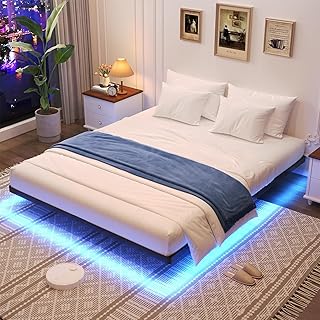


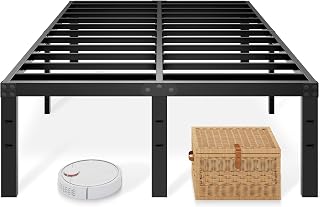


Choosing a bed frame or mattress base is about more than appearance. The right foundation needs to support the mattress correctly, fit the bedroom, accommodate the sleeper's needs, and remain practical for everyday use. For Canadian shoppers, dimensions, construction, assembly, floor protection, storage requirements and compatibility with the mattress are particularly important when comparing options.
This guide is designed to help you evaluate bed frames and bases before buying rather than choosing solely on price or appearance. Product specifications, included components and retailer terms can change, so check the current listing carefully before placing an order.
A smart purchase balances structural support, useful features, durability, compatibility and total cost. The cheapest bed frame is not necessarily the best value, while an expensive frame is not automatically better. The goal is to identify the features that matter for your mattress, room and sleeping setup and avoid paying for features you will not use.
The terms bed frame, bed base, platform bed and foundation are often used interchangeably, but they can describe different constructions. A traditional bed frame may primarily provide the structure that holds a mattress and foundation. A platform bed typically incorporates a supporting surface or slats designed for the mattress to rest on directly. A foundation may be a separate rigid support placed between the mattress and a frame.
Before buying, determine exactly what the listing includes. A product described as a bed frame may not include a mattress foundation, while a base may not include a decorative headboard or footboard. This distinction is especially important when comparing prices between apparently similar products.
Platform beds are popular because they can provide a relatively straightforward mattress-support solution. Depending on the design, the mattress may rest directly on wooden or metal slats, a solid platform or another integrated support structure.
For a platform design, inspect the support arrangement rather than judging it solely by its exterior. Look for information about slat dimensions, spacing, centre support and the manufacturer's recommended mattress types.
Traditional frames can be useful when you already have a compatible box spring or foundation. Their suitability depends on the specific dimensions and support arrangement. Check whether the frame is intended for the foundation you already own before purchasing.
Adjustable bases allow the sleeping surface to be raised or lowered in sections. Some models incorporate additional electronic features, but those features should be evaluated separately from the basic structural function of the base.
Compatibility is particularly important with adjustable bases. Confirm that your mattress is designed for adjustable use and check the base's dimensions, weight limits and control system before purchasing.
One of the easiest mistakes is selecting a frame based on a mattress size name without confirming the actual dimensions. Canadian and North American mattress sizing is generally expressed using familiar categories such as Twin, Twin XL, Full, Queen, King and California King, but exact product dimensions can vary slightly between manufacturers.
Measure the mattress you actually own when possible and compare those measurements with the frame's stated interior dimensions. Do not assume that every frame labelled with the same size has identical external dimensions.
Start with the room rather than the product. Measure the area where the bed will sit and leave sufficient clearance for doors, drawers, wardrobes, bedside tables and walking paths.
Remember that the published mattress size does not represent the total footprint of the assembled bed. Headboards, side rails, storage drawers and decorative components can make the finished product considerably larger than the mattress.
A frame can fit perfectly in the bedroom and still create problems during installation. Measure narrow entrances, staircases, elevators and turns if the bed will be assembled from large components.
Knock-down frames with smaller components can be particularly convenient in apartments, condos and rooms with restricted access, although the number of assembly pieces should still be considered.
Do not assume that every mattress works equally well on every frame. Foam, hybrid, innerspring and other mattress constructions can have different foundation requirements. Always follow the mattress manufacturer's support recommendations.
Look beyond the headboard and finish. The structural components underneath the mattress have a direct role in stability. Check for side rails, centre rails, support legs, slats and any additional reinforcement shown in the specifications.
A frame used by one person has different practical demands from one regularly shared by two adults. Movement, combined sleeper weight and the amount of force placed on the frame during normal use should all be considered.
Steel is widely used for bed frames because it can provide a strong structural framework while allowing manufacturers to create relatively slim rails and support components. Steel frames are available in minimalist platform designs, folding constructions, traditional frame configurations and beds with decorative elements.
When evaluating a steel frame, do not focus only on the fact that it is described as metal. Important details include tube dimensions, connection points, support-leg configuration, weld quality where applicable, finish and the overall design of the frame.
Wooden bed frames can provide a warmer appearance and work particularly well with traditional, Scandinavian, farmhouse and contemporary bedroom styles. However, the term "wood" covers several different construction approaches.
Solid wood construction can offer a substantial appearance and natural material characteristics. Different species have different densities, grain patterns and finishing properties, so the exact wood type matters.
Engineered wood products can be used effectively in furniture when appropriately designed and manufactured. They are often incorporated into storage beds, platform structures and decorative components.
When comparing wooden frames, inspect the structural design rather than assuming solid wood is automatically the superior choice. Rail thickness, joints, centre support, fasteners and overall engineering can be just as important as the material category.
Upholstered frames add fabric-covered surfaces to the bed structure and can create a softer visual effect than exposed metal or wood. They are particularly popular when the headboard is intended to become a major design feature.
For upholstered products, examine the fabric type, cleaning instructions, padding construction, headboard height and whether the upholstery covers structural areas that may experience regular contact.
Light-coloured upholstery can require more attention in households with children or pets, while textured or darker fabrics may have different visual and maintenance characteristics. The most suitable choice depends on how the room is used rather than appearance alone.
Storage beds can make use of otherwise unused space beneath the mattress. Options may include drawers, lift-up compartments, shelves or open storage areas.
Storage capacity should not be evaluated purely by the number of drawers. Consider the dimensions of the compartments, how far drawers extend, whether they can be opened with bedside furniture nearby, and how easily the storage can be accessed.
Drawers are convenient for items that need frequent access, such as clothing, bedding and accessories. However, the bedroom needs sufficient side clearance for the drawers to open fully.
Hydraulic or assisted lift-up systems can provide a large storage compartment under the mattress platform. Before buying, check how the lifting mechanism operates, whether the mattress weight is within the specified range and whether the design provides convenient access.
Open clearance makes it easy to use storage containers underneath the bed. It can also make cleaning easier than a fully enclosed design, although stored items are more visible and can collect dust.
Bed height affects both aesthetics and everyday usability. Low-profile frames can create a modern, streamlined appearance and may make a bedroom feel more open. Higher frames can provide additional under-bed storage and may be easier for some sleepers to enter and leave.
Calculate the total sleeping height by considering the frame or base together with the mattress. A thick mattress placed on a tall frame can result in a substantially higher sleeping surface than expected.
Slats are one of the most important components of many platform beds. They distribute the mattress load across the supporting structure and influence how the mattress is supported.
Pay attention to:
Never assume that adding extra slats automatically makes a frame suitable for a mattress. Mattress manufacturers can specify particular support requirements, and those requirements should take priority.
Queen and larger frames commonly require more substantial central support than smaller beds. A centre rail and appropriately positioned support legs can help distribute the load across the floor and frame.
When shopping, look at the actual support layout rather than simply searching for the phrase "heavy duty." Product descriptions can use broad marketing terminology, while the useful information is found in the specifications and construction details.
Weight capacity is an important comparison point, but shoppers should understand what the stated figure represents. Depending on the manufacturer, the published capacity may refer to the total supported load or another defined measurement.
Consider the combined weight of:
Choose a frame whose published capacity comfortably accommodates your actual requirements. If the manufacturer does not clearly explain the capacity, avoid making assumptions based solely on appearance.
Noise is one of the most common practical complaints associated with bed frames. Creaking, squeaking or clicking can result from movement at joints, loose fasteners, friction between components or interaction between the frame and floor.
A stable design with well-secured connections is generally preferable to one that relies on a large number of loosely connected pieces. After assembly, follow the manufacturer's instructions for tightening and periodically inspect accessible fasteners if the design permits.
Assembly can have a significant effect on the buying experience. A frame that looks simple in photographs may contain numerous rails, brackets, slats and fasteners.
Before ordering, examine the product information for assembly requirements. Consider whether the frame requires two people, whether specialist tools are necessary, whether the components are particularly large, and whether the finished product can later be disassembled for a move.
Apartment shoppers should consider more than bedroom dimensions. Elevator size, stairwells, narrow corridors and building access can influence which frame design is practical.
Frames that arrive in compact packages may be easier to manoeuvre than fully assembled furniture. However, compact packaging usually means more assembly, so compare the two trade-offs before deciding.
Also consider whether the frame has components that could scratch floors or walls during installation. Felt pads or appropriate floor-protection accessories can be useful where compatible with the frame design and flooring.
Brand familiarity can be a useful starting point, but it should not replace specification checking. Depending on the product category and current Canadian availability, shoppers may encounter brands such as Zinus, Amazon Basics, Allewie, Novogratz, Yaheetech, DHP, Linenspa, Nectar, Casper and Endy.
Brand ranges can contain substantially different designs, so compare the individual model rather than assuming every frame from the same manufacturer has the same construction or capacity. Always verify the current product dimensions, included components, mattress compatibility and retailer information before purchasing.
When two products look similar, use a structured comparison instead of choosing the one with the lower price.
Customer reviews can provide useful information, but they should be interpreted carefully. The most valuable comments tend to describe specific long-term or practical issues rather than simply saying that a product is "good" or "bad."
When reading reviews, look for recurring comments about:
A single negative review does not necessarily establish a product-wide problem. Look for patterns across multiple reviews and compare those observations with the manufacturer's specifications.
A low purchase price can be attractive, but the frame still needs to meet your structural and compatibility requirements. Compare construction, support, included components and expected usability before deciding.
The frame is part of the mattress support system. Choosing a frame without checking the mattress manufacturer's requirements can create an avoidable compatibility problem.
A Queen mattress may have a standard nominal size, but the finished frame can extend well beyond it. Always check the assembled footprint.
Frame height plus mattress thickness can produce a much taller sleeping surface than expected. Measure the combined height before purchasing.
Storage drawers require usable floor clearance. A drawer that cannot open because of a bedside table or wall provides little practical value.
Marketing descriptions should be supported by actual specifications. Look for measurable information such as capacity, structural components and dimensions.
The same bed frame can behave differently on different flooring surfaces. Hard floors, carpet and uneven surfaces can affect movement and stability.
Mattresses with substantial construction can add considerable weight to the overall load. If you own a particularly heavy mattress, include its weight when evaluating the frame's capacity.
Pay particular attention to centre support and the number and placement of support legs. A frame designed around the correct mattress size may still be unsuitable if its load rating or support configuration does not match your setup.
Guest-room furniture benefits from versatility. A simple, neutral frame can work with different mattress styles and bedroom decor while keeping the room easy to maintain.
For a guest room, useful priorities may include straightforward assembly, dependable support, easy cleaning, adequate under-bed clearance and compatibility with the mattress already available.
For younger sleepers, consider stability, appropriate height, exposed edges, available floor space and the manufacturer's stated capacity. Storage can also be useful where bedroom space is limited.
Parents should check the complete product specifications and safety information rather than selecting a frame solely on appearance or advertised features.
In a primary bedroom, aesthetics often become more important because the bed is one of the largest pieces of furniture in the room. Upholstered headboards, natural wood finishes, minimalist metal frames and storage beds can create very different visual effects.
Even when appearance is the main priority, structural details should remain part of the comparison. The most attractive frame is not a smart purchase if it does not provide the support, dimensions or capacity required by the mattress.
A platform bed can provide direct mattress support through slats or a platform surface. A traditional box spring or foundation can serve as a separate support layer when used with a compatible frame and mattress.
The correct choice depends on the mattress and the desired sleeping height. Check the mattress manufacturer's foundation requirements before choosing between a platform design and a separate foundation.
A headboard is primarily a design and comfort feature rather than an automatic indicator of structural quality. Some shoppers prefer a padded headboard for sitting up in bed, while others prefer the clean appearance of a headboard-free platform.
If a headboard is important, check how it attaches to the frame. Some designs use integrated mounting points, while others may require a separate compatible component.
Under-bed clearance can be useful for storing seasonal clothing, luggage, bedding and other items. Measure the actual clearance rather than relying on the visual appearance of product photographs.
Storage containers also have their own height and width requirements. A frame with generous clearance may still be inconvenient if the available space does not accommodate the containers you intend to use.
Routine maintenance can help keep a bed frame stable and presentable. The exact care method depends on the materials and manufacturer's instructions.
Correct assembly and appropriate loading are two of the most important factors in long-term use. Follow the manufacturer's assembly sequence and use the supplied hardware correctly. Avoid exceeding the stated capacity and do not treat the frame as a substitute for furniture designed to support additional loads.
If a frame begins to move or squeak, identify the source rather than repeatedly tightening random components. A loose connection, uneven floor or damaged component may require a different solution.
A genuine value comparison should consider the complete product rather than the headline discount. A frame advertised at a lower price may require additional components that another product includes, while a seemingly more expensive model may include storage, a headboard or an integrated support system.
When comparing current Canadian deals, record the complete specification of each candidate and compare like-for-like. Verify the current price immediately before purchase because retailer pricing, promotions and inventory can change.
Consider whether you already own a compatible mattress foundation, whether a headboard is necessary, whether additional support components are required and whether you need storage accessories. This provides a more realistic picture of value than the frame price alone.
There is no single best bed frame for every Canadian household. The right choice depends on mattress size, construction, available bedroom space, desired height, storage requirements, weight capacity and budget. Compare these factors before selecting a specific model.
Neither material is universally better. Metal can provide a practical structural solution and a minimalist appearance, while wood can offer a warmer aesthetic and substantial furniture construction. The engineering, support arrangement and build quality of the individual frame matter more than the material label alone.
Strength depends on the specific construction, materials, joints, support system and published load rating. A frame should be evaluated using its actual specifications rather than assumptions based on whether it is described as metal, wood or heavy duty.
No. Mattress compatibility depends on the specific mattress and platform design. Check the mattress manufacturer's foundation requirements, particularly the required support surface and slat spacing.
Not necessarily. Many platform beds are designed for the mattress to sit directly on the integrated support structure. Adding a separate foundation can change the sleeping height and may not be appropriate for every setup, so check the requirements of both products.
They can be worthwhile when storage space is limited and the compartments are accessible in your room. Compare usable storage capacity, drawer clearance, opening mechanisms and the effect on cleaning before buying.
The frame should accommodate the combined weight of the sleepers, mattress and other normal loads that the manufacturer considers when specifying its capacity. Use the manufacturer's published rating rather than estimating from the appearance of the frame.
Squeaking can occur when joints or fasteners move against one another, when components loosen, or when the frame interacts with an uneven floor. Inspect the connections and support points and follow the manufacturer's maintenance instructions.
A compact platform frame, low-profile frame or carefully designed storage bed may work well depending on the room. Measure the complete external footprint and allow space for doors, drawers and walking paths before purchasing.
A headboard is mainly a matter of personal preference, bedroom style and desired functionality. If you like reading or relaxing against the bed, an appropriately padded headboard may be useful. If you prefer a minimalist look, a headboard-free platform can be simpler.
No. Adjustable bases require a mattress designed or approved for that type of movement. Confirm compatibility with the mattress manufacturer before purchasing an adjustable base.
There is no universal inspection interval for every frame. It is sensible to pay attention to changes in movement, stability or noise and inspect accessible connections according to the manufacturer's instructions.
The smartest bed frame purchase is the one that solves your specific requirements without unnecessary compromises. Start with the mattress size and support requirements, then evaluate dimensions, construction, weight capacity, centre support, slat configuration and overall height. After those fundamentals are satisfied, compare storage, headboards, appearance, assembly and other convenience features.
For Canadian shoppers, the final step should always be a current specification and retailer check. Prices, promotions, inventory, delivery options and product configurations can change during 2026. Before purchasing, verify the exact model, current specifications, included components and applicable retailer terms.
Whether you are comparing an affordable steel platform, a wooden bed, an upholstered frame, a storage bed or an adjustable base, focusing on measurable specifications and real-world fit will make it easier to identify a genuinely smart buy rather than simply a product with an attractive headline deal.