

♥ Wishlist
Compare 37 Armoires, Chests and Dressers for Organised Canadian Homes products in Canada. Reviews, ratings, pros, cons and buying advice updated for October 2026.
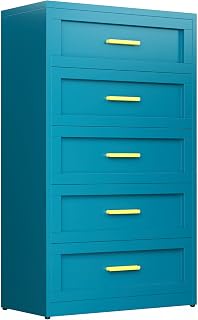


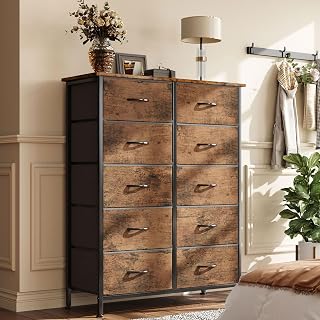


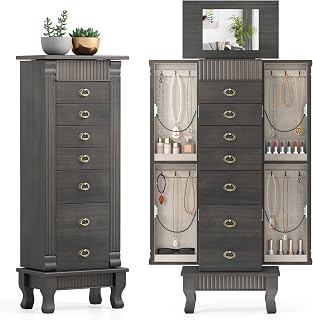

Choosing bedroom storage is about more than appearance. The right armoire, chest or dresser needs to fit the available floor area, provide enough usable storage, suit the room's layout and withstand regular opening, closing and loading. Canadian shoppers should also consider room dimensions, seasonal clothing needs, delivery access and the practical differences between assembled and ready-to-assemble furniture.
When comparing options, look beyond the product photograph. Dimensions, drawer construction, hardware, materials, weight capacity, storage configuration and assembly requirements can have a greater effect on long-term satisfaction than decorative styling. A lower-priced unit is not necessarily the better value if it provides less usable storage or uses construction that does not suit your needs.
These three furniture categories overlap, but they solve different storage problems. Understanding the distinction makes it easier to narrow a large selection before comparing individual models.
An armoire is generally the strongest choice when you need vertical storage for clothing, hanging garments or larger items. Depending on the design, an armoire may combine doors, shelves, drawers and a hanging compartment.
A chest usually emphasizes vertical drawers rather than a broad horizontal surface. It can be particularly useful in smaller bedrooms where a narrower footprint is preferable.
A dresser typically has a wider horizontal footprint and multiple drawers. It can provide substantial folded-clothing storage while also creating a surface for everyday items, depending on the design.
Start with the external dimensions rather than relying on a visual estimate. Measure the intended location and compare the available width, depth and height with the manufacturer's stated dimensions.
Also measure the route into the room. A piece that fits perfectly against the bedroom wall may still be difficult to move through a doorway, hallway, stairwell or elevator. For tall furniture, check ceiling height and any sloped or obstructed areas along the installation route.
Storage capacity is not determined solely by the number of drawers. Two dressers with the same number of drawers can offer very different practical capacity because of differences in drawer width, depth, height and internal construction.
Drawer construction is one of the most important details to inspect. Look for smooth movement, consistent gaps and hardware that appears appropriate for the size and expected load of the drawer.
When specifications are available, pay attention to drawer guides, stops and construction materials. A drawer designed for lightweight clothing does not necessarily make a suitable storage location for books, tools or other heavy objects.
Hardware has a direct effect on everyday usability. Compare the type of drawer slides, handles, hinges and other moving components rather than judging a unit only by its finish.
Furniture can incorporate solid wood, engineered wood, particleboard, medium-density fibreboard and combinations of different materials. The best choice depends on the intended use, budget and design priorities.
Solid wood can provide a distinctive natural appearance and can often be repaired or refinished depending on the finish and construction. Engineered materials can provide consistent dimensions and are widely used in contemporary furniture. Veneers and laminate-style finishes can also provide particular aesthetic and maintenance advantages.
Do not assume that one material automatically makes a piece superior in every respect. Inspect the complete construction, including the back panel, drawer boxes, joints, hardware and base. Material quality and assembly can be just as important as the material name.
A smart purchase balances price, construction, storage efficiency, appearance and long-term practicality. The cheapest option may not represent the lowest overall cost if it needs to be replaced sooner or does not provide enough storage.
A more useful comparison is to evaluate how much functional storage you receive for the amount you spend. Consider the number of usable drawers, internal dimensions, hardware quality, construction method and expected frequency of use.
Solid wood is often selected for its natural character, substantial feel and potential longevity. Different wood species have different hardness, grain patterns, colours and maintenance requirements, so the phrase "solid wood" alone is not enough to determine quality.
Engineered wood products are common in modern bedroom furniture. They can offer predictable dimensions and support a wide range of finishes and designs. The quality of the panels, edge treatment, fasteners and assembly method should be considered when comparing models.
Medium-density fibreboard provides a smooth surface that can work particularly well with painted or coated finishes. It is commonly used for furniture components where a consistent surface is desirable.
Particleboard can help manufacturers produce affordable furniture in a broad range of styles. Its suitability depends heavily on thickness, surface treatment, fastening methods and protection from moisture.
Metal may be used for drawer slides, handles, brackets, frames or reinforcement. When comparing products, consider where metal components are used and whether they are appropriately designed for the furniture's intended load and frequency of use.
The ideal drawer configuration depends on what you intend to store. A unit with six identical drawers is not automatically more useful than one with a mixture of large and small compartments.
Room size should influence the furniture footprint. A large dresser can provide excellent storage but become inconvenient if it reduces the usable walking area around the bed.
Measure the wall, then consider the furniture's depth rather than width alone. A deep dresser can extend substantially into a walkway. For wardrobes and armoires, account for doors or drawers when fully opened.
Small bedrooms benefit from storage designs that use vertical space efficiently. A tall chest or compact armoire can sometimes provide substantial capacity without occupying as much floor area as a very wide dresser.
Look for furniture with a relatively compact footprint, practical drawer depth and storage compartments that match your belongings. Avoid buying an oversized unit simply because it offers a greater number of drawers if those drawers will remain difficult to access.
A larger bedroom gives you more freedom to choose wider dressers, matching chests or full-size armoires. However, bigger furniture is not automatically better. Excessive empty space inside drawers can make organization less efficient, while an oversized piece can dominate the room visually.
For larger bedrooms, consider whether coordinated pieces provide a more useful storage system than one extremely large unit. A dresser combined with a chest can separate everyday clothing from accessories, linens or seasonal items.
Stability is an essential consideration for tall and heavy bedroom furniture. A tall armoire or chest should be evaluated for its stability and the availability of an appropriate anti-tip solution.
Ready-to-assemble furniture can be convenient and economical, but assembly time and complexity vary significantly. Before purchasing, determine whether the product arrives fully assembled, partially assembled or as a flat-packed kit.
Review the assembly information for the number of components, required tools, recommended number of people and installation method. Large or tall furniture can be difficult to assemble safely without adequate working space.
Customer reviews can provide useful information, but they should be interpreted systematically. A single positive or negative comment is less informative than a recurring pattern across many verified purchases.
Look specifically for comments about assembly, drawer alignment, hardware, finish consistency, dimensions, stability and long-term use. Reviews that include photographs can also help reveal differences between promotional images and the furniture in an actual home.
Brand familiarity can help narrow the market, but brand name should not replace specification-level comparison. Depending on the style and price segment, Canadian shoppers may encounter products from brands such as IKEA, South Shore, Prepac, Sauder, Ashley Furniture and other established furniture manufacturers.
Compare each model on its own specifications. Even within the same brand, construction, dimensions, materials, hardware and intended use can vary considerably between collections.
Modern dressers and armoires often emphasize clean lines, simple hardware and relatively restrained finishes. These designs can work well when the bedroom already contains contemporary furniture.
Traditional designs may incorporate decorative moulding, detailed hardware, raised panels or more elaborate profiles. They can suit rooms where visual character is as important as storage capacity.
Transitional furniture combines elements of traditional and contemporary styling. It can be a practical choice when you want a design that coordinates with a variety of existing bedroom pieces.
Finish should be selected according to both appearance and practical use. Light finishes can make a room feel visually open, while darker finishes can create a stronger focal point. Wood-look finishes may complement natural materials without requiring solid wood construction.
Before buying, compare the finish with your existing bed frame, nightstands and flooring. Product photography can vary depending on lighting and screen settings, so colour should not be judged solely from an online image.
One of the most preventable mistakes is purchasing based on appearance and checking dimensions afterward. Measure first, including the route through which the furniture will enter the room.
A dresser can technically fit against a wall while its drawers cannot open fully because of a bed, nightstand or other obstruction. Plan for the furniture in its open position.
Drawer count does not tell you how much useful storage a product provides. Compare drawer dimensions, interior layout and the types of belongings you need to store.
A large flat-packed unit may require considerably more time and space to assemble than a smaller piece. Check the assembly instructions before committing to a purchase.
Tall furniture should be treated as a stability consideration, not simply a storage solution. Follow all safety instructions and install the recommended anti-tip hardware.
A beautiful dresser that lacks adequate storage or has inconveniently shallow drawers can become frustrating quickly. Make a list of your practical requirements before comparing finishes.
Price comparisons are most useful when the products have similar dimensions, construction and storage capacity. A smaller two-drawer cabinet should not be considered a direct value competitor to a large six-drawer dresser simply because both are described as bedroom storage.
Instead of asking which single piece is best, consider how all of your storage works together. A dresser can handle everyday folded clothing, a chest can provide additional vertical storage and an armoire can accommodate hanging garments.
This approach can be particularly useful when a household has different storage requirements. Separating clothing by category can make each piece easier to organize and reduce the need to overfill individual drawers.
Regular maintenance helps preserve both appearance and function. Dust surfaces using a method appropriate for the manufacturer's finish, and avoid excessive moisture around engineered wood and unfinished edges.
If the furniture is expected to remain in the bedroom for many years, prioritize construction and adaptability. A neutral design may remain useful through different decorating changes, while adjustable shelves or mixed storage compartments can accommodate changing needs.
Consider how the furniture will function if your household changes, clothing requirements increase or the piece moves to another room. Versatility can be more valuable than a highly specialized configuration.
There is no single best type for every Canadian household. A dresser is often practical for broad folded-clothing storage, a chest can make better use of vertical space, and an armoire can be preferable when hanging storage is important. The right choice depends on room dimensions, clothing type, storage capacity and budget.
Neither is universally better. An armoire is generally more useful when you need enclosed vertical or hanging storage, while a dresser is often more convenient for organizing folded clothing across multiple drawers.
The required number depends on how much clothing you own and how you organize it. Focus on the usable dimensions of each drawer rather than the drawer count alone.
They can be. A vertical chest may provide substantial storage while using less horizontal floor space than a wide dresser. Always check the depth and ensure the unit can be safely anchored where required.
Not necessarily. Solid wood can offer desirable characteristics, but engineered wood, MDF and other materials can also be appropriate depending on construction, finish, intended use and budget. Evaluate the complete furniture construction rather than one material label.
Matching furniture can create a coordinated appearance, but it is not essential. Pieces with complementary finishes, proportions and hardware can work together effectively while giving you more flexibility to choose storage based on function.
They are important because drawer hardware affects movement, noise and everyday usability. Compare the slide type and construction information when it is provided, especially for drawers that will be opened frequently.
Check the complete dimensions, assembly requirements, access route, storage configuration, materials, customer feedback and current product information. For tall furniture, also review the available stability and anchoring instructions.
Compare similar products by usable storage, construction, materials, hardware, dimensions and current price. A lower purchase price is not necessarily better value if the furniture has substantially less storage or does not meet your durability requirements.
Reviews are useful but should be combined with specifications. Look for recurring comments about assembly, drawer alignment, finish, stability and long-term use, then compare those observations with the manufacturer's stated specifications.
The smartest way to shop for an armoire, chest or dresser is to define your storage problem before choosing a style. Measure the room, determine whether you need drawers, shelves or hanging space, establish the required capacity and then compare construction details across suitable models.
For Canadian shoppers, product availability, retailer pricing and configurations can change during 2026, so verify the current specifications and price immediately before purchasing. Compare several suitable options rather than selecting solely on appearance, brand recognition or headline discounts.
A well-chosen storage unit should fit the room, accommodate the belongings you actually own, remain practical to use every day and complement the rest of the bedroom. Taking a few extra minutes to compare dimensions, materials, hardware, storage layout, safety features and verified customer feedback can make the difference between a convenient long-term purchase and furniture that quickly becomes frustrating.