

♥ Wishlist
Compare 45 Air Purifier Accessories products in Canada. Reviews, ratings, pros, cons and buying advice updated for October 2026.


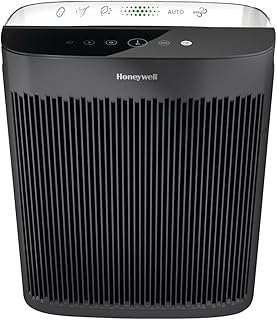




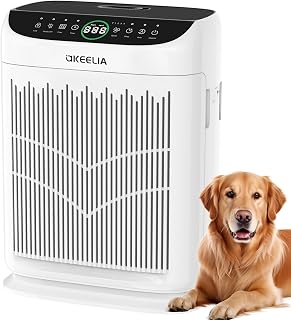


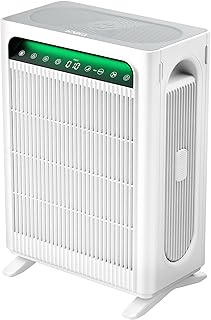


Choosing an air purifier for a Canadian home involves more than comparing advertised room coverage or counting the number of filtration stages. The most suitable model depends on the size and layout of the room, the type of airborne particles you want to reduce, operating noise, replacement-filter costs, energy use, controls, and the availability of compatible replacement parts. Accessories matter too, because a purifier can only maintain its intended performance when its filters and other consumable components are correctly selected and replaced.
This buying guide is designed for Canadian shoppers comparing air purifiers, replacement filters and related accessories in 2026. It focuses on the specifications that are useful when comparing models from established manufacturers such as Levoit, Coway, Blueair, Winix, Dyson, Honeywell, GermGuardian and Philips. Product specifications and retailer pricing can change, so shoppers should always check the latest manufacturer information and current retailer listings before purchasing.
A smart purchase is not necessarily the model with the highest advertised filtration percentage, the most expensive price tag or the largest number of features. A better choice is one that matches the room, pollutant concerns, usage pattern and long-term ownership budget.
Canadian homes can have very different air-quality requirements depending on location, building type, season and lifestyle. Heating during colder months can influence indoor dust levels, while wildfire smoke can make fine-particle filtration an important consideration during smoke events. Pollen, pet dander, cooking particles and household dust are additional reasons people may consider portable air purification.
Room size is one of the first specifications to evaluate. A purifier designed for a compact bedroom is not automatically suitable for a large open-concept living area. Conversely, an oversized high-output unit may be unnecessary for a small room if lower operating noise, compact dimensions or lower running costs are the priority.
When comparing models, consider the actual space where the purifier will operate rather than the total square footage of the home. Open doorways, high ceilings, multiple connected rooms and unusual floor plans can make advertised room-size figures less directly comparable.
Clean Air Delivery Rate, commonly abbreviated as CADR, is a useful metric for comparing how quickly an air cleaner can deliver filtered air for specified particle categories. When available, CADR can provide more meaningful information than simply comparing claims such as “covers up to” a particular room size.
Different standards and testing approaches can affect how specifications are presented, so Canadian shoppers should examine the testing standard behind a stated performance figure. A larger room rating does not automatically mean that every purifier will produce the same real-world air-cleaning result in every home.
Air changes per hour, or ACH, describes how frequently the air volume of a room can theoretically be processed. It can be more informative than a room-size label when comparing products intended for different spaces.
For a practical comparison, think about the purifier's airflow relative to the room volume, ceiling height and desired cleaning frequency. A room with a high ceiling has more air volume than a room with the same floor area and a standard ceiling, so floor-area ratings alone do not tell the complete story.
The filtration system is arguably the most important component of a portable air purifier. Different filter materials perform different jobs, and not every purifier uses the same combination.
A washable or replaceable pre-filter is typically intended to capture larger particles before they reach finer filtration media. Depending on the design, it may help collect visible dust, hair and larger debris.
Pre-filter maintenance is important because accumulated debris can restrict airflow. If a manufacturer specifies vacuuming, washing or replacement, follow the instructions for the exact model rather than assuming that every pre-filter can be cleaned in the same way.
High-efficiency particulate filtration is designed to capture very small airborne particles. Genuine HEPA specifications should be distinguished from generic descriptions such as “HEPA-type,” “HEPA-like” or “high-efficiency filter,” because these terms do not necessarily represent identical performance requirements.
For shoppers primarily concerned about airborne particulate matter, the combination of filter efficiency and airflow is more useful than looking at filtration efficiency alone. A highly efficient filter still needs adequate airflow through the purifier to clean room air effectively.
Activated carbon is used in many air purifiers to help adsorb certain gases and odors. Carbon quantity and filter construction can vary substantially between models, so simply seeing the word “carbon” in a product description does not provide a complete picture of odor-control capability.
Carbon filtration can be particularly relevant for shoppers concerned about household odors, cooking smells or certain gaseous pollutants. However, carbon filters should not be treated as a universal solution for every chemical or gas exposure.
Some air purifiers use electrostatic or other technologies in addition to conventional mechanical filtration. These systems can have different maintenance requirements and operating characteristics. Compare the complete filtration design rather than selecting a purifier solely because it lists more stages.
Some premium and specialty air purifiers incorporate ultraviolet or other supplemental technologies. These features may appeal to shoppers interested in additional treatment mechanisms, but they should not distract from fundamental considerations such as airflow, particle filtration, noise, filter availability and maintenance.
For a bedroom, low noise and convenient overnight operation can be just as important as filtration performance. Look for a model with a genuinely useful low-fan setting, a timer or sleep mode if desired, a display that can be dimmed when appropriate, and controls that are easy to use without creating unnecessary light or noise.
A compact purifier may be easier to position beside or near a sleeping area, but avoid blocking the intake or exhaust. Always follow the manufacturer's minimum clearance recommendations.
Living rooms generally require greater airflow than small bedrooms, especially when they form part of an open floor plan. Prioritize an appropriate CADR or airflow specification, multiple fan speeds and a design that can circulate air effectively throughout the occupied space.
Homes with cats or dogs often benefit from a purifier with a practical pre-filter because hair and larger debris can accumulate quickly. A replaceable fine-particle filter may also be relevant for airborne dander.
Pet owners should distinguish between airborne filtration and surface cleaning. An air purifier cannot remove fur or settled dust that is already on floors, furniture and bedding. Regular vacuuming and cleaning remain important parts of an overall indoor-air strategy.
Wildfire smoke can contain fine particulate matter, making particle filtration and sufficient airflow particularly important during smoke events. If smoke is the primary concern, compare fine-particle filtration, airflow capacity, room suitability and the ability to operate continuously at an appropriate fan speed.
During severe smoke conditions, an air purifier should be considered one part of a broader indoor-air strategy. Keeping windows and exterior doors closed when appropriate, following local air-quality guidance and reducing indoor sources of pollution can also matter.
Shoppers concerned about pollen, dust or airborne pet dander should prioritize effective particulate filtration and adequate circulation for the room. Automatic air-quality modes can be convenient, but they should not be confused with proof that every allergen has been removed from the indoor environment.
For a home office, a quieter model can make long working sessions more comfortable. Consider whether the controls are accessible, whether the unit can run continuously at a tolerable noise level, and whether the dimensions fit comfortably without occupying valuable desk or floor space.
Automatic mode can adjust fan speed based on readings from the purifier's sensors. This can reduce the need for constant manual adjustments and may be useful for households where air conditions change throughout the day.
Sensor-based readings should be interpreted as the purifier's measurement under its particular design and placement. They are not necessarily equivalent to measurements from professional indoor-air monitoring equipment.
Air-quality indicators can provide useful feedback about changes detected near the device. If this feature is important to you, check what the manufacturer says the sensor measures and how the indicator is intended to be interpreted.
Connected air purifiers can offer remote control, scheduling, notifications, filter reminders and other convenience features. Before paying extra for smart connectivity, consider whether you will actually use those functions.
A connected purifier is still fundamentally an air-cleaning appliance. If two otherwise suitable models differ mainly in app functionality, the less expensive option may be the smarter purchase for shoppers who do not need remote controls.
Some connected models can integrate with compatible smart-home ecosystems. This can be useful for hands-free operation or routines, but compatibility can change over time. Check current manufacturer requirements before purchasing if voice control is an important part of your decision.
Filter reminders can make maintenance easier, especially for users who operate a purifier continuously. However, a reminder based on elapsed operating time does not necessarily measure the actual condition of every filter. Follow the manufacturer's maintenance instructions and inspect the filter when appropriate.
Brand reputation can help narrow a large market, but brand alone should not determine the purchase. Compare the specific model, filter architecture, replacement-part ecosystem and operating requirements.
A useful comparison should look beyond star ratings. Customer feedback can reveal recurring concerns about noise, filter replacement, controls or long-term usability, while technical specifications provide the objective information needed to determine whether a purifier is appropriate for your space.
The accessory market is important because filters are consumable components rather than permanent parts. A purifier may remain useful for years, but its filtration media generally needs maintenance or replacement according to the manufacturer's instructions.
Replacement fine-particle filters should match the exact purifier model. Do not assume that two filters with similar dimensions or marketing terminology are interchangeable.
Carbon filters can lose effectiveness as their adsorption capacity becomes depleted. Replacement timing varies according to product design, usage and environmental conditions. Follow the manufacturer's recommended schedule rather than relying on a universal replacement rule.
Some air purifiers use washable pre-filters or other reusable components. These can reduce the frequency of replacing the first filtration stage, but only if the component is specifically designed to be washed. Never wash a filter simply because it looks washable.
When purchasing replacement accessories, check the complete model designation rather than relying on the purifier's brand name alone. Product families can contain multiple versions with different filter dimensions or configurations.
There is no single price point that represents the best value for every Canadian household. A compact purifier for a small bedroom can have a very different value proposition from a high-output unit intended for a large living space.
Instead of comparing purchase prices alone, consider the total cost of ownership. This includes the initial purchase, replacement filters, electricity, accessories and any other recurring consumables. A slightly more expensive purifier with readily available and reasonably priced filters may provide better long-term value than a cheaper model with costly replacement components.
Lower-cost models can be sensible for smaller spaces when they provide suitable airflow and an appropriate filtration system. Budget shoppers should be particularly careful about misleading room-size comparisons and should check replacement-filter costs before buying.
Mid-range models often provide a balance between airflow, filtration, controls and smart features. This category can be attractive for shoppers who want more flexibility without paying primarily for premium design or advanced connectivity.
Premium models may emphasize design, sensors, automation, connected controls, display technology or multi-function air treatment. Determine which features have practical value for your household before assuming that a higher price means proportionally better air cleaning.
The purchase price is only the beginning. If a purifier runs for many hours every day, recurring filter costs can become a significant part of ownership.
For a more meaningful comparison, estimate the ownership cost over several years rather than comparing only the checkout price.
Advertised coverage can be calculated under specific assumptions. A large headline number does not necessarily mean the purifier will deliver the same cleaning rate in every room configuration.
A purifier with inexpensive upfront pricing can become less attractive if its replacement filters are expensive, proprietary or difficult to source. Always investigate the filter ecosystem before committing to a model.
Undersizing is one of the easiest mistakes to make when shoppers focus on compact dimensions or a low purchase price. For larger rooms, compare airflow and room suitability carefully.
A long list of filtration stages can sound impressive, but each stage should have a clear purpose. Evaluate the actual filtration media, airflow and specifications rather than simply counting stages.
Wi-Fi, apps and voice integration can be useful, but they are not essential for everyone. If you prefer simple controls, spending more for connected functionality may provide little practical benefit.
A purifier may be very quiet at its lowest setting but considerably louder when operating at maximum airflow. If rapid air cleaning is important, consider how comfortable you will be with the sound level when the fan increases.
A high-performing purifier can become less effective if its intake or exhaust is obstructed. Avoid positioning it where furniture, curtains or walls interfere with airflow, and follow the clearance guidance supplied with the product.
Generic filters may appear similar but may not have the same construction, dimensions or filtration characteristics as the manufacturer's specified replacement. Verify compatibility using the exact purifier model number.
Customer reviews can be useful, but they should be interpreted carefully. A five-star rating does not tell you whether the purifier is appropriate for your room, while a negative review may reflect an individual expectation rather than a product-wide issue.
Look for recurring themes across a large number of reviews. Particularly useful observations include comments about operating noise, filter availability, ease of cleaning, app reliability, controls, build quality and whether the purifier fits the reviewer's intended room.
Pay particular attention to reviews that describe the user's room size and usage pattern. A person using a compact purifier in a small bedroom has a very different experience from someone expecting one unit to handle a large open-plan living space.
Maintenance is essential for keeping an air purifier operating as intended. Exact procedures vary between brands and models, so the manufacturer's instructions should always take priority.
Dust can accumulate around the purifier's exterior and intake areas. Regularly inspect these areas and clean them according to the manufacturer's instructions. Do not allow dust or objects to obstruct the air openings.
If the model has a washable or cleanable pre-filter, follow the specified cleaning procedure and allow any washable component to dry completely before reinstalling it when required by the manufacturer.
Filter life depends on the filter type, operating hours and environmental conditions. Homes exposed to significant dust, smoke or other airborne particles may place greater demands on filtration media. Use the manufacturer's recommended replacement guidance as the starting point.
Some models require a manual reset after installing a new filter. A filter indicator is generally a maintenance reminder rather than a laboratory measurement of filter performance, so replacing the filter and resetting the indicator should be treated as separate maintenance steps.
Placement can affect how effectively air moves through the appliance. Keep intake and outlet areas clear, avoid trapping the unit behind furniture, and follow the manufacturer's clearance recommendations.
For a bedroom, a location with unobstructed airflow can be more important than placing the purifier immediately beside the bed. In a living room, consider how air moves through the occupied area and whether furniture blocks circulation.
If the purifier has an air-quality sensor, placement can also influence what the sensor detects. A reading close to a cooking source, open window or other localized source may not represent conditions throughout the room.
A portable air purifier and a home's central heating or cooling filtration system serve different purposes. A portable unit is designed to clean air in a particular area, while an HVAC filter is installed within the building's air-handling system.
For households with central HVAC, the two approaches can potentially complement one another. However, HVAC filter selection must account for system compatibility and airflow requirements. A filter that is too restrictive for a particular HVAC system can create problems, so homeowners should follow the equipment manufacturer's recommendations.
An air purifier and an air-quality monitor are not interchangeable. A purifier is intended to treat air, while a monitor measures selected environmental parameters. Some smart air purifiers combine both functions, but integrated sensors may not measure every pollutant that an independent monitor can measure.
If precise measurement is the main objective, examine exactly which pollutants the monitor measures, its stated detection range and its intended use. If the goal is routine air cleaning, prioritize filtration and airflow.
No single portable air purifier should be treated as a universal solution for all indoor-air problems. Mechanical filtration is primarily relevant to airborne particles, while activated carbon and other technologies can address certain gases or odors to varying degrees.
Some indoor-air concerns require source control, ventilation, moisture management, cleaning, professional assessment or specialized remediation rather than relying on a portable purifier. Persistent odors, visible mould, combustion problems or suspected hazardous exposures should be addressed at their source.
When wildfire smoke affects outdoor air quality, shoppers should focus on a purifier capable of processing the air volume of the room while providing effective particle filtration. During a smoke event, simply owning a purifier is not enough; operation, room sealing and source reduction can influence results.
Air-cleaning performance is only useful if the purifier is comfortable enough to run when needed. Noise can therefore be an important buying criterion, particularly for bedrooms, nurseries, study areas and home offices.
Compare published noise specifications where available, but remember that perceived sound can depend on fan speed, room acoustics, placement and the type of sound produced by the motor and airflow. A model with a very quiet sleep setting may still become noticeably louder at maximum output.
Many people operate air purifiers for long periods, making power consumption worth considering. Look for published electrical specifications and think about how the purifier will actually be used.
A lower-power purifier may not be the better choice if it lacks sufficient airflow for the room and therefore needs to run at maximum speed continuously. Conversely, a high-output model may be unnecessary for a small room. The most sensible comparison is performance relative to the space and intended operating schedule.
Compact units are convenient for bedrooms, offices and smaller rooms, while larger units can provide greater airflow for larger spaces. The trade-off is typically between physical footprint, airflow capacity, noise and cost.
Do not assume that two physically similar units have similar performance. Internal fan design, filter surface area and airflow path can differ considerably between models.
One large purifier is not always the most practical solution for an entire home. Separate units can make sense when bedrooms and living spaces are separated, when doors are normally closed, or when different rooms have different air-cleaning needs.
Before purchasing several units, compare the combined purchase price, filter replacement costs, energy consumption and maintenance workload. A multi-unit approach can offer greater flexibility, but it also creates more filters and appliances to maintain.
Marketing language can make competing models difficult to compare. Use a consistent checklist for every candidate.
When narrowing a shortlist, evaluate every model against the same criteria instead of choosing based on one headline specification.
The best option depends on room size, filtration requirements, noise tolerance, budget and maintenance preferences. There is no single model that is ideal for every Canadian household. Compare current specifications from brands such as Levoit, Coway, Blueair, Winix, Dyson, Honeywell, GermGuardian and Philips against your specific requirements.
They can be worthwhile when premium features solve a real problem, such as greater airflow, useful sensing, quieter operation, advanced controls or a design that fits the intended space. A higher price is not automatically evidence of superior value, so compare measurable specifications and long-term filter costs.
There is no universal replacement interval. Filter life depends on the purifier, filter construction, operating hours and indoor conditions. Follow the manufacturer's instructions for the exact model and inspect filters when appropriate.
No. Replacement filters should be selected for the exact purifier model or model family specified by the manufacturer. Similar dimensions do not guarantee compatibility or equivalent filtration performance.
A washable pre-filter can be convenient, particularly in homes with substantial dust or pet hair. However, washable and replaceable components are not equivalent. Fine filtration media such as HEPA filters generally have specific maintenance and replacement requirements that must be followed.
Air purifiers can capture airborne particles, including some dust particles, when air passes through their filtration system. They cannot remove dust that has already settled on furniture, floors or other surfaces, so normal cleaning remains necessary.
Some larger airborne pet particles can be captured by an air purifier, while larger pieces of fur and hair generally settle on surfaces or become trapped in pre-filters. A purifier should complement, rather than replace, regular vacuuming and cleaning.
Some models use activated carbon or other technologies intended to reduce certain odours. Effectiveness depends on the type and amount of filter media, airflow and the source of the odour. Persistent odours should be investigated at the source rather than relying entirely on air purification.
A properly selected portable air purifier can be useful for reducing airborne particles indoors during smoke events. Choose an appropriately sized unit with effective particle filtration and adequate airflow, and combine its use with other measures recommended by local authorities during periods of poor outdoor air quality.
Many purifiers are designed for extended operation, but the correct approach depends on the specific product. Check the manufacturer's operating instructions. For bedrooms, consider whether the low or sleep setting provides an acceptable balance between airflow and noise.
For shoppers focused on airborne particles, a purifier using a recognized high-efficiency particulate filter can be an attractive choice. However, the filter must be considered alongside airflow, room size and the overall purifier design. A filter specification by itself does not describe total room-cleaning performance.
Smart functionality does not inherently make a purifier's filtration system more effective. Connected controls, sensors and automation can improve convenience, but core performance still depends on filtration and airflow.
For many buyers, room-appropriate airflow and particle-cleaning capability are among the most important specifications. The best metric depends on the pollutant of concern, but CADR, filtration technology, room suitability and replacement-filter requirements provide a strong starting point.
Measure the room and compare its volume and floor area with the manufacturer's published specifications. If the space is open to another room, has unusually high ceilings or has other characteristics that increase air volume, consider those factors instead of relying only on a simple floor-area calculation.
Not necessarily. A portable purifier cleans the air that passes through its own filtration system, so performance can be limited when bedrooms, hallways and living spaces are separated by walls and closed doors. Multiple strategically placed units may be more practical for larger homes.
The strongest air purifier purchase is the one that fits the room, addresses the primary air-quality concern and remains practical to operate over the long term. Start with room size and airflow, then evaluate filtration, noise, controls, maintenance and replacement-filter costs. Treat smart features as convenience enhancements rather than substitutes for core performance.
For 2026 purchases, compare the latest Canadian specifications and current retailer information because product configurations, filter availability and pricing can change. Before completing a purchase, verify the exact model number, replacement-filter compatibility, operating requirements and current customer feedback.
Whether you are comparing a compact Levoit unit, a Coway or Blueair purifier for a larger room, a Winix model with additional air-treatment features, a premium Dyson design, or an alternative from Honeywell, GermGuardian or Philips, the same principle applies: match measurable capabilities to your actual needs rather than buying based solely on brand, appearance or a promotional claim.