

♥ Wishlist
Compare 51 Turntable Accessories for Vinyl Listening in Canada products in Canada. Reviews, ratings, pros, cons and buying advice updated for October 2026.

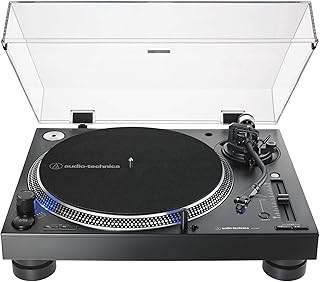


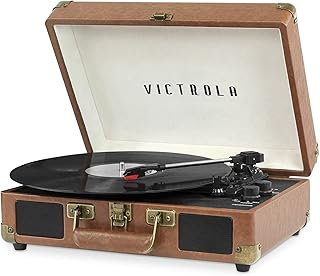


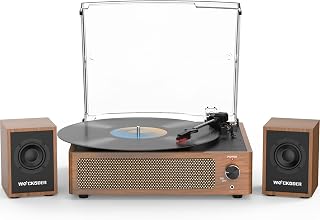


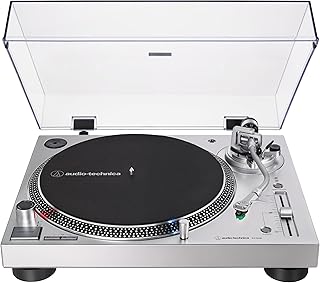

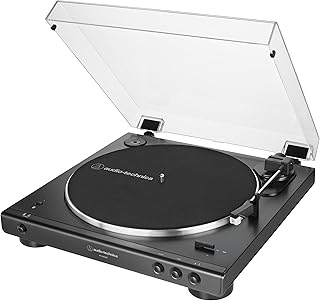


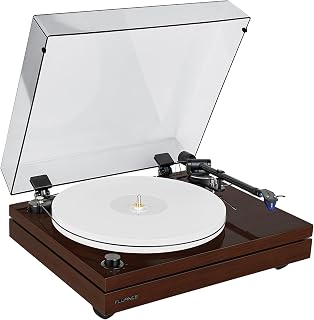
Choosing the right turntable accessory can make a meaningful difference to sound quality, setup stability, record care and everyday usability. The best choice is not necessarily the most expensive accessory. It should match the turntable, cartridge, listening environment and type of vinyl collection you have.
For Canadian buyers, it is also worth considering compatibility, delivery conditions, electrical specifications, return policies and replacement-part availability before ordering. Accessories can range from essential setup components to upgrades designed to improve convenience or reduce unwanted vibration.
Turntable accessories are supporting products used to set up, protect, maintain or improve a vinyl record playback system. Common examples include phono cables, cartridge alignment tools, stylus brushes, record-cleaning equipment, replacement styli, isolation platforms, record weights, slipmats, dust covers and storage solutions.
Some accessories are essential because a particular turntable requires them to operate correctly. Others are optional upgrades. Understanding this distinction can prevent unnecessary spending and help you prioritize the components that can make the greatest practical difference.
The stylus is one of the most important components in a record-playing system because it physically tracks the record groove. A worn, damaged or incompatible stylus can affect playback and may potentially damage records.
Before buying a replacement, identify the exact cartridge or stylus model. Do not assume that two visually similar styli are interchangeable. Check manufacturer compatibility information carefully.
Turntables use very low-level audio signals, so suitable cabling and secure connections matter. Some models have permanently attached cables, while others use detachable connections.
When replacing a cable, check connector type, length and shielding requirements. Avoid choosing a cable solely because it looks premium. Compatibility and proper connection are more important than appearance.
A stylus brush is a simple maintenance accessory that can help remove dust and debris from the stylus. Regular cleaning can be useful for maintaining consistent playback.
Use a brush designed for stylus cleaning and follow the manufacturer's recommended cleaning direction. Rough handling can put unnecessary stress on the delicate cantilever and stylus assembly.
Clean records can reduce audible dust-related noise and help maintain a better listening experience. Options range from simple brushes and cleaning solutions to more elaborate record-cleaning machines.
For occasional listeners, a basic record brush and appropriate cleaning system may be sufficient. Larger collections can justify a more comprehensive cleaning workflow.
Turntables are sensitive to unwanted vibration. Foot traffic, speakers, furniture movement and nearby equipment can introduce vibration into the playback system.
Isolation accessories may include dedicated platforms, isolation feet or vibration-control products. The correct solution depends heavily on the furniture, room and turntable design.
Not every accessory needs to be purchased at the same time. A practical approach is to separate upgrades into three groups: maintenance, setup and performance-related accessories.
Compatibility should be the first filter when comparing products. A highly rated accessory is still a poor purchase if it does not work with your turntable or cartridge.
Check the turntable's model number and consult the manufacturer's specifications. For cartridge-related products, verify mounting dimensions, tracking requirements and electrical compatibility where applicable.
Different turntables have different requirements. An entry-level integrated record player may require a different accessory strategy from a component-based hi-fi system.
Before upgrading, determine which components are already built into the turntable. Some models include a phono preamp, while others require an external phono stage. Some use replaceable cartridges, while others use proprietary or fixed assemblies.
A casual vinyl listener does not necessarily need the same accessories as someone with a large collection and a dedicated listening room.
If you play records occasionally, prioritize record care and basic maintenance. If you listen frequently, invest more attention in reliable cleaning equipment, stylus maintenance and convenient storage.
Turntable accessories should be evaluated as part of a complete audio chain. The turntable, cartridge, stylus, phono stage, amplifier, speakers and room all influence the overall experience.
For that reason, upgrading one component without considering the rest of the system may produce less noticeable results than expected.
Cartridge and stylus selection requires particular care. Moving magnet and moving coil designs operate differently, and not every cartridge works with every phono stage.
A replacement stylus also needs to match the cartridge body. Depending on the design, available stylus profiles may include conical, elliptical and more advanced shapes. The appropriate choice depends on the cartridge and manufacturer's specifications.
When comparing products from established manufacturers such as Audio-Technica, Ortofon, Nagaoka, Sumiko and Grado, always verify compatibility rather than choosing based only on brand reputation.
Record brushes are commonly used to remove loose surface dust before playback. They are inexpensive compared with many other vinyl accessories and can be useful for routine maintenance.
Cleaning fluids should be designed for vinyl records and used according to their instructions. Household cleaners should not automatically be considered suitable for records because formulations can contain ingredients that are inappropriate for vinyl surfaces.
More advanced cleaning systems can be useful for collectors who regularly purchase used records or maintain a substantial library. Before purchasing one, consider cleaning capacity, operating procedure, drying requirements, replacement supplies and storage space.
A turntable mat sits between the record and platter. Different materials can have different physical characteristics, including rigidity, thickness, grip and damping properties.
Common materials include felt, rubber, cork and various synthetic compounds. The correct thickness is important because changing platter height can affect tonearm geometry on some turntables.
Do not assume that a thicker or more expensive mat will automatically improve sound. Check the manufacturer's recommendations and consider whether the existing mat is already appropriate for the turntable.
Record weights and clamps are optional accessories designed to hold records against the platter. Their suitability depends on the turntable's spindle, platter construction and motor design.
Before using a heavy accessory, check the manufacturer's guidance. Additional platter load may not be appropriate for every drive system.
Alignment is particularly important when a turntable uses a replaceable cartridge. Incorrect cartridge alignment can affect tracking and channel performance.
Alignment tools can help users position a cartridge according to the appropriate geometry. However, the tool must correspond with the tonearm and alignment method being used.
Other setup tools can include a small spirit level and stylus-force gauge. These are practical accessories for users who want greater control over installation and setup.
Dust is a constant concern for vinyl playback systems. A suitable dust cover can help protect the platter, cartridge area and other exposed components when the turntable is not being used.
When replacing a dust cover, check the exact dimensions and hinge arrangement. A universal cover may not fit securely on every turntable.
Proper storage is just as important as playback equipment. Records should generally be stored vertically in a stable environment rather than placed under excessive pressure in unstable stacks.
Useful storage accessories can include protective inner sleeves, outer jackets and purpose-built record shelving. Storage furniture should be strong enough to support the weight of a vinyl collection.
Inner sleeves protect the record surface when it is stored inside its jacket. Buyers may encounter paper, anti-static and other sleeve materials. Choose products that fit the record and jacket properly without creating unnecessary pressure.
Outer protective sleeves can help protect album jackets from dust, handling and surface wear. The correct size is important because oversized or undersized sleeves can be inconvenient.
Brand reputation can be useful when researching replacement parts and accessories, but it should not replace compatibility checks. Depending on the product category, buyers may encounter brands such as Audio-Technica, Ortofon, Pro-Ject, Rega, Fluance, U-Turn Audio, Nagaoka, Sumiko and Grado.
These brands cover different parts of the vinyl ecosystem, and a brand that is strong in one category may not necessarily be the right choice for every accessory. Compare the actual specifications of each product rather than selecting solely by name.
Product specifications can appear confusing when comparing turntable accessories. Focus on the specifications that directly affect compatibility and intended use.
This is one of the easiest mistakes to avoid. Before purchasing a replacement component, identify the exact turntable, cartridge or stylus model.
The term universal can describe a broad range of products, but physical fit and technical compatibility can still vary. Verify measurements and connection requirements.
Premium accessories can be attractive, but price alone does not determine whether an upgrade is worthwhile. A basic maintenance product may provide more practical value than an expensive accessory that your system does not require.
Accessories designed to protect and clean records are sometimes overlooked in favour of performance upgrades. Regular maintenance can be an important part of keeping a vinyl setup in good working order.
If you want to understand whether an upgrade makes a meaningful difference, change one relevant component at a time. This makes it easier to identify what actually improved the system.
Start with practical essentials such as a record brush, stylus brush, suitable cleaning supplies and protective sleeves. These products can address routine maintenance without requiring a major investment.
Users with a more developed system may consider cartridge-related upgrades, improved record-cleaning equipment, better storage and suitable isolation accessories, provided they are compatible with the existing equipment.
For advanced systems, buyers can evaluate precision alignment tools, higher-quality cartridges and styli, specialized cleaning equipment and system-specific isolation solutions. At this level, compatibility and setup accuracy become increasingly important.
New vinyl listeners do not need to purchase every available accessory. A sensible starter collection can focus on record care and basic setup.
Once these fundamentals are covered, additional purchases can be based on actual problems encountered during use.
Collectors often have different priorities because records may be played frequently, stored for long periods or purchased second-hand. Cleaning equipment, protective sleeves and organized storage can therefore become more important than cosmetic upgrades.
A collector should also consider how much physical space is available for records and accessories. A good storage solution should remain stable as the collection grows and should allow records to be accessed without excessive handling.
Customer reviews can provide useful information, but they should be read critically. Look for comments that discuss the same turntable model, cartridge, record collection size or use case as yours.
Pay particular attention to reviews that mention fit, installation, dimensions, materials, durability and compatibility. Very short comments that only discuss delivery or packaging provide less information about long-term product suitability.
When available, compare verified customer feedback with manufacturer specifications. A review can describe an individual experience, while technical documentation provides the information needed to confirm compatibility.
A low price does not necessarily represent the best deal. Compare the complete package, including included accessories, compatibility, replacement requirements and product specifications.
Canadian shoppers should also check whether the displayed price is current, whether shipping costs apply and whether taxes or other checkout charges affect the final cost. Prices and availability can change, so verify current retailer information before purchasing.
For replacement components, paying slightly more for the correct compatible part can be preferable to buying an inexpensive product that does not fit or perform as required.
Canadian buyers should pay attention to electrical specifications when purchasing powered equipment. Products designed for another electrical market may have different voltage, frequency or plug requirements.
For non-powered accessories, the main considerations are usually compatibility, dimensions, materials, shipping conditions and return policies. When purchasing through a marketplace, review the individual seller information as well as the product listing.
Cleaning tools can accumulate dust themselves. Store brushes in a clean location and replace them when they become unsuitable for their intended purpose.
The stylus assembly is delicate. Avoid touching it with your fingers and use only suitable cleaning equipment.
Return records to their sleeves after use and avoid leaving them exposed unnecessarily. Handle records by their edges and label area rather than touching the playing surface.
Loose or damaged cables can cause intermittent audio problems. Periodically inspect connections and avoid excessive bending near plugs.
Cleaning procedures, cartridge setup and accessory installation can differ between models. Manufacturer instructions should take priority over generic advice whenever the two differ.
A useful strategy is to identify the weakest practical point in your current setup before buying anything. If dust is the main problem, prioritize cleaning. If cartridge alignment is uncertain, consider an appropriate setup tool. If vibration is noticeable, investigate placement and isolation before buying additional accessories.
This approach avoids collecting accessories simply because they are marketed as upgrades. Every purchase should solve a specific problem or support a clearly defined goal.
The essentials depend on the turntable. For many users, basic record-care products and a suitable stylus-cleaning method are sensible starting points. Cartridge-related accessories are only necessary when the turntable uses compatible replaceable components.
No. The most expensive accessory is not automatically the most suitable. Compatibility, construction, correct specifications and usefulness for your particular setup should come first.
Not necessarily. A cleaning machine can be useful for frequent listeners and collectors, but casual users may prefer simpler cleaning equipment.
Only if there is a clear reason to change the existing mat and the replacement is compatible. Thickness and material can matter, so verify the manufacturer's recommendations before purchasing.
Record weights are optional. Check the turntable manufacturer's guidance before adding additional platter weight.
The best choice is a product designed specifically for stylus maintenance and appropriate for your cartridge. Follow the manufacturer's cleaning instructions carefully.
There is no single replacement schedule for every accessory. Brushes, sleeves, cables and cleaning supplies have different lifespans. Replace products when they become worn, damaged or unsuitable for their intended purpose.
Some accessories are widely compatible, while others are model-specific. Mats, brushes and certain storage products may have broad compatibility, whereas cartridges, styli and some cables require more careful specification checks.
Check compatibility, dimensions, electrical requirements for powered products, current price, shipping terms, return conditions and retailer information. Product availability and pricing can change throughout the year.
The best turntable accessory purchase is one that fits your equipment and solves a genuine need. Start with compatibility, then compare construction, specifications, maintenance requirements and customer feedback. Avoid assuming that a premium price guarantees better results.
For most vinyl systems, sensible record care and correct setup should come before optional upgrades. Once those fundamentals are covered, more specialized accessories can be evaluated according to your listening habits, equipment and budget.
When comparing turntable accessories in Canada during 2026, verify current specifications, customer feedback, pricing and availability before making a final purchase. A careful comparison can help you spend less on unnecessary products while choosing accessories that genuinely suit your vinyl setup.