

♥ Wishlist
Compare 59 Table Covers for Every Table in Canada products in Canada. Reviews, ratings, pros, cons and buying advice updated for October 2026.


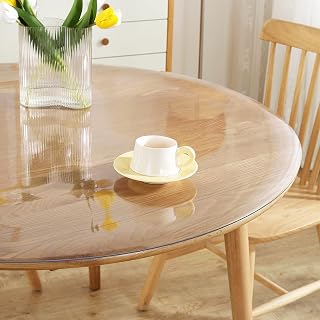


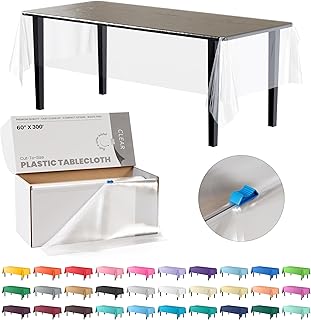


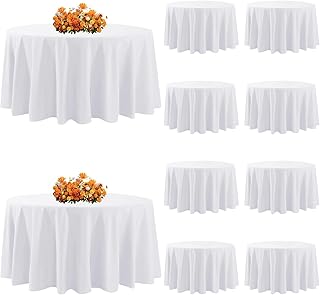


Choosing a table cover is about more than finding an attractive pattern. The right option should match the table's dimensions, intended use, fabric or material, cleaning routine, and the conditions in which it will be used. A cover for a dining room table has different priorities from one used for outdoor entertaining, children's activities, holiday gatherings, or everyday family meals.
Canadian shoppers should also consider seasonal use. A lightweight cover can be practical for summer entertaining, while heavier fabrics and more substantial construction may suit indoor dining during the colder months. If the table is placed outdoors, resistance to moisture, fading, wind and frequent cleaning becomes more important.
Before comparing deals, measure the table and decide how much overhang you want. Then compare material, construction, care instructions and design. A low purchase price is not necessarily a good value if the cover is difficult to clean, does not fit correctly or needs frequent replacement.
Incorrect sizing is one of the easiest ways to end up with a disappointing purchase. Measure the tabletop rather than relying on the number of seats alone. Tables marketed as four-person, six-person or eight-person tables can have substantially different dimensions.
For a rectangular table, measure the full length and width. For a round table, measure the diameter. For a square table, measure one side. If the table has extensions, measure it in each configuration that you regularly use.
The desired drop depends on appearance and practical use. A shorter drop can work well for everyday meals because it is less likely to interfere with chairs or children's activities. A longer drop can create a more formal appearance for dinner parties and special occasions.
As a practical sizing method, add twice the desired drop to each tabletop dimension. For example, if a rectangular table measures 180 cm by 90 cm and you want a 20 cm drop on every side, look for a cover close to 220 cm by 130 cm. Always compare the manufacturer's stated dimensions because finished sizes can vary.
Round covers should be selected according to tabletop diameter plus the desired drop on both sides. Avoid assuming that a cover intended for a similar number of seats will fit. The same principle applies to square tables.
If you frequently use a table with an extension leaf, consider whether one oversized cover will provide a good fit in both configurations. In some homes, purchasing separate sizes may produce a cleaner appearance and better everyday practicality.
Material affects appearance, durability, stain resistance, comfort, maintenance and long-term value. There is no single fabric that is ideal for every Canadian household.
Cotton is a popular choice for traditional dining spaces because it has a soft textile feel and works with a wide range of décor. It can be suitable for everyday meals and entertaining, but shoppers should check the care instructions before buying.
Cotton may wrinkle more readily than some synthetic alternatives. If a consistently smooth appearance matters, consider whether regular washing and ironing or another form of wrinkle management fits your routine.
Polyester is widely used for practical table coverings because it can offer easy-care performance and resistance to everyday wear. Many polyester covers are designed for frequent washing and can be useful for busy households, events and casual dining.
The exact feel and appearance can vary considerably. Some polyester fabrics are deliberately made to resemble linen or other woven textiles, so compare product descriptions and close-up photographs carefully rather than judging by the material name alone.
Linen can create a refined, textured appearance that works particularly well for formal dining and minimalist interiors. Pure linen may require more attention to wrinkles and laundering, while linen blends can provide a compromise between appearance and easier maintenance.
Check the fibre composition carefully. A product described as linen-look is not necessarily made from linen, and a linen blend is different from 100% linen.
Vinyl and coated table covers are practical when easy cleaning is a priority. They can be particularly useful around children, for craft activities, casual meals and outdoor settings where spills are more likely.
The trade-off is often a less traditional textile appearance. Also check whether the cover is suitable for your specific table surface and whether the manufacturer provides instructions regarding heat, sharp objects and cleaning products.
Some covers include a backing intended to help protect the tabletop and reduce slipping. A backing can also change how the cover feels and sits on the table.
For valuable wood furniture, do not assume that any backing automatically provides complete protection. Heat, moisture, spills and prolonged contact can still affect some finishes. Follow the care and use instructions supplied with the specific product.
A strong purchase decision balances several factors rather than focusing on one feature. Price matters, but it should be considered alongside size, material, construction and maintenance requirements.
For everyday family dining, practicality usually matters more than formal presentation. A washable, easy-care fabric can reduce maintenance. Neutral colours and understated patterns may also make the cover easier to use with different dinnerware and seasonal decorations.
For special occasions, appearance becomes more important. Look for a fabric with a suitable drape and a size that creates the intended table profile. White, cream, neutral and carefully selected patterned covers can work well with formal place settings, although the best choice depends on the room.
Christmas dinners, Thanksgiving gatherings and other seasonal events can justify a more decorative design. Before purchasing a seasonal cover, consider storage. A design that is useful for only a few weeks each year needs to be easy to fold and store without creating unnecessary clutter.
Outdoor use introduces additional considerations. Wind, sunlight, rain, dirt and frequent cleaning can affect the suitability of a conventional indoor tablecloth.
For patios, balconies and garden dining areas, compare outdoor-suitable materials and check the manufacturer's instructions for exposure to moisture and sunlight. A cover that looks excellent indoors may not be the best choice for prolonged outdoor use.
In households with young children, easy cleaning and secure positioning can be especially important. Avoid selecting a product solely because it looks attractive. Consider whether loose fabric could become inconvenient around chairs and whether the cleaning instructions fit the types of spills you regularly encounter.
Elasticated designs can provide a closer fit around compatible tables. They may be useful where keeping the cover in position is more important than achieving a traditional draped appearance.
Measure carefully before buying because an elastic edge does not make an incorrectly sized cover universally compatible.
Some covers are designed to reduce movement on the tabletop. This can be useful for everyday dining and households where the table receives frequent use.
Check what the manufacturer means by non-slip and whether the construction is appropriate for your table surface. Performance can vary between materials and furniture finishes.
Stain-resistant or treated fabrics can make certain spills easier to manage, but this should not be interpreted as stain-proof performance. Read the care instructions and clean spills according to the manufacturer's recommendations.
Water-resistant covers can be useful where occasional spills are expected. However, water resistance and waterproofing are not identical. If protection from substantial moisture is a major requirement, review the detailed product specifications instead of relying on a marketing phrase.
Machine-washable construction can significantly reduce maintenance for frequently used covers. Check the recommended wash temperature, drying method and whether special treatment is required.
When researching table covers, shoppers may encounter brands such as Benson Mills, Utopia Kitchen, Amazon Basics, LinenTablecloth and H.VERSAILTEX. Brand familiarity can help narrow a search, but it should not replace product-level comparison.
Different products from the same brand can use different fabrics, dimensions, construction methods and care instructions. Compare the specific product specifications and current customer feedback before making a purchase.
Online shopping makes it easy to compare dozens of table covers, but photographs can make products appear more similar than they actually are. Read the complete product description and look for precise information about dimensions and material composition.
Customer reviews can provide useful information that is difficult to determine from a product description. They can help reveal how the cover fits a real table, whether the material looks as expected, how easily it wrinkles and how convenient it is to wash.
However, reviews should be evaluated critically. A person dissatisfied with a product because they ordered the wrong size is providing a different type of information from someone reporting an issue with stitching or material quality.
Look for patterns across multiple recent reviews. Comments that repeatedly mention the same issue deserve more attention than a single unusual complaint.
Seat count is only a rough indication of table size. Always measure the tabletop before selecting a cover.
A cover can have the correct tabletop dimensions and still look wrong if the overhang is not suitable for your preferred style. Decide on the desired drop before comparing sizes.
A delicate fabric may look excellent but become inconvenient if it requires frequent ironing or specialist care. Match the maintenance requirement to your lifestyle.
These terms can describe different levels of protection. Read the detailed specifications and intended-use information.
Rectangular, square, oval and round tables require different sizing approaches. An attractive cover is not useful if its shape does not suit the furniture.
If your table expands, decide whether the cover will primarily be used with the table closed or extended. This can affect the ideal size.
The cheapest option is not automatically the best deal. A slightly higher-priced cover may offer a more appropriate material, easier care or better construction for your intended use.
When comparing deals, evaluate the total value rather than the advertised discount alone. A large percentage discount can be less meaningful than a modest price difference between two products if the specifications are substantially different.
Compare the current price, size, material, quantity and care requirements. If a listing contains multiple sizes or colours, confirm that the displayed price corresponds to the exact variant you intend to purchase.
Canadian shoppers should also check the final retailer information before ordering. Prices, promotions, stock status, delivery terms and available variants can change, so current listing details should always take priority over older editorial information.
Proper care can help preserve the appearance and usability of a table cover. The correct routine depends on the material and construction.
Address spills as soon as practical. Blot liquid rather than aggressively rubbing it into the fabric. For food stains, follow the care instructions rather than applying an unfamiliar cleaning chemical.
Follow the manufacturer's washing temperature and detergent recommendations. Separate heavily coloured items where appropriate, particularly when washing a new textile for the first time.
Drying instructions can affect shrinkage, wrinkles and fabric longevity. Some materials can be tumble dried, while others may require air drying. Do not assume that a machine-washable cover is automatically suitable for high-temperature drying.
If presentation matters, check whether the material is designed to be wrinkle-resistant. For fabrics that require ironing, use the temperature recommended for that fibre. Excessive heat can damage some materials or finishes.
Make sure the cover is completely clean and dry before long-term storage. Fold it neatly and keep it in a dry storage area away from excessive moisture. Seasonal covers can benefit from labelled storage so they are easy to locate when needed.
A table cover can reduce exposure to everyday crumbs, minor spills and general dining mess, but it should not be treated as complete protection against every potential source of damage.
Hot cookware, sharp objects, prolonged moisture and aggressive cleaning products can still damage some tabletops. If the primary purpose of the purchase is furniture protection, consider whether a table protector, placemat, heat-resistant pad or another dedicated protective product is more appropriate.
Colour and pattern should complement the room rather than compete with every other visual element. If the dining area already contains bold artwork, patterned chairs or decorative flooring, a simpler cover may create a more balanced appearance.
Neutral covers can provide flexibility because they can be paired with different dinnerware and seasonal decorations. Patterned covers can make a stronger visual statement and may be useful when refreshing the room without changing furniture.
Simple colours, restrained patterns and clean edges can suit contemporary interiors. Texture can add visual interest without requiring a complex print.
Classic patterns, woven textures and formal fabrics can work well with traditional furniture. The ideal choice depends on the existing table, chairs and surrounding décor.
For everyday family spaces, practical colours and easy-care materials may be more useful than highly formal fabrics. Consider how frequently the cover will be washed and how visible everyday marks are likely to be.
A conventional tablecloth is not always the most practical choice. If the primary objective is preventing scratches, protecting a valuable finish or keeping a cover firmly attached to a frequently used table, another type of tabletop protection may be more suitable.
For outdoor furniture, a purpose-designed outdoor cover may be preferable to an indoor decorative tablecloth. For children's craft activities, a wipe-clean surface can be more practical. For formal dining, a traditional textile cover may provide the appearance you want.
The best purchase therefore starts with the problem you are trying to solve, followed by the size, material and appearance requirements.
There is no single best option for every Canadian household. The right choice depends on table dimensions, intended use, material preference, cleaning requirements, appearance and budget. Compare products using these factors rather than choosing solely by brand or price.
Measure the tabletop and decide how much overhang you want. Add twice the desired drop to both tabletop dimensions for a rectangular or square table. For round tables, add twice the desired drop to the diameter.
Easy-care polyester and wipe-clean coated materials are often considered practical choices, but the exact maintenance requirements vary by product. Always check the manufacturer's care instructions.
They can be a practical choice for everyday dining because many polyester designs are intended for regular use and washing. Compare the specific fabric construction and care instructions before buying.
Neither is universally better. Cotton can provide a traditional textile feel, while polyester can offer practical easy-care characteristics. The better choice depends on your priorities.
It depends on the product. Check whether the manufacturer specifically describes it as suitable for outdoor use and review information about moisture, sunlight and cleaning.
Start with accurate dimensions and the desired drop. Then consider the event's formality, colour scheme, fabric appearance and ease of cleaning. A cover that combines the desired appearance with manageable maintenance is usually the more practical choice.
Choose based on the room and how frequently you plan to change the décor. Plain designs provide flexibility, while patterns can create a stronger decorative effect.
No. Price alone does not establish quality. Compare fabric composition, dimensions, construction, care requirements and customer feedback to determine whether the product represents good value for your particular use.
Not necessarily. A protector can be useful when furniture protection is a priority, particularly with valuable or delicate surfaces. However, compatibility with the table finish and the intended use should be considered before adding another layer.
The smartest way to compare table cover deals in Canada is to begin with the table itself. Accurate measurements eliminate unsuitable options before price and design enter the decision. From there, choose the material according to your cleaning routine and intended environment.
For everyday family dining, prioritize convenient care and an appropriate fit. For formal occasions, focus more heavily on fabric appearance, drape and presentation. For outdoor use, examine weather-related suitability and cleaning requirements. For homes with children, practical maintenance and secure positioning may be more valuable than a delicate decorative finish.
Brands such as Benson Mills, Utopia Kitchen, Amazon Basics, LinenTablecloth and H.VERSAILTEX can be included in a broader comparison, but the specific product should always be evaluated on its own specifications. Product ranges change, and the same brand can offer very different constructions.
Before placing an order, check the current listing for the exact size, material, colour, quantity, care instructions and total purchase terms. Read recent verified customer reviews where available, compare competing products and confirm the details shown by the retailer at the time of purchase. This approach makes it easier to identify a table cover that fits both your table and the way you actually use it.