

♥ Wishlist
Compare 54 Stools for Every Space in Canada products in Canada. Reviews, ratings, pros, cons and buying advice updated for October 2026.


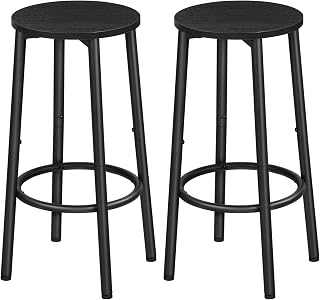


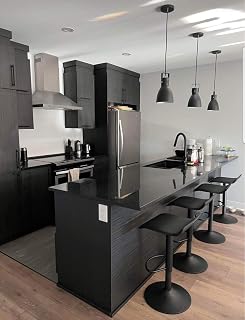


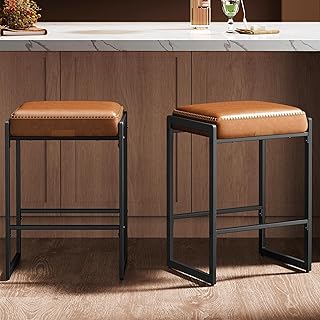


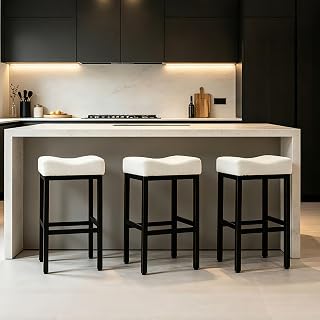


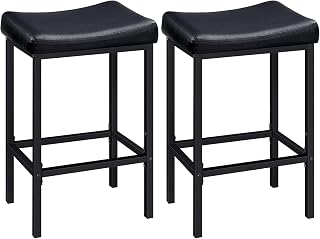


Choosing the right stool is about more than finding an attractive seat at a low price. A good buying decision depends on where the stool will be used, how often it will be used, the required height, the available floor space, the construction materials, and the type of support it provides. For Canadian shoppers, these factors can matter even more when a stool is intended for a kitchen island, breakfast counter, home office, workshop, vanity, bar area, or multipurpose room.
This guide is designed to help compare smart stool purchases using practical criteria rather than price alone. Product specifications, customer feedback, dimensions, weight capacity, materials, adjustability, assembly requirements, and intended use should all be considered before ordering. Prices and availability can change, so shoppers should confirm the current listing details before making a purchase.
A smart buy does not necessarily mean the cheapest stool. It means choosing a product that offers an appropriate balance of comfort, construction, usability, appearance, and long-term value for its intended purpose.
One of the most common stool-buying mistakes is selecting the wrong height. Counter stools and bar stools are not interchangeable in every setting.
Counter stools are generally designed for kitchen counters and islands that are lower than traditional bar-height surfaces. They provide a practical seating position for eating, working, or socialising at a standard-height kitchen counter.
Before choosing a counter stool, measure from the floor to the underside or top surface of the counter, depending on the manufacturer's measurement guidance. Allow enough clearance for your legs. A stool that technically fits beneath the counter can still feel uncomfortable if the seat is too close to the work surface.
Bar stools are intended for taller surfaces. They are commonly used with home bars, raised counters, entertainment areas, and commercial-style bar tables.
Do not rely on labels such as “bar,” “counter,” or “high” alone. Product naming is not always consistent between manufacturers. The listed seat height in centimetres or inches is the more useful specification.
Adjustable stools can be useful when several people of different heights will use the same seat or when the stool needs to work with more than one surface. Gas-lift designs can provide convenient height adjustment, while a footrest can make a raised seating position more comfortable.
However, adjustability introduces additional mechanical components. Inspect the manufacturer's specifications for the adjustment range, base design, recommended use, and weight capacity rather than assuming every adjustable stool provides the same level of support.
Dimensions can tell you much more about a stool than photographs. A product may look compact online but occupy considerable floor space once assembled.
When planning several stools around an island, measure the usable counter length rather than simply counting how many seats appear to fit in product photographs. Armrests, wide seats, side supports, and fixed footrests can require additional space.
Wooden stools remain popular because they can work with traditional, farmhouse, Scandinavian, contemporary, and transitional interiors. Depending on the design, wood can also provide a sturdy visual presence without relying on upholstered surfaces.
When comparing wooden stools, look beyond the species or finish. Examine how the legs connect to the seat, whether the frame is reinforced, how the surface is finished, and whether the manufacturer specifies indoor-only use.
Solid wood and engineered wood should not automatically be treated as equivalent. Different materials have different structural and moisture-resistance characteristics. If a stool will be used near a kitchen sink or in an area exposed to frequent spills, the care instructions become especially important.
Metal stools can provide a clean industrial or contemporary appearance. Steel frames are common in designs intended for kitchens, workshops, dining areas, and casual commercial-style interiors.
A metal frame does not automatically mean superior durability. The quality of construction, joints, welds, hardware, finish, and base design all matter. Powder-coated surfaces can provide a practical finish, but users should still follow the manufacturer's cleaning and maintenance instructions.
Metal can also feel colder than upholstered or wooden seating. For a stool used for extended periods, a padded seat or contoured design may be preferable.
Molded plastic stools can be lightweight and easy to clean. These qualities make them useful for casual dining, children's areas, utility rooms, workshops, and spaces where spills are common.
Check the stated material and weight capacity carefully. Plastic stools vary significantly in construction. Some are designed for occasional seating, while others use reinforced structures intended for more demanding everyday use.
Light weight can be convenient, but it can also make a stool easier to move accidentally. Consider the base shape and stability if the stool will be used on smooth flooring.
If a stool will be used for breakfast, remote work, studying, or long conversations, cushioning can become more important than appearance alone.
Compare the thickness and material of the seat, the shape of the cushion, the presence of a backrest, and the height of the footrest. A soft-looking seat is not necessarily comfortable for extended use. Ergonomic support depends on the complete seating position.
Fabric upholstery can create a warmer appearance but may require more care after spills. Faux leather and similar wipe-clean materials can be easier to maintain, although their performance varies by product and environment.
Backless stools are often easier to slide under a counter. They can create a visually clean appearance and may be useful where floor space is limited.
The trade-off is reduced back support. They are generally better suited to shorter seating periods unless the seat design provides sufficient comfort for the user.
A backrest can improve support and make longer periods of sitting more comfortable. However, it increases the stool's overall footprint and may prevent it from fitting completely beneath a counter.
If you want stools that disappear visually when not in use, measure the distance from the floor to any obstruction below the counter and compare it with the stool's complete assembled dimensions.
Swivel stools allow the user to rotate without moving the entire base. This can be useful at kitchen islands, home bars, reception-style counters, and workstations.
When comparing swivel designs, consider the swivel mechanism, base stability, seat rotation, height adjustment if included, and overall construction. A rotating seat should remain stable during normal use. Check the manufacturer's instructions for proper assembly and maintenance.
A swivel function is not automatically an advantage for every buyer. If the stool is intended for children, a fixed design may be preferable depending on the environment and manufacturer's intended-use guidance.
A footrest can significantly affect the seating experience, especially with taller stools. Without adequate lower-leg support, the user's legs may hang freely, creating pressure around the underside of the thighs.
Compare the height and position of the footrest rather than simply checking whether one exists. A narrow decorative bar may not provide the same practical support as a properly positioned footrest.
For households with users of different heights, adjustable seating can provide greater flexibility, but the adjustment mechanism should be assessed alongside the base and weight-capacity specifications.
Stability should be a priority whenever purchasing seating. A stool should sit level on the intended floor surface and should be used according to the manufacturer's instructions.
The ideal stool material depends on the environment.
Brand recognition can be useful when narrowing a large selection, but it should not replace specification checking. Different brands offer different designs and product ranges, and individual models can vary substantially.
When comparing products from these or other brands, evaluate the individual model rather than assuming that every product from a familiar manufacturer has the same construction, capacity, warranty terms, or intended use.
Construction quality is difficult to judge from a single product photograph. Product specifications and detailed photographs can provide useful clues, while customer feedback may reveal recurring concerns about assembly, stability, finish quality, or long-term use.
For four-leg stools, examine the relationship between the legs, seat, and support rails. Reinforced crossbars can contribute to structural rigidity when properly designed.
Loose joints can lead to wobbling over time. Look for clearly described hardware and construction methods. If the product requires assembly, follow the manufacturer's instructions carefully rather than improvising.
Pedestal stools should have a base appropriate to their height and design. A tall seat with a small or poorly matched base can feel less stable than a lower, wider design.
A stool can look perfect in a product photograph but still be unsuitable for the available counter height or floor space. Always compare measurements before buying.
“Counter stool” and “bar stool” labels are useful starting points, but the actual seat-height measurement is more reliable.
Taller seating without comfortable lower-leg support can become tiring during extended use.
A wide seat, armrests, or large base can make several stools difficult to arrange around a compact island.
Never assume that similar-looking stools have identical load limits. Check the manufacturer's specifications for the exact model.
A set of four or six stools can represent poor value if the finished arrangement leaves too little space between users. Measure first, then decide how many seats the room can comfortably accommodate.
Some products arrive partially assembled while others require substantial assembly. Check the product description and included components before purchasing.
The correct number depends on the usable counter length, stool width, armrests, user preferences, and required circulation space. More seats are not always better.
For a compact kitchen island, fewer comfortable stools can be more practical than trying to maximise capacity. Consider how people will enter and leave the seats, whether cabinet doors need to open below the counter, and whether nearby walkways remain unobstructed.
Small spaces benefit from stools that can be pushed fully beneath a counter. Backless models can be especially convenient when vertical clearance is available.
Stackable stools can also simplify storage. If you need occasional seating rather than permanent kitchen seating, a lightweight stackable design may provide better space efficiency than a large upholstered stool.
Measure the storage location before buying. A stool that stacks neatly in a product photograph may still be too tall for your cupboard, closet, or utility area.
For family kitchens, consider stability, easy-clean surfaces, rounded edges where appropriate, and construction suited to frequent everyday use. If children will use the stools, follow the manufacturer's age and usage guidance.
Adjustable stools require particular attention because moving mechanisms can introduce pinch points or other hazards depending on their design. The manufacturer's safety instructions should take priority.
A stool used occasionally at a standing desk is different from a stool used for several hours each day. For longer sessions, look for an appropriate seat height, stable support, comfortable padding, and a design that encourages a suitable sitting position.
Height adjustment can be useful when matching a stool to a desk or work surface. However, a stool intended for extended desk work should be evaluated for ergonomics rather than selected solely because it has a gas-lift mechanism.
Proper maintenance can help preserve a stool's appearance and functionality.
Customer reviews can be useful, but individual experiences should not be treated as universal evidence. Look for repeated comments about the same issue rather than focusing on one unusually positive or negative review.
Useful review signals include recurring mentions of wobbling, difficult assembly, inaccurate dimensions, uncomfortable seats, finish durability, missing hardware, or differences between product photographs and the delivered item.
Pay particular attention to reviews that describe the product's actual use case. A stool that works well as occasional decorative seating may not be the right choice for daily kitchen use.
The lowest advertised price is not always the best deal. A stool that needs replacement quickly can cost more over time than a better-constructed option purchased initially at a higher price.
At the same time, paying more does not guarantee better quality. Premium materials, designer styling, additional adjustment features, or specialised construction can increase cost without providing meaningful benefits for every buyer.
A practical value comparison should consider construction, comfort, dimensions, intended use, maintenance requirements, and expected frequency of use. The right choice is the one whose specifications solve your particular seating requirement without paying for features you do not need.
There is no single best stool for every household. The best option depends on the counter height, available space, preferred comfort level, intended frequency of use, and budget. Measure first and then compare products that meet those requirements.
The main difference is seat height. Counter stools are designed for lower counter surfaces, while bar stools are generally taller. Always compare the manufacturer's actual seat-height measurement rather than relying only on the product name.
Adjustable stools can be useful when the same seat must work for people of different heights or different work surfaces. They are most valuable when the adjustment range matches your needs and the mechanism and base are appropriately designed.
Backless stools can be comfortable for shorter periods and are often convenient in compact kitchens. For longer seating sessions, a supportive backrest and well-designed seat may provide greater comfort.
Wooden stools can be durable when properly designed and maintained, but durability depends on the specific wood or engineered material, construction, joints, finish, and intended use. Check the specifications for the exact model.
Metal stools can be practical in kitchens because many designs are easy to maintain and have durable-looking frames. Consider the seat material, finish, stability, comfort, and manufacturer's care instructions before choosing one.
Measure the height of the counter or table and compare it with the manufacturer's listed seat height. Make sure there is sufficient legroom beneath the surface. For adjustable models, check the complete height range.
The number depends on the island's usable length and the width of each stool. Allow sufficient room for people to sit, stand, and move without interfering with nearby cabinets or walkways.
Prioritise appropriate dimensions, stable construction, a suitable weight capacity, comfortable seating, practical materials, and a design that matches the intended environment. For frequent use, construction and comfort should generally carry more weight than decorative appearance alone.
Compare several products using the same criteria rather than looking only at the displayed price. Check current Canadian pricing, customer reviews, dimensions, materials, weight capacity, shipping information, and applicable retailer policies before placing an order.
The smartest stool purchase is one that fits the space, supports the intended user, and matches the way the seat will actually be used. Start with measurements rather than appearance. Then compare construction, materials, comfort, stability, adjustment features, maintenance requirements, and current customer feedback.
For kitchen islands, getting the seat height and legroom right should be the first priority. For home offices, ergonomic support deserves greater attention. For compact homes, footprint and storage can matter more than decorative features. For busy households, easy-clean materials and sturdy construction may provide better long-term value.
Before buying any model featured in a 2026 deals list, verify the exact product specifications and current Canadian listing information. Prices, stock status, seller information, product configurations, and customer ratings can change. A careful comparison of the latest details is the best way to turn a discount into a genuinely smart buy.