

♥ Wishlist
Compare 59 Planters for Indoor & Outdoor Plants products in Canada. Reviews, ratings, pros, cons and buying advice updated for October 2026.


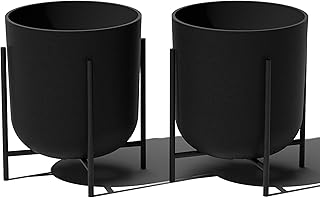


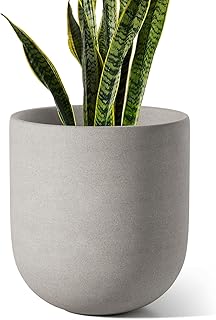


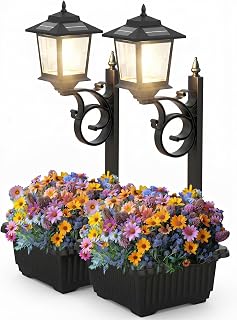


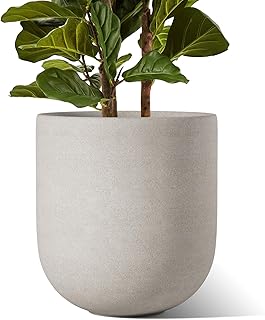


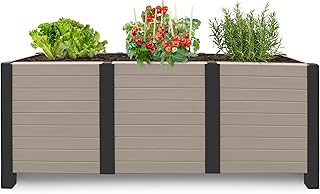
Choosing a planter is not simply a matter of selecting a container that looks attractive. The right planter should suit the plant, growing environment, available space, climate and maintenance routine. For Canadian buyers, these considerations can become even more important because indoor and outdoor growing conditions can vary considerably throughout the year.
This guide is designed to help shoppers compare smart buy planters by looking beyond appearance and headline features. Before choosing a model, consider its dimensions, drainage design, construction material, weight, placement, water-management features and compatibility with the plants you intend to grow.
A smart purchase balances practical performance, durability, appearance and overall value. The most expensive planter is not automatically the best choice, while the cheapest option may not provide the construction or drainage required for healthy plants.
A well-chosen planter should provide enough growing space without becoming unnecessarily difficult to move or maintain. It should also match the conditions in which it will be used. A planter intended for a balcony has different requirements from one designed for a large backyard, greenhouse, patio or indoor living space.
Size is one of the first specifications to compare. A planter can look impressive but still be unsuitable if the container does not provide sufficient room for the plant's roots.
Small planters can work well for herbs, compact flowers, seedlings and smaller houseplants. Medium containers provide greater flexibility for ornamental plants and many patio-growing applications. Large planters may be appropriate for substantial plants, shrubs or arrangements containing several compatible plants, but they also require more growing medium and can become very heavy.
When comparing products, check both the external dimensions and the usable planting area. Thick walls, internal reservoirs, liners and decorative structures can reduce the amount of space actually available for roots.
Do not select a container solely according to the current size of a plant. Consider how large the plant is expected to become and whether it develops a deep, spreading or relatively compact root system.
Overcrowding roots can make watering and nutrient management more difficult. However, using an unnecessarily oversized container can also create practical problems because excess growing medium may retain moisture for longer than expected.
Drainage deserves careful attention because excess water can create an unsuitable root environment. A planter should be selected according to the moisture requirements of the plant rather than appearance alone.
Look for clearly described drainage openings and consider where excess water will go. Indoor planters may require a saucer, tray or separate cachepot to protect floors and furniture. Outdoor containers need drainage that works with the location and expected rainfall.
Self-watering planters can be useful for people who want to reduce the frequency of manual watering. These designs typically incorporate a reservoir or another mechanism intended to make water available to the growing medium over time.
However, self-watering does not mean maintenance-free. Reservoirs still need monitoring, cleaning and refilling. Different plants also have different moisture requirements, so a water-reservoir design should not be treated as universally suitable.
Before buying, check how the reservoir is accessed, whether its capacity is specified, how excess water is handled and whether the system is intended for indoor or outdoor use.
The construction material affects appearance, durability, weight, insulation and maintenance. Comparing materials can therefore be more useful than choosing a planter based only on colour or shape.
Plastic planters are generally valued for their relatively low weight and broad range of shapes and finishes. They can be convenient for balconies, indoor spaces and locations where containers need to be moved frequently.
When comparing plastic models, examine the thickness and construction rather than assuming every plastic planter has the same durability. Outdoor exposure can also make material quality particularly important.
Resin and composite construction can provide decorative finishes while keeping weight more manageable than many traditional heavy materials. These planters are often considered for patios, entrances and other visible areas where appearance matters.
Compare the manufacturer's stated material composition, dimensions and intended use rather than judging construction solely from photographs.
Ceramic and terracotta containers can provide a traditional or decorative appearance. Their weight can also provide useful stability for certain plants.
However, heavier containers can be difficult to relocate. Porous materials may also behave differently with moisture than non-porous containers. Buyers should consider drainage, frost exposure and the intended location before choosing these materials for outdoor Canadian use.
Metal planters can create a contemporary appearance and may provide substantial structural strength. Their suitability depends on the specific metal, finish and construction.
Because metal can behave differently under changing temperatures, buyers should consider placement and the requirements of the plants inside the container. A metal planter should not be selected solely because its exterior looks durable.
A major buying mistake is treating indoor and outdoor planters as interchangeable. The environment changes the importance of drainage, weight, weather exposure and maintenance.
Indoor planters should be evaluated for water containment and floor protection. A drainage hole can be useful for plant health, but the container should also be compatible with a saucer or waterproof surface.
Outdoor planters must cope with exposure to rain, sunlight, temperature changes and potentially strong winds. Large exposed containers should have enough stability for the location, particularly on balconies and elevated spaces.
Canada includes a wide range of growing conditions, so there is no single planter specification that suits every outdoor location. Regional climate, exposure, seasonal temperatures and whether the planter is left outdoors during winter all matter.
If a container will remain outside through freezing conditions, examine the manufacturer's guidance regarding cold-weather use. Water that freezes inside a container can create significant pressure, so drainage and material characteristics deserve particular attention.
Buyers in areas with strong winds should also consider planter weight, footprint and placement. Tall, narrow containers may require more stability than low, wide designs.
Shape affects both aesthetics and practical use. The best shape depends on the available floor area and the growth pattern of the plant.
Round planters are versatile and can work well as standalone containers or as part of a grouped arrangement. Their circular footprint can make them visually balanced in open spaces.
Square and rectangular designs can make efficient use of balconies, patios and narrow areas. Multiple rectangular containers can also be arranged in rows or used to create visual boundaries.
Tall planters can provide additional visual height and work well near entrances or along certain patio layouts. Stability should be considered carefully, particularly in exposed outdoor areas.
Long containers are useful where horizontal space is available but floor depth is limited. They can be suitable for herbs, flowers and other plants compatible with shallow or elongated growing arrangements.
Weight becomes increasingly important as planter size increases. A container that is easy to move while empty can become extremely difficult to relocate after it has been filled with growing medium and watered.
Before purchasing a large planter, consider its empty weight, expected filled weight and whether it needs to be moved seasonally. Planter stands, wheels or built-in mobility features can help in suitable applications, but their load capacity and stability should be checked carefully.
Raised planters can improve accessibility and change the visual presentation of plants. Elevating a container may also improve airflow around the base and help keep it separated from certain surfaces.
When using a stand, verify that the stand is designed for the planter's dimensions and weight. A beautiful container is not a practical choice if its support is unstable.
The word “smart” can describe several different planter features, so buyers should examine the actual specification instead of assuming it refers to technology.
Not necessarily. A conventional container with appropriate drainage can be perfectly suitable for many houseplants. Smart features are most useful when they solve a genuine problem, such as difficulty maintaining consistent moisture or limited access to the plant.
Do not pay extra for technology or additional components that you are unlikely to use. A straightforward planter with the correct size, drainage and material can be a better purchase than a more complicated design.
Container gardening can be useful for people with balconies, patios, decks or limited garden space. Herbs and compact vegetables can often be grown in containers when the planter provides suitable root space, drainage and growing conditions.
For edible plants, consider the manufacturer's information about the intended use of the container and the materials used in its construction. Also check whether the planter is suitable for the growing medium and plant type you intend to use.
Balcony gardening requires additional attention to weight and stability. A container filled with wet growing medium can weigh considerably more than the empty product.
Before placing large planters on a balcony, shoppers should understand any applicable building, property-management or structural restrictions. Avoid blocking access routes and consider how water will drain after rainfall or watering.
Product photographs are useful for understanding appearance, but they should not replace specification checking. Dimensions, capacity and material information can reveal important differences between visually similar products.
A planter can look excellent in a product photograph and still be unsuitable for a particular plant or location. Drainage, dimensions and construction should be evaluated before aesthetics.
A small container may quickly become restrictive as a plant grows. Always consider the mature plant and its root requirements.
Drainage should be considered before purchase, not after the planter arrives. If drainage information is unclear, check the detailed product specifications before making a decision.
Large containers become much heavier once filled. Think about how the planter will be positioned, moved and maintained throughout the season.
Plants have different requirements for root space, moisture and growing conditions. A single container style is unlikely to be optimal for every plant in a collection.
In regions where outdoor containers are exposed to severe winter conditions, storage requirements can be important. Consider where the planter will be kept if it should not remain outdoors during the coldest part of the year.
Customer reviews can provide useful information, but they should be interpreted alongside specifications. Look for recurring comments about construction, drainage, dimensions, assembly, stability and long-term use rather than relying on an isolated review.
Pay attention to reviews from buyers using the planter in conditions similar to yours. A container used indoors for a small houseplant may perform differently from the same model used outdoors with a large plant.
Brand familiarity can be useful, but it should not replace product-level comparison. Depending on the type of planter, shoppers may encounter established gardening and home-improvement brands such as Bloem, Gardener's Supply Company, HC Companies, Lechuza, Mayne and Crescent Garden.
Brand ranges can contain products with very different designs and specifications. Compare the exact model, dimensions, material, drainage system and intended application rather than assuming that every product from a recognised brand offers the same construction quality.
There is no universal price point that defines good value. The appropriate budget depends on size, construction, design complexity and intended use.
For a basic indoor plant, paying for sophisticated outdoor features may provide little practical benefit. For a large outdoor container, however, durability, stability and weather suitability may justify prioritising construction over decorative details.
When comparing deals, compare equivalent specifications. A lower-priced planter is not necessarily the better value if it is substantially smaller or lacks components included with another model.
When evaluating deals, avoid comparing prices alone. A useful comparison should consider the complete product specification and the total cost of obtaining the configuration you actually need.
Proper maintenance can help keep containers functional and attractive. The specific care routine depends on the material and planter design.
Periodically inspect drainage openings for soil, roots or debris. Clean containers between plantings when appropriate, especially when reusing them. Check reservoirs and water-level components on self-watering designs according to the manufacturer's instructions.
Inspect outdoor planters for cracks, deformation, damaged finishes or instability. If a container becomes structurally compromised, replacing it can be safer than continuing to use it with a heavy plant.
When a planter is being reused, remove old growing medium and plant debris. Clean it using a method appropriate for its material and intended use. Allow the container to dry as appropriate before adding fresh growing medium.
Drainage openings can become blocked over time. Check them periodically, particularly after repotting or when plants show signs that moisture is not being managed as expected.
The container itself is only one part of a successful setup. Depending on the application, useful accessories can include saucers, stands, plant supports, trellises, potting tools, moisture-management equipment and protective bases.
Choose accessories based on a specific need rather than adding unnecessary components. A saucer can be particularly useful indoors, while a stable stand may improve presentation and accessibility. Larger outdoor plants may require a support system as they grow.
A larger container may be appropriate when the plant has substantial root requirements, when several compatible plants are being grouped together or when the planter is intended as a permanent landscape feature.
Large planters can also reduce the need for frequent repotting. The trade-off is increased weight, greater growing-medium requirements and more difficult relocation.
Small containers are often practical for compact plants, herbs, seedlings and temporary arrangements. They require less growing medium and are easier to reposition.
The limitation is reduced root space and potentially faster moisture changes. Plants that grow quickly may eventually require a larger container.
Use this checklist before choosing among the best smart buy planters available in Canada:
Prioritise compact dimensions, manageable weight, drainage control and stability. Balcony space can be limited, so rectangular containers may make better use of available floor area than wide round designs.
Focus on correct pot size, drainage and protection for indoor surfaces. Decorative appearance can be important, but it should not compromise plant requirements.
Look for containers that balance capacity, stability and appearance. Consider sunlight, rainfall, wind exposure and how easily the planter can be moved.
Compare shallow versus deep containers according to the herbs being grown. Drainage and convenient access are often more important than elaborate planter technology.
Prioritise root space, structural strength, stability and long-term weather suitability. Remember that the filled planter may be difficult to relocate.
The best planter is the one that fits the plant and the environment rather than simply the one with the most features. Start with practical requirements such as root space, drainage, material and stability. Then compare design, convenience and additional features.
For Canadian shoppers, location should remain central to the decision. An indoor planter, balcony container and year-round outdoor planter can have very different requirements. Seasonal weather, available space and the weight of a filled container should all be considered before purchase.
Use product specifications to narrow your choices, then examine customer feedback for recurring information about construction, drainage and everyday usability. When comparing deals, make sure you are comparing similar sizes and configurations. A slightly higher purchase price can represent better value when the product provides the capacity and features actually required, while an inexpensive container may be the smarter choice when its simpler design already meets your needs.
There is no single best planter for every Canadian buyer. The right choice depends on plant type, container size, location, drainage requirements, material preference, budget and whether the planter will be used indoors or outdoors.
They can be useful when consistent moisture management is important or when regular watering is inconvenient. However, they are not automatically better than conventional containers. Compare the reservoir design, maintenance requirements and plant compatibility before buying.
Select a size based on the plant's current and expected root requirements. Check the planter's internal planting dimensions rather than relying only on its external measurements.
Some plastic planters are suitable for outdoor applications, but construction varies. Check the specific product's material information and intended-use guidance before leaving a container outdoors for extended periods.
Drainage requirements depend on the planter design and plant. Traditional containers commonly use drainage openings, while some self-watering designs use reservoirs and controlled water movement. Understand how the particular design manages excess moisture before purchase.
Not necessarily. Weight can improve stability, but it also makes a container harder to move. The best balance depends on location, plant size and whether seasonal relocation is required.
Only when the specific product is intended or documented as suitable for outdoor use. Outdoor exposure can introduce rain, sunlight, wind and temperature changes that an indoor-only container may not be designed to handle.
Compare the actual dimensions, material, capacity, drainage, included accessories and intended use. Also review current retailer information, customer feedback and the complete purchase cost before deciding.
Cleaning frequency depends on the planter, plant and growing conditions. Containers should generally be inspected and cleaned when necessary, particularly before reuse, while drainage systems and reservoirs should be checked regularly for blockages or buildup.
No. Price can reflect size, materials, design and additional features, but value depends on whether those characteristics solve a real requirement. A simple planter can be an excellent choice when it provides the correct size, drainage and construction for your plant.
As you compare options in 2026, avoid choosing solely from rankings or promotional language. Treat a buying guide as a starting point and verify the exact product specifications, current customer feedback and retailer information for the model you are considering.
A strong purchase decision should answer five fundamental questions: Does the planter fit the plant? Does it manage moisture appropriately? Is its construction suitable for the location? Can you safely handle it when filled? And does its total value make sense compared with similar alternatives?
Once those questions are answered, appearance and additional convenience features can help determine the final choice. This approach makes it easier to identify a genuinely smart buy rather than simply choosing the most heavily promoted planter.