

♥ Wishlist
Compare 69 Mens Outdoor Shoes for Hiking, Trails & Outdoor Adventures products in Canada. Reviews, ratings, pros, cons and buying advice updated for October 2026.


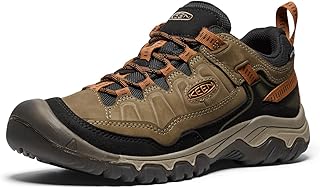


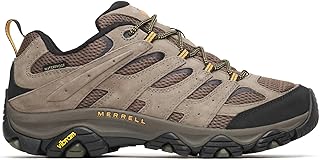


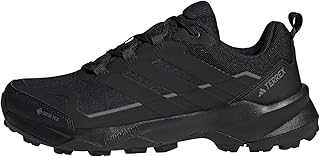
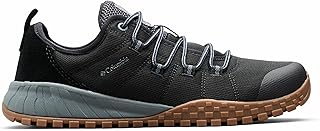


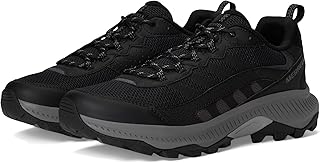


Choosing men's outdoor shoes in Canada requires more than comparing appearance, brand names, or headline discounts. Canadian conditions can range from dry summer trails and warm urban paths to wet spring ground, loose gravel, muddy routes, snow and freezing temperatures. The right footwear depends on where you walk, how often you use it, the terrain underfoot, seasonal conditions and the amount of support you need.
A smart buying decision starts with the intended activity. A lightweight hiking shoe can be an excellent choice for maintained trails and everyday outdoor use, while a more protective hiking boot may be preferable for rough terrain, heavier loads or variable weather. Trail running shoes can provide a more athletic feel, but they may not offer the ankle coverage or structured protection some hikers want.
When comparing men's outdoor shoes, consider traction, waterproofing, breathability, cushioning, stability, toe protection, fit, construction quality and expected use. Brands such as Salomon, Merrell, Columbia, The North Face, KEEN, adidas Terrex, HOKA, ASICS, New Balance and La Sportiva offer different approaches to outdoor footwear, so the best option is not necessarily the most expensive one.
A good outdoor shoe balances protection, comfort and grip without adding unnecessary weight. The ideal combination changes according to terrain and weather. Shoes intended for dry recreational trails can prioritise ventilation and low weight, whereas footwear for wet or cold conditions may place greater emphasis on water resistance, insulation and outsole traction.
Look beyond marketing descriptions and examine the actual construction. The upper material, midsole, outsole pattern, heel structure, toe reinforcement and closure system all influence how a shoe performs. A shoe can have excellent cushioning but still be unsuitable for slippery terrain if its outsole compound and tread pattern are not appropriate.
Men's outdoor shoes generally have a lower profile and more flexible construction than traditional hiking boots. They can be particularly practical for day hikes, travel, parks, maintained trails and mixed everyday use. Their lower weight can also make them more comfortable when walking for extended periods on relatively moderate terrain.
Hiking boots usually provide more structure and protection. A higher collar can offer additional coverage around the ankle, while a stiffer construction can feel more supportive when carrying a backpack or travelling over uneven ground. However, extra structure can increase weight and reduce the flexible feel that many people prefer for casual outdoor activities.
Neither design is automatically better. For Canadian users, the decision should be based on terrain, load, weather, distance and personal comfort rather than the label attached to the footwear.
Trail shoes are designed around outdoor movement and usually emphasise traction, flexibility and secure foot placement. They can work well for users who move quickly over trails or prefer footwear with an athletic feel.
Hiking shoes typically provide a balance between flexibility and protection. They are suitable for many day hikes and recreational outdoor activities where users want more structure than a standard walking shoe.
Walking shoes are generally optimised for predictable surfaces such as pavements, paths and urban environments. Although some models can handle light trails, they may not provide the outsole pattern, protective construction or stability required for rough terrain.
Traction is one of the most important specifications to examine when buying outdoor footwear. Outdoor surfaces can include dry rock, wet stone, roots, mud, gravel, loose soil and packed ground. The outsole must provide sufficient contact and resistance to slipping for the conditions in which the shoes will be used.
Deep or widely spaced lugs can help shed mud and loose material, while different tread geometries are intended to create stable contact on varied terrain. A smooth or shallow tread may feel comfortable on pavement but can be less suitable for loose or muddy trails.
Do not assume that aggressive-looking tread automatically makes a shoe suitable for every Canadian winter condition. Regular outdoor shoes are not a substitute for footwear specifically designed for ice and severe winter environments. For icy surfaces, specialised winter footwear with an appropriate sole and traction system may be a safer choice.
Rubber compounds differ in hardness, flexibility and grip characteristics. Some outdoor shoes use proprietary rubber formulations designed to balance durability and traction. Vibram is another widely recognised outsole technology used across numerous outdoor footwear products, although the presence of a particular outsole brand should still be considered alongside the tread pattern and overall shoe construction.
When comparing two products, examine the actual outsole design rather than choosing solely by brand or material name. Lug arrangement, contact area and the intended terrain can be just as important as the compound itself.
Waterproof footwear can be useful for wet trails, rain, damp grass and other conditions where keeping external moisture away from the foot is important. Waterproof membranes can reduce water penetration while allowing some moisture vapour to escape, although no waterproof shoe eliminates internal moisture under every condition.
Waterproof construction can also affect breathability. In warm weather or during strenuous hiking, feet may generate substantial heat and perspiration. A well-ventilated non-waterproof shoe may therefore be more comfortable in dry summer conditions than a waterproof model.
Consider your typical environment rather than selecting waterproof footwear automatically. If most walks take place during dry weather, ventilation and weight may be higher priorities. If your routes regularly involve rain, wet vegetation or damp ground, water resistance can become considerably more valuable.
The terms waterproof and water-resistant should not be treated as interchangeable. Water-resistant footwear can repel some moisture but may eventually allow water through under prolonged exposure. Waterproof construction is designed to provide a higher level of protection, but performance can depend on the membrane, seams, construction and condition of the footwear.
Check the manufacturer's specifications carefully and consider how the footwear is intended to be used. Also remember that water can enter through the opening around the ankle or tongue if conditions are sufficiently wet, even when the main upper is designed to resist water.
Breathability becomes particularly important during warm Canadian summers, long walks and strenuous hikes. A highly ventilated upper can help heat and moisture escape, potentially improving comfort during extended activity.
Mesh panels can provide substantial airflow but may offer less protection against rain, mud and abrasion than more enclosed materials. Synthetic uppers can provide a useful balance of weight, durability and drying speed, while leather constructions can offer a different combination of durability, structure and weather resistance.
Choose the construction based on the environment. A breathable trail shoe can be a strong option for dry summer hiking, while a protective waterproof model may be more appropriate for wet shoulder seasons.
Leather outdoor footwear is often chosen for its structured feel, durability and traditional appearance. It can provide useful protection against abrasion and environmental exposure, but leather may require more care and can take longer to dry after becoming wet.
Synthetic materials are commonly used where manufacturers want to reduce weight, improve flexibility or accelerate drying. Mesh and textile panels can increase ventilation, although highly ventilated designs may provide less protection from debris and moisture.
There is no universal winner. Consider durability, weight, climate, maintenance requirements and the terrain where the shoes will be used.
The midsole sits between the foot and outsole and has a major influence on comfort, stability and ride characteristics. Different foam formulations can produce different combinations of softness, responsiveness and durability.
Soft cushioning can feel comfortable during long walks and may appeal to users who prefer a plush underfoot sensation. However, excessive softness can sometimes reduce the stable feel that hikers prefer on uneven terrain. Firmer midsoles can provide a more controlled platform but may feel less forgiving on hard surfaces.
The best cushioning level is therefore a matter of intended use and personal preference. When comparing products, consider the terrain and distance rather than treating maximum cushioning as automatically superior.
Heel-to-toe drop describes the difference in height between the heel and forefoot area of a shoe. Different drops create different foot positions and can influence how the shoe feels during walking or running.
Users who are accustomed to a particular shoe geometry may find a major change in drop noticeable. If replacing an existing pair that feels comfortable, checking the new model's geometry can help reduce unnecessary adjustment.
Do not select a shoe solely because its drop appears in a specification table. Fit, cushioning, flexibility, stability and outsole performance all contribute to the overall experience.
Fit is one of the most important factors in outdoor footwear because a shoe that looks excellent on paper can still become uncomfortable if the shape does not suit your foot. Outdoor walking often involves repeated impacts, descents and changes in terrain, making heel security and toe-room particularly important.
The heel should feel securely held without excessive pressure. The midfoot should feel supported but not painfully compressed. The toes should have enough room to move naturally without sliding forward inside the shoe.
When hiking downhill, your foot can move toward the front of the shoe. A secure lacing system and adequate toe space can help reduce discomfort. Avoid compensating for a poor fit by overtightening the laces because excessive pressure can create new comfort problems.
Foot width varies considerably, so a standard-width shoe will not suit everyone. Some manufacturers offer wide or extra-wide versions, while others use naturally different last shapes across product lines.
If you have a wider forefoot, compare the available width options and examine customer feedback for comments about toe-box shape. If your feet are narrower, excessive internal volume can allow unwanted movement and reduce stability.
Width should be considered separately from length. A longer shoe is not necessarily the correct solution for a foot that needs more width.
Toe protection becomes more important when walking over rocky trails, roots, loose gravel or areas where accidental contact with hard objects is likely. Reinforced toe caps can provide additional protection and may also reduce wear in a high-impact area of the upper.
For casual park walking, heavy reinforcement may be unnecessary. For technical trails or frequent hiking, a protective toe construction can be a worthwhile feature.
Low-cut outdoor shoes provide freedom of movement around the ankle and are often lighter than boots. Mid-cut and high-cut footwear provides greater coverage, although the collar height alone should not be treated as a guarantee against ankle injury.
Stability also depends on the sole platform, heel structure, upper construction, lacing and overall fit. If you frequently carry a heavier backpack or travel across uneven terrain, a more structured shoe or boot may feel more secure.
For straightforward day hikes and maintained trails, many users may prefer the flexibility of a low-cut design.
For day hikes on maintained or moderately uneven trails, look for dependable traction, comfortable cushioning, secure fit and reasonable protection. Waterproofing is useful when wet conditions are common, while breathability may be preferable during warm and dry periods.
Rocky terrain generally demands more attention to outsole grip, foot protection and stability. A more structured shoe can help provide a controlled feel over uneven surfaces. Examine the toe protection and outsole coverage as well as the cushioning system.
Trail runners generally benefit from lightweight footwear, secure lockdown, responsive cushioning and aggressive traction. Because trail running creates more dynamic movement than ordinary walking, heel security and outsole performance deserve particular attention.
Camping footwear should match the activities planned at the campsite and surrounding trails. Lightweight shoes can be convenient for casual movement, while waterproof and more protective footwear can be useful where ground conditions are wet or rough.
For travel involving cities, parks and occasional trails, versatility can be more valuable than extreme trail performance. A moderately cushioned outdoor shoe with a practical tread can reduce the need to pack several different pairs.
If the shoes will primarily be used on pavements, paths and parks, prioritise comfort, fit, cushioning and durability. Extremely aggressive trail lugs may not be necessary for predictable urban surfaces.
Canadian footwear requirements can change dramatically throughout the year. Summer footwear may prioritise airflow and lightweight construction, while spring and autumn can require stronger water resistance because of rain and wet ground.
Winter introduces additional considerations. Regular hiking shoes should not automatically be considered winter footwear. Cold temperatures, snow, slush and ice can require insulation, deeper winter-oriented traction and construction designed specifically for cold conditions.
If you need one pair for multiple seasons, carefully evaluate where the compromises occur. A versatile three-season outdoor shoe may be useful for spring, summer and autumn, but a dedicated winter boot may still be preferable when temperatures and surface conditions become severe.
A useful comparison should focus on the characteristics that matter for your actual use rather than simply counting features. Start with terrain, climate and frequency of use. Then compare the construction details that directly affect those requirements.
Outdoor footwear can look stylish while still being poorly matched to the terrain. Attractive design should be considered alongside outsole grip, construction, fit and intended use.
Waterproof footwear can be valuable in wet conditions, but it may not be the ideal choice for hot, dry activities where airflow and rapid drying matter more.
A size that feels acceptable during a short indoor try-on may become uncomfortable during a long hike. Consider toe room, heel security, sock thickness and foot movement on descents.
Length is only one dimension of fit. A shoe can have the correct length and still be too narrow or too spacious for the shape of your foot.
More cushioning is not automatically better. Some outdoor activities benefit from a firmer, more stable platform, especially when walking across uneven ground.
Casual walking shoes may not have sufficient traction or protection for challenging trails. Match the shoe's intended terrain to the routes you actually plan to use.
Price can reflect materials, construction, technology and brand positioning, but it does not automatically mean a shoe is the right choice for your needs. Compare specifications and verified customer feedback before deciding.
Product specification pages can contain useful information, but terminology varies between manufacturers. Focus on measurable or clearly described characteristics that relate directly to your intended activity.
The upper is the material covering the foot. Look for information about mesh, synthetic materials, leather, protective overlays and waterproof membranes.
The midsole controls much of the cushioning and underfoot feel. Look for information about foam type, cushioning technology and structural elements where provided.
The outsole is the part that contacts the ground. Tread design, rubber construction and lug configuration are particularly relevant for outdoor traction.
Weight matters more as walking duration increases. Lighter shoes can reduce the effort required to move your feet, while heavier construction may provide additional protection or structure.
Heel-to-toe drop can influence the feel of the shoe and should be considered when switching from a familiar design.
Canadian shoppers can encounter a broad range of outdoor footwear brands. Salomon is known for hiking and trail-oriented footwear, while Merrell has a wide selection spanning hiking shoes and outdoor lifestyle footwear. Columbia offers outdoor footwear across different weather and activity categories, and KEEN is known for designs that often emphasise foot protection and outdoor versatility.
The North Face offers outdoor footwear alongside its broader outdoor range. adidas Terrex covers trail and outdoor-oriented footwear, while HOKA and ASICS are particularly relevant when a buyer is comparing cushioned trail-oriented designs. New Balance also offers trail footwear, while La Sportiva is strongly associated with mountain and technical outdoor activities.
Brand reputation should be used as a starting point rather than the final selection criterion. Different models within the same brand can have very different fits, cushioning systems, tread patterns and intended uses.
Customer reviews can provide useful information about fit, comfort, sizing and long-term use, but individual experiences vary. Instead of relying on one extremely positive or negative review, look for recurring themes across multiple verified purchases.
Pay particular attention to repeated comments about sizing accuracy, toe-box width, heel movement, sole durability, waterproof performance and comfort after extended use. Reviews become more useful when the customer's activity and environment resemble your own.
Separate subjective preferences from potential product issues. One person may describe a firm midsole as uncomfortable while another considers the same firmness supportive. Repeated reports of a specific construction problem are more significant than a single preference-based complaint.
A genuine smart buy is not necessarily the product with the largest advertised discount. A better approach is to compare the total value of the footwear against your requirements, expected frequency of use and construction quality.
Outdoor footwear models are frequently updated. A newer version may introduce changes to the upper, cushioning, outsole, fit or styling, but newer does not automatically mean better for every buyer.
When comparing generations, identify the actual changes. If the previous version provides the traction, fit and protection you need, it may represent strong value when available from a reputable retailer. Conversely, a new version may be worth considering if it addresses a feature that matters to your use case.
Proper maintenance can help preserve footwear performance and appearance. Cleaning requirements vary by material, so always follow the manufacturer's care instructions.
There is no universal replacement interval because wear depends on walking distance, terrain, body weight, footwear construction, weather exposure and maintenance. Instead of replacing shoes according to a fixed calendar, inspect their condition.
Signs that footwear may need replacement include substantially worn tread, reduced cushioning, damaged upper materials, persistent loss of structural support, separation of sole components or a fit that has changed because of material breakdown.
Traction deserves particular attention. If the outsole has become significantly smoother, the shoe may no longer provide the grip you originally purchased it for.
For maintained trails and casual hiking, a lightweight hiking shoe can provide a useful combination of comfort, traction and protection. For technical terrain, a more structured hiking shoe or boot may be appropriate. For fast-moving trail activities, a trail running shoe can provide a lighter and more flexible experience.
For mixed city and outdoor use, versatile shoes with moderate tread can be more practical than highly technical footwear. For wet environments, waterproof construction can be valuable. For hot and dry conditions, breathable materials may offer greater comfort.
For snow and ice, look beyond ordinary outdoor shoes and consider footwear specifically designed for winter conditions. The correct choice depends on the temperatures, surface conditions and duration of exposure expected in your area.
The best men's outdoor shoes depend on the intended activity, terrain, season, fit and budget. There is no single model that is ideal for every Canadian user. Compare traction, cushioning, protection, waterproofing, breathability and fit against your actual requirements.
Hiking shoes are generally designed with outdoor terrain in mind and may provide stronger traction, protection and stability than ordinary walking shoes. If you mainly walk on pavements or maintained paths, a regular walking shoe may be sufficient.
They can be useful during wet summer weather, but waterproof construction can provide less airflow than highly ventilated footwear. For hot and dry conditions, breathability and lightweight construction may be more important.
Start with outsole traction, fit, cushioning, stability, protection and the materials used in the upper. Then consider waterproofing, weight and breathability based on the climate and terrain where you hike.
Not necessarily. A higher-priced shoe can include advanced materials or construction, but the best value comes from selecting a model whose features match your requirements. Compare specifications, fit, durability indicators and verified customer feedback before deciding.
Your toes should have enough room to move naturally without your foot sliding excessively inside the shoe. Adequate space becomes particularly important on descents, when the foot can move forward inside the footwear.
They should feel secure without creating painful pressure. The heel and midfoot should remain controlled while the forefoot should have sufficient room for natural movement. Overtightening laces is not a substitute for the correct shoe shape.
Many hiking shoes can be used for everyday walking, especially versatile low-cut models. However, aggressive trail tread may be unnecessary on pavement, and heavier footwear may feel less convenient for ordinary daily use.
Some trail running shoes work very well for lightweight hiking, particularly on maintained trails. Their suitability depends on traction, protection, stability, cushioning and the terrain. More demanding routes may call for a more protective hiking shoe or boot.
There is no universal best outsole. The right design depends on terrain. Look for a tread pattern and rubber compound appropriate to the surfaces you expect to encounter, including rock, mud, gravel or wet ground.
Neither material is universally superior. Leather can offer structure and durability, while synthetic materials can provide lower weight, flexibility and faster drying. Select according to climate, terrain, maintenance preferences and intended use.
You need a wider model if standard footwear compresses your forefoot or does not provide a comfortable fit. Compare actual width options and toe-box shape instead of simply buying a longer shoe.
Some outdoor shoes can handle light snow for short periods, but ordinary hiking shoes are not necessarily designed for prolonged exposure to snow, freezing temperatures or ice. Dedicated winter footwear is generally more appropriate for severe conditions.
Inspect the outsole pattern, lug depth, spacing and intended-terrain information. Customer feedback can also help identify recurring comments about grip, but performance depends on the actual surface and conditions.
Replace them based on condition rather than a fixed schedule. Significant outsole wear, reduced cushioning, structural damage, separation or reduced stability can indicate that replacement is appropriate.
The smartest way to buy men's outdoor shoes in Canada in 2026 is to start with your environment rather than a particular brand or discount. Identify the terrain, season, walking distance and activities first. Then compare footwear that provides the required traction, protection, comfort and weather resistance.
For many buyers, the ideal outdoor shoe will be a compromise between lightweight comfort and practical protection. Others may benefit from a waterproof construction, aggressive trail outsole, additional structure or a specialised winter design. Brands including Salomon, Merrell, Columbia, KEEN, The North Face, adidas Terrex, HOKA, ASICS, New Balance and La Sportiva provide different options worth comparing, but the specific model and fit remain more important than the brand name alone.
Before purchasing, verify the current specifications, sizing information, customer feedback and price from trusted Canadian retailers. A smart deal is one that provides the features you genuinely need at a price that represents good overall value—not simply the product carrying the biggest advertised discount.