

♥ Wishlist
Compare 30 Girls Shoes for Everyday Wear, School & Activities products in Canada. Reviews, ratings, pros, cons and buying advice updated for October 2026.
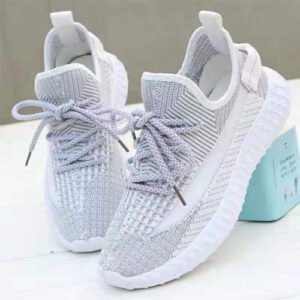
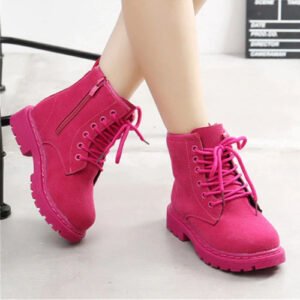
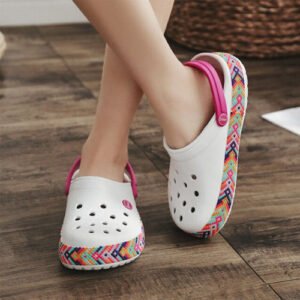
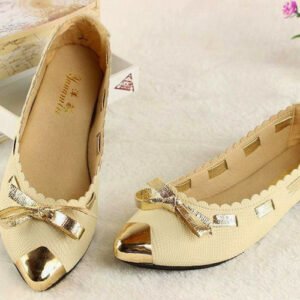
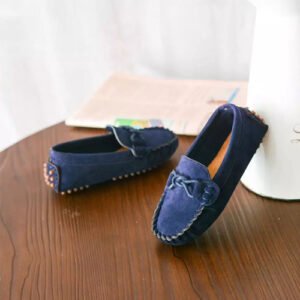
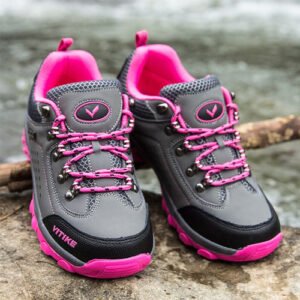
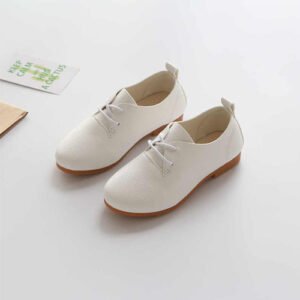
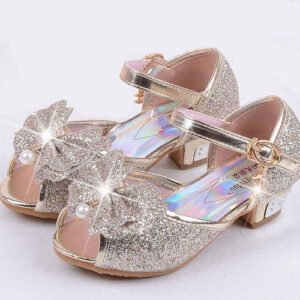
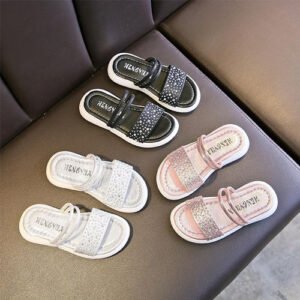
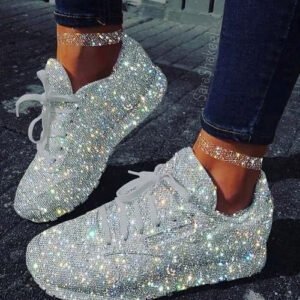


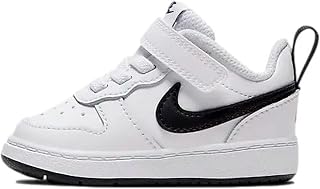


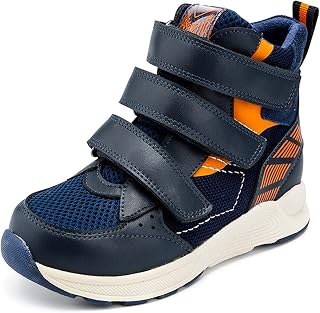


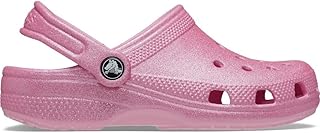


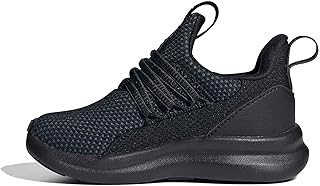


Finding the right girls' shoes involves more than choosing an attractive colour or a familiar brand. A smart purchase should balance fit, comfort, durability, construction, intended use and value. For Canadian shoppers, seasonal conditions also matter. A pair suitable for warm summer days may not be appropriate for wet autumn weather, while everyday school shoes need different characteristics from running shoes, sandals or winter footwear.
This buying guide is designed to make comparison easier when evaluating girls' shoes in Canada in 2026. Instead of focusing only on appearance or a temporary discount, consider how the shoe is constructed, how it is likely to be used, whether the sizing is appropriate and whether the materials suit the child's daily environment. Brands such as Skechers, adidas, Nike, New Balance, ASICS, Reebok, Puma, Clarks and Stride Rite offer different approaches to children's footwear, so comparing the actual specifications of each model is more useful than choosing by brand name alone.
The best pair is the one that matches the child's activity, foot shape, daily routine and the conditions in which the shoes will be worn. A fashionable shoe can be a poor choice if it restricts movement, fits incorrectly or lacks the durability required for frequent school and outdoor use.
School shoes need to cope with repeated use, walking between classrooms, playground activities and long periods of wear. Depending on school requirements, black or neutral colours may be preferable. Before buying, check the school's dress code and footwear policy.
For everyday school use, prioritise a secure fit, comfortable interior, durable outsole and fastening system that the child can manage independently. If the child changes footwear for physical education, a separate pair of athletic shoes may be more suitable than attempting to use one pair for every activity.
Running shoes should be selected according to activity rather than appearance alone. Look for a secure heel, comfortable upper, suitable outsole and enough flexibility for the intended movement. Athletic brands such as Nike, adidas, ASICS and New Balance offer children's models across different activity categories, but individual models can vary considerably.
Do not assume that a highly cushioned shoe is automatically the best choice. The appropriate design depends on the child's activity, fit and personal comfort. For organised sports, also consider the surface and rules of the activity.
Casual sneakers are among the most versatile choices for everyday wear. They can work for school, shopping, travel and general outdoor activities. When comparing sneakers, examine the outsole pattern, upper construction, closure system and weight.
A lightweight mesh sneaker can be useful during warmer weather, while a more structured upper may be preferable when durability and support are higher priorities. Skechers, Puma, Reebok and New Balance are examples of brands with broad children's footwear ranges, although the exact construction should always be checked model by model.
Sandals are useful during Canada's warmer months, but not every sandal is appropriate for every activity. Open designs can provide airflow, while closed-toe styles may offer additional coverage during active outdoor use.
Pay attention to adjustable straps, heel security, outsole traction and the surface touching the child's foot. A sandal that looks comfortable but allows excessive heel movement may not be suitable for extended walking.
Boots can be useful for rain, cold weather and outdoor activities, but the correct design depends heavily on the season. Rain boots prioritise water resistance, while winter boots generally require insulation and a construction appropriate for cold conditions.
For Canadian weather, avoid treating all boots as interchangeable. Consider temperature, precipitation, snow conditions, expected walking distance and whether the footwear will be worn indoors for extended periods.
Dress shoes are generally purchased for occasions such as ceremonies, parties, family events and formal school activities. Appearance naturally matters, but comfort should not be overlooked if the child will wear the shoes for several hours.
Look for a secure fastening system, smooth interior finishing and an outsole that provides reasonable traction. Flats, Mary Jane styles and low-profile formal shoes can be practical options when a child needs a more polished appearance without unnecessarily complicated construction.
Leather can provide a structured feel and may develop a different appearance with use. It can be suitable for school or formal footwear where a traditional finish is preferred. However, leather requires appropriate care, and not every leather shoe is designed for wet or snowy conditions.
Synthetic uppers can offer easy-care properties, consistent appearance and a wide range of designs. Their performance depends on the specific material and construction. Check manufacturer care instructions rather than assuming every synthetic shoe can be cleaned in the same way.
Mesh is commonly used in athletic and casual footwear because its construction can promote airflow. It can be especially appealing during warmer weather or active use. The trade-off is that lightweight mesh may require more careful cleaning than a smooth, wipeable upper.
The outsole affects traction, flexibility and everyday durability. Examine the tread pattern rather than judging grip from the material name alone. A deeper or more pronounced tread may be useful for certain outdoor conditions, while a flexible everyday outsole may be preferable for casual walking.
Correct sizing is one of the most important considerations when buying children's footwear. Children's feet change over time, so a size that fitted previously should not automatically be reordered without checking the current fit.
The shoe should hold the foot securely without creating uncomfortable pressure. There should be sufficient space around the toes for natural movement, but excessive extra length can make the foot slide and may affect walking stability.
Ask the child whether the toes feel cramped when standing and walking. Look for obvious pressure points and consider the child's foot shape. A shoe can have the correct labelled size while still being unsuitable if the toe box is too narrow.
The heel should feel secure without excessive rubbing or slipping. Repeated movement at the heel can cause discomfort, especially during active use.
Length is only one part of fit. Some children need a narrower or wider shape depending on their feet. If the shoe feels tight across the sides despite having appropriate length, consider another width or model rather than simply increasing the size.
Sock thickness can change the way a shoe fits. When possible, evaluate footwear with the type of socks the child normally uses for that activity. This is particularly relevant for athletic shoes and boots.
The fastening system should match the child's age, dexterity and daily routine.
Durability depends on more than the brand name or price. Look closely at the areas that receive the most stress: the toe, heel, outsole, stitching, fastening points and sole-to-upper connection.
For active children, reinforced toe areas can be valuable. A securely attached outsole can also matter when footwear receives frequent bending and impact. If a shoe is intended for school every day, consider whether its materials and construction are appropriate for repeated wear rather than occasional use.
Comfort is subjective, so no single feature guarantees that a shoe will feel right for every child. Nevertheless, several construction details can help during comparison.
Spring conditions can vary substantially. Waterproof or water-resistant footwear may be useful during wet periods, while lightweight sneakers can be more comfortable as temperatures rise. Consider whether the child will encounter puddles, muddy paths or wet grass.
Summer footwear should prioritise ventilation, comfort and suitability for outdoor activity. Sneakers with breathable uppers can work for active days, while sandals may be useful for casual warm-weather wear.
Autumn often requires versatility. A practical everyday shoe should cope with cooler temperatures and changing ground conditions. If the child spends significant time outdoors, traction and resistance to moisture become increasingly relevant.
Winter footwear deserves special attention in Canada. Consider insulation, waterproofing or water resistance, outsole traction, boot height and compatibility with the socks the child will wear. The warmest-looking boot is not necessarily the best choice if it fits poorly or lacks appropriate traction.
A lower price does not automatically represent better value. A genuinely smart purchase combines an appropriate product with a reasonable total cost and useful expected lifespan.
Colour, patterns and character designs can influence a child's preference, but appearance should not be the only selection criterion. A visually appealing shoe may still have an unsuitable fit, closure or outsole for the intended activity.
Children's feet grow, and sizing can differ between brands and models. Recheck fit whenever possible instead of automatically selecting the previous size.
A shoe can be long enough but still uncomfortable because it is too narrow or too wide. Pay attention to pressure around the forefoot and sides of the foot.
Everyday sneakers, running shoes, school shoes, sandals and winter boots have different design priorities. Matching footwear to its primary purpose can provide better comfort and performance.
Price alone does not establish whether a shoe is suitable. Compare materials, construction, fit, intended use and care requirements before deciding.
Online footwear purchases carry an additional sizing consideration. Before ordering, review the current retailer policy for returns or exchanges and check whether footwear must remain unworn or in original condition.
Online shopping makes it possible to compare a large selection quickly, but product photographs do not reveal every important detail. Build a comparison around measurable or clearly described characteristics.
Customer reviews can provide useful information, but they should be interpreted carefully. One review describing an individual experience should not automatically determine whether a shoe is suitable.
Instead, look for recurring patterns. Multiple reviews mentioning similar sizing issues, uncomfortable seams, premature outsole wear or closure problems may deserve additional attention. Also separate comments about personal preference from objective observations about construction or sizing.
When reading reviews, give greater weight to comments that explain how the footwear was used. A shoe designed for casual wear may receive an unfair criticism if it is evaluated against the requirements of a specialised sport.
Use the following checklist when comparing several models side by side:
Brand selection can be a useful starting point, but the exact model matters more than the logo. Different brands may specialise in different types of children's footwear, and their sizing or fit can vary between product lines.
These categories should not automatically be treated as interchangeable. School shoes may prioritise a formal appearance, uniform compatibility and durability. Athletic shoes are generally designed around movement and activity-specific requirements.
If a child spends much of the school day walking but also participates in sports, consider whether school policy permits athletic shoes for regular classroom use. If separate footwear is required, selecting each pair for its specific purpose can be more practical than looking for a single universal shoe.
Everyday footwear generally needs versatility and comfort for routine walking. Sports shoes need construction appropriate to the activity, including suitable traction, flexibility and secure fit.
For organised sports, identify the exact requirements before buying. Court sports, running, field activities and general gym use can place different demands on footwear. When a coach, school or sports organisation specifies a particular shoe type, those requirements should take priority over general buying advice.
Appropriate care can help footwear remain usable for longer, although the correct method depends on the materials and manufacturer instructions.
Replacement should be based on condition and suitability rather than a fixed calendar schedule. Children's footwear may need replacing when the fit becomes too small, the sole is excessively worn, the upper is damaged, the fastening system no longer works properly or the shoe no longer provides the characteristics required for its intended activity.
Check frequently worn shoes more often than occasional formal footwear. School and athletic shoes can experience substantially more bending, friction and surface contact than shoes reserved for special events.
Canadian shoppers should consider the local season, delivery timing, retailer policies and the conditions in which the shoes will be used. A summer sandal purchased during a seasonal sale may be excellent value if it will be needed soon, while buying children's winter boots too early may require careful consideration of growth and fit.
When comparing online offers, look at the complete purchasing conditions rather than focusing only on the displayed price. Check the exact model, size, colour, seller, delivery terms and current return policy. Product availability and pricing can change, so verify these details immediately before purchase.
Value is best judged by suitability rather than by the lowest upfront price. A less expensive shoe that fits poorly may provide worse value than a moderately priced model that better matches the child's needs.
Consider expected frequency of use, durability requirements, seasonal suitability and the child's growth. For rapidly growing children, avoid paying for features that will never be used. At the same time, avoid choosing the cheapest possible footwear for activities where secure fit and appropriate construction are especially important.
The best choice depends on the child's intended use, fit, season and budget. For school, prioritise uniform compatibility and everyday durability. For sports, focus on activity-appropriate construction. For winter, examine insulation, weather protection and traction. There is no single shoe that is best for every child or purpose.
Brands such as Skechers, adidas, Nike, New Balance, ASICS, Reebok, Puma, Clarks and Stride Rite are useful starting points for comparison. However, the quality and suitability of individual models can differ, so check the exact product specifications and fit.
They should feel secure without excessive pressure. The toes need appropriate room to move, the heel should not slide excessively and the shoe should match the child's foot width. Always evaluate the actual fit rather than relying exclusively on the labelled size.
Not necessarily. A higher price does not automatically mean better suitability or durability. Compare materials, construction, intended use, fit and current retailer conditions before deciding.
They can be suitable if the school's footwear policy permits them. Check the uniform and dress-code requirements first. If sneakers are allowed, select a pair that can handle the child's daily school routine.
Consider insulation, weather protection, outsole traction, fit, boot height and ease of fastening. Canadian winter conditions vary, so select footwear based on the temperatures and outdoor conditions the child is likely to encounter.
Velcro can be particularly convenient for children who are still developing their ability to tie laces. However, the best closure depends on the child's age, independence and ability to achieve a secure fit.
There is no universal schedule that suits every child. Check fit regularly, especially when shoes begin feeling tight, the child reports discomfort or the toes appear close to the end of the shoe. Growth can make a previously suitable pair unsuitable without much warning.
Buying excessively large footwear can compromise fit and stability. Some allowance for natural foot movement is appropriate, but the shoe should remain secure and comfortable when walking. Follow the manufacturer's sizing guidance and assess the actual fit.
Compare the exact model across trusted retailers, check current specifications and read verified customer reviews. A meaningful deal should offer an appropriate product at a favourable current price, not simply a large percentage discount against an unclear reference price.
Before completing a purchase, confirm the following:
A useful independent buying guide should not treat every discounted shoe as an equally good purchase. Product suitability, fit, construction, materials, activity requirements and seasonal conditions all influence value. Use these criteria alongside current retailer information to narrow the selection and make a more informed purchasing decision.
Because children's footwear sizes, prices, colours, stock levels and retailer policies can change throughout 2026, verify the latest product details before placing an order. The strongest choice is not necessarily the most expensive, most popular or most heavily discounted model; it is the one that fits the child's needs most closely.
When searching for the best smart buy girls' shoes deals in Canada, start with purpose and fit, then compare construction, materials, comfort, durability, seasonal suitability and total value. Use trusted brands as comparison starting points, but evaluate the exact model rather than relying on the brand name alone. Finally, confirm current sizing, specifications, verified customer feedback, retailer policies and pricing before buying.
Which follow-up would be most useful: a 10-product comparison table, a Canada-focused buying checklist, or SEO FAQ/schema content?