
♥ Wishlist
Compare 62 Men's Boots for Work, Outdoor Adventures & Everyday Wear products in Canada. Reviews, ratings, pros, cons and buying advice updated for October 2026.


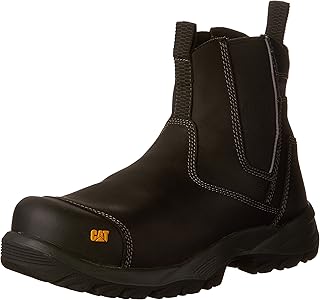


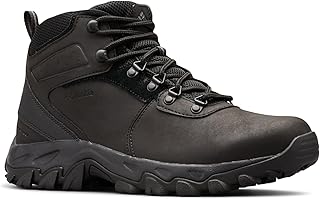
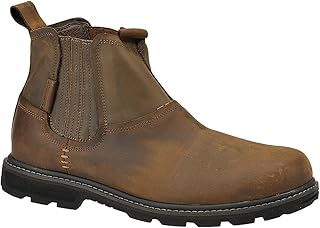


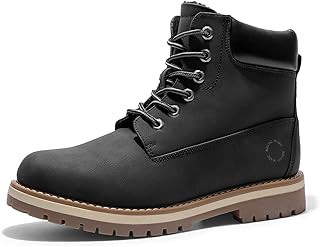


Choosing men’s boots in Canada requires more than comparing appearance or headline discounts. Canadian conditions can vary considerably between regions and seasons, so the right pair depends on where you live, how you travel, the surfaces you walk on, the temperatures you encounter, and how frequently you expect to wear the boots. A practical smart buy should balance comfort, construction, weather protection, traction, durability, fit, and overall value.
This buying guide is designed for shoppers comparing men’s boots for everyday wear, work, commuting, outdoor activities, travel, and cold-weather use. Instead of judging a boot solely by its brand or advertised price, consider the complete specification and how it matches your intended use. Brands such as Timberland, KEEN, Merrell, Columbia, CAT Footwear, Wolverine, Sorel, Blundstone, Dr. Martens, and Red Wing offer different approaches to materials, construction, comfort, and weather resistance, so comparing the details is important.
A smart purchase is not necessarily the cheapest boot. It is the boot that provides the combination of features you actually need without paying for specifications that add little value to your use case. For example, someone looking for boots for city commuting may prioritise comfort, water resistance, lightweight construction, and easy styling, while someone working outdoors may need substantially different levels of protection and durability.
Before comparing individual models, identify your primary use. This makes it easier to separate genuinely useful features from marketing language.
The upper material affects appearance, durability, weather resistance, flexibility, maintenance, and comfort. Full-grain leather is commonly selected for durability and a traditional appearance. It can develop character over time, but it usually benefits from appropriate cleaning and conditioning.
Other leather grades can offer different combinations of softness, appearance, and cost. Suede and nubuck can provide a distinctive casual appearance but generally require more careful maintenance because their textured surfaces can show dirt and moisture differently from smooth leather.
Synthetic materials can reduce weight and may dry differently from traditional leather. Textile panels can also improve flexibility and breathability. However, the presence of a particular material does not automatically determine overall quality. The stitching, seams, lining, reinforcement, sole, and construction method all contribute to the finished boot.
Waterproof and water-resistant are not interchangeable terms. Shoppers should examine the manufacturer's stated level of protection and understand how the boot is intended to be used.
For Canadian autumn and winter conditions, water protection can be particularly valuable when walking through wet streets, slush, puddles, or light snow. However, a waterproof membrane does not automatically make a boot warm, and insulation does not automatically make it waterproof.
Winter boots should be selected according to the conditions in which they will actually be worn. A heavily insulated boot may be useful for prolonged exposure to cold weather but can feel unnecessarily warm during short urban commutes or indoor use.
When comparing insulated boots, consider the insulation type, stated temperature guidance if provided by the manufacturer, lining, boot height, fit, and outsole. Temperature ratings should not be treated as universal guarantees because warmth depends on activity level, socks, circulation, exposure time, wind, moisture, and individual comfort.
For Canadian shoppers, it is also useful to distinguish between boots intended for walking on cleared urban pavements and boots designed for snow-covered outdoor environments. The same level of insulation and traction may not be necessary for both.
Traction is one of the most important specifications for winter and outdoor boots. Look at the outsole pattern rather than simply assuming that a thick sole will provide better grip.
For icy Canadian conditions, shoppers should pay particular attention to whether the manufacturer specifically describes the outsole as suitable for winter, snow, ice, or cold-weather environments. Do not assume that a fashionable leather boot with a chunky sole provides the same traction as a purpose-built winter boot.
Comfort is highly individual, which makes fit and internal construction more important than simply reading a general comfort claim. Look for information about the footbed, midsole, heel cushioning, arch support, lining, and flexibility.
A boot that feels comfortable during a short fitting may behave differently after several hours of walking. If you expect to wear boots throughout a working day, evaluate the available interior space, heel hold, toe room, underfoot cushioning, and overall weight.
A correct fit should hold the heel securely while leaving sufficient room for the toes to move naturally. The toe box should not force the toes together or allow excessive forward movement.
Boot sizing can vary between brands and models. Timberland, KEEN, Merrell, Columbia, Sorel, Blundstone, and other manufacturers may use different lasts and fit profiles. Always check the manufacturer's sizing information and consider whether the boot is designed for a narrow, standard, or wider foot.
One of the most common buying mistakes is treating all boots as interchangeable. Everyday boots may be comfortable and stylish but may not provide the insulation or traction needed for extended winter exposure. Conversely, a heavy winter boot may be unnecessarily bulky for indoor work or short city journeys.
Everyday boots are often designed around versatility. They can work with jeans, casual trousers, workwear, or smart-casual clothing. Winter boots generally place greater emphasis on insulation, weather protection, outsole grip, and construction that can handle snow and moisture.
If your primary requirement is commuting through Canadian winter weather, look for a balance between warmth and walkability. If your primary requirement is extended outdoor exposure, protection from the elements should carry more weight in the buying decision.
Leather remains a popular material for men's boots because of its appearance, durability, and ability to develop a distinctive finish with use and maintenance. However, not every leather boot is constructed in the same way.
Examine the leather specification, thickness where stated, stitching, reinforcements, lining, eyelets, heel construction, and sole attachment. A boot with attractive leather can still have limitations if the rest of its construction does not match the intended application.
Leather also requires appropriate care. Dirt should be removed according to the manufacturer's recommendations, and any conditioning product should be suitable for the particular leather. Products intended for smooth leather may not be appropriate for suede or nubuck.
Suede and nubuck can create a softer and more casual appearance than traditional smooth leather. They can be excellent choices when appearance and everyday versatility are priorities, but shoppers should consider the maintenance requirements.
Because their surfaces have a distinctive texture, dirt, salt, moisture marks, and scuffs may require specific cleaning methods. Canadian winter roads can also expose footwear to salt and other residues, so buyers should check care instructions before using cleaning or protective products.
Work boots require a different buying approach from casual footwear. If boots will be used in a workplace with specific safety requirements, the relevant standards and protective features should be confirmed before purchase.
Depending on the job, features may include protective toe construction, slip resistance, puncture resistance, electrical protection, water resistance, or other specialised characteristics. Never assume that a boot is suitable for a regulated workplace merely because it is marketed as a work boot.
Check the manufacturer's safety information and your employer's requirements. Where a specific Canadian certification or workplace standard is required, verify the exact marking and certification information for the model rather than relying on a retailer category label.
Brand recognition can be useful when narrowing a large selection, but it should not replace model-level comparison. Different brands specialise in different types of footwear, and even within one brand, construction and intended use can vary significantly.
When reviewing a shortlist of ten products, avoid ranking them solely by star ratings or discount percentages. A more useful comparison evaluates each model against the same criteria.
A discount does not automatically make footwear a good deal. A lower price can be attractive when the boot already matches your requirements, but buying an unsuitable boot at a reduced price can still result in poor value.
Start with the original specifications and intended use. Then compare the current price with similar boots offering comparable materials and features. Also check the exact model number because similar-looking boots can have substantially different construction or specifications.
Before purchasing, review the retailer's current product information, size availability, delivery terms, return policy, and any applicable conditions. Prices and availability can change, so shoppers should confirm these details immediately before completing a purchase.
A fashionable boot can be an excellent choice for casual use, but appearance should not be the deciding factor when the footwear must handle snow, prolonged rain, demanding work, or rough terrain.
Waterproofing and insulation solve different problems. A waterproof boot may keep moisture out while providing little insulation, while an insulated boot may not provide adequate protection from standing water.
Some shoppers deliberately buy oversized boots because they expect to wear heavy socks. Excessive space can reduce heel security and walking stability. Look for a boot with sufficient volume and consider models specifically designed for winter socks.
The upper often receives most of the visual attention, but the outsole determines much of the boot's interaction with the ground. Examine the tread, rubber construction, flexibility, and intended terrain before making a decision.
Two boots at different prices may offer very different materials, construction, insulation, durability, or intended applications. Compare the specifications that matter to you before deciding whether the price difference is justified.
Some materials require regular cleaning and conditioning, while others are easier to maintain. Consider your willingness to care for the boots when comparing long-term value.
Canada encompasses a wide range of climates, so there is no single men's boot that is ideal for every Canadian shopper. A buyer in Vancouver may have different priorities from someone in Winnipeg, Toronto, Calgary, Montreal, Halifax, or a rural northern community.
Wet conditions can increase the importance of water protection. Heavy snowfall can make boot height and snow-shedding traction more relevant. Extended cold exposure can increase the importance of insulation. Urban commuters may instead prioritise comfortable walking, practical traction, easy cleaning, and footwear that transitions between outdoor and indoor environments.
Think about your actual route and routine rather than simply choosing the most heavily specified boot. A highly insulated outdoor boot may be unnecessary if you spend most of your day indoors and only walk a short distance outside.
Urban footwear needs to handle changing surfaces and weather without becoming unnecessarily bulky. For commuting, consider traction, water resistance, comfort, weight, and ease of putting the boots on and taking them off.
Pull-on styles can be convenient for quick changes, while lace-up boots may provide more adjustable fit. A relatively flexible sole can be beneficial when walking on paved surfaces, whereas a more aggressive outsole may be preferable for snowy paths.
Hiking boots should be assessed according to terrain rather than appearance. A lightweight hiking boot may be suitable for maintained trails and day walks, while rough terrain may require more structure, underfoot protection, and ankle stability.
For wet weather, the construction around the upper, tongue, seams, opening, and outsole deserves attention. A water-resistant coating can be useful for light precipitation, while frequent exposure to rain or puddles may justify a boot specifically designed for waterproof protection.
Consider drying requirements as well. Repeatedly wearing damp footwear can reduce comfort and contribute to unpleasant odours. Follow the manufacturer's drying recommendations and avoid excessive heat that could damage leather, adhesives, membranes, or other components.
Construction describes how the upper, midsole, outsole, and other components are assembled. Different construction methods can affect flexibility, durability, repairability, weight, water resistance, and comfort.
When specifications are available, examine how the sole is attached to the upper and whether the construction is designed for the intended level of use. Traditional construction can provide a particular feel and appearance, while modern bonded or moulded approaches can offer advantages in weight and flexibility.
Do not assume that one construction method is universally superior. The best option depends on whether you prioritise flexibility, ruggedness, repairability, weather protection, weight, or styling.
The sole is a critical part of a boot because it affects traction, comfort, stability, flexibility, and durability. Rubber is widely used because it can provide practical grip and abrasion resistance, but different rubber formulations can behave differently.
The tread pattern matters as much as the material. Closely spaced patterns may perform differently from deep, widely spaced lugs. Consider where the boots will be used and examine the manufacturer's description of the outsole rather than assuming a particular tread will perform identically across every surface.
Product specifications can contain useful information, but shoppers should understand what each item means before comparing models.
Foot width can be just as important as length. A boot that has adequate length but insufficient width can create pressure across the toes or forefoot.
Where possible, look for models offered in multiple width options. If a manufacturer provides a specific width guide, use it instead of assuming that your normal shoe size will produce the same fit in every boot.
A wider toe box can improve comfort, but excessive volume can reduce foot security. The ideal fit balances toe freedom with secure heel and midfoot support.
If you expect to spend many hours on your feet, focus on cushioning, weight, heel security, flexibility, and overall fit. A boot can be durable without being comfortable enough for extended walking, so these characteristics should be assessed separately.
Consider how the boot feels during repeated steps rather than judging it solely by how substantial it appears. Heavy construction can be useful for demanding environments, but lighter construction may be preferable for everyday commuting and travel.
Proper maintenance can help preserve the appearance and function of boots. The correct care routine depends heavily on the material, so always follow the manufacturer's instructions for the specific model.
Rotation can be useful when you own more than one suitable pair. Allowing footwear to dry and recover between uses may help reduce repeated moisture exposure and preserve comfort.
Using boots for their intended purpose also matters. Casual fashion boots should not automatically be treated as industrial work footwear, and lightweight hiking boots should not be expected to provide the same protection as specialised heavy-duty boots.
Replace heavily worn footwear when the outsole, structural support, waterproofing, or upper condition no longer provides the performance you require. Visible wear is not merely cosmetic when it affects traction or stability.
Budget should be considered alongside intended frequency of use. Someone wearing boots occasionally may not need premium construction, while someone wearing the same pair throughout winter or during demanding work may benefit from investing in features that improve comfort and durability.
At the entry level, prioritise basic fit, acceptable materials, usable traction, and construction appropriate to your needs. In the mid-range, compare improvements in materials, insulation, cushioning, weather protection, and outsole design. At higher price points, scrutinise what additional value you are actually receiving rather than assuming a higher price guarantees better performance.
A higher-priced boot may make sense when it offers features that are genuinely useful for your circumstances. These can include higher-quality materials, more specialised weather protection, improved construction, better fit options, advanced insulation, or a design intended for intensive use.
However, premium styling alone does not necessarily justify a higher price. Compare the specifications and intended use of similarly priced alternatives before making the final decision.
A less expensive boot can be a smart purchase when it satisfies your actual requirements. If you need occasional footwear for mild weather and casual use, paying substantially more for extreme insulation or specialised outdoor construction may provide little practical benefit.
The objective is to avoid both under-buying and over-buying. Choose the feature set that matches your environment, activity level, expected frequency of use, and comfort requirements.
Customer reviews can provide useful information about fit, sizing consistency, comfort, durability, and everyday usability, but they should be interpreted carefully. A review reflects an individual experience and may not represent every wearer.
Use the following checklist when narrowing down the top ten options on a comparison page. It helps prevent an attractive price, familiar brand, or fashionable design from overshadowing practical requirements.
There is no universal winner for every shopper. The most appropriate choice depends on the conditions and priorities behind the purchase.
When winter performance is the main priority, consider the boot as a complete system. Insulation keeps heat in, waterproofing helps keep moisture out, and the outsole provides contact with the ground. A weakness in any one of these areas can affect the overall suitability of the footwear.
Also consider the difference between cold, snow, slush, rain, and ice. These conditions place different demands on footwear. A boot that performs well in cold and dry snow may not offer the same advantages in wet slush or on smooth ice.
Waterproof boots can be worthwhile for shoppers who frequently encounter rain, slush, wet snow, or puddles. They may be less important for people who primarily walk indoors or live in conditions where moisture exposure is limited.
Remember that waterproofing can affect breathability and flexibility depending on the design. Evaluate the complete boot rather than treating waterproofing as the only quality indicator.
Insulated boots can be valuable when you spend significant time outdoors in cold weather. They may be unnecessary for short trips between a vehicle and an indoor destination, especially if your feet tend to become warm quickly.
For versatile use, consider whether the insulation level fits most of your actual activities. A boot that is extremely warm outdoors may become uncomfortable when worn indoors for long periods.
Lace-up boots generally offer more adjustment around the foot and ankle, which can be useful when fine-tuning fit or wearing different sock thicknesses. Pull-on boots can be convenient and quick to put on, and some designs use elastic panels or other features to improve flexibility.
The better choice depends on your priorities. For demanding outdoor activity or situations where precise fit matters, adjustable closure can be valuable. For everyday convenience, a well-fitting pull-on boot can be highly practical.
Boot height should correspond with the conditions you expect to encounter. Low boots can be easier to walk in and may suit everyday city use, while taller boots provide additional coverage against snow, water, mud, and debris.
Higher boots can also add weight and reduce flexibility, so extra height should serve a practical purpose. Consider the depth of snow and slush you commonly encounter rather than selecting the tallest design automatically.
Several men's boots can look almost identical in photographs while differing considerably in construction. Always compare the exact model name and product specifications.
Percentage discounts can make a product appear more attractive than another option, but the percentage alone does not establish value. A heavily discounted boot that does not meet your requirements is still the wrong purchase.
Compare the final price, specification, intended use, and competing products. If the same boot appears across several retailers, check the exact model and current terms before deciding. Prices, stock status, promotions, and retailer conditions can change during 2026.
The value of a pair of boots depends partly on how frequently and successfully you can use them. A versatile pair that works for commuting, casual wear, and moderate wet weather may offer greater practical value than a specialised pair that is rarely needed.
Durability also matters, but it should be considered alongside repairability, maintenance requirements, comfort, and suitability. A durable boot that causes discomfort may not be a good long-term choice for everyday wear.
The best smart buy is the boot that matches your actual environment and daily routine. Start with purpose, then evaluate fit, materials, weather protection, insulation, traction, comfort, construction, and maintenance. After narrowing down the options, compare current prices and retailer terms rather than selecting a boot solely because it has the largest advertised discount.
For Canadian shoppers, weather should play a central role in the decision. Wet autumn conditions, snow, slush, freezing temperatures, and icy surfaces can require very different footwear characteristics. A versatile everyday boot may be ideal for some shoppers, while a specialised winter or work boot may be the better investment for others.
Brands including Timberland, KEEN, Merrell, Columbia, Sorel, CAT Footwear, Wolverine, Blundstone, Dr. Martens, and Red Wing can all be considered during the research process, but the exact model should always be judged on its specifications and suitability for your needs.
The best winter boot depends on the local climate and intended use. Look for appropriate insulation, weather protection, traction, boot height, and a fit that accommodates your normal winter socks. Someone commuting in an urban environment may need a different boot from someone spending several hours outdoors in deep snow.
No. A higher price does not automatically mean better performance for every shopper. Compare materials, construction, weather protection, comfort, traction, fit, and intended use to determine whether the additional cost provides useful benefits.
Check the manufacturer's specific waterproofing claim, upper construction, seams, tongue design, boot height, and intended conditions. Also consider breathability and drying requirements because waterproof footwear can have different comfort characteristics from non-waterproof designs.
Neither is universally more important. Insulation addresses warmth, while waterproofing addresses moisture. Choose according to the conditions you encounter most often. In wet winter climates, both can be useful.
Some leather boots can work well in winter, but suitability depends on the complete design. Look for appropriate weather protection, insulation when required, suitable outsole traction, and proper maintenance. Leather alone does not determine winter performance.
The heel should remain reasonably secure while the toes have enough room to move naturally. Avoid excessive pressure around the forefoot and avoid buying significantly oversized boots simply to accommodate thicker socks.
If standard-width footwear creates pressure around your forefoot, a wider model may provide a better fit. Check the manufacturer's width options and sizing guidance because width terminology and fit can vary between brands and models.
Look for boots specifically intended for snow or winter use, with suitable insulation, weather protection, sufficient height, and an outsole designed for cold-weather traction. Remember that even specialised winter footwear cannot guarantee traction on every icy surface.
Yes, provided their weight, warmth, styling, and flexibility suit your routine. If you spend substantial time indoors, an extremely insulated boot may feel warmer than necessary.
There is no universal replacement interval. Inspect the outsole, upper, seams, cushioning, waterproofing, and structural support. Replacement becomes more relevant when wear affects comfort, stability, traction, weather protection, or safety.
No. Ratings can help identify common experiences, but they should be combined with specifications, fit information, intended use, and detailed reviews. Look for recurring patterns rather than relying on a single rating or comment.
Create a consistent comparison based on purpose, material, fit, waterproofing, insulation, traction, weight, construction, maintenance, customer feedback, and current price. This makes it easier to identify which model offers the most relevant features for your needs rather than simply choosing the most popular or discounted option.