

♥ Wishlist
Compare 67 Massage Tools and Equipment for Relaxation and Recovery products in Canada. Reviews, ratings, pros, cons and buying advice updated for October 2026.


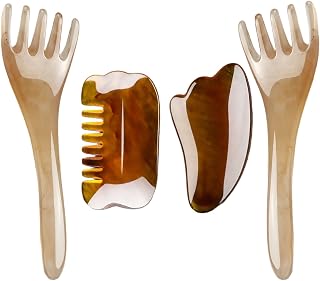


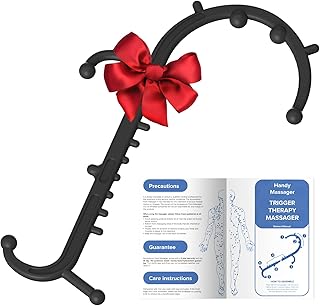




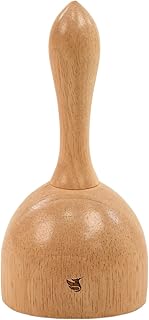






Choosing massage equipment is easier when you compare the right features instead of focusing only on the advertised deal. Massage tools range from compact handheld devices and massage guns to heated rollers, percussion massagers, massage cushions and specialised recovery equipment. Each type serves a different purpose, so the best choice depends on the area you want to target, your preferred intensity, portability requirements and how frequently you expect to use it.
For Canadian shoppers, it is also worth considering the product's power requirements, included accessories, construction quality, noise level, controls, cleaning requirements and suitability for the intended user. A low headline price does not necessarily make equipment a smart buy if it lacks useful attachments, has limited adjustment options or is uncomfortable to hold.
This 2026 buying guide explains the most important differences between massage tools and equipment, what specifications deserve attention, which features are genuinely useful, common buying mistakes and how to compare products before purchasing through a trusted retailer.
The first step is deciding what you want the equipment to do. A massage gun designed for targeted percussion is very different from a massage cushion designed to provide a broader massage while sitting. Similarly, a compact manual roller may be ideal for portability but cannot provide powered percussion or heat.
Massage guns use rapid mechanical movements to deliver repeated percussion to a targeted area. Handheld massagers are a broader category and may use vibration, kneading, rolling, heat or other mechanisms. The distinction matters because the sensation and intended use can be substantially different.
A massage gun can be useful when you want precise control over where the attachment contacts the body. Its interchangeable heads may also allow users to alter the contact area. However, the shape of the device and its grip can affect comfort during longer sessions.
A traditional handheld massager may be easier for users who prefer gentler vibration or a larger contact surface. Some models include heating functions or specialised attachments, although additional features should be assessed for usefulness rather than treated as automatic signs of better quality.
Percussion equipment produces repeated movements through a powered motor. The motor drives the massage attachment forward and backward, creating a tapping or pressing sensation. Product specifications can describe this performance using different measurements, so shoppers should avoid comparing a single advertised number without considering the complete specification.
Important factors include the available intensity range, control system, attachment selection, grip design and how consistently the device operates across its settings. A higher maximum intensity is not automatically better. Many users benefit more from having several controllable levels than from having an extremely aggressive setting that they rarely use.
Amplitude refers broadly to the distance that a percussion attachment travels during its movement. Intensity describes how forceful or vigorous the massage feels. These characteristics are related but should not be treated as identical.
When comparing massage guns, examine both the movement specification and the available speed or intensity controls. A device with useful adjustment options can provide greater flexibility for different body areas and personal preferences.
Attachments change the contact pattern of a massage device. Common designs include larger rounded heads, flatter heads, pointed heads and softer attachments. The appropriate attachment depends on the area and the sensation the user prefers.
Cordless massage equipment is convenient because it removes the need to remain close to a wall outlet. However, battery specifications deserve closer examination when comparing models.
Look at the stated operating time, charging method, charging duration and whether the battery is integrated or replaceable. Actual runtime can vary according to intensity, operating conditions and usage patterns, so advertised maximum runtime should not be interpreted as a guaranteed duration for every session.
For Canadian households, consider where the equipment will normally be charged and whether the supplied charger is appropriate for the intended location. For travel, portability and charging convenience can be more important than maximum power.
Corded equipment can provide continuous operation without relying on battery capacity, which may be useful for equipment intended to remain in one location. Cordless models offer greater freedom of movement and are often easier to store.
The smarter choice depends on your routine. If the device will be used beside a chair or bed, a corded model may be perfectly practical. If you expect to move around the house or carry the device elsewhere, cordless operation can be considerably more convenient.
A massage device can have impressive specifications yet remain frustrating to use if it is difficult to hold. Weight distribution, handle shape, grip texture and button placement can all affect usability.
Consider how the device will be positioned during a typical session. Reaching the upper back, shoulders or legs may require holding the equipment at different angles. A poorly balanced device can make this unnecessarily tiring.
Motorised massage equipment produces some level of mechanical noise. This can matter if you use the device while watching television, working, reading or sharing a room with another person.
Manufacturers may describe noise using decibel measurements, but comparisons are only useful when the measurement conditions are comparable. Instead of assuming that a particular specification guarantees quiet operation, read the manufacturer's information alongside verified customer feedback about everyday noise.
Some massage products combine mechanical massage with heat. Heat can change the overall sensation and may be desirable for users who prefer a warming massage experience.
When evaluating heated equipment, check whether heat can be controlled independently from the massage function. Adjustable settings can be more useful than a single fixed heat mode. Also consider automatic shut-off features, temperature controls and the manufacturer's safety instructions.
Do not treat a heating function as essential simply because it appears in a product title. If you rarely want heat, a simpler device may offer better value and easier operation.
Construction quality affects how a massage device feels in the hand and how easily it can be maintained. Look at the materials used for the housing, handle, massage heads, controls and moving components.
Hard plastic housings are common in consumer massage equipment, while some premium designs combine plastic with rubberised grips or other materials. The important question is whether the construction is appropriate for the expected frequency of use.
Pay particular attention to detachable accessories. Attachments should fit securely and be easy to remove when cleaning or changing configurations. Loose-fitting accessories can reduce usability even when the main unit performs well.
Simple controls can be a major advantage. If you need to consult complicated instructions every time you use the device, extra functions may become a burden rather than a benefit.
Useful controls can include dedicated power buttons, clearly differentiated intensity controls, battery indicators and separate heat controls. Some modern products use digital displays, while others rely on simple buttons or indicators. Neither approach is automatically superior.
For older users or anyone who prefers straightforward operation, large, clearly labelled controls may be more valuable than an elaborate interface.
Massage cushions offer a different approach from handheld equipment. Instead of requiring the user to hold the device, the cushion is positioned against a chair or another suitable surface. This can make it practical for people who want a more hands-free experience.
When comparing massage cushions, examine the coverage area, massage mechanism, seat and back design, heat functionality, control method and compatibility with the chair where it will be used.
Check the manufacturer's instructions carefully regarding positioning and appropriate surfaces. A cushion designed for a particular seating arrangement may not work equally well in every chair.
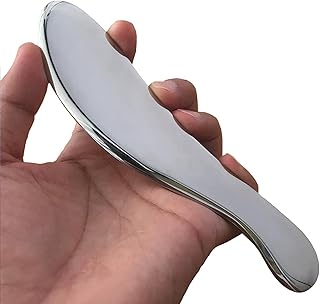
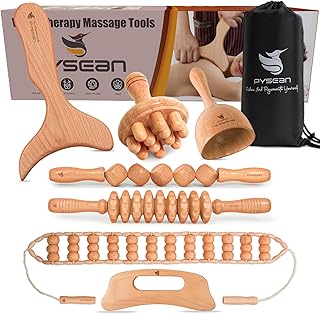
Not every useful massage tool needs a motor. Manual rollers, massage balls and trigger-point-style tools can be compact, inexpensive and easy to store.
The main advantage is simplicity. There is no battery to charge, motor to maintain or electronic control system to operate. However, manual tools require the user to provide the movement or pressure, which may make certain body areas difficult to reach.
For shoppers who want a lightweight option for travel or occasional use, a manual tool can sometimes be a more practical purchase than a large powered device.
Not every extra feature contributes equally to the user experience. Before paying more for premium equipment, determine whether the feature solves a genuine problem.
Some specifications look impressive in advertising but provide limited information by themselves. A larger number of intensity levels does not necessarily mean that the levels are meaningfully different. Likewise, a high maximum speed or extensive accessory kit may not improve the experience if the device is uncomfortable or difficult to control.
Instead, evaluate the complete package: construction, ergonomics, adjustment range, attachments, battery performance, controls and the intended application.
Canadian shoppers may encounter products from established brands such as Therabody, Hyperice, RENPHO, RENPHO, HoMedics, Beurer, Comfier and Nekteck, alongside numerous smaller manufacturers. Brand familiarity can help with researching product specifications and support information, but it should not replace model-by-model comparison.
Even within the same brand, products can differ considerably in motor design, attachments, battery capacity, control systems and intended use. Always compare the exact model rather than assuming that all products from a familiar manufacturer offer the same features.
A genuine value comparison should consider the complete specification rather than the advertised discount alone. Before deciding that one product is the better deal, compare the following:
Customer reviews can provide useful information, but they should be interpreted carefully. Look for recurring comments rather than relying on one exceptionally positive or negative review.
Reviews are particularly useful for identifying practical details that may not be obvious from a specification sheet, such as grip comfort, perceived noise, accessory storage, charging convenience and ease of changing massage heads.
Pay attention to reviews of the exact model and configuration you are considering. Similar product names can refer to substantially different versions.
More power is not necessarily more useful. Excessive intensity may make the device uncomfortable for some users. Adjustable control and suitable attachments can be more important than maximum output.
A heavy handheld device can become tiring during self-massage. Check the stated weight and consider the areas you expect to reach.
A large accessory set can look attractive, but unused attachments add complexity and storage requirements. Choose accessories that match your intended applications.
A percentage-off claim does not establish value by itself. Compare the product's current price, specifications, included accessories and alternatives in the same category.
Battery-powered equipment is convenient until it runs out of charge. Consider whether the stated battery performance fits your routine.
Massage equipment comes into regular contact with skin. Check the manufacturer's cleaning instructions and determine whether detachable components can be cleaned conveniently.
Proper maintenance can help keep massage equipment in good working condition. Always follow the manufacturer's specific instructions because materials, electrical components and detachable parts differ between products.
Storage is easy to overlook when comparing products online. Larger massage cushions require substantially more space than compact handheld devices. Massage guns with several attachments may also benefit from an organised case or storage compartment.
Before purchasing, consider where the equipment will live between uses. A product that is easy to store is more likely to remain accessible and convenient for regular use.
A smart buy is not necessarily the cheapest product or the most advanced model. It is the product whose features, build, size and operating characteristics match the user's actual requirements.
For example, someone who wants a compact device for occasional muscle massage may have little reason to purchase a large premium system with numerous accessories. Conversely, a frequent user may benefit from investing in better ergonomics, broader adjustment options and stronger overall construction.
Canadian buyers should also check the exact retailer listing for current price, availability, delivery information, included accessories and warranty terms because these details can change over time.
Use this checklist before purchasing a percussion massage gun:
Massage equipment is not suitable for every situation or every person. Follow the manufacturer's safety instructions and intended-use guidance. Avoid using equipment on areas that the manufacturer identifies as unsuitable.
Do not use a damaged electrical massage device. Stop using equipment if it produces unusual sounds, excessive heat, electrical smells or other signs of malfunction.
People with specific medical conditions, recent injuries, unexplained pain or other health concerns should seek appropriate professional medical advice before using powered massage equipment. Massage tools should not be treated as a substitute for diagnosis or medical treatment.
Users should follow the manufacturer's instructions regarding prohibited or unsuitable areas. In general, a percussion device should not simply be applied indiscriminately to every part of the body. Sensitive areas, bones, joints and areas of injury require particular caution, and the correct application depends on the specific device and individual circumstances.
When in doubt, consult the product instructions and seek qualified professional guidance rather than increasing intensity or applying the device to an unfamiliar area.
Rather than purchasing based on the largest feature list, create a short list of the functions you will actually use. For example, if your main requirements are cordless operation, three or four useful intensity levels and two suitable massage heads, there may be little benefit in paying substantially more for features that will remain unused.
Compare several models in the same product category before making a decision. Then check whether the additional cost of a premium model provides a meaningful improvement in comfort, durability, flexibility or convenience.
Budget massage tools can be suitable for occasional use when the buyer prioritises basic functionality. Focus on essential controls, acceptable construction and appropriate attachments rather than expecting advanced features.
Mid-range equipment often provides a balance between functionality and cost. This category can be attractive for regular users who want multiple settings, improved ergonomics and a broader selection of useful accessories.
Premium products may place greater emphasis on construction, industrial design, control systems, accessories, battery performance or specialised features. However, premium pricing only makes sense when those improvements are relevant to your usage.
When two products appear nearly identical, compare them feature by feature rather than relying on brand reputation or appearance.
A massage gun is generally more targeted and portable, while a massage cushion can provide a more hands-free experience. If you frequently want to focus on a particular muscle area, the handheld approach may be more flexible. If you prefer to sit in one place while receiving a broader massage, a cushion may be more convenient.
The decision should therefore be based on how you intend to use the equipment rather than which category has more features.
For home use, size may be less important than comfort and functionality. Office users may prefer compact equipment that can be stored discreetly and used without creating excessive noise. Travellers generally benefit from lightweight cordless equipment with a compact footprint.
Before taking powered equipment on a trip, check the relevant transportation and electrical requirements for your destination and the manufacturer's instructions for charging and storage.
Product pages can change, so verify the exact listing immediately before purchasing. Confirm the model number, included accessories, colour or configuration, current price, seller information, delivery details and warranty information where applicable.
Do not assume that photographs show every accessory included in the Canadian package. Use the written product specification and package contents supplied by the manufacturer or retailer.
Manufacturers sometimes sell visually similar products with different specifications. A small difference in model number can indicate a different battery, attachment set, motor configuration, charging system or included accessory package.
For accurate comparisons, record the complete model number before comparing specifications or customer feedback.
A practical shortlist usually contains three to five products rather than dozens. Start by eliminating products that fail an essential requirement such as size, battery operation, heat availability or intended use.
Next, compare the remaining models on comfort, specifications, accessories and overall value. Finally, check current retailer information and verified customer feedback for the exact products.
There is no single best massage tool for every Canadian shopper. A massage gun may suit targeted percussion, while a massage cushion may be preferable for a seated, hands-free experience. The right choice depends on your intended use, comfort preferences, budget and required features.
They can be useful for people who prefer targeted powered percussion and want adjustable intensity. Their value depends on whether you will actually use the features provided. A comfortable, appropriately adjustable model can be more useful than a more powerful device that is difficult to handle.
You do not necessarily need a large attachment collection. A few well-designed attachments that match your intended applications can be more useful than a large set containing several accessories you never use.
Not automatically. Maximum power is only one specification. Intensity control, ergonomics, attachment design and comfort are also important when choosing massage equipment.
Neither is universally better. Cordless products provide mobility, while corded equipment can offer continuous operation without battery charging. Choose according to where and how you intend to use the device.
Choose heat if you specifically want a warming massage experience. If heat is not important to you, a simpler product may provide better value and easier operation.
Follow the manufacturer's instructions for the specific equipment you purchase. Do not assume that longer or more intense use is automatically better.
Consumer massage equipment provides a different experience from professional massage. It can be convenient for personal use, but it should not be considered a replacement for professional assessment or treatment when those services are appropriate.
Follow the manufacturer's cleaning recommendations and clean contact surfaces regularly, particularly when equipment is used frequently. The appropriate method depends on the materials and construction of the specific product.
Beginners may benefit from a straightforward model with comfortable ergonomics, multiple manageable intensity settings, clearly labelled controls and a small selection of practical attachments.
No. Higher-priced equipment may provide additional features or construction benefits, but the extra cost is worthwhile only when those improvements matter to your needs.
Compare the current price with competing models, but also compare specifications, included accessories, verified customer feedback and warranty information. A lower price is not necessarily the better value if the product lacks important features.
The smartest way to choose massage equipment in Canada is to start with your intended use and work backwards toward the specifications. Decide whether you need targeted percussion, broader seated massage, heat, portability or simple manual pressure. Then compare products within that category using measurable characteristics such as weight, intensity adjustment, attachments, battery performance, controls and construction.
Before purchasing, verify the exact model and current retailer information. Read verified customer feedback for the same product version, check the manufacturer's instructions and make sure the included accessories match the description. Most importantly, avoid paying for specifications that do not improve your actual use.
Whether you are comparing a compact handheld massager, a full-featured percussion massage gun, a heated massage cushion or a simple manual tool, the best smart buy is the option that offers the right combination of functionality, comfort, reliability and value for your individual requirements.