

♥ Wishlist
Compare 39 Hand Tool Sets for Home Repairs, DIY & Workshop Projects products in Canada. Reviews, ratings, pros, cons and buying advice updated for October 2026.
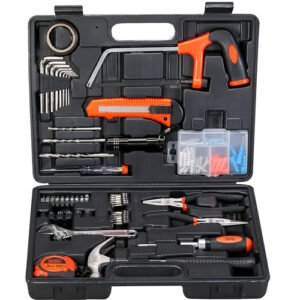
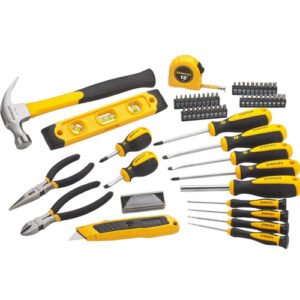
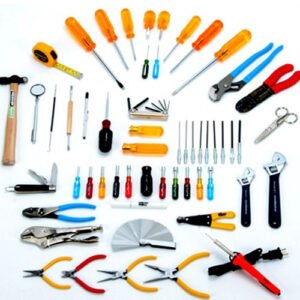


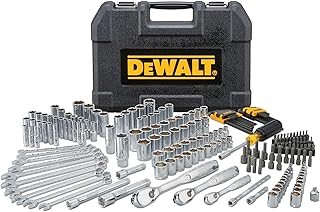


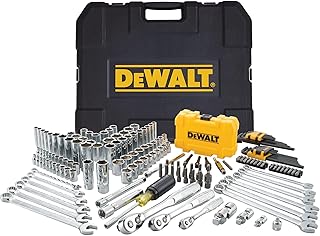
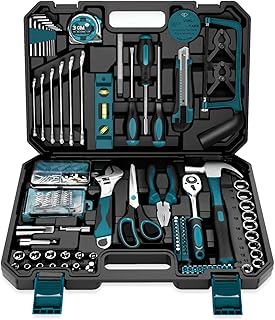


Choosing a hand tool set is less about buying the largest case and more about getting the right combination of useful tools, dependable construction, sensible organisation and long-term value. A well-selected set can cover routine home repairs, furniture assembly, automotive maintenance, workshop projects and general DIY without requiring you to purchase every tool individually.
For Canadian buyers, the ideal hand tool kit also needs to suit local conditions and practical requirements. A homeowner may want a compact household toolkit, while a serious DIY user could need a broader collection of sockets, ratchets, combination wrenches, screwdrivers and pliers. Automotive users may prioritise metric sockets and ratchet coverage, whereas tradespeople often need stronger materials, more comprehensive sizing and storage that can withstand frequent transport.
This 2026 buying guide focuses on the factors that matter when comparing hand tool sets in Canada. Rather than assuming that one kit is best for everyone, consider the tool selection, drive sizes, socket range, construction materials, storage system, ergonomics and intended workload before making a purchase.
A smart buy is not necessarily the cheapest hand tool set or the one with the highest number of pieces. The better approach is to assess how many of those pieces you are likely to use and whether the important tools are made well enough for your intended applications.
A 100-piece set can be more useful than a 200-piece set if it contains a better selection of everyday tools. Conversely, a larger professional-oriented kit can make sense when you regularly work on vehicles, machinery, construction projects or extensive home renovations.
Piece counts can be misleading because manufacturers may count individual sockets, bits and accessories as separate pieces. When comparing two kits, examine the actual contents instead of relying on the headline number.
Compact sets are suitable for apartments, dorm rooms, basic household repairs and occasional DIY work. They often include a small ratchet, sockets, screwdrivers, hex keys, pliers and a selection of bits.
The main advantage is portability. A compact case can be stored in a cupboard, vehicle or utility drawer without taking up much space. The limitation is that unusual fastener sizes and specialist tools may be missing.
Medium-sized kits are often the most practical choice for homeowners and regular DIY users. They can provide a more complete combination of ratchets, sockets, wrenches, screwdrivers, pliers and accessories without becoming excessively bulky.
If you are building your first serious toolkit, this category deserves particular attention because it can cover everyday maintenance while leaving room to add specialist tools later.
Large sets are designed for users who need extensive size coverage and a wider range of tools. Depending on the configuration, they may include multiple ratchets, deep sockets, standard sockets, combination wrenches, extensions, universal joints, hex keys, bits and other accessories.
The additional pieces are useful when you frequently encounter different fastener sizes. However, a large kit can also contain tools you rarely use, so check the contents carefully before paying more for a higher piece count.
One of the most important details to check is whether a hand tool set contains metric, imperial or both measurement systems. Metric tools are essential for many modern vehicles, appliances, bicycles, machinery and household products.
Imperial measurements still appear in some applications, particularly on certain older equipment, specialised products and projects involving materials or fasteners specified in inches. If your work involves multiple types of equipment, a kit containing both systems can be more convenient.
Do not assume that a large piece count means broad metric and imperial coverage. Check the individual socket and wrench sizes before comparing kits.
Socket drive size affects both the type of work a ratchet can handle and the size of the sockets it normally accommodates. The most common drive sizes found in general-purpose hand tool sets are 1/4-inch, 3/8-inch and 1/2-inch.
A 1/4-inch drive is compact and well suited to smaller fasteners, light mechanical work and locations where space is restricted. It is especially useful around appliances, electronics housings, bicycles and smaller automotive components where appropriate.
The 3/8-inch drive is one of the most versatile choices for general DIY and automotive maintenance. It provides a useful balance between compactness and capability and is often a strong centrepiece for a medium-sized tool kit.
A 1/2-inch drive is designed for larger sockets and applications requiring greater leverage. It is particularly useful for automotive maintenance, larger fasteners and heavier-duty mechanical work when the tool and fastener are appropriately rated for the task.
A quality hand tool set can become significantly more useful when it contains different socket configurations rather than only a basic collection of shallow sockets.
Standard or shallow sockets are suitable for many everyday fasteners and are usually the foundation of a socket collection. Look for sensible size progression rather than large gaps between commonly used sizes.
Deep sockets provide additional depth for applications where a threaded stud extends beyond the nut. They can be particularly useful in automotive and mechanical work.
Six-point sockets engage the flats of compatible hex fasteners and are generally preferred when secure engagement is important. They can be a sensible choice for higher-torque applications when used correctly.
Twelve-point sockets can provide additional positioning options where access is restricted. However, the correct socket type should be selected according to the fastener and application rather than simply choosing the most versatile-looking option.
The ratchet is one of the most frequently used components in a hand tool set, so its mechanism deserves more attention than the overall piece count.
Look for a ratchet with a smooth operating mechanism, a practical reversing switch and a handle that remains comfortable during repeated use. A fine-tooth mechanism can be particularly convenient when working in confined spaces because it requires less swing movement to engage the next position.
A ratchet should not be treated as a substitute for every type of breaker or torque tool. When a fastener requires unusually high torque, use an appropriate tool designed for that purpose rather than forcing a small ratchet beyond its intended application.
Material quality influences durability, resistance to wear and how well a tool performs under repeated use. Many reputable hand tools use alloy or chrome vanadium steel for sockets, ratchets and wrenches, while different components may use different steel formulations according to their function.
Chrome vanadium steel is widely associated with sockets, ratchets and other hand tools. It offers a useful combination of strength, toughness and resistance to corrosion when properly manufactured and finished.
Chrome molybdenum steel is commonly associated with applications where high strength and impact resistance are important. It can appear in impact-rated sockets and related equipment. Buyers should still check whether a specific socket is explicitly designed and rated for impact use.
Polished or satin chrome finishes can make tools easier to clean and help protect the underlying steel from surface corrosion. Finish quality is useful, but it should not be treated as the only indicator of tool quality.
A hand tool set is only as useful as your ability to find and maintain its components. A case with moulded storage positions can make it easier to identify missing sockets, keep tools organised and transport the set between locations.
For general household maintenance, prioritise versatility rather than specialist coverage. A practical homeowner kit should normally include screwdrivers, pliers, a ratchet and sockets, combination wrenches, hex keys and useful accessories.
A claw hammer, tape measure, utility knife and level can also be valuable additions, although these may not be included in every socket-focused set. If the kit is intended as your primary household toolbox, consider what tools you already own before choosing a package.
Regular DIY users generally benefit from greater size coverage and a more comprehensive selection of drive tools. A 3/8-inch ratchet and socket collection is particularly versatile, while 1/4-inch tools can handle smaller fasteners and a 1/2-inch system can address larger applications.
Deep sockets, extension bars, universal joints, combination wrenches and multiple screwdriver types can also reduce the need to stop a project to purchase another tool.
Automotive users should pay close attention to socket coverage, metric sizing, drive sizes and access accessories. Depending on the vehicle and job, deep sockets, extensions and universal joints can make a substantial difference when fasteners are recessed or difficult to reach.
A larger automotive-oriented kit may also be preferable when you routinely work on different vehicles. However, specialist automotive tools such as torque wrenches, diagnostic equipment and certain extraction tools may need to be purchased separately.
Frequent professional-style use places greater demands on tools than occasional household repairs. Workshop users should evaluate the quality of the ratchet mechanism, socket fit, wrench construction, storage system and replacement availability.
Instead of selecting a kit solely by price, compare the tools you use most frequently. A smaller set with strong core tools can be more practical than an enormous kit filled with accessories that rarely leave the case.
Brand reputation can be useful when comparing hand tool sets, although the exact model and specification still matter. Established manufacturers offer different product lines aimed at homeowners, DIY users, mechanics and professional trades.
When evaluating a shortlist of ten hand tool sets, use the same criteria for every product. This prevents a high piece count or attractive case from overshadowing more important differences.
A 200-piece kit is not automatically better than a 100-piece kit. Some large packages count adapters, bits and individual small components as separate pieces. Always inspect the complete inventory.
For many modern applications, metric coverage is essential. A kit with impressive imperial coverage may be unsuitable if most of your fasteners are metric.
Some sets concentrate heavily on one drive size. That can be fine for a specific purpose but limiting for users who expect one kit to handle a wide range of projects.
Standard sockets cannot always accommodate protruding studs or recessed fasteners. If you work on vehicles or machinery, check whether deep sockets are included.
Standard hand-tool sockets should not automatically be assumed to be suitable for impact wrenches or impact drivers. Use sockets specifically designed and rated for impact applications when required.
A poorly organised case can become frustrating if sockets fall out, sizes are difficult to identify or frequently used tools are buried beneath accessories.
Even reputable brands produce different tool lines. Compare the actual model specifications, included tools and intended application instead of selecting a kit based only on brand recognition.
For occasional household repairs, concentrate on essential tools rather than maximum coverage. A compact kit containing screwdrivers, pliers, a small ratchet and commonly used sockets can provide excellent utility without unnecessary extras.
For regular DIY work, look for improved socket coverage, multiple drive sizes, deep sockets, extensions, combination wrenches and a better storage system. This category can provide a strong balance between versatility and cost.
For frequent workshop or professional-style use, construction quality, mechanism durability, comprehensive sizing and long-term practicality become more important. A premium kit should be evaluated based on the tools you actually need rather than simply its price or piece count.
Product specifications can appear complicated, particularly when comparing sets from different manufacturers. Focus on a few key details first.
Comfort becomes increasingly important when tools are used repeatedly. A handle that feels acceptable during a five-minute repair may become uncomfortable during an extended project.
Look for appropriately shaped screwdriver handles, secure plier grips and ratchet handles that provide controlled leverage. Tool geometry should allow you to maintain a stable grip without excessive squeezing or awkward wrist positioning.
Ergonomics also includes access. A compact ratchet can be easier to use in a confined area, while a longer handle can provide additional leverage. The right option depends on the application.
The socket should fit the fastener correctly. An incorrectly sized socket can slip, damage the fastener or create an avoidable safety risk.
When comparing sets, pay attention to how clearly sizes are marked and whether the supplied sizes provide sensible progression. For frequently serviced fasteners, having the correct size readily available is more valuable than owning several rarely used accessories.
Proper maintenance can help keep hand tools in usable condition for longer. Hand tools generally require simple care, but neglect can lead to corrosion, dirt accumulation and mechanical problems.
Canadian weather varies considerably by region, but cold temperatures, humidity, moisture and seasonal changes can all influence storage conditions. Tools kept in garages, sheds or vehicles may experience greater temperature variation than tools stored inside a controlled indoor environment.
Keep hand tools dry and avoid leaving them exposed to condensation for prolonged periods. If tools are regularly transported in a vehicle during winter, inspect them after exposure to moisture and road-related contaminants and dry them before long-term storage.
If your toolkit will remain in a garage, storage efficiency matters. A compact case may be preferable when floor or shelving space is limited. Larger kits can provide greater versatility but require more room and may be less convenient to move.
Consider whether you want a single portable case or a modular setup in which the core hand tool kit is supplemented by separate specialist tools. The second approach can make sense for users whose projects change frequently.
Keeping a basic toolkit in a vehicle can be useful for certain practical tasks, but the kit should be selected around the vehicle and the work you realistically expect to perform. A compact set can be easier to transport than a large workshop case.
Check the storage case's resistance to movement and consider the temperature conditions in which it may be stored. Avoid assuming that a general-purpose hand tool set replaces vehicle-specific emergency equipment or specialist repair tools.
Even simple hand tools require appropriate technique. Select the correct tool and size for the fastener and avoid using damaged equipment.
A complete set is usually most attractive when you need several basic tools at once. Buying individually can make more sense if you already own a strong collection and only need a few specialist additions.
Sets also make it easier to maintain consistent sizing and storage. Individual purchases, however, allow you to invest more heavily in the tools you use most frequently.
A practical strategy is to start with a versatile core set and add specialist tools as your projects demand them. This avoids paying for a large collection before you know which tools you actually need.
Customer reviews can provide useful information, but they should be assessed alongside specifications rather than treated as the only deciding factor. Look for recurring comments about socket fit, ratchet operation, case organisation, tool durability and missing components.
Pay attention to reviews that explain how a product was used. Feedback from someone performing occasional household repairs may not be directly comparable with feedback from a mechanic using the same kit every day.
When researching products through an affiliate buying guide, compare verified customer feedback across trusted retailers and consider both positive and negative patterns before making a final decision.
Value comes from useful coverage and long-term usability. Before purchasing, make a short list of the jobs you expect to perform during the next year. Then identify the tools needed for those jobs.
If a kit contains almost everything on your list and only a few unused accessories, it may represent stronger value than a cheaper kit that requires several additional purchases. Conversely, if a large portion of a kit's contents will remain unused, a smaller set may be the smarter choice.
A genuine value opportunity should be judged against the complete specification, not just the advertised discount. Before considering a deal attractive, compare the tool count, socket range, drive sizes, materials, included accessories and storage solution.
It is also sensible to compare the same or closely related tool sets across trusted retailers. Product configurations can change, and the contents associated with a particular listing may differ from another package carrying a similar name.
Check the current product description, specifications and verified customer feedback before purchasing. Prices, promotions and availability can change, so a deal that looks attractive at one point may not remain the best value later.
The best set depends on the type of household work you expect to perform. For general maintenance, prioritise a practical combination of screwdrivers, pliers, sockets, a ratchet, wrenches and basic accessories rather than selecting the largest available kit.
They can be worthwhile for users who work with tools frequently and benefit from stronger construction, better ergonomics, broader sizing and more durable components. Occasional users may get better value from a simpler set containing the tools they actually need.
There is no universal ideal number. A compact set can be sufficient for household repairs, while automotive and workshop users may benefit from substantially larger collections. Compare the actual tools and sizes instead of using piece count as the primary measure of quality.
Yes. Metric fasteners are common across many modern vehicles, machinery, appliances and other products. Buyers should check metric coverage carefully, especially when choosing a general-purpose or automotive toolkit.
If you work on a mixture of modern and older equipment or want broader general-purpose coverage, a kit containing both systems can be convenient. If all your projects use one measurement system, a focused set may offer better value.
A 3/8-inch drive is highly versatile for many general DIY and automotive tasks, but it does not cover every situation. Smaller fasteners may benefit from 1/4-inch tools, while larger fasteners may require 1/2-inch equipment and appropriately rated accessories.
Deep sockets are useful when a threaded stud extends beyond a nut or when additional socket depth is required. They are especially valuable for many automotive and mechanical applications.
No. Piece counts can include small accessories and components that have limited practical value for your projects. A carefully selected set with strong core coverage can be more useful than a much larger collection.
Quality alloy steels such as chrome vanadium are widely used for many hand tools because they provide a useful balance of strength and durability. Some specialist applications use other materials, including chrome molybdenum for appropriate impact-rated components. Always evaluate the manufacturer's specification for the individual product.
Regular hand-tool sockets should not be assumed to be suitable for impact equipment. Use sockets specifically designed and rated for impact applications when working with an impact wrench or similar tool.
Check the complete tool inventory, metric and imperial sizing, drive sizes, socket depth, construction materials, case design and intended application. Then compare current specifications and verified customer feedback from trusted retailers.
Some are, but suitability depends on the exact tool line and workload. Professional users should place greater emphasis on durability, mechanism quality, comprehensive sizing, ergonomics, storage and the manufacturer's specifications.
Store them in a clean, dry location and return each tool to its designated position after use. Keeping tools organised makes missing components easier to identify and reduces unnecessary exposure to moisture and contaminants.
There is no fixed replacement schedule. Inspect tools regularly and replace any component that becomes cracked, badly worn, distorted or otherwise unsuitable for safe use. Frequently used tools may require attention sooner than tools used only occasionally.
The best smart buy hand tool set for 2026 is the one that matches your actual workload, provides the right fastener coverage and offers a sensible balance between quality, versatility, storage and cost. Do not let an impressive piece count make the decision for you.
For basic household maintenance, a compact kit can be enough. Regular DIY users may benefit from a medium-sized collection with multiple drive sizes and broader socket coverage. Automotive and workshop users should look more closely at metric sizing, deep sockets, ratchet quality, extensions and construction materials.
When comparing the top options available to Canadian shoppers, review the complete specifications, compare current prices at trusted retailers and read verified customer feedback before buying. Product prices, configurations and availability can change throughout 2026, so always confirm the current listing details at the time of purchase.
Most importantly, choose tools according to the work you actually do. A well-selected hand tool set can become the foundation of a home toolbox or workshop, while an oversized kit filled with unnecessary accessories may deliver less practical value than a smaller collection of dependable essentials.