

♥ Wishlist
Compare 69 Cosmetic Cases for Organised Makeup & Beauty Storage products in Canada. Reviews, ratings, pros, cons and buying advice updated for October 2026.


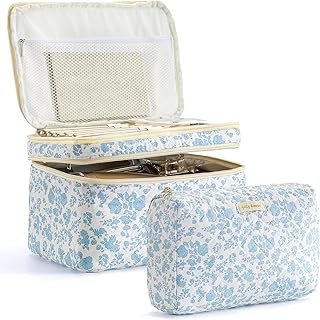

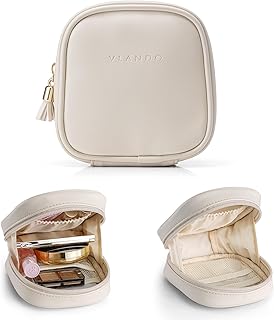

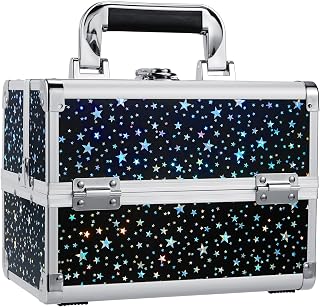


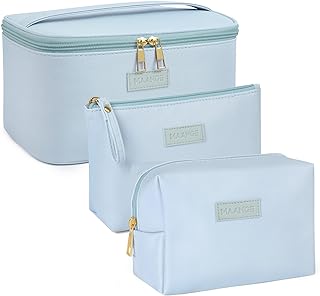


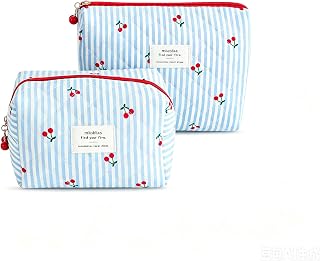


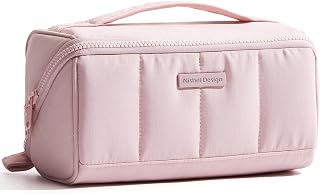
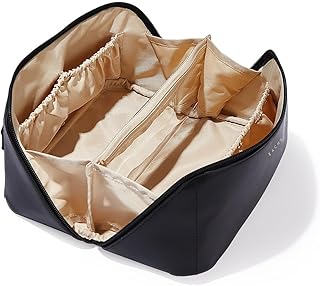

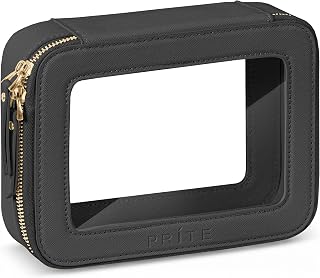


Choosing a cosmetic case is less about finding the largest bag and more about matching the case to the way you actually store, carry and use personal-care products. A compact makeup pouch may be ideal for a handbag or weekend trip, while a structured cosmetic train case can be a better choice for someone carrying multiple makeup products, brushes, skincare bottles and grooming accessories.
For Canadian shoppers, practical considerations also include luggage compatibility, organization, material durability, cleaning convenience and the conditions in which the case will be used. A cosmetic case that works well for a short summer trip may not be the best choice for frequent air travel, long road trips or daily commuting.
This 2026 buying guide focuses on the features that matter when comparing cosmetic cases and on the differences between common styles. Brands such as BAGSMART, Samsonite, Caboodles, Relavel, Vera Bradley and CALPAK offer examples of the different approaches available in the category, but the right choice should ultimately be based on specifications, dimensions, construction and your individual requirements rather than brand recognition alone.
A smart purchase balances useful capacity with portability, protection, organization and long-term practicality. A case does not necessarily become a better buy simply because it contains more compartments or has a higher price. In many situations, a simpler design with durable materials and an efficient interior layout can be more useful.
Before comparing individual products, identify the basic case style that best matches your routine. Cosmetic cases generally fall into several practical categories.
A compact pouch is designed for a relatively small collection of everyday essentials. These cases are useful for lipstick, mascara, concealer, powder, a small mirror and a few personal-care items. Their main advantage is portability.
Look for a wide enough opening to see the contents easily. A narrow pouch can technically hold several products but may make it difficult to find smaller items at the bottom. Interior lining is also important because loose powder and foundation can create stains.
Structured cases retain their shape instead of collapsing when empty. This makes them easier to organize and can provide additional protection for fragile containers.
They are particularly useful when you carry several bottles, palettes or accessories. The trade-off is that a structured case may take up more space than a soft pouch, even when it contains relatively few items.
Train cases are generally intended for larger collections and emphasize compartmentalized storage. Some designs include removable dividers, brush holders, multiple levels or trays.
They can be an excellent option for users who prefer to keep products separated, but their larger footprint makes them less convenient for minimalist packing.
Hanging organizers are designed to open vertically and provide access to several compartments. They can be convenient in bathrooms, hotel rooms and other locations where counter space is limited.
The hanging hook should be sufficiently robust for the loaded weight of the organizer. Check the dimensions of individual pockets as well, because a large overall capacity does not guarantee that taller bottles will fit comfortably.
Hard-shell cases prioritize structural protection. They are worth considering when your cosmetics are transported with other luggage and may be exposed to pressure or impact.
The main disadvantages can include increased weight, less flexibility when packing and a potentially smaller usable capacity relative to the external dimensions.
Soft-sided cases generally offer greater flexibility. They can compress slightly into luggage and are often easier to fit around other belongings.
The compromise is reduced structural protection. If you carry glass bottles, delicate palettes or other breakable items, interior padding and compartment design become more important.
Do not evaluate capacity from external dimensions alone. Thick padding, hard panels, handles and internal dividers can reduce the actual storage area.
Measure the products you carry most frequently, particularly unusually tall bottles, wide palettes and makeup brushes. A case should accommodate the largest regular items without forcing the zipper or distorting the shape.
For air travel, compare the case's dimensions with your intended luggage configuration rather than assuming that a product described as "travel size" will fit your particular carry-on.
Organization is useful only when the compartments correspond to the products you actually carry. Small elastic loops can be excellent for brushes and pencils, whereas adjustable dividers are more versatile for bottles and palettes.
Common cosmetic-case materials include polyester, nylon, canvas, polyurethane-based materials and molded plastics. Material alone does not determine durability; stitching, seams, zipper construction, reinforcement and the quality of the internal lining also matter.
Nylon and polyester are commonly used in flexible travel organizers because they can be relatively lightweight and easy to handle. Hard plastic or molded shells can provide greater structure. Faux-leather or coated finishes may offer a more polished appearance, but shoppers should inspect how the material is intended to be cleaned and whether the manufacturer specifies any limitations.
These terms should not be treated as interchangeable. A water-resistant exterior may help protect against minor splashes, but it does not necessarily mean that the case can safely contain a leaking bottle indefinitely.
If you carry liquids, prioritize a case with a wipe-clean lining and a design that can contain small spills. Even then, bottles should be closed securely and placed in suitable leak-resistant packaging when traveling.
The zipper is one of the most frequently used components of a cosmetic case. Inspect the zipper path, pull construction and how easily the case opens when loaded.
A zipper that is difficult to operate when the compartments are full may become a daily annoyance. Conversely, an excessively loose closure may provide less confidence during transport.
Makeup brushes need separate consideration because bristles can become misshapen when compressed against other products. Cases with dedicated brush slots can help keep tools organized.
Look for sufficient clearance for your longest brushes and a protective flap or closure that prevents bristles from rubbing against dirty surfaces.
Some cosmetic cases incorporate mirrors, which can be useful when traveling. However, a built-in mirror should not be treated as an automatic advantage.
Consider its size, viewing angle, protection and whether it occupies valuable storage space. If you already carry a separate mirror, the additional feature may have little practical value.
The best size depends on what you carry rather than on a universal definition of small, medium or large.
Canadian shoppers may use cosmetic cases for domestic flights, international travel, road trips, hotel stays, gym visits and everyday commuting. The best configuration depends on the travel environment.
Compact dimensions and efficient organization matter more than maximum capacity. A case that fits neatly inside your luggage is generally more useful than a larger case that consumes disproportionate packing space.
When flying, remember that restrictions can apply to liquids, aerosols, gels and other products. Cosmetic-case capacity does not override airline or airport security requirements. Check the applicable current requirements before packing for a flight.
Protection becomes more important when a cosmetic case is placed inside checked baggage. A structured case, internal padding and secure closures can help reduce the consequences of compression and movement.
Fragile containers should receive additional protection rather than relying entirely on the cosmetic case itself.
Road travel offers more flexibility in case size, but a case that stays upright and organized can still be preferable. Consider whether bottles can move freely inside the main compartment and whether the case can be secured between other belongings.
A hanging organizer can be particularly convenient when bathroom counter space is limited. A case with a wide opening can also reduce the time spent searching for products in an unfamiliar bathroom.
The distinction is primarily about organization. A basic makeup bag is often faster to pack and easier to carry, while a dedicated organizer provides better separation.
Choose a simple pouch if you regularly carry only a few products. Choose an organizer if you routinely spend time searching through your bag, carry several product categories or want each item to have a designated location.
There is no advantage in paying for extensive organization if your collection is small. Additional pockets can actually make a compact collection harder to access when products are distributed across too many compartments.
Neither construction is universally superior.
Think about the products inside the case. A user carrying fragile glass perfume bottles may prioritize protection differently from someone carrying mostly lightweight plastic tubes and makeup compacts.
Nylon is widely used for travel organizers because it can provide a combination of flexibility and durability. Construction quality still matters, so examine stitching and zipper attachment rather than selecting solely on the fabric label.
Polyester is another common choice for soft cosmetic bags. It can be practical for everyday use, especially when paired with a washable or wipe-clean lining.
Canvas can provide a casual, sturdy feel and is often used in cosmetic pouches and toiletry bags. Depending on the treatment and construction, it may require more care around liquids and stains than a fully coated interior.
Coated materials can provide a smooth surface that is convenient to wipe clean. Check manufacturer care instructions because aggressive cleaners or excessive moisture may damage particular finishes.
Molded materials provide shape retention and can offer useful protection. The design should still include a reliable closure and practical internal organization.
Durability is more than whether the outer fabric feels thick. Examine the points most likely to experience stress.
More capacity can encourage overpacking. A large cosmetic case can also take up valuable luggage space and become unnecessarily heavy once filled.
A case may appear large externally while offering limited usable space because of thick walls, trays or padding. Compare internal layout whenever measurements are available.
Color, pattern and finish are legitimate preferences, but they should not replace an assessment of compartments, cleaning, closure quality and dimensions.
Liquid protection should be assessed carefully. A splash-resistant exterior does not necessarily make the entire case safe against a leaking bottle.
Short compartments can force longer brushes into awkward positions. Measure your longest frequently used tools before choosing a case with fixed brush slots.
A case advertised for travel may still be too wide or tall for the luggage configuration you use. Compare actual measurements before purchasing.
Mirrors, removable trays, numerous pockets and elaborate compartments can increase cost and bulk. Select features according to your routine rather than choosing the most feature-heavy design.
When several options appear similar, use the same criteria for each one. This prevents attractive photography or branding from dominating the decision.
Customer ratings can be useful evidence during commercial research, but a high average rating should not be the only reason to choose a cosmetic case. Read reviews for information that relates directly to your intended use.
Pay particular attention to comments about dimensions, zipper performance, internal organization, cleaning, material quality and whether the actual storage capacity matches expectations.
Photographs supplied by customers can sometimes provide additional context about scale and organization, although individual packing styles differ. Reviews should supplement specification checks rather than replace them.
Product specifications are especially valuable when several cases look similar. Focus on measurable information rather than vague descriptions.
A case optimized for makeup is not necessarily ideal for skincare or toiletries. Different product categories have different storage requirements.
Makeup collections benefit from smaller compartments, brush holders, palette storage and easy visibility. Flat products such as palettes and compacts should not be buried beneath bottles.
Skincare products are often taller and more cylindrical. Look for compartments that can accommodate bottles and tubes without forcing them into horizontal positions.
Toiletries can include toothpaste, deodorant, shaving products, hair accessories and other irregularly shaped items. A flexible main compartment may be more practical than a highly segmented makeup organizer.
If one case must handle everything, prioritize adjustable organization. A case with one large compartment plus smaller pockets can offer more flexibility than a design optimized for a narrow set of makeup products.
For apartment bathrooms, shared spaces or compact hotel rooms, organization can matter more than total capacity. A hanging design can free up counter space, while a case with a wide opening can make products easier to access.
Transparent or semi-transparent sections can also improve visibility, reducing the need to empty the entire case to find a small item.
Frequent travelers should prioritize repeatable convenience. The ideal case is easy to pack, easy to clean, simple to identify and compatible with the luggage used most often.
Consider maintaining a dedicated travel collection rather than repeatedly moving products between different bags. A well-organized case can also reduce the likelihood of forgetting small essentials before departure.
Even a well-designed cosmetic organizer benefits from sensible packing. Tightening bottle caps before packing is essential. Products that contain liquids should be checked for damaged seals, cracked containers or loose lids.
Powders can create fine residue that spreads throughout a compartment, while creams and foundation can leave persistent marks. A wipe-clean lining makes maintenance easier, but regular cleaning is still preferable to allowing residue to accumulate.
Follow the manufacturer's care instructions for the specific material. For many cosmetic cases, routine maintenance begins with removing all products and shaking or vacuuming out loose powder and debris where appropriate.
Professional makeup artists and users with extensive collections generally have different requirements from occasional travelers. Accessibility, capacity, durability and modular organization become more important when the case is opened repeatedly throughout the day.
Adjustable dividers can be particularly useful because product collections change over time. Dedicated brush storage can also reduce setup time and help separate tools from creams, powders and other products.
For larger collections, consider whether a single case is actually more practical than multiple smaller organizers. Splitting products by category can improve portability and make individual items easier to locate.
Brand names can provide a useful starting point for comparison, but shoppers should still evaluate the specifications of the exact model. Different product lines from the same company can use substantially different designs.
The best option is not automatically the most recognizable brand. Compare the exact dimensions, materials, interior layout, closure system, care requirements and current customer feedback for each model.
Price should be evaluated against actual usefulness rather than treated as a proxy for quality. A low-cost case can be excellent value if it meets your requirements and is constructed appropriately. Conversely, a premium-priced organizer may offer features that provide little benefit for a small collection.
When comparing prices in Canada, look at the complete purchase cost presented by the retailer, including applicable taxes, delivery charges and any other costs that may affect the final amount. Prices and availability can change, so verify current information before purchasing.
Paying more can be reasonable when the additional cost corresponds to features you genuinely need. Examples may include more robust construction, better organization, stronger protection, specialized storage or a design that fits your travel routine substantially better.
The decision becomes less compelling when the main differences are decorative details or unused accessories. Compare the practical benefits before paying a premium.
A budget option can be perfectly sensible for occasional users, children, students, short trips or anyone carrying a limited collection. If the case will remain at home and hold lightweight products, advanced impact protection may not justify additional expense.
The key is to ensure that cost savings do not come from a poor closure, unsuitable dimensions or an interior that is difficult to clean.
How many products do I normally carry? Start with your actual collection rather than choosing a size based on a hypothetical future collection.
Do I travel frequently? Frequent travelers may benefit from lighter construction, efficient organization and luggage-compatible dimensions.
Do I carry fragile containers? If so, consider structured construction and internal protection.
Do I need quick access? A wide-opening organizer or multi-compartment design can be easier to use than a deep single pouch.
Do I need to store liquids? Prioritize secure closures and an easy-to-clean interior, and use appropriate leak protection for individual containers.
Will I use the case every day? Daily use increases the importance of zipper quality, easy cleaning and comfortable handling.
Will the case stay at home? If portability is not important, capacity and organization may deserve greater priority.
There is no single best cosmetic case for every Canadian shopper. The right choice depends on collection size, travel frequency, preferred organization, material requirements and budget. Compare the current specifications and customer feedback of suitable models before deciding.
Choose a size based on the products you regularly carry. A compact pouch is suitable for essentials, while medium and large organizers are better suited to larger collections. Measure your tallest and widest products before ordering.
Hard cases generally provide more structure and protection, while soft cases usually provide greater flexibility and easier packing. The better option depends on what you carry and how you transport it.
There is no universal best material. Nylon and polyester can be practical for flexible travel designs, while molded plastic can provide structure. The quality of seams, lining, zippers and reinforcement is as important as the material itself.
Complete waterproofing is not necessary for every user, but a wipe-clean or water-resistant interior can be highly practical when carrying liquids. Do not assume that water resistance guarantees protection against significant leaks.
A cosmetic case itself is generally a type of personal organizer, but the products inside it can be subject to aviation security rules. Liquids, gels, aerosols and other restricted items may have specific requirements. Check the current guidance from the relevant Canadian airport, airline and security authority before flying.
Cosmetic cases often emphasize makeup organization, including brush holders, palette compartments and smaller pockets. Toiletry bags are generally designed around personal-care products and may provide more room for bottles and irregularly shaped items. Many modern organizers can serve both purposes.
A hanging design can be worthwhile if you frequently stay in hotels, use shared bathrooms or have limited counter space. It is less useful if you primarily store the case in a drawer or suitcase.
Look for sufficient capacity, adjustable dividers, brush storage, durable closures and an easy-to-clean interior. For very large collections, multiple modular organizers may be more practical than one oversized case.
Look beyond the overall rating. Search customer feedback for recurring comments about actual dimensions, zipper performance, durability, organization, cleaning and whether the case holds the products shown or described.
A built-in mirror can be useful for travel, especially when you do not want to carry another mirror. However, check the mirror's size and placement because the feature may add weight or consume internal space.
Pack only the products you expect to use. A typical travel collection may include essential makeup, skincare, brushes and personal-care products appropriate for the trip. Separate liquids and fragile containers where practical.
The smartest cosmetic-case purchase is the one that solves a specific storage or travel problem without adding unnecessary bulk. Start by deciding whether you need a compact pouch, structured organizer, hanging bag, hard-shell case or larger train case. Then compare dimensions, usable capacity, materials, organization, closure quality, cleaning requirements and weight.
For Canadian shoppers, also consider how the case will interact with carry-on luggage, checked baggage, road-trip storage and local purchasing conditions. Always verify current specifications, customer feedback, retailer pricing, availability and applicable return policies because these details can change during 2026.
Rather than selecting a case solely because it appears highly rated or visually attractive, match its construction to your routine. A lightweight pouch can be the smartest choice for a minimalist collection, while a structured organizer can make more sense for frequent travelers or larger cosmetic collections. The goal is straightforward: enough space to stay organized, enough protection for the products you carry and a design that remains convenient every time you use it.