

♥ Wishlist
Compare 54 Cases, Holsters and Clips for Phones and Gadgets products in Canada. Reviews, ratings, pros, cons and buying advice updated for October 2026.


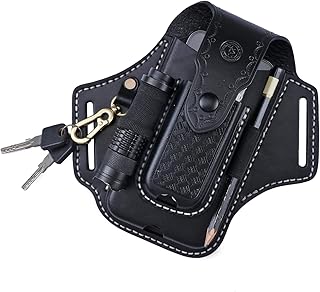


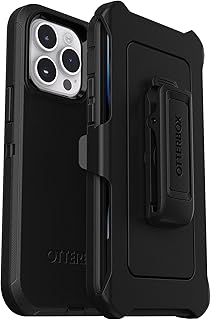


Choosing a phone case, holster or clip is about more than finding a protective cover that fits the device. The right accessory should match the phone model, how you carry it, the level of protection you need, and the way you use your device throughout the day. In Canada, buyers should also consider seasonal conditions, work environments, commuting, outdoor use and whether an accessory remains practical when worn over heavier clothing.
This buying guide expands the comparison process beyond headline ratings. Instead of treating every case, holster or clip as interchangeable, evaluate compatibility, construction, retention, access to ports and buttons, camera clearance, wireless charging compatibility, carrying comfort and long-term durability. These details can make a significant difference between an accessory that is convenient every day and one that becomes frustrating after a few weeks.
A smart purchase is not necessarily the cheapest product or the most heavily protected model. It is the option that provides the right balance of protection, usability, compatibility and carrying convenience for the intended device and lifestyle.
A conventional phone case surrounds the device and is generally the most versatile option for everyday use. Slim cases are convenient for pockets and bags, while rugged cases typically add more material around vulnerable areas such as corners, the screen and camera module.
Case buyers should look beyond visual design. A raised lip around the display and camera can help reduce direct contact with flat surfaces, while a textured exterior may make the phone easier to grip. However, more protection often means greater bulk, so the best choice depends on how much protection is genuinely required.
A holster is primarily a carrying solution. Instead of placing the phone loose in a pocket, the device is held in a dedicated pouch or case that can attach to a belt, bag or other compatible carrying point.
Holsters can be particularly useful for people who need frequent access to their phone without repeatedly reaching into a pocket. Before buying, check the internal dimensions carefully rather than relying only on the advertised phone compatibility.
A belt clip provides a compact way to attach a phone case or pouch to clothing or equipment. Clip designs vary considerably. Some use a fixed attachment, while others include swivel mechanisms or detachable mounts.
The attachment method matters because a clip experiences repeated loading whenever the wearer sits, bends, walks or catches the accessory against another object. Look for a design that matches the thickness and construction of the belt or strap on which it will be used.
One of the most common mistakes when shopping for phone cases is assuming that similar-looking phones use interchangeable cases. Camera placement, button positions, dimensions, thickness and charging-port openings can change between generations or regional variants.
Always confirm the complete model name before ordering. This is particularly important with Samsung Galaxy, Apple iPhone, Google Pixel and Motorola devices, where several models can have similar names but different physical dimensions.
Thermoplastic polyurethane, commonly called TPU, is widely used in flexible phone cases. It can provide grip and cushioning while remaining relatively easy to install and remove. TPU is often combined with harder materials when manufacturers want to balance flexibility with structural support.
Polycarbonate is a rigid plastic commonly used for hard-shell sections and protective frames. It can provide structural rigidity without requiring the thickness associated with some softer materials. A polycarbonate exterior may also be combined with TPU or another flexible layer.
Leather and synthetic leather are common in wallet cases and belt holsters where appearance and carrying comfort are important. Construction quality matters more than the material label alone. Pay attention to stitching, closures, lining, edge finishing and the quality of the attachment point.
Nylon and woven fabrics are frequently used for pouch-style holsters. They can be lightweight and practical for belt carrying, particularly when a soft exterior is preferred. The quality of stitching and internal reinforcement should be considered alongside the fabric itself.
Hybrid cases combine two or more materials to address different requirements. A flexible inner layer may absorb some impact while a rigid outer shell provides structural support. Hybrid construction can be useful for buyers who want more protection without selecting the largest possible rugged case.
A raised edge around the display can reduce direct contact between the screen and a flat surface when the phone is placed face down. Its usefulness depends on the height and design of the bezel as well as whether a screen protector is installed.
Modern smartphones often have large camera modules that extend beyond the rear surface. Look for adequate clearance around the lenses and consider whether the case protects the camera area without interfering with photographs.
Corners are important structural areas because accidental drops frequently involve an edge or corner. Reinforced corners, flexible impact zones and internal cushioning can contribute to a more protective design.
A slippery case can increase the chance of accidental drops. Textured sides, patterned surfaces and rubberized sections may improve handling. However, aggressive textures can catch on pockets or clothing, so buyers should consider the environment in which the case will be used.
For holster-style accessories, protection is only part of the decision. The attachment system deserves equal attention because the phone is being carried externally rather than safely inside a pocket or bag.
Magnetic closures can make a holster quick to open and close, but buyers should distinguish between a simple magnetic flap and a case designed around a specific magnetic accessory system. The intended use matters.
If you regularly use magnetic car mounts, wallets, charging accessories or other attachments, check compatibility before buying. A case that incorporates a magnetic component may have different charging or mounting requirements from a conventional case.
Do not assume that any magnetically attached accessory will work reliably with every phone or case. Verify the product specifications for the exact combination you plan to use.
Wireless charging is an important consideration when selecting a modern phone case. Thick rugged construction, metal components, wallets, cards and certain mounting accessories can affect charging performance or prevent proper alignment.
Canadian weather creates practical considerations that are easy to overlook when choosing a phone accessory. Cold temperatures, snow, wet conditions, gloves and bulky winter clothing can change how a case or holster feels in everyday use.
A highly textured case may be easier to grip with gloves, while a small exposed clip can become inconvenient when attached over a thick winter jacket. A holster worn on a belt may also sit differently beneath or over seasonal clothing.
Moisture resistance is another consideration. A protective case should not automatically be described as waterproof unless the manufacturer provides an appropriate water-resistance specification. Buyers should distinguish between everyday splash protection and genuine protection against immersion.
Brand reputation can be useful when narrowing down a large accessory category, but the brand name should never replace checking the specifications for the exact model.
These brands represent different approaches rather than a universal ranking. The best option still depends on the phone model, intended use and specific construction of the individual product.
Product images can make two cases look nearly identical even when their dimensions, materials and compatibility differ. Always inspect the specifications before making a purchase.
Some cases fit tightly around a phone. A thick screen protector can affect the fit or create pressure around the edges. If you already use a protector, check whether the case is described as compatible with screen protectors.
The most rugged case is not automatically the most practical case. If excessive thickness prevents comfortable pocket storage or makes wireless charging inconvenient, the additional protection may not justify the trade-off.
Attachment systems differ. Check belt width, clip design, mounting orientation and the dimensions of the holster before ordering.
A case that sits too close to the camera lenses can interfere with photographs or create unwanted reflections. Camera cutouts should be checked carefully, particularly on phones with large multi-camera modules.
A highly rated accessory can still be the wrong choice for a particular phone. Customer satisfaction should be considered alongside model compatibility, dimensions, materials and required features.
When two products appear similar, use a consistent comparison framework instead of relying on price or star ratings alone.
Customer reviews are most useful when they are treated as evidence about recurring practical issues rather than as a simple popularity score. Look for patterns across multiple reviews.
For example, repeated comments about a loose clip, difficult button access, poor fit, broken stitching or charging problems can be more informative than an isolated positive or negative comment. Pay particular attention to reviews from customers using the same phone model.
Recent reviews can also help identify whether the current version of a product differs from an older version. Product listings sometimes remain active while manufacturers make changes to materials, attachments or packaging, so verify that the specifications match the version being considered.
People who carry their phones during physical work often have different priorities from users who keep a phone in a pocket or handbag. External carrying, repeated movement and exposure to dust or moisture place additional demands on the accessory.
For commuters and travellers, convenience can be more important than maximum impact protection. A slim case that fits comfortably into a pocket or bag may be preferable to a large rugged case.
Frequent travellers should also consider how easily the case can be removed, whether it works with charging equipment, whether the camera remains accessible and whether the accessory adds unnecessary weight to the phone.
Regular maintenance can extend the useful life of a phone accessory. Dirt and debris can accumulate around the phone's edges, charging opening, camera cutout and holster attachment.
A case does not need to be replaced simply because it has been used for a particular length of time. Its condition is a better indicator. Consider replacement when the case becomes cracked, excessively loose, permanently deformed or unable to hold the phone securely.
Replacement may also make sense after changing phones. Even when two devices have similar dimensions, differences in camera modules, buttons and port placement can make an older case unsuitable.
Value should be assessed over the expected useful life of the accessory rather than by the initial price alone. A low-cost case that becomes loose or damaged quickly may be less economical than a better-constructed option that remains functional for longer.
When comparing Canadian listings, consider the complete purchase conditions shown by the retailer at the time of purchase. Prices, stock status, shipping arrangements and promotions can change, so check the current listing rather than relying on an older advertised deal.
It is also useful to compare the same model across several reputable retailers when possible. The product name, model number and included accessories should match before treating two listings as equivalent.
There is no single best design for everyone. A balanced case with reliable protection, comfortable grip, accurate device fit and convenient charging access is generally a sensible starting point for everyday use. Your phone model and carrying habits should determine the final choice.
Not necessarily. A regular case is usually more convenient for pocket and bag storage, while a holster is useful when external belt or pouch carrying is preferred. The better option depends on how the phone is carried and accessed.
A properly designed and correctly fitted clip can provide convenient external carrying. The attachment point, retention mechanism and construction should be checked carefully, particularly for users who move frequently or work in demanding environments.
They can. Thickness, materials and integrated components may affect charging performance. Always verify wireless charging compatibility for the specific case and charger combination.
It depends on your priorities. Integrated protection can simplify installation and provide additional coverage, but some users prefer a separate screen protector because it can be replaced independently. Check touch sensitivity and compatibility with the specific phone before buying.
There is no universal best material. Fabric and nylon can be lightweight and practical, synthetic leather can provide a more traditional appearance, and rigid or hybrid constructions may provide additional structure. The quality of the closure, stitching and attachment system is just as important as the outer material.
Confirm the exact phone model and generation, then compare the manufacturer's compatibility information with your device. Do not rely on similar model names or photographs alone.
No. Price does not guarantee that a case is the best match for a particular user. Compare materials, protection, fit, features, carrying comfort and customer feedback rather than selecting solely by price.
A case with an integrated or detachable clip can be convenient if you frequently switch between pocket and belt carrying. A separate holster may be preferable when you want to change cases without replacing the carrying accessory.
Replace a case when its protective or carrying function has deteriorated. Cracks, stretched retention areas, damaged clips, broken closures and excessive deformation are stronger reasons for replacement than age alone.
The best smart buy in the cases, holsters and clips category is the product that fits your exact device and solves your particular carrying problem without adding unnecessary compromises. Start with compatibility, then compare protection, materials, dimensions, charging support and attachment quality. After that, use current customer feedback and Canadian retailer information to validate the practical details.
For everyday users, a balanced protective case may provide the best combination of convenience and protection. For people who need external access, a properly fitted holster or belt clip can be more practical. For demanding work or outdoor environments, prioritize secure retention, reinforced construction and protection around the phone's most vulnerable areas.
Before purchasing, compare the current specifications, read recent verified customer feedback, confirm compatibility with your phone and check today's Canadian price and availability. Taking a few extra minutes to verify these details can help prevent the most common problems associated with incorrectly sized cases, incompatible accessories and unreliable carrying systems.