

♥ Wishlist
Compare 39 Cordless Screwdrivers for DIY, Home Repair & Everyday Projects products in Canada. Reviews, ratings, pros, cons and buying advice updated for October 2026.
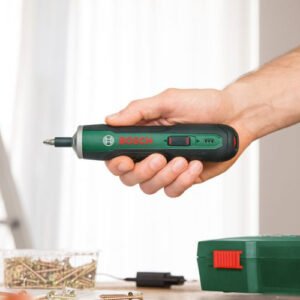
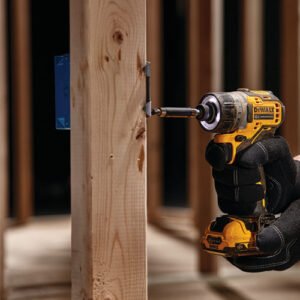
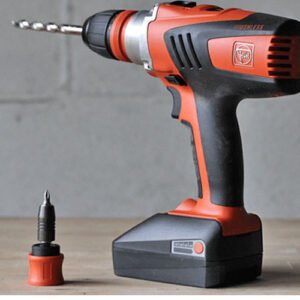
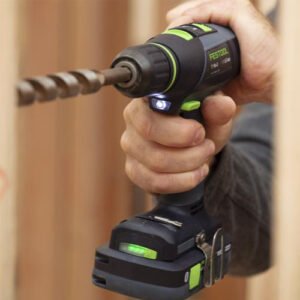
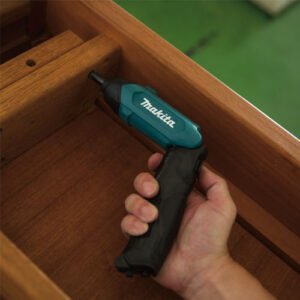
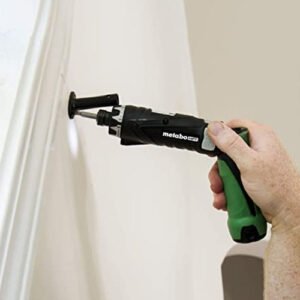
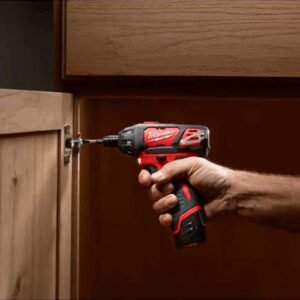

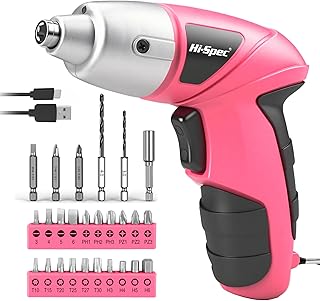


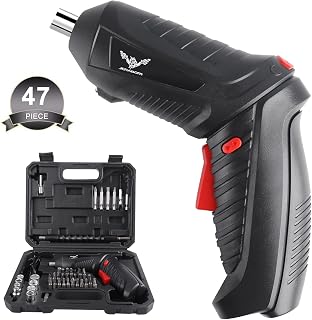


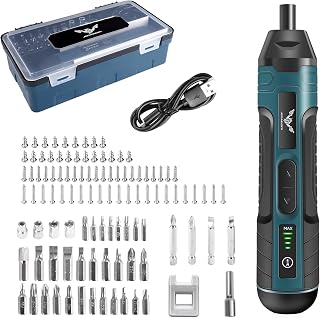


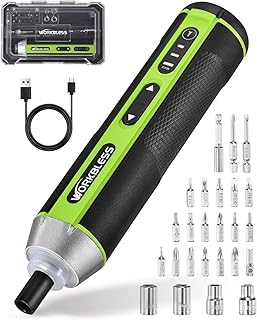


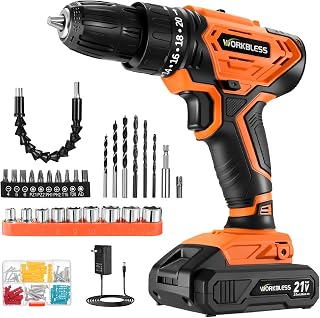


A cordless screwdriver can be a surprisingly versatile tool for Canadian homes, workshops, furniture assembly, renovation projects and routine maintenance. The right model should make fastening easier without being unnecessarily large, heavy or powerful for the work you actually perform. When comparing the best smart buy cordless screwdrivers, look beyond headline battery voltage and advertised torque. Chuck design, speed control, clutch settings, ergonomics, battery ecosystem, charging arrangements and included accessories can have a much greater effect on everyday usefulness.
This buying guide is designed for shoppers comparing cordless screwdrivers in Canada. Product specifications, package contents, retailer pricing and availability can change, so it is sensible to verify the current listing before purchasing. The goal is to help you understand the differences between models and identify the features that matter for your particular jobs.
A smart purchase is not necessarily the cheapest cordless screwdriver or the most powerful model. It is the tool that provides the right combination of control, capability, comfort and long-term practicality for the tasks you expect to perform.
For example, someone who mainly assembles flat-pack furniture may benefit from a compact, lightweight screwdriver with a sensitive trigger and multiple clutch settings. A homeowner handling shelving, cabinetry, repairs and occasional drilling may prefer a more versatile drill-driver. Someone already invested in a battery platform may get better overall value by choosing a compatible bare tool rather than starting another battery system.
One of the most important decisions is whether you actually need a dedicated cordless screwdriver or whether a compact drill-driver would be more appropriate. These tools overlap, but they are not interchangeable in every situation.
Dedicated cordless screwdrivers are generally appealing when portability, simplicity and fastening control are the priorities. They can be particularly convenient for furniture assembly, cabinet hardware, electronics-related fastening where an appropriate tool is suitable, household repairs and other light-duty applications.
The compact format can make it easier to work in confined areas. Lower power can also be an advantage when you need to avoid driving a screw too aggressively into a relatively soft material.
A cordless drill-driver is usually the better choice when your projects involve both drilling holes and driving screws. Many models offer a mechanical clutch, variable speed control and a keyless chuck that accepts a range of bits.
The trade-off is size and weight. If you rarely drill and mostly need to install screws, a full-size drill-driver may be more tool than you need.
An impact driver is designed around higher-torque fastening and uses an impact mechanism rather than the conventional clutch and chuck arrangement found on many drill-drivers. It can be extremely useful for demanding fastening work, but it is not automatically a better cordless screwdriver.
For delicate assembly or applications where precise torque control is more important than maximum fastening force, an impact driver may be unnecessarily aggressive. Consider the material, fastener size and required control before moving up to an impact platform.
Voltage is one of the specifications shoppers notice first, but it should not be treated as a direct measure of overall tool quality. Different cordless tools are designed around different electrical and mechanical systems, and a higher nominal voltage does not automatically mean a better choice for every task.
For light household fastening, compact lower-voltage designs can be attractive because they may be easier to handle. More demanding applications can justify a higher-capability platform, particularly when the same batteries can be used with other tools.
Torque determines how much rotational force the tool can apply. More torque can be useful for larger screws and harder materials, but maximum torque is not the only consideration.
A good cordless screwdriver should also provide enough control to use lower torque when necessary. Excessive force can strip screw heads, damage threads, split wood or deform components. Compare the available torque control rather than choosing solely on the highest advertised figure.
A clutch allows the user to select a resistance point at which the screwdriver stops applying driving force in the same way. This is particularly valuable for repetitive fastening and materials that can easily be damaged.
Variable-speed control provides greater precision than a simple on/off switch. Slow trigger operation can help start screws cleanly, while higher speed can make repetitive fastening more efficient.
For a smart buy, look for a trigger that is easy to modulate rather than simply chasing the highest no-load speed.
Battery capacity is commonly expressed in ampere-hours, or Ah. In general terms, greater capacity can provide more available runtime, although actual runtime depends heavily on workload, tool efficiency, battery condition, material and fastening technique.
A larger battery can also add weight and bulk. For overhead work or furniture assembly, a smaller battery may be more comfortable even if it requires more frequent charging.
Battery compatibility can be one of the biggest factors in determining value. If you already own compatible cordless tools from brands such as DeWalt, Milwaukee, Makita, Bosch or Ryobi, staying within the same battery ecosystem may reduce the need to purchase additional chargers and batteries.
Before choosing a bare tool, confirm the exact battery family and compatibility requirements. Batteries from the same brand are not necessarily interchangeable across every product family or voltage platform.
Some cordless screwdrivers use an integrated bit holder, while drill-drivers commonly use a chuck. Each arrangement has practical advantages.
A quick-change bit holder can be convenient for repetitive screwdriving, especially when using standard hex-shank bits. A chuck offers broader compatibility with different drill and driver accessories, which can make a drill-driver considerably more versatile.
Motor type is another specification worth understanding. Brushless motors eliminate conventional motor brushes and are widely used in modern cordless tools. Depending on the design, brushless technology can support efficient operation, electronic control and long-term tool performance.
Brushed motors remain relevant because they can be found in many lower-cost tools and may provide perfectly adequate performance for occasional household use. A brushless model can make more sense for frequent users, demanding workloads or shoppers already investing in a professional-grade cordless platform.
Do not assume that brushless automatically makes one tool superior in every category. Compare the complete package, including ergonomics, battery cost, warranty terms provided by the manufacturer, accessories and intended workload.
A screwdriver that looks excellent on paper can become frustrating if it is uncomfortable to hold. Weight distribution is particularly important because the tool is often used with one hand and may be held away from the body.
Furniture assembly generally rewards compact size, good trigger control and a useful clutch. Maximum torque is rarely the main purchasing criterion. Overdriving screws into particleboard, MDF or other engineered materials can cause damage, so controlled fastening is more important than raw power.
Cabinet work often involves many repetitive fasteners, making ergonomics and clutch control especially valuable. A compact screwdriver can be convenient for hinges, handles and other hardware, while a drill-driver can provide additional versatility when pilot holes are required.
For general household repairs, choose a model that covers the widest range of tasks you actually perform. A compact drill-driver can be a sensible all-purpose option when you need both drilling and screwdriving capability.
Woodworking requirements vary considerably. Small projects may be well served by a compact drill-driver, while heavier construction work can justify a more powerful platform. Clutch control, speed selection and compatible drill bits can matter more than a simple maximum torque comparison.
Outdoor construction can place greater demands on a cordless tool. Larger fasteners, dense materials and repetitive driving may favour a higher-capability drill-driver or impact driver. Battery capacity also becomes more important when working away from convenient charging points.
For delicate components, a conventional high-torque cordless tool is usually not the first choice. When fastening small screws around sensitive equipment, use a tool specifically appropriate for that application and follow the equipment manufacturer's instructions.
Brand selection is often less about finding a universally best manufacturer and more about selecting the ecosystem that matches your workload and existing equipment.
DeWalt is widely associated with cordless power tools aimed at serious DIY users, tradespeople and professional applications. When considering a DeWalt screwdriver or drill-driver, compare the exact battery platform, tool size and kit contents rather than assuming all products share the same capabilities.
Milwaukee offers extensive cordless tool platforms across compact and professional-oriented categories. Its ecosystem can be particularly relevant to buyers who expect to add multiple tools over time. Check battery compatibility carefully because Milwaukee has multiple product families.
Makita has a broad cordless lineup and is another strong option for shoppers building a multi-tool battery system. When comparing models, pay attention to ergonomics, battery format, speed control and the specific tool's intended workload.
Bosch offers cordless tools spanning compact household products through more capable professional-oriented equipment. A Bosch model can be attractive when compact dimensions, ease of handling and a broader tool ecosystem align with your needs.
Ryobi is often considered by homeowners and DIY users looking for a broad range of compatible cordless equipment. Its battery ecosystem can be an important part of the value proposition for someone planning to purchase several household and workshop tools.
BLACK+DECKER has a long presence in the consumer power-tool market and can be relevant for basic household fastening and DIY applications. Compare the exact model's torque control, battery configuration and accessories rather than judging a tool solely by brand recognition.
Many cordless tools are available either as a complete kit or as a bare tool. The best option depends on what you already own.
Canadian shoppers should consider how and where the tool will be used. Temperature can affect battery performance, and cordless batteries should be stored and charged according to the manufacturer's instructions. Avoid exposing batteries or chargers to unsuitable temperatures, moisture or conditions outside their specified operating environment.
When buying online, check the exact Canadian product listing and package configuration. A product with a similar model name can have different included accessories or battery arrangements depending on the market.
A cordless screwdriver is still a power tool, even when it is compact. Safe operation begins with selecting a tool appropriate for the job and using the correct accessory.
More torque sounds better, but excessive force can make controlled fastening more difficult. A homeowner assembling furniture may get greater practical benefit from a compact tool with excellent clutch control than from a substantially more powerful model.
Buying an isolated tool platform can become expensive if you later decide to add a drill, saw, light or other cordless equipment. Consider whether the battery family will remain useful for future purchases.
Always compare the complete purchase configuration. A bare tool may appear inexpensive because the battery and charger are sold separately.
A drill-driver is versatile, but versatility comes with additional size and weight. If your projects are overwhelmingly fastening tasks, a compact screwdriver may provide a more comfortable experience.
A capable screwdriver cannot compensate for a poor-fitting or damaged bit. Phillips, Robertson, Torx and other screw profiles require the appropriate driver bit. In Canada, Robertson square-drive fasteners are particularly common in many woodworking and construction applications, making a suitable selection of Robertson bits useful for many DIY users.
Compact dimensions do not automatically mean precision control. Check the available clutch range, trigger behaviour and manufacturer's intended applications before using a power screwdriver on delicate components.
The screw head should influence the bits you keep with your cordless screwdriver. Using the correct bit improves engagement and reduces the likelihood of damaging the screw head.
Using a bit that matches the screw profile and size is more important than simply having a large assortment. A small, well-chosen bit set can be more useful than a large collection containing duplicates you rarely use.
When evaluating a deal, compare like-for-like configurations rather than focusing on the advertised headline price. Two apparently similar products can differ substantially in battery capacity, charger inclusion, accessory selection and tool generation.
Customer reviews can provide useful information, but they should be interpreted carefully. A review becomes more useful when it explains what the person used the tool for, how frequently it was used and which specific characteristic affected the experience.
Look for recurring observations about battery life, ergonomics, trigger control, chuck or bit-holder quality, clutch behaviour and durability. Be cautious about treating isolated complaints or enthusiastic comments as proof of a product's overall performance.
It is also useful to distinguish reviews of the actual tool from reviews discussing packaging, shipping or unrelated retailer experiences. For an independent buying decision, focus primarily on observations that relate directly to the product.
Basic maintenance can help keep a cordless screwdriver operating reliably. Always follow the specific care instructions supplied by the manufacturer because different tools and batteries have different requirements.
There are jobs where another tool is more appropriate. If you routinely drive very large structural fasteners, an impact driver may be better suited. If drilling is a major part of your work, a drill-driver may provide better versatility. If the task requires very precise controlled torque, a dedicated precision fastening solution may be more appropriate.
The smartest purchase is therefore based on the job rather than the product category alone. Before comparing models, make a short list of the materials, fastener types, project frequency and working environments you expect to encounter.
There is no single best model for every Canadian buyer. The right choice depends on whether you need basic household fastening, furniture assembly, DIY woodworking, renovation work or more demanding construction applications. Compare torque control, ergonomics, battery compatibility and the complete kit configuration against your actual requirements.
They can be worthwhile when you frequently assemble furniture, install hardware, perform household repairs or drive screws. They offer portability and avoid the need for a mains power cord. If you also need to drill regularly, a cordless drill-driver may provide better overall versatility.
Not necessarily. Higher-capability tools can be useful for demanding work, but a compact lower-voltage tool can be more convenient for light fastening. Consider the complete combination of power, control, weight, battery system and intended application.
Not always. Brushless technology can be attractive to frequent users who value efficiency, electronic control and a modern cordless platform. For occasional household work, a well-designed brushed model may still provide adequate capability.
The required torque depends on the fastener, material and application. Rather than selecting a tool solely by its maximum torque rating, consider whether it offers enough adjustment to handle both light and demanding fastening without excessive force.
An impact driver is not simply a more powerful version of a cordless screwdriver. It is designed for a different type of fastening work. For delicate assembly and controlled screwdriving, a conventional screwdriver or drill-driver may be more appropriate.
If you already own a compatible battery and charger, a bare tool can make sense. If you are starting a battery platform, a kit containing the appropriate battery and charger may be more practical. Always compare the total cost of the complete setup.
DeWalt, Milwaukee, Makita, Bosch, Ryobi and BLACK+DECKER are among the established brands worth considering, but the best choice depends on the individual model and your intended use. Compare specifications, battery platforms, ergonomics, kit contents and current customer feedback rather than selecting solely by brand.
Many compact screwdrivers are well suited to common household fastening tasks, but capability varies by model. For drilling, large fasteners or heavier construction work, a drill-driver or impact driver may be a better fit.
Battery capacity affects potential runtime, but a larger battery also adds weight. If portability and comfort are priorities, a smaller battery can be preferable. For extended work away from charging facilities, additional or higher-capacity compatible batteries can be more useful.
Confirm the exact model number, voltage platform, battery configuration, charger inclusion, accessories, torque and speed specifications, warranty information and current customer feedback. Also verify that the listing reflects the Canadian version and current package contents.
The best smart buy cordless screwdriver is the one that fits your real workload rather than the one with the most impressive specification on the product page. For occasional household jobs, prioritize comfort, compact size, straightforward controls and sensible pricing. For frequent DIY work, consider a more versatile drill-driver and a battery platform that can support future tools. For professional or demanding applications, pay closer attention to durability, battery availability, ergonomics, torque delivery and compatibility across the broader cordless system.
Before purchasing in Canada, compare the exact models side by side, check the complete kit contents and review current specifications from the manufacturer and retailer. A slightly more expensive tool can offer better long-term value when its battery ecosystem, ergonomics and capabilities match the work you actually perform.
Because deals, inventory, product generations and package contents can change during 2026, treat the current product listing as the final source for today's price and availability. Use customer reviews as supporting evidence rather than the sole basis for your decision, and choose the model that offers the best balance of control, reliability, comfort and useful features for your specific needs.