

♥ Wishlist
Compare 42 Makita Cordless Screwdrivers products in Canada. Reviews, ratings, pros, cons and buying advice updated for October 2026.


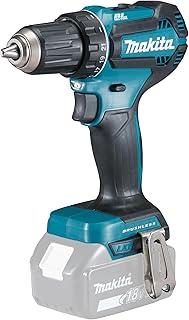


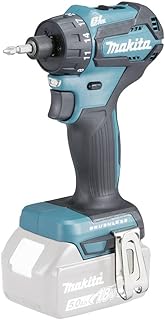
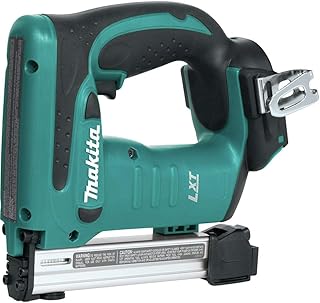

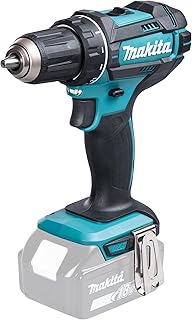


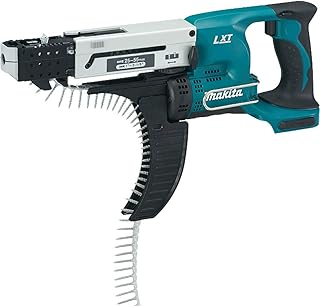


Choosing a Makita cordless screwdriver is not simply a matter of selecting the highest voltage or the lowest advertised price. The right tool depends on the type of fastening you perform, the materials you work with, how often you use the screwdriver, the level of control you need, and whether you already own compatible Makita batteries.
For Canadian buyers, it is also important to compare the exact kit configuration. Two tools that appear similar may differ substantially because one package includes a battery and charger while another is sold as a bare tool. Before buying, compare the model number, voltage platform, included accessories, battery capacity, charger, torque specifications, speed range, chuck or bit-holder design, and warranty information stated by the retailer or manufacturer.
Makita offers cordless fastening tools across several platforms and form factors. Understanding the difference between a conventional cordless screwdriver, drill driver and impact driver can prevent an expensive mismatch.
Compact screwdrivers are designed for controlled fastening and everyday assembly work. They can be particularly useful for furniture assembly, cabinetry, electrical installation, light maintenance, small repairs and other jobs where a compact body and manageable weight are more important than maximum power.
Models such as the Makita DF001DW represent the type of compact cordless screwdriver that can appeal to users who want a lightweight tool for relatively light-duty fastening. Exact specifications and included accessories should always be checked against the current Canadian listing before purchase.
A Makita cordless drill driver can provide greater versatility than a dedicated screwdriver because it can normally handle both drilling and fastening tasks. Models across Makita's compact CXT and established LXT ranges can serve different applications, from light household work to demanding professional use.
For buyers who expect one cordless tool to cover drilling pilot holes, driving screws and general maintenance, a drill driver may offer better overall utility than purchasing a screwdriver intended primarily for fastening.
Impact drivers are another category that is often incorrectly described as cordless screwdrivers. They are designed to deliver high fastening performance, particularly when driving longer screws, structural fasteners and other demanding applications.
An impact driver can be excessive for delicate assembly work because its impact mechanism is designed for higher fastening force. If the main requirement is precise control over smaller screws, a compact screwdriver or drill driver may be the more appropriate choice.
Battery compatibility should be one of the first things considered when comparing Makita cordless screwdrivers in Canada. Makita's battery platforms are not simply interchangeable because a tool has a similar nominal voltage.
Makita CXT tools are generally positioned around compact cordless equipment. For screwdriver users, the platform can make sense when portability, lower weight and easier handling are priorities.
A compact CXT tool can be attractive for tradespeople who frequently work in confined spaces or for homeowners who want a convenient cordless fastening solution without the size associated with larger professional tools.
Makita LXT is a broad cordless platform covering a large range of power tools. If you already own compatible LXT batteries and chargers, choosing another LXT tool can make practical sense because the additional tool may be purchased as a bare unit rather than duplicating batteries and charging equipment.
However, battery compatibility must be verified by exact model and platform. Never assume that two Makita products can share a battery simply because they appear similar.
Voltage is only one part of the buying decision. Battery platform affects the tools you can add later, charging equipment, battery availability, overall kit cost and the weight of the finished tool.
If you are building a larger cordless workshop, staying within one compatible Makita platform can simplify battery management. If you are purchasing a single screwdriver for occasional jobs, a compact kit may be more practical.
Torque indicates the tool's ability to turn a fastener under load. More torque can be useful when driving larger or longer screws, but maximum torque should not automatically be treated as an indication of a better screwdriver for every application.
For small screws, excessive torque can make it easier to strip screw heads, damage materials or over-tighten fasteners. A tool with appropriate control can therefore be more useful than one selected purely because it has the highest published torque figure.
No-load speed indicates how quickly the tool rotates without a fastening load. Higher speed can improve productivity during repetitive fastening or drilling, while lower speeds can make controlled starting easier.
Variable-speed control is especially useful when working with different screw sizes and materials.
Two-speed or multi-speed designs allow the user to select a more appropriate operating range. Lower-speed settings can be useful for controlled fastening, while higher settings can help with faster drilling or repetitive work where appropriate.
The fastening interface affects convenience and compatibility. A standard chuck can accommodate different drill bits and screwdriver bits, while a dedicated bit holder can provide quick bit changes.
Before purchasing, consider the types of bits you already own and whether you want a tool primarily for screwdriving or one that can also accept a broader range of drilling accessories.
Battery capacity is commonly expressed in amp-hours, or Ah. A higher-capacity battery can provide greater energy storage, but it can also increase the overall weight and size of the tool.
For short jobs, a compact battery may provide a better balance. For extended professional use, additional or higher-capacity batteries can reduce interruptions caused by recharging.
Weight matters more than many buyers realise. A screwdriver that feels manageable during the first few minutes can become tiring during repeated overhead fastening or long assembly sessions.
Compare the complete working weight where possible, including the battery. Bare-tool specifications can make one product appear considerably lighter than it feels when fitted with a battery.
Grip shape, trigger position, balance and access to the forward/reverse control all influence day-to-day usability. Compact dimensions can be particularly valuable when fastening inside cabinets, around appliances or in narrow work areas.
Brushless motor technology is an important consideration when comparing modern cordless power tools. A brushless motor eliminates traditional motor brushes and can offer advantages in efficiency, durability and electronic control.
That does not mean every brushless tool is automatically the best purchase. A brushed model may still be perfectly suitable for occasional users whose primary priorities are affordability and basic functionality.
For frequent professional use, however, it is worth comparing the additional cost of brushless technology with the expected workload and intended service life.
One of the most common buying mistakes is assuming that a more powerful screwdriver is always better. In practice, the best tool is the one whose power matches the fasteners and materials involved.
Home users often benefit from a compact tool that is simple to operate and easy to store. Furniture assembly, shelving, minor repairs, hardware installation and general maintenance rarely require the maximum output available from a professional fastening tool.
Look for manageable weight, variable-speed control, a comfortable grip and a battery system that fits your expected usage.
DIY users may benefit from a more versatile drill driver if their projects involve both drilling and fastening. A model that accepts common accessories can reduce the need for multiple dedicated tools.
When comparing options, consider the materials you regularly work with rather than choosing a specification based solely on marketing claims.
Precision is often more important than maximum torque in cabinetry and furniture applications. Controlled speed, good trigger response, compact dimensions and suitable clutch settings can help reduce the likelihood of over-driving screws.
Professional users should place greater emphasis on ergonomics, battery compatibility, durability, serviceability, runtime requirements and the availability of compatible tools within the same battery ecosystem.
If the screwdriver will be used throughout the working day, small differences in balance and weight can become more significant than they would for occasional household use.
Construction environments can require higher fastening performance and greater battery capacity. A drill driver or impact driver may therefore be more suitable than a compact screwdriver, depending on the fasteners and materials involved.
Buyers should also consider whether the selected tool has features suited to repetitive work, including electronic controls, appropriate speed ranges, efficient battery use and adequate visibility around the work area.
A smart purchase is not necessarily the cheapest option. It is the model that provides the right combination of performance, compatibility, usability and long-term value for the intended workload.
When comparing Makita cordless screwdrivers, consider the complete ownership cost rather than the advertised tool price alone. A bare tool can be attractive to someone who already owns compatible batteries and a charger, while a complete kit can make more sense for a new cordless-tool user.
Makita product families can contain closely related models with different specifications or regional configurations. Always compare the exact model number rather than relying only on the product family name.
This is particularly important when comparing Canadian listings with products marketed in other countries, because included accessories, electrical specifications and package configurations can vary by market.
A higher voltage number does not automatically make a tool better for precision fastening. Consider torque, speed control, size, weight and intended application together.
These tools perform overlapping tasks but have different operating characteristics. If controlled drilling and general-purpose fastening are priorities, a drill driver can be more versatile. If high-torque fastening dominates the workload, an impact driver may be more appropriate.
Before purchasing a bare tool, confirm that your existing Makita battery is compatible with the exact tool. This can prevent the unexpected cost of purchasing a new battery and charger.
A large battery can provide useful runtime, but additional weight may reduce comfort during precision or overhead work. Smaller batteries can be preferable for short tasks and compact tools.
Maximum torque is not the only specification that matters. A screwdriver should also provide suitable control for the fasteners being installed.
Retail listings frequently distinguish between bare-tool and kit configurations. Always read the package contents before comparing prices between listings.
Canadian buyers should verify that the specific product configuration is intended for the Canadian market and check the retailer's stated electrical, charging and compliance information before ordering.
The main advantage of a cordless screwdriver is mobility. There is no power cord restricting movement, making cordless tools convenient for construction sites, workshops, garages, vehicles and remote work areas.
A corded tool can still be useful where continuous mains-powered operation is preferred and portability is not important. For most buyers specifically seeking a cordless Makita tool, however, battery convenience is likely to be one of the main reasons for choosing the platform.
Battery runtime varies according to far more than the Ah rating printed on the battery. Fastening load, screw size, material hardness, operating speed, repeated trigger use and the condition of the battery can all affect how long a charge lasts.
Driving small screws into soft material may consume substantially less energy than repeatedly driving large fasteners into dense construction materials. Consequently, advertised battery capacity should be treated as one comparison factor rather than a guaranteed runtime figure.
Canada's climate makes battery management especially relevant for users who work in garages, workshops, vehicles or construction environments during colder months.
Follow Makita's instructions for battery storage, charging and operating temperatures. Avoid treating a battery's performance in extreme cold as equivalent to performance under normal indoor conditions. Proper storage and charging practices can also help protect battery longevity.
When reviewing a shortlist of ten Makita cordless screwdrivers or related fastening tools, use the same criteria for every model. This makes the comparison more meaningful than simply ranking products by price or headline specifications.
Specifications can appear impressive without telling the whole story. Buyers should separate measurable specifications from features that only matter in particular applications.
Customer reviews can reveal useful information about ergonomics, packaging, ease of use and real-world suitability, but they should not replace specification checking. A review written by a homeowner assembling furniture may not be relevant to someone driving hundreds of construction fasteners.
When reading verified customer reviews, look for comments from people performing similar tasks. Pay particular attention to recurring observations about battery life, handling, chuck performance, control, noise, durability and the suitability of the tool for specific applications.
A deal should be evaluated against the complete package. A lower-priced bare tool may not represent better value if you need to purchase a battery and charger separately.
Before buying, compare:
Prices and availability can change, so check the current Canadian retailer listing immediately before making a purchase.
Makita is one of several established power-tool brands worth considering. Depending on the user's existing battery collection and preferred tool ecosystem, alternatives from Bosch, DeWalt, Milwaukee, Ryobi, Metabo, Festool, Fein, Black+Decker and other manufacturers may also be relevant.
The best comparison is not simply brand versus brand. Compare equivalent tools from the same performance class, including battery platform, torque, speed, weight, ergonomics, kit contents and intended application.
Both brands offer extensive cordless ecosystems. If you already own compatible batteries from either platform, staying within that ecosystem may provide better practical value.
Milwaukee is another major option for users prioritising a broad professional cordless ecosystem. Compare equivalent tools rather than comparing a compact screwdriver from one brand against a high-performance impact driver from another.
Bosch offers cordless tools across multiple categories and voltage platforms. Buyers should compare the specific tool size, battery ecosystem, fastening control and included accessories.
Ryobi can be relevant for homeowners and DIY users building a broader cordless collection. The most important comparison is the complete ecosystem cost and whether its available tools match your future requirements.
Basic maintenance can help keep a cordless screwdriver ready for use. Always follow the manufacturer's instructions for the specific model.
Even an excellent cordless screwdriver can produce poor results when paired with an unsuitable bit. The bit should match the screw head type and size as closely as possible.
Using an incorrect bit can increase cam-out, damage the screw head and make accurate fastening more difficult. For repeated professional work, maintaining a selection of quality bits in commonly used sizes can be as important as choosing the right cordless tool.
Stripped screw heads are often caused by a combination of incorrect bit selection, excessive speed, insufficient pressure, poor alignment or excessive torque.
A dedicated cordless screwdriver may not be the ideal purchase for every buyer. If you regularly drill holes, a drill driver can provide greater versatility. If your work involves heavy-duty structural fastening, an impact driver may be more appropriate. If you work with very small precision fasteners, an electric precision screwdriver may offer better control.
The smartest buying decision therefore begins with the work rather than the product category.
Focus on essential functionality, compatibility and the complete kit. Avoid paying for performance features that your projects will rarely use.
Look for a balance between ergonomics, battery capacity, motor technology, control and versatility. This category can be particularly attractive for DIY users who want one tool to cover a wide range of tasks.
Prioritise productivity, durability, ergonomics, battery interchangeability and compatibility with the rest of your cordless tool collection. A higher initial investment can make more sense when the tool is used frequently.
The best choice depends on the work. A compact screwdriver can be suitable for light fastening and assembly, while a drill driver may be a better all-purpose choice when drilling is also required.
Makita has a broad cordless power-tool ecosystem, making its products worth considering for users who value platform compatibility and access to a wide selection of tools. The right model still depends on the intended workload, specifications and total purchase cost.
Buy a bare tool when you already own a compatible battery and charger. A complete kit can be more practical when you are entering the Makita cordless ecosystem for the first time.
Not universally. An impact driver is better suited to many high-torque fastening applications, while a compact screwdriver can provide better suitability for controlled, lighter-duty fastening.
A drill driver can be more versatile because it can handle drilling as well as fastening. A dedicated screwdriver may be preferable when compactness, simplicity and fastening control are the primary requirements.
Choose a battery that is compatible with the exact tool and appropriate for your required runtime and handling comfort. Higher capacity can provide more energy but may also increase weight.
No. Compatibility depends on the specific battery and tool platform. Check the exact manufacturer's compatibility information before connecting a battery to a tool.
Brushless models can provide advantages such as efficient operation and electronic motor control, but the benefits should be weighed against the purchase price and intended workload.
Check the exact model number, Canadian product configuration, voltage and charger specifications, battery compatibility, package contents, retailer return conditions and current warranty information.
Basic inspection and cleaning should be performed as needed based on usage and working conditions. Heavy dust, construction debris and frequent professional use can require more frequent attention. Follow the maintenance schedule and instructions supplied for the exact model.
Before selecting a Makita cordless screwdriver deal in Canada, use this final checklist:
A useful buying guide should distinguish between specifications, features and actual suitability. Instead of treating the lowest price or highest torque figure as the deciding factor, compare each product according to its intended application, battery ecosystem, ergonomics, control, included equipment and overall value.
Product specifications, retailer pricing and availability can change during 2026. For that reason, buyers should verify the current Canadian listing immediately before purchasing and compare the exact configuration rather than relying on an older product description or an apparently similar model number.
The best Makita cordless screwdriver for you is the one that fits your workload, battery ecosystem and preferred level of control. Compact models can be excellent for light fastening and assembly, drill drivers offer broader versatility, and impact drivers are better suited to many demanding fastening applications.
For a smart purchase in Canada, compare the complete package rather than focusing on a single specification. Check the exact model, battery platform, torque, speed, weight, motor type, accessories and kit contents. Then compare current prices and verified customer feedback from trusted retailers before making the final decision.