

♥ Wishlist
Compare 45 Bosch Cordless Screwdrivers products in Canada. Reviews, ratings, pros, cons and buying advice updated for October 2026.


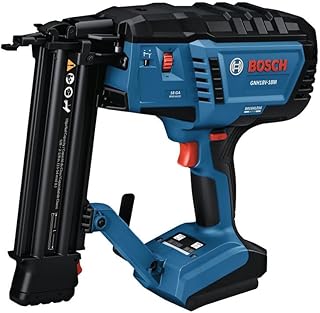


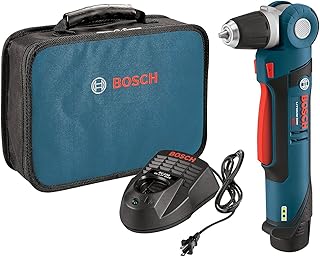


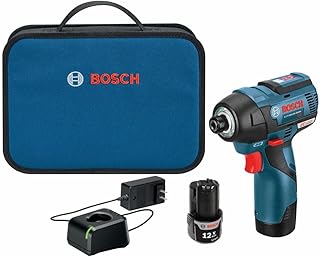

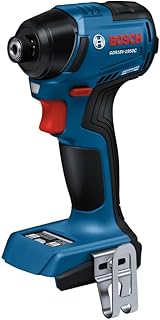
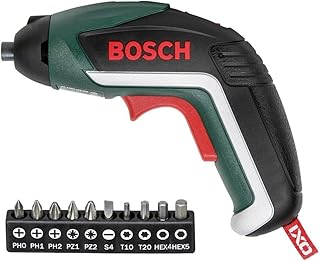


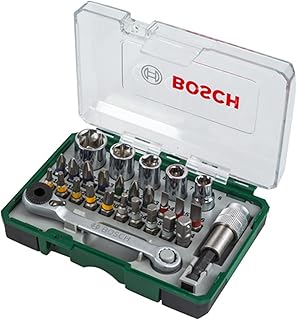
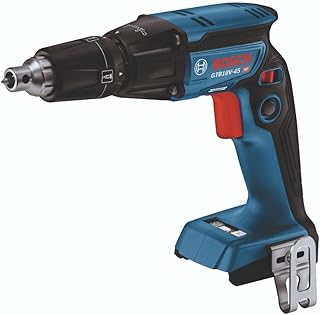


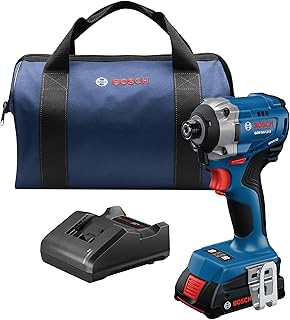


Choosing a Bosch cordless screwdriver is less about finding the highest advertised torque figure and more about matching the tool to the work you actually expect to perform. A compact screwdriver can be the better choice for cabinet hardware, electrical work, furniture assembly and light maintenance, while a more powerful Bosch cordless drill/driver may be preferable when the same tool will also be used for drilling larger holes or driving long fasteners.
For Canadian buyers, the most useful comparison should consider battery platform, voltage class, torque control, speed range, chuck or bit-holder design, ergonomics, included accessories, charging arrangements and compatibility with batteries already owned. The cheapest tool is not necessarily the lowest-cost option over its useful life if it requires a new battery and charger.
This guide is designed to help compare Bosch cordless screwdriver options on specifications and intended use rather than relying solely on star ratings, promotional claims or temporary discounts. Product availability, package contents and pricing can change, so shoppers should verify the current specification and retailer listing before purchasing.
A smart purchase combines adequate performance with convenient handling, compatible batteries and features that genuinely reduce effort during repetitive work. Bosch offers cordless tools across different performance classes, making it important to distinguish a dedicated compact screwdriver from a drill/driver or impact driver.
Voltage is one of the easiest specifications to misunderstand. A higher voltage class generally allows a tool platform to support greater power, but that does not automatically make a higher-voltage screwdriver the best choice for every application.
Compact Bosch 12V-class tools are particularly attractive when size, weight and manoeuvrability are more important than maximum drilling capacity. They can be well suited to furniture assembly, cabinetry, shelving, light installation, maintenance and general household screwdriving.
The compact format can also make a noticeable difference when working overhead or inside confined spaces. For users who spend most of their time driving small and medium fasteners, a lightweight 12V-class tool may be more comfortable than a larger professional drill/driver.
Bosch 18V tools generally target users who need a broader performance envelope. An 18V drill/driver can make sense for renovation work, construction, woodworking, heavier fastening and applications where drilling capacity is important alongside screwdriving.
The additional capability can come with greater size and weight, so the decision should be based on workload rather than voltage alone. A contractor who uses the tool throughout the day may value the extra capability, while someone assembling furniture occasionally may prefer a smaller tool.
The most useful comparison is not simply 12V versus 18V. Instead, consider the relationship between portability, power, battery runtime, drilling requirements and frequency of use.
These three categories overlap, but they are designed around different priorities. Understanding the distinction helps prevent a common buying mistake: purchasing a tool that is impressive on paper but poorly matched to the job.
A compact screwdriver is focused primarily on controlled fastening. Its advantages can include reduced size, convenient handling and easier access in restricted areas. It is particularly useful for assembly and repetitive light-duty screwdriving.
A drill/driver combines screwdriving with drilling capability. A clutch provides control for fastening, while the drill function makes the tool more versatile for wood, plastics and other suitable materials. For many homeowners and DIY users, this is the most flexible single-tool category.
An impact driver is designed for high-efficiency fastening and applications involving larger or longer fasteners. Its impact mechanism changes the way torque is delivered, making it particularly useful when conventional drill/drivers begin to struggle with demanding fastening work.
An impact driver is not automatically an upgrade from a drill/driver. For delicate assembly, small screws and applications where precise clutch control matters, a conventional drill/driver or screwdriver can be easier to manage.
Torque indicates the rotational force a tool can produce. It is an important consideration for demanding fastening, but maximum torque should not be treated as a complete measure of tool quality.
For everyday screwdriving, controllability can be more useful than simply having the highest possible torque. Excessive force can damage fasteners, split wood, deform materials or make small screws harder to control.
A mechanical clutch helps regulate fastening force. More clutch positions can provide finer control, although the number printed on the specification sheet does not by itself determine how well a tool performs in every application.
Users working with furniture, cabinetry, trim, hinges and other finish-sensitive projects should pay particular attention to clutch behaviour. Controlled fastening can be more valuable than maximum power.
Variable-speed control allows the operator to adjust the tool to the job. Lower speeds are useful when starting screws and improving control, while higher speeds can accelerate suitable drilling and fastening tasks.
If a tool provides multiple mechanical speed ranges, compare the actual speed ranges rather than assuming that a higher maximum RPM automatically means better performance.
Drill/drivers commonly use a keyless chuck, allowing different drill bits and driver accessories to be installed. Dedicated screwdrivers may instead use a hex bit interface or another purpose-built holder.
A chuck increases versatility, while a dedicated bit holder can provide a compact and efficient fastening setup. The best choice depends on whether drilling is part of the intended workload.
Motor design is another useful comparison point. Brushless motors eliminate traditional motor brushes and are widely used in modern cordless power tools because of their efficiency and reduced brush-related maintenance requirements.
Brushless does not mean that every brushless tool is automatically better for every user. Compare the complete package, including price, battery system, size, ergonomics, torque control and intended application.
Battery capacity is commonly expressed in amp-hours. A higher-capacity battery can provide more stored energy, but it may also add weight and physical bulk.
A compact battery can be preferable for overhead or precision work, while a larger battery may be useful when extended runtime is more important than minimum weight. The ideal battery is therefore workload-dependent.
Battery compatibility can have a major effect on the long-term cost of a cordless tool. Before buying a Bosch screwdriver, check whether the kit belongs to a battery family you already use and whether the battery, charger and tool are compatible within that system.
Do not assume that all Bosch cordless batteries are interchangeable simply because they carry the Bosch name. Battery platforms, voltage classes and tool generations can have specific compatibility requirements. Always confirm compatibility using the manufacturer's current documentation and the exact model numbers involved.
Tool-only packages can be excellent value for users who already own compatible batteries and chargers. They can also reduce duplication when several tools share one battery platform.
A complete kit can make more sense for someone entering a cordless system for the first time. When comparing kit prices, calculate the complete setup rather than comparing the advertised tool price alone.
For example, a lower-priced bare tool may cease to be the economical option after adding a battery and charger. Conversely, a kit containing components you do not need may not represent good value if you already have compatible equipment.
A cordless screwdriver can look excellent in a specification table and still feel inconvenient during real work. Tool balance, grip diameter, trigger position and total weight all influence fatigue and control.
A tool's balance matters because the user's hand supports the tool for long periods. A compact, well-balanced screwdriver can be easier to position accurately than a heavier tool with substantially more power than the application requires.
The handle should allow the trigger to be operated naturally without excessive finger pressure. A comfortable grip becomes increasingly important during repetitive fastening.
Shorter tool dimensions can provide an advantage inside cabinets, between framing members and in other restricted areas. When comparing compact models, look beyond weight and check overall tool length.
Small convenience features can have practical value when they solve a real problem. An integrated work light can improve visibility around the fastener, particularly inside cabinets or in poorly illuminated work areas.
Electronic controls may also help with variable speed and motor management. However, buyers should distinguish genuinely useful features from features that simply make a product specification list look longer.
The screwdriver is only one part of the fastening system. The correct bit can influence fit, durability and the likelihood of damaging the fastener.
For Phillips, Robertson, Torx and other screw types, choose bits designed for the correct drive profile and fastener size. Canadian woodworking, construction and household applications can involve a mixture of metric and imperial hardware, so an appropriate assortment may be more useful than a large quantity of duplicate bits.
For drilling, use accessories appropriate for the material and tool. Wood bits, metal bits, masonry bits and specialty accessories have different cutting characteristics and should not be treated as interchangeable.
Woodworking applications often benefit from controllable torque, appropriate bits and variable speed. When driving screws near edges, excessive torque can contribute to splitting, particularly in smaller workpieces or less forgiving materials.
Metal drilling places different demands on the tool and accessory. Correct drill-bit selection, speed control, lubrication where appropriate and secure workpiece positioning can be more important than simply selecting the highest-powered screwdriver.
Fast, repeatable screwdriving can be valuable for installation tasks. Control is especially important when the screw must finish at a consistent depth without damaging the surface.
Furniture assembly is an area where compact size and clutch control can be more useful than maximum power. A powerful tool operated without appropriate control can easily overtighten screws or damage engineered wood components.
DIY users should first identify the majority of jobs the tool will perform. A compact model may be sufficient for household repairs, shelving, furniture and light installation. If projects include frequent drilling into thicker wood or other demanding materials, a drill/driver may provide greater flexibility.
Look for a tool that is easy to use correctly. Straightforward controls, a comfortable grip, adequate battery runtime and a sensible accessory setup can have more practical value than specifications that will rarely be used.
Woodworkers generally benefit from precision and repeatability. Clutch control, variable speed, comfortable handling and appropriate bits should therefore receive considerable attention.
For delicate assembly, choose a tool that allows the user to approach the required fastening force gradually. For structural woodworking, larger screws and drilling tasks may justify moving into a higher-performance Bosch drill/driver or impact-driver category.
Construction and renovation work can involve a much wider range of materials and fastener sizes. In these situations, compare sustained usability rather than focusing only on peak specifications.
Users who spend many hours on site should also consider whether a compact 12V-class tool is sufficient for precision work and whether an 18V tool is better suited to heavier tasks. In many professional toolkits, different tool sizes serve different purposes rather than one model replacing everything.
When reviewing a list of ten Bosch cordless screwdrivers or closely related drill/driver models, avoid ranking them by one specification. A more useful comparison considers several dimensions at once.
Customer reviews can be useful, but they should be interpreted carefully. A review is most informative when it explains what the buyer used the tool for, what battery was used, how frequently the tool was operated and what expectations the buyer had.
Look for recurring observations rather than isolated comments. Reviews discussing battery compatibility, chuck behaviour, clutch control, ergonomics, durability and suitability for specific applications can provide more useful buying information than comments focused only on packaging or delivery.
Maximum torque is useful information, but it does not tell you how comfortable, controllable or appropriate the tool will be for your work. A compact project can benefit more from precise control than from excess power.
A tool-only price can look attractive until the cost of a compatible battery and charger is added. Compare the complete setup.
Higher voltage can provide additional capability, but it can also increase size and weight. Choose according to application.
An impact driver can be excellent for demanding fastening, but it is not a universal replacement for a drill/driver. Buyers who need regular drilling should verify that the selected tool supports the required accessories and drilling tasks.
Overall length can matter enormously when working inside cabinets, between studs or around existing fixtures. A tool that is physically smaller may solve access problems that additional torque cannot.
Higher-capacity batteries can extend runtime, but they also add weight. For short assembly jobs, a compact battery may provide a better user experience.
A large accessory bundle is useful only when the included accessories match your work. Compare the actual contents and quality rather than the number of pieces alone.
Battery runtime depends on the task, material, fastener size, tool settings, battery capacity and operating conditions. There is no single runtime figure that applies equally to every application.
Using the correct tool for the workload is one of the most effective ways to improve practical battery efficiency. Avoid forcing a compact screwdriver through tasks better suited to a larger drill/driver or impact driver.
Modern cordless tools rely heavily on lithium-ion battery technology, and proper handling helps preserve usability. Follow Bosch's current instructions for charging, storage, temperature conditions and battery care.
Do not use visibly damaged batteries or accessories. If a battery becomes unusually hot, swollen, damaged or otherwise abnormal, stop using it and follow the manufacturer's safety guidance for handling and disposal.
Cordless screwdrivers require relatively little routine maintenance, but sensible care can help preserve performance and reliability.
Even a compact cordless screwdriver can cause injury or damage if used incorrectly. Wear appropriate eye protection when drilling or driving where debris may be generated, secure the workpiece when practical and use the correct accessory for the material.
A Bosch cordless screwdriver can be a strong choice when its battery platform, size, performance and controls match the intended work. The most sensible purchase is not necessarily the newest or most powerful model. It is the option that provides the required capability without adding unnecessary weight, cost or complexity.
For occasional household jobs, compactness and ease of use can be decisive. For woodworking and DIY, clutch control and versatility become more important. For renovation and professional workloads, battery strategy, drilling capability, ergonomics and overall platform compatibility deserve greater consideration.
Bosch should be compared with brands such as DeWalt, Makita, Milwaukee, Ryobi and other established power-tool manufacturers based on the exact tool category and battery platform rather than brand reputation alone.
Different ecosystems can excel in different areas. A buyer who already owns several compatible tools from another manufacturer may find that staying within the existing battery system offers better overall value. Conversely, someone starting from scratch should compare the broader ecosystem of drills, drivers, saws, lights, batteries and chargers they may eventually need.
Compare the specific models for ergonomics, battery compatibility, torque control, speed ranges, drilling capacity and kit contents. Both brands offer multiple cordless tool classes, so broad brand-level claims are less useful than model-level comparisons.
For buyers considering a professional-oriented cordless platform, compare the complete ecosystem and intended duty level. Battery availability, tool size and the types of additional tools you expect to purchase can be as important as individual specifications.
Milwaukee is another major competitor in cordless power tools. Compare equivalent tool categories rather than placing a compact screwdriver against a substantially larger drill/driver. Pay attention to platform compatibility and the specific requirements of your work.
For homeowners and DIY users, platform breadth and overall kit value can be important comparison factors. Examine the actual specifications, included components and long-term battery requirements instead of selecting based solely on the brand name.
A cordless screwdriver is not always the appropriate solution. If your work routinely involves drilling large holes, heavy structural fastening, masonry drilling or extended high-load operation, another Bosch tool category may be better suited.
Prioritise ease of use, compact dimensions, adequate battery runtime and simple controls. A versatile drill/driver may be preferable if the tool will also be used for occasional drilling.
Consider the projects you expect to undertake over the next several years. If you anticipate expanding your cordless workshop, battery-platform compatibility becomes a strategic purchase decision rather than a minor specification.
Focus on clutch control, speed selection, ergonomics, chuck performance and precision. Appropriate bits and careful technique are equally important.
Look beyond headline power. Daily users should consider ergonomics, battery management, tool balance, duty requirements, compatibility with existing equipment and whether the selected model is appropriate for repeated professional workloads.
A discounted price is only useful when the underlying configuration is suitable. Before deciding that a deal represents good value, compare the exact model number, battery configuration and included accessories.
Bosch cordless tools can have closely related names while differing in battery configuration, regional packaging, included accessories or technical specifications. The model number is therefore more reliable for comparison than a shortened product title.
When comparing two listings, make sure the underlying model and package configuration are actually the same. This is especially important when shopping through marketplaces where sellers may use abbreviated or automatically generated titles.
There is no single best option for every Canadian buyer. The right choice depends on the intended workload, budget, battery platform, desired size, drilling requirements and preferred features. A compact model can be ideal for light fastening, while an 18V drill/driver can be more appropriate for demanding and varied work.
They can be well suited to DIY applications when the selected tool matches the project. Furniture assembly, shelving, household repairs and woodworking can all benefit from cordless screwdriving, while heavier drilling may justify a drill/driver with greater capacity.
Choose 12V-class equipment when compact size and low weight are priorities. Choose 18V equipment when you need greater drilling and fastening capability or want a more versatile tool for demanding work.
A brushless motor can offer advantages in efficiency and motor design, but brushless alone does not determine whether a tool is the right purchase. Compare the complete specification and intended application.
No. Battery compatibility depends on the relevant Bosch platform, voltage class and tool requirements. Check the exact battery and tool model information before assuming compatibility.
Not universally. An impact driver is better suited to many demanding fastening applications, while a conventional cordless screwdriver or drill/driver can provide better control for delicate work and greater versatility for drilling.
Choose battery capacity according to the workload. Smaller batteries can reduce tool weight and improve handling, while larger batteries can provide more stored energy for extended or demanding tasks.
Yes, suitable Bosch cordless tools can be useful for furniture assembly. Lower torque settings and controlled operation are important because excessive force can damage screw heads, fittings or engineered wood components.
Prioritise clutch control, variable speed, comfortable handling, appropriate chuck or bit-holder design and compatibility with quality woodworking accessories. Match the tool to the size and type of fasteners you normally use.
Buy a bare tool when you already have compatible batteries and a charger. A kit can make more sense when entering the battery platform for the first time. Compare the total cost of ownership rather than the tool price alone.
Replace bits when they become worn, damaged or no longer fit the fastener properly. Continuing to use a worn bit can increase slipping and fastener damage and can make the work less efficient.
That depends on the tool design. A Bosch drill/driver is specifically intended for drilling and screwdriving, whereas a dedicated screwdriver may not provide the chuck, speed range or drilling capability required for conventional drilling applications.
Before choosing from a list of Bosch cordless screwdriver deals in Canada, use this quick evaluation checklist:
The smartest way to compare Bosch cordless screwdrivers in Canada is to start with the job and work backwards to the specification. Decide whether you need a compact screwdriver, a versatile drill/driver or a higher-performance impact driver. Then compare battery platform, torque control, speed, chuck design, dimensions, weight, kit contents and long-term compatibility.
For light household and assembly work, compactness and control can be more important than maximum power. For woodworking and DIY, versatility and precision can provide greater value. For renovation and professional workloads, battery strategy, ergonomics and sustained capability become increasingly important.
Before purchasing, verify the exact model number, current specifications, included accessories and current Canadian retailer pricing. A well-matched Bosch cordless tool can be a much better investment than simply choosing the most powerful or most heavily promoted option.