

♥ Wishlist
Compare 45 Cordless Generators for Portable Power and Backup Energy products in Canada. Reviews, ratings, pros, cons and buying advice updated for October 2026.



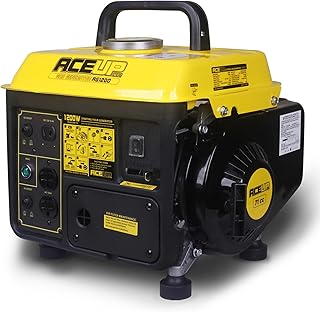


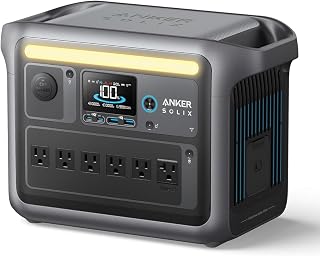


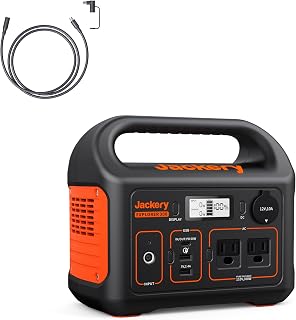

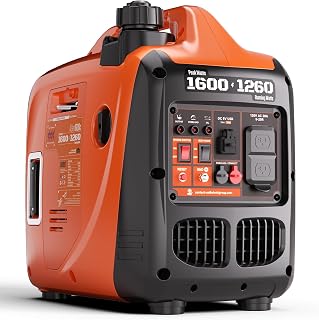

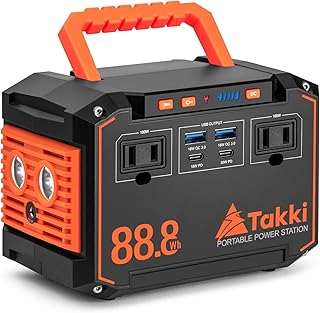
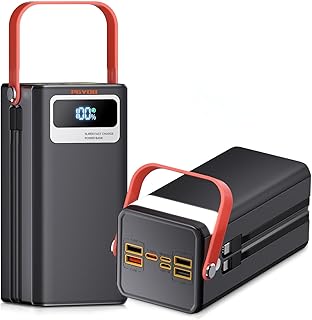


Choosing a cordless generator for use in Canada requires more than comparing the advertised wattage or battery capacity. The right model depends on what you need to power, how long you need backup power to last, where the unit will be used, how frequently it will be recharged, and whether portability or maximum output is the higher priority.
For Canadian buyers, cordless generator usually refers to a battery-powered portable power station rather than a conventional fuel-powered generator. These units store electrical energy in a rechargeable battery and provide power through outlets, USB ports and DC connections. They can be useful for camping, road trips, emergency preparedness, temporary backup power, remote work and powering selected appliances away from a conventional electrical outlet.
There is no universally best cordless generator. A compact unit may be the smarter purchase for phones, laptops, lights and small electronics, while a substantially larger power station may be more appropriate for refrigerators, medical equipment, power tools or longer outages. Comparing the complete specification rather than one headline number is the best way to narrow down the choices.
A smart purchase balances usable capacity, output capability, battery technology, charging flexibility, portability, safety features and long-term value. Paying more for capacity that you will never use is not necessarily better, while choosing a very small unit for a demanding load can make the generator unsuitable for its intended purpose.
Battery capacity is commonly expressed in watt-hours, abbreviated as Wh. A higher Wh rating generally means that a power station stores more energy, but the advertised capacity should not be treated as identical to the energy available to every connected device.
Conversion losses occur when stored battery energy is converted into usable AC electricity. Runtime also varies according to the connected load, inverter efficiency, operating temperature, battery condition and the way the particular model manages its reserve capacity.
A simple starting point for estimating runtime is to divide the battery capacity in watt-hours by the approximate power draw of the device in watts. For example, a theoretical 1,000Wh battery connected to a 100W load would suggest approximately 10 hours before accounting for conversion losses and other operating factors.
This calculation is useful for comparison rather than as a guaranteed runtime figure. Manufacturer runtime information for the specific model and load should take precedence when available.
Watts and watt-hours describe different aspects of a cordless generator. Watt-hours describe stored energy, while watts describe the rate at which electrical power can be delivered.
A generator with a large battery can still be unsuitable for a high-power appliance if its inverter cannot provide enough continuous output. Conversely, a unit with substantial output capability may run a demanding appliance but have limited runtime if its battery capacity is relatively small.
Starting loads deserve particular attention. Refrigerators, pumps, compressors and some power tools can briefly draw substantially more power when their motors start. This is why the continuous output rating and surge rating should both be compared with the requirements of the intended appliance.
Battery chemistry is an important differentiator among modern portable power stations. Lithium iron phosphate, commonly called LiFePO4 or LFP, is widely used in newer portable energy-storage products. Other lithium-based battery chemistries can also be found, depending on the product and manufacturer.
LiFePO4 designs are often attractive to buyers who prioritize longevity and frequent cycling. However, battery chemistry should not be evaluated in isolation. Battery-management electronics, thermal management, charging controls, cell quality, warranty terms and the manufacturer's operating specifications also influence the overall ownership experience.
Canadian weather creates additional considerations when selecting and storing a battery-powered generator. Lithium batteries have defined operating-temperature ranges, and extremely cold conditions can affect charging and available performance. The exact limits vary by product, so the manufacturer's instructions should always be checked before operating or charging a unit outdoors during winter.
A portable power station intended for year-round Canadian use should be stored according to the manufacturer's temperature, humidity and state-of-charge recommendations. Do not assume that because a unit is portable it is automatically suitable for exposure to snow, rain, condensation or freezing conditions.
A battery-powered generator can be useful as part of an emergency-preparedness plan, particularly when short-duration electrical backup is needed. However, it should not automatically be considered a whole-home backup system.
Before buying, decide which loads actually matter during an outage. Keeping a phone charged and maintaining lighting requires dramatically less stored energy than operating a refrigerator, freezer, heating equipment or other high-consumption appliances for an extended period.
The inverter converts battery power into AC electricity for conventional household plugs. A pure sine wave inverter is generally the preferred specification when a power station will be used with sensitive electronics or equipment whose manufacturer specifies a particular AC waveform.
Many modern portable power stations use pure sine wave output, but buyers should verify the specification for the exact model rather than assuming every portable generator produces the same waveform.
Devices with motors, compressors, variable-speed electronics or switching power supplies may have requirements that are not obvious from their nominal wattage alone. When compatibility is important, consult the appliance and power-station documentation together.
Charging flexibility can be almost as important as battery capacity. A power station that can only be conveniently charged from a household outlet may be less useful for camping or extended travel than a model that supports several charging methods.
Solar charging can make a cordless generator more independent, but advertised solar-input capability should not be confused with guaranteed real-world charging speed. Solar output varies with sunlight, season, panel orientation, shading, temperature and the specific solar input limits of the power station.
Canadian buyers should check the maximum solar input voltage, current and wattage specified for the generator. The solar panel configuration must remain within those limits. Compatibility should be confirmed before purchasing panels separately.
Port selection determines how conveniently a cordless generator fits into your existing equipment. A high-capacity battery is less useful if the available connections do not match the devices you need to operate.
Do not judge a generator solely by the number of ports. Check their individual output ratings and determine whether the ports can operate simultaneously at their advertised levels.
The word smart can describe different features across portable power stations. Some models provide Bluetooth or Wi-Fi connectivity, while others focus on a detailed onboard display and physical controls.
Connectivity can be useful when it provides meaningful information or control, such as monitoring battery percentage, input and output power, operating status, charging settings or alerts. However, wireless functionality should be treated as a convenience rather than a substitute for core electrical specifications.
Several established manufacturers compete in the portable power-station market. Brands commonly encountered by Canadian shoppers include EcoFlow, Jackery, BLUETTI, Anker, Goal Zero and Renogy. Product lines vary considerably within each brand, so the brand name alone should never determine a purchase.
When comparing products from these manufacturers, concentrate on the specifications and support terms of the exact model. Two units from the same company can target completely different users, capacities and output requirements.
A battery-powered generator and a fuel-powered generator solve overlapping but different problems. A portable power station is generally valued for quiet operation, indoor-friendly electrical energy storage when used according to manufacturer instructions, low routine maintenance and convenient electronic charging. A conventional generator can provide extended energy by continuing to receive fuel, provided it is operated safely and according to applicable instructions.
The lowest listed price is not necessarily the best deal. A better comparison considers how much usable capacity and output you receive for the money, along with charging capability, battery technology, included accessories and long-term suitability.
A discounted generator can be attractive, but buyers should verify what they are actually receiving before treating a price reduction as a strong value. A smaller unit may cost less because it has substantially less battery capacity or inverter output, while a larger model may cost more because it includes additional charging hardware, expansion support or higher electrical capability.
For meaningful comparisons, calculate the approximate cost per watt-hour and then consider output capability, charging speed and other features. Cost per Wh is only a comparison tool, not a complete measure of value.
Also check whether an advertised package includes the accessories required for your intended setup. Solar panels, expansion batteries, cables and carrying accessories may be separate depending on the product configuration.
Actual power consumption varies by device, model, operating mode and conditions, so the figures printed on equipment labels or supplied by manufacturers should be used for purchasing decisions. The following categories illustrate how requirements can differ rather than providing guaranteed consumption values.
Camping use emphasizes portability, quiet operation and efficient charging. A compact power station can be useful for phones, cameras, lights, laptops and other electronics, while larger systems can support additional equipment if their output and capacity are sufficient.
RV users should pay particular attention to AC output, 12V compatibility, battery capacity, charging options and the electrical requirements of onboard equipment. A generator should be evaluated against the actual appliances and connections in the specific RV rather than selected solely by battery size.
For emergency use at home, start by defining essential loads rather than attempting to replicate normal household electricity consumption. Communications, lighting, refrigeration and selected electronics may be more important than high-consumption appliances during a short outage.
Users should also distinguish between plugging individual appliances into a portable power station and integrating a backup system with a home's electrical panel. Electrical-panel integration can require equipment, installation and professional assessment appropriate to the electrical system. A portable power station should never be connected to household wiring through an improvised method.
Portable power stations contain high-energy batteries and should be treated as electrical equipment rather than ordinary consumer electronics. Follow the manufacturer's instructions for charging, storage, transport and connected loads.
Battery-powered generators generally require less mechanical maintenance than fuel-powered generators, but they still benefit from appropriate care. Maintenance requirements differ between manufacturers, so the product manual should remain the primary reference.
Customer reviews can provide useful information that specifications do not always reveal, but they should be interpreted carefully. Focus on recurring observations from multiple verified purchasers instead of relying on one unusually positive or negative comment.
Specification sheets can contain numerous numbers, so compare them in a consistent order. Start with the battery capacity and continuous inverter output, then examine surge capability, charging inputs, port specifications, battery chemistry and physical dimensions.
The ideal capacity depends on your priority. Small units make sense when portability and basic electronics are the main concerns. Medium systems provide a broader balance between mobility and runtime. Large systems become more attractive when longer runtime, higher output or expansion capability is important.
Not every premium feature provides equal value. Features deserve additional spending when they directly solve a problem you expect to encounter.
A premium power station can include functions that sound impressive but may have little practical value for a particular buyer. Avoid paying for specifications that do not correspond to your actual use case.
Energy management can extend runtime regardless of the generator you choose. Turn off devices when they are not needed, use lower-power operating modes where practical and avoid powering unnecessary loads during an outage or camping trip.
When possible, use an efficient direct-current connection for compatible equipment rather than converting battery energy to AC and then converting it back to DC through a separate charger. The exact efficiency advantage depends on the equipment and generator, but avoiding unnecessary conversion stages can be beneficial.
The best smart buy cordless generator for a Canadian household, camper or traveller is the model whose battery capacity, inverter output, charging options and physical design match the intended workload. Start with your actual electrical requirements and then compare models from established manufacturers such as EcoFlow, Jackery, BLUETTI, Anker, Goal Zero and Renogy.
Do not choose solely by price, battery capacity or customer rating. A more useful comparison combines Wh capacity, continuous watts, surge performance, battery chemistry, charging speed, solar compatibility, port selection, portability, operating conditions and applicable warranty terms.
Before purchasing, verify the current specifications for the exact model and configuration, check current customer feedback, and compare today's pricing from reputable Canadian retailers. Product availability, bundles and prices can change throughout 2026, so the specification of the exact listing should be confirmed immediately before placing an order.
A cordless generator is commonly used to describe a rechargeable battery-powered portable power station. Instead of producing electricity with a combustion engine, it stores electrical energy in a battery and supplies power through AC, USB and DC outputs.
The best option depends on the intended use. For basic electronics, portability may be the deciding factor. For emergency backup, battery capacity and inverter output become more important. For off-grid use, solar charging capability may be a major consideration.
There is no single correct capacity. Estimate the wattage of the equipment you intend to run, multiply it by the desired operating time, and then allow additional capacity for conversion losses and practical operating conditions.
Some portable power stations can power compatible refrigerators, but you must compare the refrigerator's running and startup requirements with the generator's continuous and surge output. Runtime also depends on the refrigerator's actual duty cycle and the generator's usable battery capacity.
Some high-output units may technically support certain heaters, but electric heating appliances can consume substantial power. Even when the inverter can handle the wattage, the battery may be depleted relatively quickly. Check the heater's actual rated consumption and compare it with the generator's output and capacity.
Battery-powered power stations do not produce combustion exhaust during normal operation, unlike gasoline or propane generators. However, indoor use should still follow the exact manufacturer's instructions, including requirements concerning ventilation, temperature, clearance and connected equipment. Fuel-burning generators must never be operated indoors or in enclosed spaces because of carbon monoxide risk.
LiFePO4 batteries can be attractive for buyers who prioritize long-term cycling characteristics, but battery chemistry is only one part of the product. Compare the complete battery-management system, charging specifications, thermal management, capacity, output, warranty and manufacturer's stated operating conditions.
Many portable power stations support solar charging, but compatibility depends on the generator's voltage, current, wattage and connector requirements. Check the exact solar-input specifications before connecting a panel or solar array.
It depends on the model and environmental conditions. Battery-powered equipment has manufacturer-defined temperature limits, and charging can have stricter requirements than discharging. Always check the exact operating and charging temperature specifications before winter use.
Service life varies with battery chemistry, cycling frequency, depth of discharge, temperature, charging practices and product design. Manufacturer cycle information can help with comparisons, but it should not be interpreted as a guaranteed lifespan under every usage pattern.
No. Higher output can support more demanding equipment, but it can also increase cost, weight and physical size. A compact unit with an appropriate output rating can be a better choice if your devices have modest power requirements.
Expansion can be valuable if your energy requirements are expected to increase or if you want additional runtime later. If your needs are stable and relatively small, paying extra for expansion capability may provide little practical benefit.
Check the exact model number, battery capacity, continuous output, surge rating, battery chemistry, charging methods, charging speed, ports, dimensions, weight, included accessories, operating temperature limits and applicable warranty terms. Then compare current verified customer feedback and the complete package price.