

♥ Wishlist
Compare 54 Clamps Hand Tools for Secure, Precise Work products in Canada. Reviews, ratings, pros, cons and buying advice updated for October 2026.










Choosing a clamp is less about finding the tool with the highest advertised clamping force and more about matching the clamp design to the work you actually perform. Woodworkers, DIY users, cabinetmakers, renovators, mechanics and general workshop users can have very different requirements. A clamp that is ideal for holding a cabinet panel may be inconvenient for assembling a small project, while a compact quick-grip clamp may not provide the rigidity required for demanding glue-ups.
For Canadian buyers, the decision can also involve workshop conditions, metric and imperial measurements, availability of replacement pads or parts, storage space and the types of materials commonly being worked on. Before choosing from a deal or recommendation, compare the throat depth, opening capacity, clamping mechanism, materials, handle design and overall construction rather than judging the tool by price alone.
There is no single clamp design that performs every job particularly well. Understanding the differences between common clamp styles makes it easier to narrow down the right option.
Quick-grip clamps are designed for convenience. Many can be positioned and tightened using one hand, leaving the other hand free to align a workpiece. They are especially useful for temporary positioning, light assembly, woodworking, repairs and projects where frequent repositioning is necessary.
The most important specifications to compare are maximum opening capacity, throat depth and the amount of usable clamping pressure. A large opening does not automatically mean that the clamp is suitable for heavy-duty work.
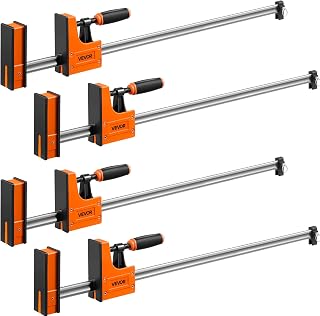
Bar clamps use a long bar to provide a combination of reach and versatility. They are useful when working with wide panels, furniture components, doors and larger assemblies. When comparing bar clamps, examine the rigidity of the bar as well as the advertised capacity.
A long clamp can be extremely useful, but a flexible bar may reduce practical performance when pressure is applied. For larger woodworking projects, rigidity and smooth adjustment deserve as much attention as maximum reach.
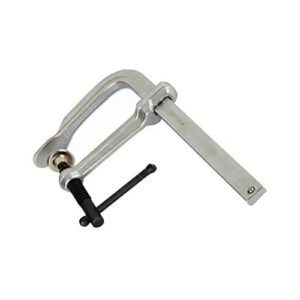
F-clamps are versatile workshop tools with a sliding jaw that moves along a bar. They are commonly used for woodworking, fabrication and general repair work. Their relatively simple construction can make them useful as everyday workshop clamps.
Look for a sliding mechanism that moves smoothly without excessive play. The fixed and sliding jaws should remain properly aligned when pressure is applied.
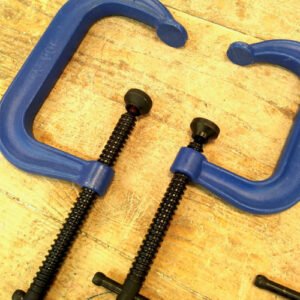
C-clamps are compact and straightforward tools that can provide substantial holding force. They are useful for securing materials, holding components during drilling or assembly and performing tasks where a compact clamp is preferable to a long bar clamp.
Because the screw mechanism is central to their operation, pay attention to screw quality, handle design, jaw alignment and the condition of the contact surfaces.
Spring clamps are designed for speed rather than maximum pressure. They are convenient for holding lightweight materials temporarily, positioning pieces before fastening or keeping components together while an assembly step is completed.
They are usually best viewed as complementary tools rather than replacements for screw-operated or bar-style clamps.
Parallel clamps are particularly useful in furniture and cabinet work because their jaws are designed to remain parallel as pressure is applied. This can help maintain alignment across larger assemblies.
They tend to be more specialised than basic quick clamps, so consider whether the additional size, weight and cost are justified by the projects you intend to build.
Pipe clamps can provide considerable flexibility because the working length can be determined by the pipe used with the clamp system. They can be useful for long woodworking assemblies and other applications requiring substantial reach.
Before choosing this style, check compatibility with the intended pipe size and thread arrangement. The availability of suitable accessories can also affect the long-term usefulness of the system.
Maximum opening capacity describes how far the jaws can separate. This measurement should be compared with the thickness or width of the material you expect to clamp.
Do not choose a clamp solely because it has the largest possible opening. Excess capacity can add size and weight without providing a practical advantage for smaller projects. Ideally, choose a range of capacities that covers your normal work.
Throat depth determines how far the clamp can reach from the edge of the workpiece toward the area being secured. Two clamps with identical opening capacities can therefore behave very differently in actual use.
Deep-throat designs can be advantageous for larger panels and assemblies, while shallower clamps may be easier to handle for compact projects.
Clamping force indicates how much pressure a clamp can potentially apply, but published figures should be interpreted carefully. Maximum force does not automatically translate into better results.
Too much pressure can damage softer materials, distort an assembly or squeeze excessive adhesive from a joint. A good clamp should provide controllable pressure appropriate to the material and task.
The structural rigidity of the clamp affects how effectively applied pressure is transferred to the workpiece. This becomes increasingly important as clamp length increases.
When comparing products, examine the bar profile, jaw construction and overall frame design. A rigid construction can be more useful than an impressive specification that is difficult to apply consistently.
Contact surfaces matter because clamps can leave marks on wood, laminate, painted surfaces and other materials. Replaceable or removable pads can make a clamp more versatile.
For delicate surfaces, consider using additional protective material between the clamp jaw and the workpiece. This can help reduce pressure marks and surface damage.
A comfortable handle can make a noticeable difference when several clamps need to be tightened during one project. Compare handle shape, grip area and how easily the mechanism can be operated while the clamp is positioned on a workpiece.
One-hand mechanisms are convenient for many applications, while traditional screw handles may provide greater control for tasks requiring carefully adjusted pressure.
The adjustment system should allow the clamp to move into position without excessive resistance or unnecessary play. Quick-release mechanisms can speed up repetitive work, while threaded mechanisms offer precise adjustment.
Check whether the mechanism allows controlled tightening and whether the moving jaw remains stable once positioned.
Steel is commonly used for clamp bars, frames, screws and structural components because it can provide the rigidity required for demanding applications. The exact construction and finish can vary considerably between models.
For workshop tools that will receive frequent use, inspect the overall construction rather than focusing on one material specification in isolation.
Aluminium can reduce overall weight while providing useful rigidity for many applications. Lightweight clamps can be particularly attractive when projects require numerous clamps or frequent repositioning.
However, low weight should be evaluated alongside the intended workload. A lightweight design is not automatically preferable for high-pressure applications.
Some clamp handles, triggers, housings and other components use engineered plastics. These materials can reduce weight and make tools comfortable to handle.
Look at the complete design rather than assuming that a plastic component indicates poor quality. The important question is whether the component is appropriately designed for the loads and frequency of use expected.
One of the most common buying mistakes is purchasing clamps based on maximum specifications rather than actual project requirements.
Buying a large number of identical clamps is not always the most efficient approach. A mixed collection of sizes and styles can cover more situations while reducing unnecessary duplication.
For a general-purpose workshop, consider building a selection around the dimensions of the projects you commonly undertake. Several smaller clamps can be useful for positioning and alignment, while a smaller number of larger clamps can handle wide assemblies.
For woodworking glue-ups, having several clamps that can be positioned at different points along an assembly may be more useful than owning one exceptionally large clamp. The correct number depends on project size, joint design, available workbench space and the sequence in which components need to be secured.
Woodworking places particular demands on clamps because alignment, pressure distribution and surface protection are often important. When joining boards, excessive pressure can force adhesive out of the joint, while insufficient or uneven pressure can allow components to shift.
For edge joining, compare jaw alignment and the ability to distribute pressure along the assembly. For cabinets and boxes, consider whether the clamp design can maintain alignment while still providing sufficient reach.
Brands such as Bessey, Irwin, Jorgensen and Pony have long been associated with different categories of clamping tools, but individual models can vary significantly. Always compare the specifications of the specific clamp rather than assuming that every product from a particular brand has the same capabilities.
DIY users often benefit from clamps that are easy to position, quick to release and suitable for several materials. A versatile quick clamp can be useful for holding trim, small boards, temporary fixtures and components during repairs.
For occasional use, ease of storage and straightforward operation may be more valuable than specialised features. If the clamp will be used frequently, construction quality, mechanism durability and replacement components become more important.
Cabinet projects require careful attention to alignment. A clamp that simply generates high pressure may not be sufficient if the jaws allow components to move out of position.
Parallel clamps can be useful where maintaining a consistent jaw orientation matters. For frame construction and smaller components, quick clamps or F-clamps can complement larger clamps.
When comparing cabinetmaking clamps, consider jaw parallelism, throat depth, capacity, pressure control and whether the design leaves enough access for adjacent tools or fasteners.
Metalworking applications can require different priorities from woodworking. Materials may be heavier, surfaces can be harder and the clamp may need to withstand repeated tightening.
For fabrication, examine the strength of the frame, screw mechanism, jaw surfaces and handle. Consider whether the clamp is intended for the temperature, pressure and working environment involved in the project.
Clamps should also be selected according to the specific fabrication task. A general-purpose F-clamp may be useful for positioning, while a dedicated fabrication clamp may be better suited to repeated workshop production.
More force is not always better. The ideal amount of pressure depends on the material, joint and application.
A clamp with a mechanism that allows gradual adjustment can therefore be more useful than one that is difficult to control.
The cheapest clamp can appear attractive for occasional projects, but the initial price does not tell you how well the mechanism will perform over repeated use. Conversely, the most expensive model is not automatically the best choice for every application.
Compare construction, capacity, mechanism, ergonomics and intended use before deciding whether a deal represents genuine value.
A clamp may have sufficient opening capacity but still fail to reach the point where pressure is needed. Always check throat depth when comparing products for large or recessed assemblies.
Using one clamp size for every task can create unnecessary compromises. Smaller clamps may be easier to position, while larger clamps provide the reach needed for wider assemblies.
Excessive pressure can damage materials or interfere with adhesive joints. Consider control and suitability rather than simply selecting the highest force specification.
Large, heavy clamps can be useful but may become tiring to position repeatedly. If a project requires many clamps, total weight can become an important practical consideration.
Poor alignment can reduce the effectiveness of clamping and may introduce unwanted movement. Examine the jaw design and adjustment mechanism before buying.
Long bar clamps can require considerable wall, rack or workshop storage space. Measure your available storage area if you are considering several large clamps.
A discounted price should be treated as one factor in the buying decision rather than proof of value. When comparing a clamp deal, check the current product specifications, package contents, stated capacity and whether the model matches the application.
Customer reviews can be useful when they contain specific observations about the actual tool, but star ratings alone provide limited information. Look for repeated comments concerning the adjustment mechanism, jaw alignment, durability, ease of use and suitability for particular applications.
Pay particular attention to reviews that describe the dimensions and type of work performed. A user who needs a clamp for occasional craft work may evaluate the same product differently from someone using clamps every day in a woodworking shop.
Also distinguish between complaints about a product and complaints caused by an unsuitable application. A clamp designed for light-duty positioning should not necessarily be judged negatively because it is unsuitable for heavy fabrication.
Brand reputation can be a useful starting point, but it should not replace model-level comparison. Established tool brands offer different designs and product ranges, so examine the specifications of each individual product.
Availability, model selection and retailer listings can change, so Canadian shoppers should verify the exact model and current specifications before placing an order.
A clamp set can provide better variety when starting a workshop, particularly if it contains several useful sizes. However, sets sometimes include sizes that you rarely need.
Buying individually allows you to build a collection around actual projects. This approach can be preferable when you already own several clamps and only need additional capacity or reach.
Compare the effective cost per clamp, but also consider whether every size in the set is genuinely useful. A larger set is not automatically better value if several pieces remain unused.
Canada commonly uses metric measurements, but many tools and woodworking plans encountered by Canadian DIY users may use imperial measurements as well. This is particularly relevant when selecting clamps for projects based on plans, jigs or materials specified in a different measurement system.
Check the manufacturer's stated dimensions rather than converting measurements mentally from an abbreviated listing. Opening capacity, bar length and throat depth should be understood before buying, especially when the available working clearance is limited.
Clamps are straightforward tools, but incorrect use can damage a workpiece or create an unstable setup. Position the clamp so that pressure is applied in a controlled manner and ensure the workpiece is adequately supported.
Regular maintenance can help keep clamping mechanisms operating smoothly. Remove dust, adhesive residue, metal filings and other debris that can interfere with moving parts.
Threaded components should be kept clean and maintained according to the manufacturer's instructions. Avoid using inappropriate lubricants or chemicals that could affect plastic components, pads or finishes.
Store long clamps where their bars will not be repeatedly struck or bent. Hanging them on suitable workshop storage systems can keep them organised and reduce damage caused by stacking heavy tools on top of them.
Wood glue and other adhesives can become difficult to remove once fully cured. Preventing adhesive from accumulating on clamp surfaces is easier than dealing with heavy buildup later.
Wipe away suitable residues according to the manufacturer's care recommendations and avoid aggressive cleaning methods that could damage finishes or moving mechanisms. If adhesive has hardened, take care not to scratch critical sliding surfaces while removing it.
Paying more can be justified when the additional features directly address your requirements. Frequent users may benefit from smoother mechanisms, more rigid construction, better ergonomics, greater durability or specialised jaw designs.
For occasional DIY projects, a simpler clamp may provide better overall value. The right choice depends on frequency of use, workload, required capacity and the cost of replacing a tool that does not perform adequately.
A lower-cost clamp can be perfectly practical for occasional positioning, light repairs, hobby projects and applications where extreme pressure is unnecessary. The key is to ensure that the product specifications match the intended workload.
Budget does not have to mean unsuitable. Evaluate the clamp based on its construction, mechanism and application rather than assuming that price alone predicts performance.
Before choosing a clamp from a Canadian retailer, use the following checklist to compare competing models consistently:
If you are setting up a workshop from scratch, start with versatility rather than quantity. A sensible collection can include several compact clamps for positioning, medium-capacity clamps for general work and a few larger clamps for projects involving wider components.
As your projects become more specialised, add clamps based on demonstrated needs. For example, repeated cabinet work may justify parallel clamps, while frequent large furniture glue-ups may justify additional long bar clamps.
This incremental approach avoids filling workshop storage with tools that rarely leave the shelf.
For many general DIY applications, a versatile quick-grip or F-style clamp is a practical starting point. The appropriate choice depends on the required opening capacity, throat depth and amount of pressure.
Some quick clamps are well suited to woodworking, particularly for positioning and light-to-moderate holding tasks. For demanding glue-ups or large assemblies, compare their specifications with those of bar, parallel or other woodworking-specific clamps.
Choose the size according to the largest and smallest assemblies you regularly work on. Consider both opening capacity and throat depth because either limitation can prevent a clamp from reaching the required position.
Clamp sets can be worthwhile when they contain a useful range of sizes at a competitive overall cost. If several included clamps are unlikely to be used, buying individual models may be more economical.
Yes. Excessive pressure or small, hard contact surfaces can leave marks or dents, especially on softer wood. Protective pads or scrap material can help distribute pressure and protect finished surfaces.
Not necessarily. The required pressure depends on the application. Controlled, evenly distributed pressure is often more important than simply maximising force.
Throat depth is the distance from the clamp's bar or frame to the point where the jaw contacts the workpiece. Greater throat depth allows the clamp to reach farther into a workpiece or assembly.
No. A more expensive clamp may offer advantages in construction, ergonomics, mechanism design or durability, but those benefits matter only if they correspond to your intended use. Compare specifications and practical requirements before deciding.
You can, but there is no general requirement to do so. Mixing brands can make sense when different manufacturers offer better designs for different applications. Compare individual models rather than choosing solely by brand.
Keep clamps organised in a dry workshop location where bars will not be bent or damaged. Long clamps are often easier to manage on dedicated racks or wall storage than in a crowded toolbox.
Verify the exact model, dimensions, opening capacity, throat depth, materials, included accessories and current retailer terms. Compare verified customer feedback and current pricing with comparable models before making the final decision.
The best clamp is the one whose design matches the job rather than the one with the longest specification list. Start by identifying the material, assembly size, required reach and amount of pressure. Then compare the mechanism, jaw design, construction, ergonomics and storage requirements.
For Canadian shoppers, it is also worth checking the exact model number, current retailer information, delivery terms, return conditions and warranty details before purchasing. Product specifications and availability can change throughout the year, so verify the current listing rather than relying on an older description.
Whether you are building a woodworking collection, upgrading a DIY toolbox or choosing a few dependable workshop clamps, compare several suitable models side by side. Prioritise useful capacity, reliable construction and controlled operation over specifications that you are unlikely to use. A carefully selected combination of clamp styles and sizes will generally provide more practical value than buying the largest or most heavily marketed option.