

♥ Wishlist
Compare 42 Car Tools & Equipment for Automotive Repair and Maintenance products in Canada. Reviews, ratings, pros, cons and buying advice updated for October 2026.


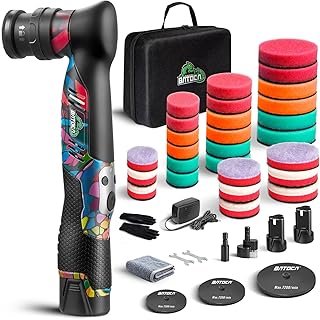


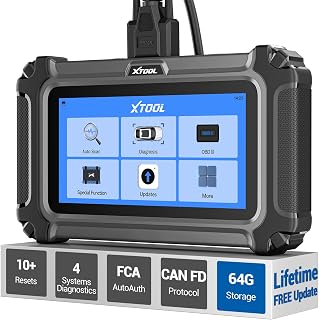


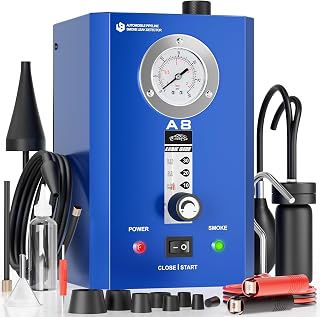


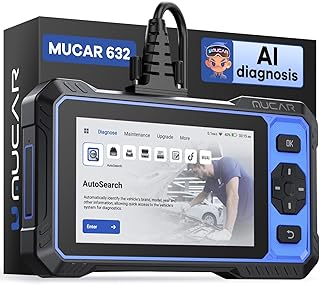




Choosing car tools and equipment is less about buying the largest toolbox or the most heavily marketed device and more about matching the equipment to the jobs you actually expect to perform. A Canadian driver who only handles routine maintenance needs a different setup from someone who performs brake work, electrical diagnostics, seasonal tire changes, detailing, or more extensive repairs at home.
For 2026, a practical buying approach is to compare tool quality, compatibility, dimensions, power requirements, materials, safety features, storage, warranty terms stated by the manufacturer, and verified customer feedback before purchasing. Availability and pricing can change, so Canadian shoppers should also confirm the current product specification and retailer information at the time of purchase.
A smart buy is not necessarily the cheapest automotive tool. It is equipment that provides an appropriate combination of capability, durability, usability, compatibility, and value for the work involved.
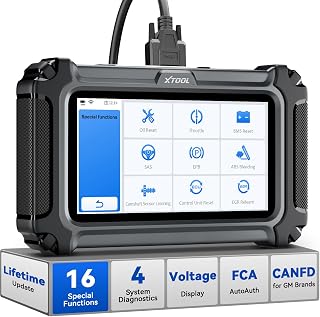
An OBD2 diagnostic scanner can be one of the most useful electronic tools for identifying fault codes and understanding warning lights. However, not every scanner provides the same level of information. Basic code readers may focus primarily on generic powertrain codes, while more advanced scan tools can provide additional data, live parameters, system-specific diagnostics, or service functions depending on the vehicle and device.
Canadian buyers should check whether a scanner supports the exact vehicle and model year they own. A device advertised as supporting a particular diagnostic standard should not automatically be assumed to provide every manufacturer-specific function. Features such as ABS, airbag, transmission, battery-management, service-reset, or advanced bidirectional functions may require explicit support.
Brands such as Autel, Launch, Innova, Bosch, and BlueDriver are commonly associated with automotive diagnostic equipment. The important comparison is not simply the brand name but the precise model, supported systems, software features, update policy, and compatibility.
A torque wrench is particularly useful when fasteners need to be tightened to a specified torque rather than simply made tight by feel. This is important for many automotive applications where incorrect tightening can cause component damage, loosening, distortion, or other problems.
Compare the torque range with the jobs you expect to perform. A single wrench may not cover every automotive requirement. Drive size also matters because a compact wrench designed for smaller fasteners is not automatically suitable for high-torque applications.
A socket set forms the foundation of many automotive tool collections. Instead of judging a set solely by the number printed on the package, examine the actual socket sizes, drive sizes, extensions, ratchet mechanism, socket depth, and included accessories.
For Canadian vehicle owners, a combination of metric sizes is generally important because many modern vehicles use metric fasteners. However, the correct selection depends on the vehicle and the work being performed.
Useful features can include six-point sockets for improved engagement on suitable fasteners, deep sockets for extended studs, extensions for recessed fasteners, universal joints for angled access, and impact-rated sockets when used with compatible impact tools.
Cordless impact tools can substantially reduce the physical effort required for suitable automotive tasks. When comparing them, look beyond advertised maximum torque. Real-world usefulness also depends on battery platform, tool size, speed settings, control, weight, anvil size, ergonomics, and access to replacement batteries.
Battery ecosystems are especially important. If you already own compatible tools from a platform such as DEWALT, Milwaukee, Makita, Bosch, or Ryobi, remaining within that ecosystem may reduce the need for additional chargers and batteries. Compatibility should always be verified by exact model and battery generation rather than assumed from brand similarity.
Impact tools should be paired with accessories specifically rated for impact use where required. Standard chrome sockets are not automatically interchangeable with impact-rated sockets for powered impact applications.
Jacking equipment deserves particular attention because it directly affects vehicle lifting safety. A floor jack should have sufficient capacity for the vehicle and appropriate lifting range for the intended application. Jack stands should likewise be properly rated and positioned according to the vehicle manufacturer's service instructions.
A common buying mistake is selecting equipment based only on the vehicle's approximate weight. Buyers should also consider ground clearance, maximum lifting height, saddle design, chassis access, storage space, and the surface on which the equipment will be used.
A hydraulic floor jack is a lifting device, not a substitute for properly rated jack stands when the vehicle must remain raised. Never work underneath a vehicle supported only by a floor jack.
Canadian winters can place additional demands on vehicle batteries, particularly when vehicles spend long periods outside or make frequent short trips. A suitable battery maintainer can be useful for vehicles that are stored for extended periods, while a portable jump starter can provide a convenient emergency option when a battery becomes discharged.
Compare battery chemistry compatibility, voltage, charging modes, current output, protection features, cable length, storage requirements, and operating temperature specifications. Do not assume that a jump starter suitable for a compact passenger car is equally appropriate for a large truck, diesel vehicle, recreational vehicle, or other high-demand application.
Portable tire inflators are useful for maintaining tire pressure at home or while travelling. The key specifications include maximum stated pressure, inflation speed, power source, hose length, connector design, pressure display, automatic shutoff, and compatibility with the vehicle's electrical system.
A separate quality tire-pressure gauge can also be worthwhile because tire pressure has a direct relationship with vehicle handling, tire wear, and efficiency. Always use the vehicle manufacturer's recommended cold tire pressure rather than relying on the maximum pressure printed on the tire sidewall.
A digital multimeter can help with basic electrical measurements such as voltage, resistance, and continuity when used correctly. More advanced automotive electrical testing may require additional equipment and knowledge.
For automotive use, buyers should pay attention to measurement ranges, input protection, probe quality, display readability, fuse protection, continuity response, and the manufacturer's stated safety specifications. A low-cost meter is not automatically suitable for every automotive electrical diagnostic task.
Good lighting is often an overlooked part of a home garage. A bright inspection light can make it easier to identify leaks, inspect fasteners, read labels, work inside engine compartments, and locate components underneath a dashboard or vehicle.
Useful features include adjustable brightness, a focused or wide beam, magnetic mounting, flexible positioning, rechargeable batteries, impact resistance, and a form factor suited to tight spaces. A light that can be securely positioned may be more useful than one that simply has a higher advertised brightness figure.
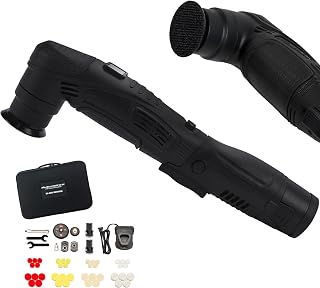
Car-care equipment ranges from microfiber towels and brushes to pressure washers, wet/dry vacuums, polishers, extractors, and specialized cleaning tools. The correct choice depends on whether the objective is routine interior cleaning, exterior washing, paint correction, upholstery cleaning, or long-term vehicle care.
For paint-sensitive surfaces, buyers should consider the material and intended use of towels, brushes, pads, and other accessories. Cleaning tools should be used according to the vehicle manufacturer's recommendations and the instructions supplied with the detailing chemicals or equipment.
Product titles can contain broad marketing terms such as professional, heavy-duty, high-performance, universal, advanced, or premium. Those descriptions are less useful than measurable specifications.
Before purchasing, compare the actual capacity, dimensions, weight, operating range, power source, included accessories, compatible systems, material, and manufacturer documentation.
Two products may appear similar while having substantially different package contents. One tool may include multiple adapters, extensions, batteries, storage cases, or accessories, while another may require those items to be purchased separately.
Review the current package contents carefully, especially when comparing kits and bundles. A larger accessory count does not automatically indicate better value if many of the accessories are rarely useful for your vehicle.
Long-term ownership can depend on whether commonly worn components can be replaced. Depending on the category, these may include batteries, filters, brushes, hoses, cables, sockets, cutting discs, polishing pads, seals, or other accessories.
A tool with readily available compatible consumables may be more practical over several years than a product that becomes difficult to maintain after a small component wears out.
Canada's climate makes environmental conditions an important consideration for automotive equipment. Cold temperatures can affect batteries, lubricants, plastics, displays, hydraulic equipment, and electronic devices. A tool stored in an unheated garage may experience conditions very different from one kept indoors.
A beginner does not need to purchase every automotive tool at once. A carefully selected foundation can handle many routine tasks while leaving specialized equipment for later.
Once these basics are covered, buyers can add specialty tools according to actual maintenance needs rather than purchasing a large collection of rarely used equipment.
DIY maintenance can include simple inspections, fluid checks, battery maintenance, tire-pressure checks, filter replacement, basic mechanical work, and other tasks that are appropriate for the owner's skill level and vehicle documentation.
The smartest tool investment is usually the one that supports recurring maintenance. For example, someone who regularly checks tire pressure may benefit more from a reliable inflator and gauge than from a specialized tool that will only be used once.
Before beginning any maintenance task, consult the vehicle owner's manual and, where appropriate, manufacturer-approved service information. Vehicle-specific procedures can vary substantially even between similar models.
Garage space should influence buying decisions. A large rolling tool cabinet may provide excellent organization but may be impractical in a small garage. Likewise, a long-handled floor jack may offer useful lifting capability but require more storage space.
Compact modular storage, wall-mounted organization, stackable cases, and tool bags can be useful where floor space is limited. When comparing storage solutions, consider whether the layout allows frequently used tools to be reached quickly and whether heavy equipment can be stored securely.
Power tools can save time, but they should not replace hand tools in every situation. An impact wrench may be excellent for suitable removal or installation work, while a hand ratchet can provide more controlled operation in delicate or confined applications.
When final tightening must meet a specified torque, use the appropriate torque-control method rather than relying on the maximum output of an impact tool. The manufacturer's instructions for both the vehicle and the tool should determine the correct procedure.
Metric tools are highly relevant to modern Canadian vehicles, but the exact fastener standards used by a particular vehicle depend on its manufacturer, model, components, and production specifications. Some vehicles and equipment may still involve SAE or mixed-size requirements.
If you service multiple vehicles, compare the cost and usefulness of maintaining both metric and SAE tool coverage. For a single modern vehicle, a carefully selected metric set may cover most routine work, but buyers should confirm the sizes required before purchasing.
Automotive tools experience repeated mechanical loads, exposure to oil and contaminants, and occasional high-force applications. Construction quality therefore matters more than superficial appearance.
Common material descriptions include chrome vanadium steel and chrome molybdenum steel. Their suitability depends on the application and manufacturing process. Impact sockets, for example, are specifically designed for powered impact applications and should not be treated as interchangeable with ordinary chrome sockets simply because both fit the same fastener.
For hand tools, buyers should also consider machining quality, fit, surface finish, markings, joint tolerances, and handle construction. For electronic equipment, build quality includes connectors, buttons, displays, cables, probes, and protective housing.
A 200-piece kit can sound attractive, but the headline piece count may include many small accessories that do not provide meaningful value for your needs. Compare the individual components rather than focusing on the total number of pieces.
This is particularly important for diagnostic scanners, battery equipment, specialty adapters, and electronic tools. Always check compatibility using the exact vehicle details and the manufacturer's current compatibility information.
A technically capable tool can still be frustrating if it is excessively heavy, difficult to position, awkward to grip, or poorly suited to confined automotive spaces.
Some tools have a direct relationship with safety or component integrity. Jacking equipment, torque-control tools, electrical test equipment, and tools used around rotating or high-energy systems deserve particularly careful evaluation.
Higher output is not automatically better for every automotive task. Excessive force can damage fasteners, threads, components, or tooling. The appropriate capability is the one that matches the application and allows controlled use.
For cordless equipment, the initial tool price may not tell the full story. Compare whether batteries and chargers are included, which battery platform is used, and whether the same batteries can support other tools you may reasonably purchase later.
Customer reviews can provide useful information, but they should be evaluated carefully. A high rating alone does not establish that a tool is appropriate for your particular application.
Professional technicians may use tools differently from occasional DIY owners. A workshop can require equipment capable of repeated daily use, fast workflow, extensive compatibility, specialized diagnostics, and rapid access to replacement components.
A home user may place greater importance on versatility, storage, ease of use, and cost relative to frequency of use. Neither category is universally better. The appropriate choice depends on workload, skill level, maintenance requirements, and expected ownership period.
There is no single appropriate budget for automotive tools because the requirements vary significantly. A basic hand-tool collection can be built gradually, while a complete home-garage setup involving diagnostic equipment, lifting equipment, cordless tools, specialty tools, and storage can require substantially more investment.
A useful approach is to divide purchases into three groups:
This approach can prevent spending heavily on equipment that remains unused for most of the year.
Automotive emergency equipment is different from a garage tool collection. Vehicle-based equipment should prioritize compact size, reliability, ease of storage, and usefulness during unexpected situations.
Canadian drivers should also consider the season and the type of roads they regularly travel. Emergency equipment for a long winter journey may need to be considerably more comprehensive than the equipment required for short urban trips.
Online comparison makes it easier to evaluate several automotive tools, but Canadian shoppers should confirm the current listing information before purchasing. Product pages can change, and different retailers may sell different versions or bundles under similar names.
Before completing a purchase, verify the exact model number, included accessories, manufacturer specifications, applicable voltage, dimensions, compatibility, warranty information, return conditions, and current total cost.
When comparing marketplace listings, be particularly careful with products that have similar names but different generations or configurations. The product title alone may not identify every specification that matters.
Brand reputation can be a useful starting point, but it should never replace product-level comparison. Depending on the category, Canadian buyers may encounter established names such as DEWALT, Milwaukee, Makita, Bosch, Stanley, Craftsman, Husky, GearWrench, Klein Tools, Kobalt, Ryobi, Autel, Launch, Innova, Schumacher, NOCO, and Meguiar's.
Not every brand makes every type of automotive equipment, and products within the same brand can differ significantly. Compare the exact model, specifications, intended application, included equipment, and current customer feedback rather than selecting a product solely because of its logo.
Automotive repair involves hazards including moving components, hot surfaces, pressurized systems, electrical energy, chemicals, heavy components, and elevated vehicles. Tool selection should therefore be accompanied by appropriate safety practices.
Oil, dirt, moisture, and road contaminants can accelerate corrosion and reduce grip. Wipe tools after use and store them in a dry environment.
Check sockets, extensions, ratchets, breaker bars, jacks, stands, cables, and other equipment for visible damage before applying substantial force or load.
Torque-control equipment should be stored and maintained according to the manufacturer's instructions. Calibration requirements vary by product, so consult the relevant documentation rather than assuming that every torque wrench follows the same maintenance schedule.
Use and store batteries according to the manufacturer's instructions. Avoid exposing them to unsuitable temperatures, moisture, physical damage, or incompatible chargers.
Good organization reduces unnecessary handling and makes it easier to identify damaged or missing tools. Keeping sockets and accessories in clearly labeled storage can also reduce the chance of using the wrong component.
The most economical strategy for many DIY vehicle owners is incremental purchasing. Start with tools that support regular maintenance, then add specialty equipment when a genuine need appears.
This strategy also gives buyers an opportunity to learn which tools they actually use before committing to larger kits or specialized equipment.
A basic metric socket and ratchet set, combination wrenches, screwdrivers, pliers, a suitable torque wrench, tire-pressure gauge, tire inflator, inspection light, and basic multimeter can provide a strong starting point. The ideal selection depends on the vehicle and the maintenance work the owner plans to perform.
No. Price alone does not determine suitability. A more expensive tool may offer greater durability or additional capabilities, but those advantages matter only if they are relevant to the intended use. Compare specifications, construction, compatibility, ergonomics, included accessories, and customer feedback.
A complete set can be convenient when you are starting from scratch, but compare the actual contents carefully. A smaller set containing the sizes and accessories you regularly need can be better value than a larger kit filled with components you rarely use.
They can be worthwhile for people who perform regular automotive work and value speed and portability. The decision should account for the battery platform, included batteries and chargers, tool weight, power requirements, operating modes, and the types of jobs you expect to perform.
An OBD2 scanner can be useful for understanding diagnostic trouble codes and monitoring certain vehicle information, but capabilities vary substantially. Check the exact scanner's supported vehicle systems and functions before buying it.
Consider rated capacity, lifting range, minimum height, maximum height, saddle design, construction, stability, maneuverability, storage requirements, and compatibility with your vehicle. Always use lifting equipment according to the manufacturer's instructions and support a raised vehicle with appropriately rated equipment when required.
Impact sockets are designed for use with compatible impact tools and are constructed for the stresses associated with those applications. Standard chrome sockets are intended for hand-tool use and should not automatically be substituted for impact-rated accessories.
Many modern vehicles use metric fasteners, but requirements vary by vehicle and component. If you service multiple vehicles or older equipment, having additional sizes or standards may be useful. Check the specific vehicle before deciding what your collection requires.
There is no universal replacement interval. Replace or remove from service any tool that becomes damaged, excessively worn, cracked, distorted, or otherwise unsuitable for safe use. Certain precision tools may also require inspection or calibration according to manufacturer guidance.
Compare exact model numbers rather than product titles, examine the specifications and package contents, consider the expected frequency of use, read relevant verified customer feedback, and check current Canadian pricing and retailer conditions before purchasing.
The best automotive tool purchase is the one that fits the vehicle, the task, the user's experience level, and the expected frequency of use. A well-chosen socket set, torque wrench, diagnostic device, tire inflator, battery tool, lifting solution, or cordless power tool can become a long-term part of a home garage, but only when its specifications match the work.
For 2026, Canadian shoppers should prioritize exact compatibility, credible specifications, appropriate construction, safety, ergonomics, maintenance requirements, and long-term ownership value rather than choosing solely on headline discounts or piece counts. Compare the exact products available at the time of purchase, review current customer feedback, verify what is included, and check the latest Canadian retailer information before making a final decision.
Whether the goal is routine vehicle maintenance, seasonal tire preparation, roadside preparedness, DIY repairs, detailing, or building a more capable home garage, a methodical comparison usually produces a better buying decision than simply choosing the cheapest or most heavily marketed option.