

♥ Wishlist
Compare 25 Womens Slippers for Comfortable Everyday Wear in Canada products in Canada. Reviews, ratings, pros, cons and buying advice updated for October 2026.


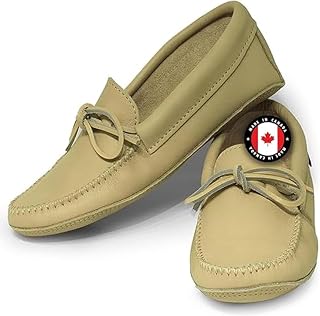


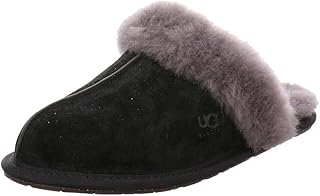


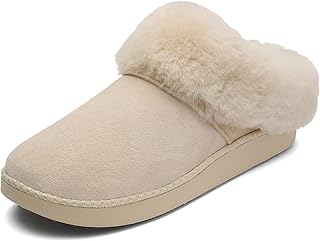
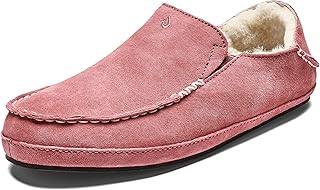
Finding the right pair of women's slippers is about more than choosing a soft lining or an attractive colour. A good slipper should match the way it will be used, the type of flooring in the home, the season, and the level of support required. Canadian shoppers also need to consider colder indoor temperatures, winter footwear habits, traction on smooth floors, and whether a slipper is suitable for occasional outdoor use.
When comparing women's slippers, look beyond the headline discount. Examine the materials, outsole construction, footbed, heel design, closure system, sizing information and care requirements. A lower-priced pair is not necessarily the better value if it lacks the support, durability or fit needed for regular wear.
Closed-toe slippers are a versatile choice for everyday indoor wear. They cover more of the foot than open-back designs and can provide useful warmth during Canada's cooler months. They are particularly suitable for bedrooms, living areas and home offices where comfort is the main priority.
Look for a secure heel area, comfortable upper material and an outsole that provides adequate grip. If you intend to wear them for extended periods, a structured footbed can be more useful than an exceptionally thick but poorly supportive cushion.
Moccasin-style slippers combine a casual appearance with a relatively enclosed construction. They can work well for shoppers who want something warmer than a simple slide without choosing a heavily insulated winter slipper.
Brands such as Minnetonka, Clarks and UGG offer styles in this general category. However, construction varies between individual products, so compare the actual materials and sole design rather than choosing solely by brand name.
Mule slippers are convenient because they can be put on quickly without adjusting laces or fasteners. They are useful for short trips around the home and for people who prefer an open heel.
The main trade-off is security. A loose mule can move around the foot when walking quickly or using stairs. Check the shape of the opening and the depth of the footbed to determine whether the design is likely to stay comfortably in place.
Slipper boots extend higher around the ankle and are designed primarily for warmth. They can be especially appealing during cold Canadian winters or in homes where floors become chilly.
Because the additional material can make them warmer and more structured, they may feel less convenient than low-profile slippers. Check the shaft height, lining and ease of entry before buying.
Open-toe slippers allow more airflow and can be useful in warmer indoor conditions. They are easy to put on and remove, making them convenient for quick household tasks.
They are generally less suitable when maximum warmth is the priority. If you live in a colder environment or want slippers specifically for winter mornings, compare them with closed-toe alternatives.
The upper affects comfort, flexibility, appearance and maintenance. Common choices include textile fabrics, synthetic materials, suede-style finishes, leather and other blends.
Do not assume that a particular material is automatically better. The quality of construction, stitching, lining and outsole also influences how a slipper performs over time.
The lining is particularly important for Canadian shoppers looking for warm slippers. Fleece, faux fur, wool blends and textile linings can create very different sensations against the skin.
A heavily lined slipper may feel extremely warm initially but can become uncomfortable in a heated room. Consider the temperature of your home and whether you normally wear socks with your slippers.
Cushioning can make a noticeable difference during prolonged indoor wear. However, softness should not be confused with support. A footbed that compresses heavily may feel comfortable for short periods but provide less structure during extended use.
When comparing products, look for clear information about the footbed construction. Features such as contoured shapes, removable insoles or structured midsoles can be relevant depending on your personal preferences.
Arch support is an important consideration for shoppers who expect to wear slippers for several hours at a time. Some slippers have relatively flat interiors, while others use a more contoured footbed.
If support is a priority, compare the shape of the footbed instead of relying on phrases such as “comfort” or “cushioned.” Product descriptions and customer reviews can help clarify how structured a particular model feels.
The outsole determines how the slipper interacts with flooring. Rubber and rubber-like compounds are commonly used when grip and durability are priorities.
Pay attention to the outsole pattern rather than simply checking whether a product says “non-slip.” A textured tread can be useful on smooth indoor surfaces, although no slipper can eliminate every risk of slipping.
A flexible slipper can feel natural during ordinary household walking. Excessive flexibility, however, may not suit shoppers who prefer a more structured sole.
Think about how you walk and where you intend to use the slippers. A flexible house slipper may be ideal for relaxed indoor wear, while a firmer design may be preferable for people who frequently move around the house or occasionally step outdoors.
Winter slipper shopping in Canada requires more attention to insulation than shopping for slippers in a warm climate. Cold floors can make lightweight footwear uncomfortable, particularly in bedrooms, basements and rooms with hard flooring.
For colder conditions, compare closed-toe construction, ankle coverage, lining thickness and outsole insulation. A slipper with a thick upper but a thin sole may still allow considerable cold transfer from the floor.
For milder conditions, an excessively insulated slipper may be unnecessary. A breathable textile upper or lighter lining can provide a better balance when indoor heating keeps rooms warm.
Slippers are frequently worn on hardwood, laminate, tile and other smooth household surfaces. Traction therefore deserves serious consideration, particularly for people who move between different rooms throughout the day.
Wet floors can remain slippery even when footwear has a textured outsole. Slippers should therefore be considered indoor comfort footwear rather than a substitute for appropriate outdoor winter footwear.
Some Canadian shoppers want one pair that can move between the house, porch, garage and nearby outdoor areas. If this is your goal, pay close attention to the outsole.
A soft house slipper with a thin sole may be excellent indoors but unsuitable for rough surfaces, moisture or outdoor temperatures. A more substantial outsole can provide greater versatility, but it may also make the slipper heavier and less flexible.
Brands such as Crocs, Skechers, Vionic and UGG have different types of casual comfort footwear, but individual models should always be evaluated according to their construction and intended use.
Slipper sizing can be surprisingly important because different constructions fit differently. A soft slipper may feel forgiving, while a structured mule or slipper boot may require a more precise fit.
The heel should not slide excessively, and your toes should have enough room to sit naturally without being pressed against the front. For lined slippers, remember that thick interiors can reduce usable internal space.
Width can be just as important as length. Some slipper designs naturally accommodate more foot volume because of their flexible upper, while structured styles may feel narrower.
If you need additional room, examine whether the manufacturer provides specific width options. Adjustable straps, flexible uppers and wider toe areas can also affect the overall fit.
Do not rely solely on the word “roomy” in a product description. Compare measurements and read recent customer feedback about fit where available.
Textile slippers are often chosen for their soft feel and casual comfort. They can work particularly well as everyday house footwear, although cleaning instructions vary by construction.
Wool is associated with warmth and temperature regulation, making wool-based slippers appealing for colder environments. The exact feel depends on the blend, lining and construction.
Suede-style uppers offer a classic appearance and can provide a more substantial feel than lightweight fabric. Care requirements should be checked before purchase, especially if the slippers are likely to encounter moisture.
Leather can provide a structured, durable upper when properly constructed and maintained. It may also develop a different appearance with use. Always check the exact material specification because “leather look” and genuine leather are not interchangeable descriptions.
Brand recognition can help narrow a large selection, but it should not replace model-level comparison. Different brands and product lines can use substantially different constructions.
These brands should be treated as starting points for comparison rather than automatic recommendations. The best choice depends on the specific model, current specifications, sizing, materials and your intended use.
Prioritize a comfortable footbed, dependable traction, breathable construction and a fit that remains secure while walking around the house. Excessive insulation may not be necessary if your home is consistently warm.
Look for enclosed toes, adequate lining, a reasonably insulated sole and enough room for comfortable wear. A slipper boot can be considered if ankle coverage is important.
People working from home may wear slippers for many hours. In this situation, cushioning, footbed shape, stability and breathability can matter more than decorative details.
Focus on outsole traction and stability. A textured rubber outsole can be more appropriate than a very soft fabric bottom when walking frequently across smooth flooring.
Choose a slipper-style shoe with a more substantial outsole if the manufacturer indicates that the design is suitable for outdoor use. Consider moisture resistance and sole durability as well.
A slipper can look attractive while providing poor support or an insecure fit. Style should be considered alongside construction and intended use.
Maximum softness is not automatically maximum comfort. If you wear slippers for long periods, footbed structure and stability may be more important than plushness alone.
Length alone does not determine fit. A slipper can be the correct length and still feel uncomfortable if the toe box or midfoot is too narrow.
Rubber outsole material does not tell the whole story. Tread depth, pattern, flexibility and overall construction also influence how footwear behaves on different surfaces.
A slipper that fits perfectly barefoot may feel tight with thick winter socks. Think about how you will actually wear the product before choosing your size.
Some slippers are easier to clean than others. Check whether the product is machine washable, spot clean only or requires specific care. This can become important when slippers are worn every day.
A discount is useful only when the underlying product meets your requirements. When comparing women's slipper deals, consider the complete value rather than the displayed percentage reduction.
Prices, promotions, stock levels and available colours can change. Always verify current information before placing an order.
Customer reviews can provide useful information, but individual experiences should not be treated as universal product tests. Look for patterns rather than isolated comments.
Pay particular attention to repeated feedback about sizing, width, sole stiffness, warmth, shedding, lining compression and durability. Reviews that explain how and where the slippers were used are generally more useful for comparing suitability.
Recent reviews can also reveal whether a product variation differs from an older version. Confirm that the reviews correspond to the exact model and size you are considering.
Fall often calls for moderate warmth rather than maximum insulation. Mid-weight fleece or textile slippers can provide a practical balance between comfort and breathability.
Winter is when enclosed designs, warm linings and substantial outsoles become more valuable. If your floors are cold, pay attention to sole thickness as well as the upper lining.
As indoor temperatures rise, lighter slippers can become more comfortable. Breathable materials and less insulation may be preferable.
Open-back or open-toe styles can be more suitable for warm weather. Lightweight construction can reduce the feeling of excessive heat during indoor use.
Proper care can help preserve comfort and appearance. The correct method depends on the material, so always follow the manufacturer's instructions for the specific pair.
Long-term value comes from the combination of comfort, durability, fit and suitability. A slipper that costs less initially may not represent good value if it becomes uncomfortable quickly or does not match your intended use.
Conversely, a premium-priced slipper is not automatically the best investment. Compare construction details and actual requirements before paying more for a particular material, brand or design feature.
For frequent wear, prioritize the features you will notice every day: fit, footbed comfort, outsole stability, warmth and material quality. Decorative details should come after these fundamentals.
The best women's slippers for Canada depend on the season, indoor temperature, flooring and personal comfort preferences. For winter, warmth and sole insulation may be priorities, while lighter slippers can be preferable during warmer months.
Price alone does not determine quality. Compare materials, footbed construction, outsole design, fit, durability indicators and care requirements before deciding whether a higher-priced model offers enough additional value.
Closed-toe slippers and slipper boots with insulating linings generally provide more coverage than open slides. Warmth also depends on the lining, upper, sole and fit.
A rubber or rubber-like outsole can provide useful traction and durability, particularly on smooth indoor floors. However, the tread pattern and overall sole construction matter as much as the basic material.
Some slipper-style footwear is designed for occasional outdoor use, while traditional house slippers are intended primarily for indoor surfaces. Check the individual product's intended use and outsole construction before wearing it outdoors.
They should feel secure without squeezing the toes or creating excessive pressure across the foot. The heel should not slide excessively, and there should be enough room for normal foot movement.
Not automatically. Thick lining can reduce internal space, but sizing up too much can create an unstable fit. Check the manufacturer's sizing guidance and consider whether you will wear socks.
Prioritize a stable fit and an outsole with an appropriate textured tread. Smooth or worn soles can provide less useful traction on hard flooring.
Memory foam can provide cushioning, but cushioning and support are different characteristics. Examine the complete footbed design if support is important to you.
There is no universal replacement schedule. Consider replacing them when the outsole is significantly worn, traction has deteriorated, the footbed has become heavily compressed, or the upper no longer provides a secure fit.
The smartest way to compare women's slipper deals is to begin with your actual needs rather than a discount percentage or a popular style. Decide where the slippers will be worn, how warm they need to be, how much walking you will do, whether you need outdoor versatility and what type of support feels appropriate.
Then compare the construction of individual products. Examine the upper, lining, footbed, outsole, sizing and care requirements. Consider established brands such as UGG, Clarks, Vionic, Skechers, Crocs, Dearfoams, RockDove and Minnetonka as comparison points, while judging each specific model on its own specifications.
For Canadian shoppers, seasonal conditions make warmth and traction particularly relevant, but the ideal slipper remains highly personal. Use verified customer feedback to identify recurring fit or quality concerns, compare current specifications and prices, and review retailer policies before purchasing. A thoughtful comparison is more valuable than choosing a slipper simply because it has the biggest advertised deal.