

♥ Wishlist
Compare 55 Teeth Grinding Guards for Nighttime Protection products in Canada. Reviews, ratings, pros, cons and buying advice updated for October 2026.


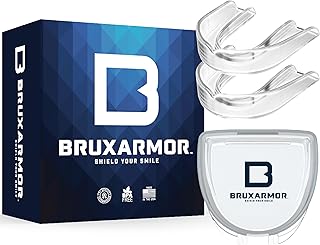


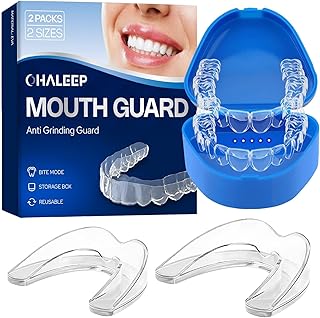


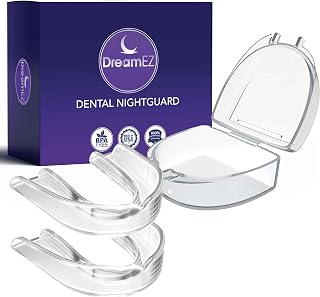


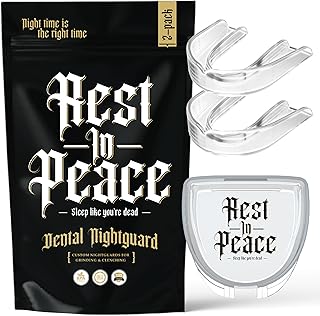


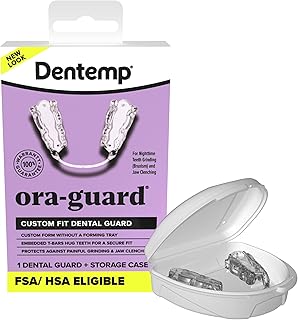


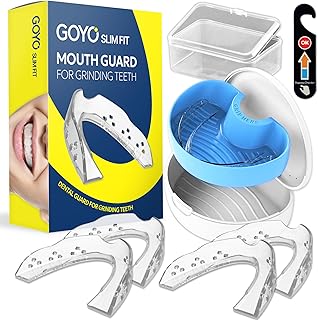
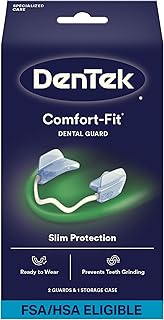


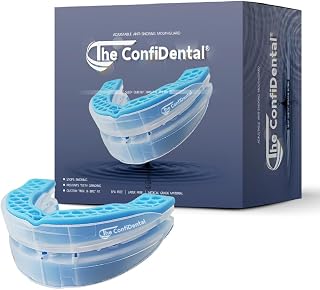


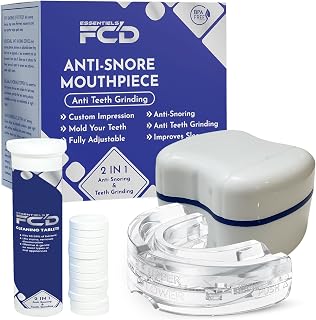
Choosing a teeth grinding guard is not simply a matter of selecting the cheapest mouthguard. The right option depends on how it fits, how you intend to use it, the material construction, your comfort preferences, and whether you need a temporary over-the-counter solution or professional dental guidance.
For Canadian shoppers comparing teeth grinding guards in 2026, product descriptions should be examined carefully rather than relying on marketing claims alone. A guard designed for sports protection, for example, is not automatically the right choice for nighttime teeth grinding. Likewise, a very soft guard may feel comfortable initially but may not suit every user or every grinding pattern.
When comparing products, consider the intended purpose, fitting method, thickness, retention, material, cleaning requirements, replacement considerations, and whether the product is compatible with your dental situation. Brands such as DenTek, Oral-B and Plackers are among the names shoppers may encounter when researching oral-care products, but the brand alone should not determine the purchase.
Boil-and-bite guards are designed to be softened in hot water so the material can be shaped around the teeth. This approach can provide a more individualized fit than a basic stock guard.
The fitting procedure matters. Water temperature, heating time and molding instructions vary between products. Overheating or incorrectly molding a guard can affect its shape and usability. Always follow the manufacturer's instructions supplied with the specific product.
This category can appeal to shoppers who want a relatively straightforward at-home fitting process without immediately ordering a professionally fabricated appliance.
Ready-to-wear guards require little or no molding. Their main advantage is simplicity. They can be useful for shoppers who prioritize convenience and want to avoid a fitting procedure.
The trade-off is that a generic shape may not fit every mouth equally well. Retention, bulk and comfort should therefore receive particular attention when comparing models.
Professionally fitted dental guards are made using information about an individual's teeth and bite. They generally cost more than mass-market alternatives, but professional assessment can be important when grinding is persistent, severe, painful or associated with other dental concerns.
A consumer buying guide should distinguish between an inexpensive over-the-counter mouthguard and an appliance selected or fabricated with dental involvement. They are not necessarily interchangeable solutions.
Construction can influence how a guard feels and how it handles repeated use. Single-layer designs may prioritize simplicity, while multi-layer construction can combine different material characteristics within the same appliance.
Do not assume that more layers automatically mean a better product. Look at the actual specifications, intended use and fitting design instead of judging quality from construction terminology alone.
Soft and hard guards can feel substantially different in the mouth. Soft materials may appeal to shoppers who place a high priority on cushioning and flexibility. Harder appliances can provide a different bite experience and are often associated with professionally designed dental appliances.
There is no universal material that is ideal for every person. A guard should be selected according to the intended application and individual circumstances rather than simply choosing whichever material sounds strongest.
If wearing a guard increases jaw discomfort, causes persistent irritation, changes your bite, or produces other concerning symptoms, stop using it and seek advice from a dentist or other appropriate healthcare professional.
A poorly fitting guard can be frustrating even when the product has otherwise favorable specifications. A guard that feels too bulky may make sleeping difficult. One that does not remain securely positioned may require frequent adjustment. Excess material can also affect comfort.
Before purchasing, examine how the product is intended to stay in place. Some designs depend on molding around the teeth, while others rely on their predetermined shape. Read fitting instructions before opening or modifying a product, particularly when the fitting process is irreversible.
Customer feedback can be useful for identifying recurring comments about fit, molding difficulty, bulkiness and durability. However, individual experiences are not a substitute for professional dental advice, and reviews should be interpreted alongside the manufacturer's specifications.
Shoppers who want a straightforward solution may prefer a boil-and-bite design. The main consideration is whether the molding procedure is manageable and whether the resulting fit is comfortable.
A ready-to-wear guard can reduce preparation time. This makes the fitting process simpler, although shoppers should pay close attention to dimensions and retention.
People with complicated dental histories, significant jaw symptoms or ongoing concerns may benefit from discussing options with a dentist instead of relying solely on an over-the-counter product.
Price should be considered alongside construction, fitting method, care requirements and expected replacement needs. A low purchase price does not necessarily represent better long-term value if the product is uncomfortable or unsuitable.
Sports mouthguards and nighttime grinding guards serve different purposes. A sports mouthguard is primarily intended to protect the mouth from physical impact. A product intended for bruxism should be evaluated according to its stated purpose and fitting design.
The least expensive product may look attractive, but price alone provides little information about fit, material or usability. Compare the complete specification before deciding.
Crowns, bridges, implants, braces, retainers and other dental appliances can change what type of mouthguard is appropriate. Check the product instructions and consult a dental professional when compatibility is uncertain.
Thickness affects how an appliance occupies space in the mouth. More material does not automatically produce a better experience. Compare the manufacturer's stated design specifications and consider comfort alongside protection.
A reusable mouthguard needs appropriate cleaning and storage. Before buying, make sure you understand the manufacturer's care instructions and whether the required routine is practical for your lifestyle.
Persistent rubbing, significant discomfort, difficulty keeping the guard positioned, or changes in how your teeth meet should not simply be ignored. A mouthguard is not a reason to tolerate ongoing pain or worsening symptoms.
When several products appear similar, create a short comparison based on the specifications that actually affect your decision. Start with intended use and fitting method. Then examine material, thickness, design, care instructions and replacement guidance.
Fitting is one of the most important stages when purchasing a moldable guard. Read the complete instructions before beginning. Different materials can require different heating times and water temperatures, so generic fitting advice should not replace the instructions supplied with the product.
Prepare the required equipment before starting and follow each step carefully. The objective is to create the intended shape without damaging the material. If the manufacturer's instructions allow only a limited number of remolding attempts, take particular care during the first fitting.
After fitting, check the appliance according to the manufacturer's instructions. It should feel appropriately positioned rather than excessively loose or uncomfortable. If the product cannot be fitted correctly, consult the manufacturer or a dental professional as appropriate instead of repeatedly modifying it.
Reusable teeth grinding guards should be maintained according to their manufacturer's care instructions. After use, cleaning and drying help keep the appliance in suitable condition. Avoid using cleaning methods that are not approved for the particular material.
Storage is also important. A guard should be kept in the container or storage system recommended by the manufacturer and allowed to dry as instructed. Keep it away from excessive heat, pets and children.
Inspect the guard regularly for visible changes such as tears, cracks, deformation or substantial wear. Replacement timing varies by product and usage. Follow the manufacturer's recommendations rather than assuming that every guard should be replaced on the same schedule.
An online buying guide cannot determine the cause or severity of teeth grinding. If grinding is persistent, severe or accompanied by jaw pain, tooth damage, headaches, facial discomfort or other symptoms, professional evaluation may be appropriate.
Dental advice can also be particularly important when someone has extensive dental work, orthodontic appliances, significant bite concerns or difficulty finding a comfortable over-the-counter guard.
A mouthguard should not be viewed as a diagnostic device or as a guaranteed solution for every cause of nighttime grinding. The purpose of a consumer product is different from the role of a dental assessment.
Reviews can provide useful information that product specifications do not always communicate. However, shoppers should look for patterns rather than relying on one extremely positive or negative comment.
Ratings can help narrow a shortlist, but they should be considered alongside current specifications and the product's stated intended use.
Recognizable oral-care brands can make product research easier because their product information is often readily available. Names such as DenTek, Oral-B and Plackers may appear during Canadian searches for mouthguards and related oral-care products.
Brand recognition should nevertheless be treated as one comparison factor rather than proof that a particular guard is the right choice. Compare the exact product model, because two products from the same brand can have different materials, fitting systems, intended applications and care instructions.
Canadian shoppers should verify the current listing before placing an order. Product prices, retailer policies, inventory, delivery options and product configurations can change during 2026. A deal displayed on one day may not remain available later.
When comparing online offers, distinguish between the product price and the complete purchase cost. Check shipping charges, taxes where applicable, retailer conditions and the exact model included in the listing.
Also make sure that the Canadian listing corresponds to the product you researched. Similar product names can refer to different sizes, quantities or versions.
A teeth grinding guard is an oral appliance designed to be worn according to its instructions, commonly during sleep, by people seeking protection from the effects of clenching or grinding. Different products have different designs and intended uses.
No. Mouthguards are designed for different purposes. A sports mouthguard is intended for impact protection, while products marketed for nighttime grinding have a different intended application. Always check the manufacturer's stated purpose.
Neither material is universally best. The appropriate choice depends on the individual's circumstances, the appliance design and the intended use. Comfort, fit and dental considerations should all be evaluated.
There is no single replacement schedule that applies to every product. Follow the manufacturer's recommendations and inspect the appliance for wear, damage or changes in shape.
Do not assume that a standard over-the-counter guard is suitable with braces. Orthodontic treatment can require a different approach. Ask your orthodontist or dentist which type of appliance is appropriate.
A mouthguard should not be presented as a guaranteed way to stop the underlying behavior of grinding or clenching. Its intended function depends on the specific product. Persistent grinding should be discussed with a dental professional.
If a guard causes significant or persistent discomfort, irritation, jaw pain or other concerning symptoms, stop using it and seek appropriate professional advice. Do not continue wearing an appliance that appears unsuitable simply because it was already purchased.
No. Price alone does not establish suitability or quality. Compare the fitting method, material, construction, intended use, care requirements and current customer feedback before deciding.
Start by matching the product's intended use to your needs. Then compare fit, material, thickness, construction, cleaning requirements, replacement guidance, compatibility and current retailer conditions. This provides a more useful comparison than looking at price or star ratings alone.
The best teeth grinding guard is ultimately the one that matches the intended use, fits appropriately, is comfortable enough for regular use and suits the user's dental circumstances. There is no single product that should be considered ideal for every Canadian shopper.
Before buying, compare the exact product specifications rather than relying on a product name alone. Read current customer feedback, verify fitting instructions and check today's Canadian price and retailer conditions. If you have significant symptoms, existing dental work or uncertainty about what type of appliance you need, professional dental guidance is more appropriate than choosing solely from an online product ranking.
Use this guide as a framework for commercial comparison, then verify the latest specifications and availability before making your final purchasing decision.