

♥ Wishlist
Compare 56 Finishes, Sealers & Stains for Surface Protection and Enhancement products in Canada. Reviews, ratings, pros, cons and buying advice updated for October 2026.


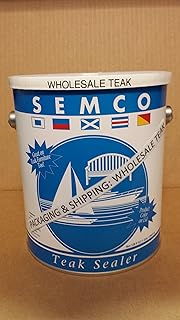


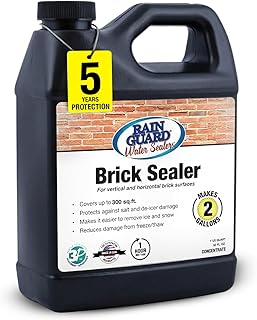


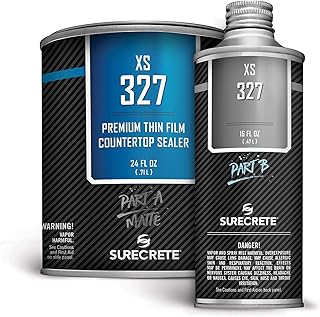


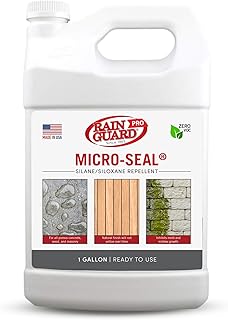








Choosing the right finish, sealer or stain is about more than finding the lowest advertised price. The product must match the material, the intended appearance, the level of protection required and the conditions where the finished surface will be used. A stain that works well on interior furniture may not be appropriate for an exposed deck, while a sealer designed for concrete should not be selected simply because its label promises a durable finish.
For Canadian buyers, the environment deserves particular attention. Outdoor surfaces can experience rain, snow, freezing temperatures, thawing cycles, humidity and significant seasonal temperature changes. Interior projects have different concerns, including drying conditions, ventilation, appearance, odour and resistance to everyday wear. The best buying decision therefore starts with the surface and application rather than the brand or promotional price.
When comparing products from brands such as Minwax, Varathane, Thompson's WaterSeal, Rust-Oleum, Olympic and Cabot, examine the intended application, finish type, preparation requirements, coverage information, drying and recoating instructions, and suitability for the specific material. Always check the current manufacturer instructions and product label before purchasing.
These three product categories are often discussed together, but they serve different purposes. Understanding the distinction makes it much easier to compare products and avoid buying the wrong formulation.
Wood stain is primarily used to change or enhance the colour and visual character of wood. Depending on the formulation, a stain can highlight the natural grain while producing anything from a subtle tint to a deeper, richer appearance.
Stain alone should not automatically be considered a complete protective system. Some products combine staining and protective properties, while others are intended to be followed by a compatible topcoat or sealer. Read the product instructions carefully before combining different coatings.
A finish generally provides a protective or decorative surface layer. Depending on the formulation, finishes may improve resistance to moisture, scratches, abrasion, stains or everyday handling.
Common finish appearances include matte, satin, semi-gloss and gloss. The appearance can dramatically affect the final result, especially on furniture, cabinets, trim and decorative woodworking.
Sealers are generally designed to help protect a surface from moisture, staining, weather exposure or other forms of deterioration. Concrete sealers, masonry sealers and exterior wood sealers can have very different formulations because the substrates behave differently.
A good sealer choice depends on whether the project is indoors or outdoors, whether the surface is horizontal or vertical, and what type of exposure it will receive.
Start by identifying exactly what you are coating. Wood, pressure-treated lumber, plywood, concrete, brick, masonry and previously finished surfaces can require completely different products.
Some projects are mainly decorative, while others are exposed to demanding conditions. If you are refinishing a cabinet or indoor table, colour consistency and sheen may be more important than extreme weather resistance. For an outdoor deck, moisture resistance, durability and maintenance requirements may take priority.
Gloss level affects both appearance and practicality. Glossy finishes can create a more reflective appearance and may make imperfections easier to notice. Satin and semi-gloss finishes can offer a balance between visual appeal and everyday practicality, while matte finishes provide a less reflective appearance.
There is no universally best sheen. The appropriate choice depends on the project, lighting, desired appearance and expected wear.
Coverage figures can help compare products, but they should not be treated as a guaranteed amount for every project. Porous wood, rough concrete, previous coatings, application method and surface preparation can all affect actual coverage.
When comparing two products, look beyond the container price. Consider the amount required for the project, the number of recommended coats and whether a compatible primer or additional topcoat is necessary.
Drying time can affect the total project schedule. Product labels may distinguish between dry-to-touch, recoat and full-cure periods. These are not necessarily the same thing.
Temperature, humidity, airflow and application thickness can influence drying. Outdoor projects can be particularly sensitive to changing Canadian weather conditions, so follow the manufacturer's stated application requirements rather than relying on a generic drying-time estimate.
One of the most important comparisons is the chemistry of the product. Water-based and oil-based formulations can behave differently during application and curing.
Water-based finishes are often selected for their convenient cleanup and relatively quick drying characteristics. They can be practical for many indoor projects where minimizing project downtime is important.
Oil-based stains and finishes can produce a distinctive appearance and are commonly used for projects where deep colour development and a traditional finish are desired.
The best formulation is not determined by one feature alone. Surface compatibility, desired appearance, application conditions and the manufacturer's recommendations should guide the decision.
Interior woodworking includes furniture, cabinets, shelves, doors, trim, tables and decorative projects. These applications typically place greater emphasis on appearance and resistance to everyday handling than on extreme weather protection.
Tables and furniture can experience repeated contact, spills, cleaning and abrasion. A decorative stain may create the desired colour, but a suitable protective finish can be important where the surface receives frequent use.
Pay attention to compatibility between the stain and topcoat. Applying a finish over an incompatible or insufficiently cured underlying product can lead to poor adhesion or an uneven result.
Cabinet projects often require consistency because large visible areas make variations in colour more noticeable. Test the complete finishing system on an inconspicuous area or scrap material before coating the final surface.
For trim, decorative panels and other visible woodworking, sheen and colour can have a major effect on the finished appearance. Consider the surrounding materials, room lighting and existing finishes before selecting a product.
Exterior wood requires more careful product selection because the coating can be exposed to moisture, sunlight and changing temperatures. Canadian outdoor conditions can be particularly demanding because surfaces may experience repeated wetting, drying, freezing and thawing.
Deck products should be evaluated according to the type of deck material, existing coating, desired appearance and exposure level. A horizontal deck receives different wear from a vertical fence because people walk on it and furniture can move across its surface.
Before recoating, determine whether the existing finish should be cleaned, lightly prepared, stripped or otherwise treated according to the new product's instructions.
Fences and exterior wood structures can benefit from products intended for vertical exterior surfaces. However, exposure varies considerably according to orientation, shade, rainfall and surrounding vegetation.
Do not assume that a product suitable for one exterior application is automatically suitable for every exterior wood surface.
Outdoor furniture combines appearance with environmental exposure. Consider whether the furniture is stored seasonally, placed under cover or exposed continuously. The expected maintenance schedule should influence your selection.
Concrete sealing requires a different selection process from wood finishing. The condition and porosity of the concrete, moisture conditions, surface contamination and intended use all matter.
Garage floors can encounter vehicle traffic, dirt, water, chemicals and abrasion. A product intended for a decorative concrete surface may not provide the performance required for a heavily used garage floor.
Outdoor concrete surfaces must withstand weather exposure and foot traffic. Before applying a sealer, determine whether the concrete is new or previously treated and whether the surface is clean, dry and suitable for the selected product.
Some sealers can alter the visual appearance of concrete by changing sheen or enhancing colour. If maintaining a particular appearance is important, review the product documentation and test a small area before completing the project.
Stain opacity is another major buying consideration. The more opaque the product, the more it can influence the original appearance of the substrate.
These options are generally chosen when preserving the natural appearance of the material is important. They can make surface preparation especially important because defects and colour variations remain visible.
Semi-transparent products provide colour while retaining some visibility of the underlying grain or texture. They can be useful when the goal is to balance colour enhancement with a natural appearance.
Solid stains provide much greater colour coverage and can create a more uniform appearance. They may be considered when the existing wood has significant colour variation or when a stronger colour change is desired.
Even a high-quality coating can perform poorly when the substrate is not properly prepared. Surface preparation is one of the most important factors in achieving an even, durable finish.
Do not skip preparation simply because the product description emphasizes easy application. The coating can only perform as well as the surface allows.
A lower container price does not necessarily mean a lower total project cost. Compare coverage, recommended coats, preparation products and the intended service life of the coating.
Interior and exterior formulations are designed for different environmental conditions. Unless the manufacturer specifically indicates outdoor suitability, an interior product should not be assumed to withstand exterior exposure.
Applying a new product over an unknown existing finish can create adhesion and appearance problems. Identify the old coating whenever possible and follow the preparation requirements of the new product.
Wood species, grain, porosity and existing colour can change how a stain appears. A sample application on the same or similar material is a more reliable way to evaluate the expected result.
More coating is not automatically better. Excessive application can affect drying, appearance and final performance. Follow the manufacturer's specified application method and coat thickness.
Exterior coatings should be applied only when conditions meet the product requirements. Rain, high humidity, extreme temperatures and rapid weather changes can interfere with application and curing.
A practical comparison should use the same criteria for every product rather than focusing on one headline feature.
When researching finishes, sealers and stains, established brands can provide a useful starting point for comparison. However, brand recognition should not replace checking the exact product specifications.
Product lines can change over time, and a brand may offer several formulations with very different properties. Always compare the exact product rather than assuming every product from the same manufacturer performs identically.
Prioritize appearance, stain compatibility and resistance to everyday wear. Test the stain colour first and select a compatible protective finish appropriate for the table's expected use.
Focus on exterior suitability, moisture exposure, surface condition, opacity and maintenance requirements. Horizontal walking surfaces generally deserve more attention to wear than decorative vertical surfaces.
Consider the amount of weather exposure, desired opacity and ease of future maintenance. A semi-transparent appearance may suit some projects, while a solid colour may be preferable when greater visual uniformity is desired.
Look for a formulation specifically suited to exterior exposure and the material involved. Consider whether the furniture will be covered or stored when not in use.
Start with the concrete condition and intended use. Compare products specifically formulated for concrete or masonry rather than selecting a wood sealer simply because it is marketed as water resistant.
The coating itself is only part of the finishing system. Application equipment can influence how evenly the product is distributed.
Always use application tools that are compatible with the product and follow the manufacturer's recommendations.
Finishes, stains and sealers should be handled according to their labels and safety documentation. Some products can release vapours during application or curing, while others may require specific protective equipment or disposal procedures.
Uneven colour is a common concern when staining wood. Different boards can absorb stain differently because of grain structure, density and previous treatment.
Preparation should therefore be consistent across the entire project. Sanding to different levels in different areas can produce visible variations. Applying different amounts of stain can also create darker and lighter sections.
When working on a large project, test the complete process on representative material before committing to the entire surface. This is especially useful when working with unfamiliar wood species.
The easiest product to apply today is not necessarily the easiest product to maintain over several years. Think about what happens after the initial application.
For outdoor projects especially, maintenance requirements should be part of the original purchasing decision rather than an afterthought.
Customer reviews can be useful during commercial research, but they are most valuable when interpreted alongside product specifications. A positive review from someone using a stain on an indoor craft project may tell you little about how the same product suits an exposed exterior deck.
Look for reviews that explain the surface, preparation process, application method, number of coats, environmental conditions and final appearance. Reviews that provide specific project context are generally more useful than comments that simply state that a product is good or bad.
Also look for recurring comments rather than relying on a single review. Before purchasing, compare verified customer feedback with the manufacturer's current product information and intended-use instructions.
If you are still narrowing down your choices, use the following approach:
There is no single best product for every project. The right choice depends on the substrate, indoor or outdoor location, desired appearance, exposure, application method and maintenance expectations. Compare products that are specifically formulated for the surface you are treating.
No. A stain primarily changes or enhances colour, while a sealer is generally intended to provide protection against moisture, staining or other environmental factors. Some products combine colour and protective functions, so always check the specific formulation.
It depends on the stain. Some products are designed as complete finishing systems, while others may be intended to receive a compatible protective topcoat. Follow the manufacturer's instructions rather than automatically adding another coating.
The answer depends on whether colour change is required and what protection the product is designed to provide. Some exterior products combine stain and protection, while others are primarily clear protective coatings.
Do not assume that an exterior product is appropriate for indoor use. Check the exact product label and manufacturer's instructions for permitted applications, ventilation requirements and intended environments.
Choose based on how much of the original wood appearance you want to see. Transparent and semi-transparent products preserve more of the underlying appearance, while solid stains provide greater colour coverage and a more uniform visual result.
Not necessarily. Compare coverage, number of coats, preparation requirements, durability expectations and maintenance needs. The most useful comparison is total project value rather than container price alone.
It is extremely important. Dirt, moisture, damaged coatings and inconsistent sanding can affect adhesion and appearance. Follow the preparation process specified for both the surface and the selected product.
It depends on the existing coating and the new product. Some surfaces may require cleaning or preparation, while others may need more extensive removal. Check compatibility and follow the manufacturer's instructions before proceeding.
Compare intended surface, interior or exterior suitability, finish, opacity, coverage, application method, drying and curing requirements, preparation, maintenance and current customer feedback. These criteria provide a more meaningful comparison than marketing claims alone.
Before choosing a finish, sealer or stain, confirm each of the following:
The smartest purchase is not necessarily the product with the most features or the lowest price. It is the finish, sealer or stain that fits the material, environment, appearance requirements and maintenance expectations of the project.
For Canadian shoppers in 2026, careful comparison is particularly important for exterior applications because seasonal weather can place significant demands on coatings. For indoor woodworking, colour accuracy, sheen, application characteristics and resistance to everyday use may matter more.
Use the specifications as the starting point, read current customer feedback for relevant project experiences, compare equivalent products from established manufacturers such as Minwax, Varathane, Rust-Oleum, Thompson's WaterSeal, Olympic and Cabot, and verify the latest product instructions before making a final decision. A little extra research before purchase can prevent the much more expensive mistake of choosing a coating that is unsuitable for the surface.