

♥ Wishlist
Compare 56 Power Cables for Reliable Everyday Connectivity products in Canada. Reviews, ratings, pros, cons and buying advice updated for October 2026.


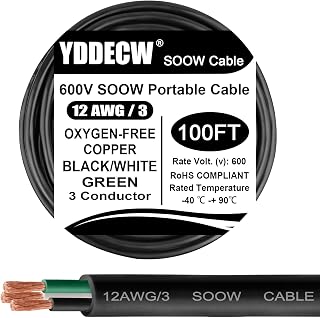


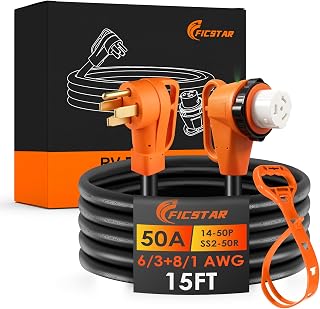


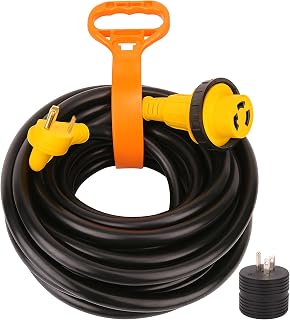


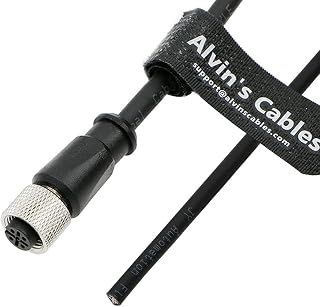


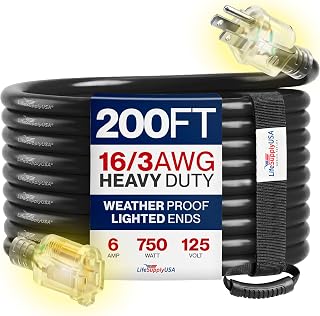
Choosing a power cable is not simply about finding the lowest price. The right cable needs to match the equipment, electrical requirements, connector type, cable length, installation environment and intended use. A cable that looks suitable may still be incompatible with a device or unsuitable for the electrical load it is expected to handle.
For Canadian shoppers, it is also important to consider the intended voltage, plug configuration, construction quality and applicable safety requirements. Before purchasing, compare the cable specifications with the requirements stated by the equipment manufacturer. This is particularly important for computers, monitors, televisions, appliances, power tools and other higher-power equipment.
The most important buying decision is compatibility. Power cables can look remarkably similar while serving very different purposes. Check both ends of the cable and identify the exact connector required by the device and power source.
Two connectors may appear almost identical but differ in specifications or intended applications. Never select a cable solely because it physically fits. A secure-looking connection does not automatically mean that the cable is electrically appropriate.
When replacing an original cable, compare the replacement against the original cable's markings and the equipment documentation. For a new setup, identify the device model and consult its specifications before purchasing.
Electrical ratings are among the most important specifications to compare. The cable should be suitable for the electrical demands of the equipment rather than selected purely on appearance, thickness or price.
The voltage rating indicates the electrical potential for which the cable is designed. Use a cable that meets or exceeds the requirements of the equipment and electrical system. Never assume that a cable is suitable merely because its connector fits the socket.
Current capacity is another critical consideration. Equipment that draws more current requires an appropriately rated cable. The cable's markings, manufacturer specifications and the device documentation should be checked together.
For higher-load applications, avoid substituting an unknown cable simply because it has the correct plug shape. If the electrical requirements are unclear, consult a qualified electrician or the equipment manufacturer rather than guessing.
Quality power cables commonly include identification markings that help buyers determine their construction and electrical suitability. Read the printed information on the cable instead of relying only on product photographs or a retailer's short description.
Length affects convenience, cable management and installation safety. A cable that is too short may require awkward positioning, while an excessively long cable can create unnecessary loops and clutter.
Do not automatically choose the longest available option. Measure the approximate route from the device to the outlet and allow enough length for comfortable positioning without creating excessive slack.
The materials used in a cable influence flexibility, durability and resistance to everyday wear. A cable may have a conductive core, insulation, protective outer jacket and reinforced connector areas. Each component contributes to the cable's overall usability.
The conductor carries electrical current through the cable. Copper is widely used in electrical cables because of its conductivity. The conductor construction can vary according to the intended application, cable design and manufacturer specifications.
Insulation separates the conductor from the outside environment and helps prevent unintended electrical contact. The outer jacket provides additional physical protection. For cables that are frequently moved, flexible insulation and appropriate strain relief can be particularly useful.
The transition between the connector and cable is a common point of mechanical stress. Good strain relief can reduce the amount of bending transferred directly to the electrical connection. This matters for cables that are regularly plugged in, unplugged or repositioned.
Not every application needs the same cable construction. A flexible cable can be convenient for a computer workstation or entertainment setup, while a more robust construction may be preferable where the cable experiences repeated movement or greater physical exposure.
Consider how the cable will actually be used. For a stationary device, flexibility may be more important than extreme mechanical protection. For demanding environments, construction and durability deserve greater attention.
When comparing products, focus on specifications that have a meaningful effect on compatibility and everyday use.
A low purchase price can be attractive, but price should not be the only comparison criterion. A suitable cable needs to satisfy the electrical and physical requirements of the equipment first.
When comparing deals, examine the complete specification rather than assuming that two similarly priced cables are equivalent. Check connector type, length, electrical rating, construction, included quantity and manufacturer information.
For inexpensive accessories, buying a product that is incompatible can be more costly than choosing the correct cable initially. A smart purchase therefore balances price with suitability, construction and dependable specifications.
Established brands can make specification checking easier because their product documentation and model information are often clearly presented. Depending on the type of cable and intended application, shoppers may encounter brands such as Amazon Basics, StarTech.com, Cable Matters, Belkin, Tripp Lite, C2G and Monoprice.
Brand recognition should not replace specification checking. Even within the same brand, different cables can have different connectors, lengths, ratings and intended uses. Always evaluate the individual product.
Desktop computers, monitors, docking equipment and related office hardware may use different power connections. Before replacing a cable, identify the connection on the equipment and compare the electrical requirements.
A cable for a monitor should not automatically be assumed to be suitable for a desktop computer simply because the connector appears similar. Check the equipment documentation and cable markings before making the purchase.
Televisions, audio equipment, streaming hardware and other entertainment products can benefit from sensible cable management. Choose a cable with enough length to position equipment without unnecessary tension.
Behind an entertainment centre, avoid creating tight bends or placing cables where furniture repeatedly presses against them. Keeping electrical cables organised also makes it easier to inspect connections and identify damaged components.
A home office can contain computers, monitors, printers, speakers, chargers and networking equipment. Cable selection should therefore be based on each device rather than using one generic cable for everything.
Measure the distance between equipment and the power source, then plan the cable route. A tidy arrangement can reduce tangling and make it easier to disconnect individual devices when required.
The most common mistake is choosing a cable because the connector looks correct. Visual similarity does not establish electrical compatibility.
The manufacturer's documentation is often the best starting point for identifying the required cable specification. Check it before shopping.
A very long cable is not automatically better. Extra length can create clutter and unnecessary loops.
Price matters, but extremely limited product information makes comparison difficult. Look for clear specifications and identifiable manufacturer information.
Power cables are not universally interchangeable. Connector compatibility, electrical ratings and intended applications all matter.
Do not continue using a cable with damaged insulation, exposed conductors, badly bent connectors, melted areas or other signs of electrical or mechanical damage. Replace questionable cables rather than attempting to repair them with improvised solutions.
When evaluating deals available to Canadian shoppers, use a consistent comparison process.
Retail prices and availability can change, so verify the current listing before purchasing. Product descriptions should also be checked carefully because marketplace listings can contain variations between models.
Customer reviews can provide useful information, but they should be interpreted carefully. Look for comments that identify the exact product model and explain how it was used.
Reviews mentioning connector fit, cable length, flexibility, construction and compatibility can be more useful than vague comments about whether the product is good or bad.
Also look for repeated patterns rather than relying on one unusually positive or negative review. A single review may reflect a specific setup, misunderstanding or individual experience that does not apply to every buyer.
A higher-priced cable can make sense when it provides a specification or construction characteristic that is genuinely relevant to the application. Examples may include better strain relief, a required length, clearer specifications, specialised connector compatibility or more robust construction.
However, paying more does not automatically make a cable electrically superior. The correct approach is to compare specifications and construction rather than assuming that price indicates quality.
Inspect power cables periodically, especially those that are moved frequently. Look for cracking, cuts, flattened sections, exposed wiring, loose connectors, unusual heat or other visible damage.
For electrical installations or situations where the correct cable rating is uncertain, professional electrical advice is preferable to guesswork.
Proper storage can extend the practical life of a cable. Avoid wrapping it into extremely tight loops, particularly around a small object that forces sharp bends. A loose coil is generally easier on the cable than aggressive folding.
For desks and entertainment systems, separate power cables from other connections where practical and avoid creating tension at device ports. Cable clips, sleeves and organisers can help keep cables in place without putting excessive pressure on connectors.
Replacement is appropriate when a cable has obvious physical deterioration or no longer provides a reliable connection. Signs such as damaged insulation, exposed conductors, severely bent connectors, loose connections or heat-related damage should not be ignored.
Do not attempt to solve an electrical safety problem solely by covering damaged sections with tape. A visibly compromised power cable should generally be replaced with a correctly specified product.
The best power cable depends on the device, connector configuration, electrical rating, required length and intended environment. There is no single cable that is best for every application.
No. A higher price does not automatically guarantee better electrical performance. Compare specifications, construction, compatibility and length before considering price.
Start with the device manufacturer's documentation and the specifications printed on the original cable. Identify the connector and electrical requirements before selecting a replacement.
A longer cable may be suitable when it meets the required specifications and is appropriate for the application. Avoid selecting excessive length simply for the sake of having more cable.
Reviews can help identify recurring issues, but they should supplement rather than replace specification checking. Give greater weight to detailed reviews that identify the exact product and explain the user's setup.
No. Different equipment uses different connector configurations and electrical requirements. Physical fit alone does not establish compatibility.
Stop using a visibly damaged cable and replace it with one that meets the equipment requirements. If there is uncertainty about an electrical fault or installation, seek qualified professional advice.
Recognised manufacturers such as Belkin, StarTech.com, Cable Matters, Tripp Lite, C2G, Monoprice and Amazon Basics offer products across various cable categories. However, the individual product specifications remain more important than the brand name alone.
The smartest way to shop for power cable deals in Canada is to start with compatibility rather than price. Identify the device, confirm the connector and electrical requirements, choose an appropriate length and then compare construction, manufacturer information and current customer feedback.
For 2026 purchases, always check the current retailer listing because prices, stock status, product variations and specifications can change. A good deal is only a good deal when the cable is suitable for the equipment and application.
Whether you are replacing a worn cable, organising a home office, upgrading an entertainment setup or purchasing a spare, careful specification checking can help you avoid incompatible products and unnecessary purchases.