

♥ Wishlist
Compare 54 Padlocks and Hasps for Reliable Everyday Security products in Canada. Reviews, ratings, pros, cons and buying advice updated for October 2026.










Choosing a padlock or hasp for a Canadian property requires more than comparing the lowest advertised price. The right combination depends on where the lock will be installed, how often it will be used, the level of security required, and how much exposure it will face from rain, snow, ice, road salt, dust, and temperature changes.
A practical buying decision should consider the complete locking system rather than the padlock alone. A strong lock attached to a weak hasp, thin staple, poorly secured door, or exposed mounting screws may provide less protection than expected. For sheds, gates, garages, storage areas, lockers, workshops, trailers, and outdoor cabinets, the lock and hasp should work together.
This 2026 buying guide focuses on the features that matter when comparing padlocks and hasps in Canada. Before purchasing, compare the current product specifications, verified customer feedback, dimensions, materials, weather suitability, keying options, and retailer terms.
A padlock is the removable locking device. A hasp is the hardware that connects the door, gate, lid, cabinet, or other access point to the padlock.
A typical hasp consists of a hinged or pivoting metal plate and a staple or loop. When the hasp is closed, the padlock passes through the opening and prevents the secured component from opening.
This distinction matters because security depends on both components. Buying an expensive padlock while pairing it with a lightweight hasp can create an obvious weak point. Conversely, a substantial hasp may be unnecessary for a low-risk indoor application where convenience is more important.
Canada presents a wide range of environmental conditions. A lock used inside a heated workshop has very different requirements from one attached to a backyard shed, exterior gate, or storage container.
Indoor applications generally place less emphasis on weather resistance. A compact padlock can be appropriate for lockers, cabinets, interior storage, workshops, and utility areas.
For these applications, consider key convenience, shackle clearance, body size, and resistance to casual tampering. A smaller lock may be easier to carry and operate than a heavy-duty outdoor model.
Outdoor locks need to tolerate moisture and temperature fluctuations. Look closely at the manufacturer's material and corrosion-resistance information rather than assuming that every metal padlock is equally suitable for exterior use.
For exposed locations, useful design features may include a protective body, corrosion-resistant components, a covered keyway, or construction intended for outdoor conditions. However, no padlock should be treated as completely maintenance-free.
Canadian winters can create an additional usability problem: a lock may remain mechanically intact but become difficult to operate because moisture freezes inside or around the mechanism.
For locations exposed to freezing conditions, examine the design of the keyway and the manufacturer's guidance for cold-weather operation. Keeping the lock positioned so that water does not continually collect around the keyway can also improve everyday usability.
Product listings often contain several dimensions and specifications. Understanding them makes comparison much easier.
Shackle diameter describes the thickness of the metal loop that enters the hasp. A thicker shackle can be harder to attack with some common tools, but diameter alone does not determine overall security.
Always check whether the shackle physically fits through the hasp or staple. A large padlock is not useful if its shackle cannot pass through the locking point.
Vertical clearance describes how much space exists between the top of the padlock body and the inside of the shackle. Longer shackles can make certain installations easier, especially when the locking points are separated by brackets or thick materials.
However, unnecessarily long shackles may provide more exposed metal and additional room for manipulation. Choose the shortest practical shackle that works with the installation.
The body provides the main housing for the locking mechanism. A larger body may be appropriate for demanding applications, but larger does not automatically mean more secure.
Consider the complete construction, including the shackle, locking mechanism, body material, keyway, and mounting arrangement.
Keyed padlocks are often the straightforward choice for sheds, gates, garages, cabinets, and storage areas. If several locks are required, consider whether matching key systems would make management easier.
Some product ranges offer keyed-alike configurations, while others are supplied with individual keys. Check the exact product configuration before ordering because similar-looking models may use different keying arrangements.
Combination padlocks can eliminate the need to carry a physical key. They can be convenient for lockers, gates, workshops, and shared-access situations.
The trade-off is that users must remember the combination. For a frequently accessed location, convenience may be more important than traditional keyed operation. For a high-security application, evaluate the specific mechanism and manufacturer's security information rather than choosing solely because a lock is keyless.
Material selection influences durability, weight, corrosion resistance, and intended use.
Brass has traditionally been used for padlock bodies because it offers useful corrosion resistance and is practical for many general-purpose applications. Brass locks can be suitable where weather exposure is moderate, although the exact construction varies between models.
Steel can provide substantial mechanical strength, making it common in heavier-duty padlocks. Look beyond the word “steel” and check whether the shackle and body have protective treatment or coatings intended for the environment where the lock will be used.
Stainless steel can be useful in applications where corrosion resistance is an important consideration. Different stainless grades have different properties, so the material specification should be checked rather than treating every stainless-steel product as identical.
Aluminium models can be attractive where low weight and portability matter. They may be convenient for luggage, lockers, cabinets, and lighter-duty applications. For security-sensitive outdoor installations, compare the complete construction against heavier alternatives.
A hasp should be selected based on the actual mounting surface. Measure the door, gate, box, cabinet, or shed before choosing the hardware.
A conventional hasp is suitable for many basic doors, cabinets, boxes, and storage applications. It is generally straightforward to install and operate.
A heavier hasp can be appropriate for sheds, workshops, exterior storage, gates, and other areas where the locking point requires greater physical robustness.
Protected designs can reduce the amount of hardware exposed when the door is closed. This can make the locking arrangement less accessible and can improve the overall appearance of the installation.
For outdoor Canadian use, consider the hasp's finish, hinge construction, fasteners, and potential water exposure. A corrosion-resistant finish can be particularly useful where the hardware is exposed to precipitation or road salt.
One of the most common purchasing mistakes is selecting a lock without considering what it is protecting.
Examples include personal lockers, indoor cupboards, lightweight cabinets, and areas where the primary objective is preventing casual access.
A compact combination or keyed padlock may provide the convenience needed without the cost and weight of a commercial-grade model.
Sheds, exterior cabinets, residential gates, workshops, and general storage may justify a more robust padlock and hasp combination.
Here, examine shackle construction, body strength, weather suitability, keyway design, and the quality of the mounting point.
Where valuable equipment, commercial assets, tools, or restricted areas are involved, the entire locking system deserves attention. Consider a heavy-duty padlock, compatible protected hasp, appropriate mounting hardware, and a door or gate strong enough to support the chosen security hardware.
For critical security applications, follow the manufacturer's published security ratings and installation guidance instead of relying on marketing terms such as “heavy duty” or “high security” alone.
Brand reputation can be a useful starting point, but individual models should still be compared on their specifications and intended application.
Do not choose a brand simply because it is familiar. Compare the exact model number, dimensions, materials, locking mechanism, weather suitability, and verified customer feedback.
There is no universally superior option. The better choice depends on how the lock will be used.
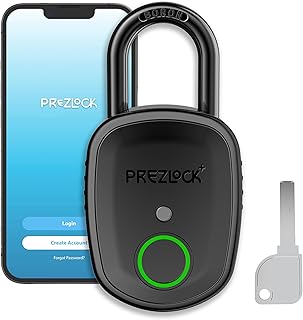
Some modern locks incorporate electronic access methods such as Bluetooth connectivity, fingerprint recognition, keypad entry, or app-based controls. These products can provide useful convenience features, but buyers should assess them differently from conventional mechanical padlocks.
Consider battery life, backup access, environmental suitability, connectivity requirements, software support, user management, and what happens if the battery is depleted. For an outdoor Canadian installation, verify that the particular model is designed for the temperatures and exposure it will encounter.
A traditional mechanical padlock can be preferable when simplicity, predictable operation, and minimal maintenance are priorities. A smart lock can make more sense when controlled access and keyless convenience provide a meaningful benefit.
The cheapest lock may not be the most economical choice if it fails to match the environment or installation. Compare the expected use, construction, and replacement implications.
A strong padlock cannot compensate for a weak locking point. Treat the padlock, hasp, staple, screws, door, and frame as one security system.
Long shackles can solve clearance problems but may leave more metal exposed than necessary. Select the shortest configuration that fits comfortably.
Product photographs can make locks appear larger or smaller than they really are. Check body dimensions, shackle diameter, shackle clearance, and hasp opening before purchasing.
Outdoor hardware remains exposed to moisture, dirt, ice, and temperature changes. Periodic inspection and appropriate maintenance can help preserve reliable operation.
A padlock is only convenient if its keys can be accessed when required. For multiple locks, think about how many keys are needed and whether a keyed-alike arrangement would simplify daily use.
When several products appear similar, use a consistent comparison process rather than relying on the product title.
Start with the door or gate. Determine where the hasp can be mounted and whether the two surfaces align correctly when closed.
Next, measure the available clearance. The hasp must provide enough room for the selected padlock while keeping the locking point secure and practical to operate.
Finally, consider the mounting hardware. The strength of the locking assembly depends partly on how securely the hasp is attached to the surrounding structure. A high-quality padlock does not make an inadequately mounted hasp secure.
Regular inspection is especially important for locks exposed to winter conditions.
Avoid forcing a frozen lock. Excessive force can damage the key, shackle, hasp, or internal mechanism. For winter installations, preventive care is generally preferable to trying to solve a frozen mechanism after access is already required.
Sheds are among the most common applications for exterior padlocks. The best choice depends on what is stored inside and how exposed the shed is.
For basic garden equipment, a suitable outdoor padlock paired with a robust hasp may be sufficient. For expensive power tools, bicycles, machinery, or other valuable equipment, consider upgrading the complete locking point rather than simply buying a larger padlock.
Pay particular attention to the door material and frame. If the door itself is lightweight or poorly reinforced, increasing padlock size alone may provide limited additional protection.
Gate installations introduce practical considerations such as alignment, clearance, rain exposure, and frequent operation.
A lock should remain accessible without requiring users to reach through awkward gaps. For frequently used gates, convenience and reliable operation can be nearly as important as physical robustness.
For exterior gates in areas exposed to winter weather, compare corrosion resistance and cold-weather operating guidance carefully.
Workshops and garages may require a stronger security solution when expensive tools or equipment are stored inside. A robust hasp can be particularly important because garage doors and workshop doors can have substantial frames but may still contain vulnerable locking points.
For frequent access, choose a mechanism that household members or authorized users can operate easily. If multiple locks are installed, consider key management before selecting individual models.
Indoor storage normally places less stress on the lock. Compact padlocks can therefore be practical where portability and ease of use matter.
Combination locks may be convenient for shared lockers or situations where users do not want to manage physical keys. Keyed locks may be preferable when consistent mechanical operation is the priority.
Verified customer feedback can reveal practical issues that are not always obvious from a specification sheet. However, reviews should be interpreted carefully.
Look for repeated comments rather than isolated complaints. If several buyers independently mention the same issue involving key operation, dimensions, corrosion, installation, or combination usability, it deserves closer attention.
Also check whether reviewers are discussing the same model. Retail listings can contain several visually similar variants, and specifications may differ between sizes or generations.
A genuine smart buy is not necessarily the product with the lowest displayed price. Compare the complete value of the lock and installation.
Prices and availability can change throughout 2026. For that reason, current retailer information should always be checked immediately before purchase.
The best outdoor padlock depends on the installation and security requirement. Prioritize appropriate corrosion resistance, suitable materials, practical shackle dimensions, and manufacturer guidance for outdoor conditions. A lock that works well on a sheltered shed may not be the best choice for a fully exposed gate.
No. Weight alone does not determine security. Compare the shackle, locking mechanism, body construction, hasp, mounting hardware, and the strength of the door or frame.
Not necessarily. A compatible set can simplify sizing, but separate purchases can provide greater flexibility. If buying separately, verify that the padlock shackle fits the hasp opening and that both components are suitable for the intended environment.
They can be convenient where eliminating keys is useful. They are particularly practical for some lockers, gates, and shared-access situations. Evaluate the exact mechanism and security requirements before choosing one.
There is no universal best size. Select a model that fits the hasp correctly while providing the level of construction appropriate for the application. Measure the locking point before ordering.
It is better to follow the manufacturer's intended-use guidance. Outdoor exposure introduces moisture, corrosion, freezing temperatures, and dirt that indoor models may not be designed to handle.
There is no single interval suitable for every environment. Inspect outdoor locks periodically and pay particular attention after severe weather or extended winter exposure. Follow the manufacturer's maintenance recommendations.
Check the exact model number, dimensions, shackle size, materials, intended application, weather suitability, keying system, verified customer feedback, current retailer information, warranty terms, and return policy.
The smartest way to choose a padlock and hasp is to start with the security problem rather than the product name. Identify what needs protection, where the lock will be installed, how frequently it will be operated, and what environmental conditions it will face.
For Canadian buyers, outdoor exposure deserves particular attention. Snow, freezing temperatures, moisture, and road salt can affect both the padlock and the hasp over time. Material selection, protective finishes, sensible positioning, and routine inspection can all contribute to dependable operation.
When comparing the best smart buy padlocks and hasps deals for 2026, look beyond ratings and promotional claims. Compare exact specifications, verified customer feedback, compatibility, installation requirements, and current Canadian retailer information. The best choice is the product combination that provides the appropriate level of security, durability, and convenience for the specific job without paying for features you do not need.