

♥ Wishlist
Compare 56 Potty Training Essentials for Toddlers products in Canada. Reviews, ratings, pros, cons and buying advice updated for October 2026.
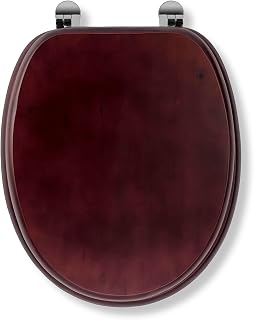


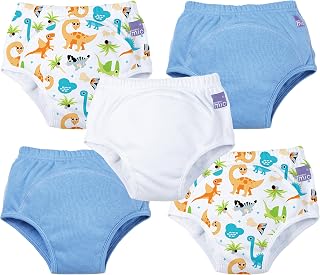


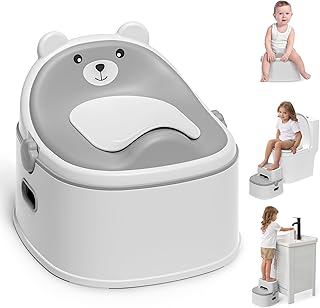


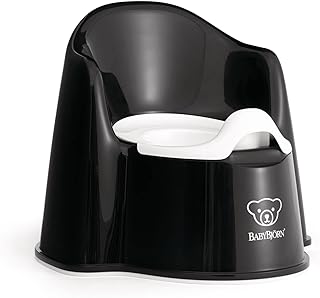

Choosing a potty training product is less about finding the most complicated design and more about matching the product to a child's age, size, confidence level and bathroom routine. Canadian families can choose from standalone toddler potties, toilet-top training seats, travel-friendly options, step stools, training accessories and combination systems.
A smart purchase should make the transition easier for both the child and caregiver. Comfort, stability, easy cleaning and appropriate sizing often matter more than extra features. When comparing deals, look beyond the headline price and consider what is included, how long the product is likely to remain useful and whether its design fits the bathroom where it will be used.
There is no single potty training solution that works for every child. Some toddlers prefer a small standalone potty because it feels less intimidating. Others are ready to use the family toilet with a child-sized seat. The right choice depends on development, physical proportions, household routines and the child's willingness to participate.
A potty should allow the child to sit securely without feeling cramped. Feet should ideally have a stable surface or appropriate support. A child who feels uncomfortable may be reluctant to sit for long enough to establish a routine.
Look closely at the seat shape, opening size, back support, surface texture and overall dimensions. Product measurements are more useful than age recommendations alone because children of the same age can have very different body sizes.
A lightweight potty can be convenient to move, but it should not easily slide or tip when a child sits down, stands up or shifts position. Look for a broad base and non-slip elements where appropriate.
For toilet-training seats, check how the seat rests on the adult toilet. A secure fit is particularly important because an unstable seat can make a child nervous about using the toilet.
Children need a practical way to reach the toilet and climb down safely. A toilet training seat may therefore work better when paired with a suitable step stool. The stool should provide a stable standing platform and be appropriately sized for the bathroom.
One of the most important buying decisions is whether to start with a standalone potty or introduce the regular toilet immediately.
A standalone potty provides a smaller, child-focused alternative to the full-size toilet. It can be placed in a convenient location and may help a toddler become familiar with sitting independently.
A toilet-top training seat sits on the household toilet and reduces the size of the opening. This approach can help families who want to transition directly to the bathroom toilet.
Some products are designed to serve multiple stages of training. A convertible system may function as a standalone potty initially and later become a toilet training seat or step solution, depending on the design.
These products can provide good long-term value when the different configurations are genuinely useful. However, do not pay more for versatility that your family is unlikely to use.
Potty training products can look similar while having meaningful differences in everyday use. Compare the practical details rather than relying only on appearance.
Cleaning is one of the most important considerations. Smooth, non-porous surfaces with fewer difficult-to-reach areas can make routine cleaning simpler.
If a potty includes a removable bowl or insert, examine how easily it can be removed and replaced. Check for seams, deep grooves and decorative areas that could make thorough cleaning more difficult.
Some potty designs include splash protection. This can be particularly useful for boys, although the effectiveness depends on the child's positioning and the specific design.
A removable component may also make cleaning easier. Compare the guard's shape, attachment method and cleaning requirements before buying.
A stable base can help prevent unwanted movement on smooth bathroom floors. Pay attention to the actual construction rather than assuming every product with rubber feet will perform identically on every surface.
A comfortable seat encourages repeated use. Look for a design that provides enough support without creating pressure points. Rounded edges and an appropriately sized seating area can make a difference during longer bathroom routines.
Handles can be useful when moving a potty between rooms or taking it on a trip. However, they are not essential for every household. Consider whether portability is actually part of your routine before paying extra for it.
Most toddler potty products use plastic components because plastic is lightweight, washable and relatively easy to manufacture into rounded child-friendly shapes. The quality of the construction still varies considerably.
When comparing products, inspect the thickness and rigidity of the main body, the quality of moving or removable parts and the fit between separate components. A product that feels flimsy or has poorly aligned parts may be less convenient for repeated daily use.
For soft toilet seats or cushioned surfaces, consider how the material will respond to frequent cleaning. Comfort is useful, but a surface that is difficult to maintain may become inconvenient over time.
A simple standalone potty can be a practical starting point for a child who is still learning the basics. The lower seating position and dedicated design can make the process feel less intimidating.
A toilet training seat may be the better choice when a child already understands the bathroom routine and can comfortably use a step stool. This can also reduce the number of transitions between different potty systems.
Families who travel frequently should look for compact and portable designs. A travel potty or foldable training seat can be easier to pack than a full-size standalone model.
Check folded dimensions, weight, cleaning requirements and whether disposable liners or compatible accessories are required. Portability should not come at the expense of basic stability.
If a home has several bathrooms, buying a product for each location may not always be necessary. A lightweight option can be moved between rooms, while a second training seat can reduce carrying and setup.
Think about where the child is most likely to need the product. A convenient setup can be more useful than owning several complicated accessories.
Several established baby and toddler brands offer potty training products or related bathroom accessories. Names shoppers may encounter while comparing Canadian options include BabyBjörn, OXO Tot, Summer Infant, Munchkin, Frida, Nuby, Fisher-Price, The First Years and Ingenuity.
Brand recognition should not automatically determine the purchase. Compare the individual product's dimensions, materials, cleaning process, stability, included components and current customer feedback.
A discount is only valuable when the product meets your requirements. A low-priced potty that is uncomfortable, difficult to clean or quickly outgrown may offer less value than a better-designed option at a higher initial price.
A large advertised discount does not necessarily mean a better purchase. Compare the actual selling price, competing products and included features. Also consider whether the product is a current model or an older design being cleared out.
For affiliate shopping research, it is sensible to compare specifications across several retailers and review current customer feedback before making a decision.
Bright colours, characters and playful designs can attract children, but appearance should not be the primary buying criterion. A visually appealing potty still needs to be stable, comfortable and easy to clean.
One of the most common mistakes is assuming that every toddler potty is approximately the same size. Measure the available bathroom space and compare it with the manufacturer's product dimensions.
Extra functions are not automatically beneficial. Some children respond better to a simple, predictable routine. If a feature does not solve a real problem, it may add unnecessary cost or cleaning work.
A toilet training seat can be excellent, but independent toilet access may still require a stable step stool. Consider the complete setup rather than evaluating the seat by itself.
Potty training involves frequent cleaning. Before buying, imagine the daily routine: removing the insert, emptying it, washing surfaces and returning the components to their correct positions. If that process seems unnecessarily complicated, another design may be more practical.
The fundamental buying criteria remain similar for boys and girls: stability, comfort, suitable dimensions, easy cleaning and a design that supports proper positioning.
Some products offer features such as splash guards or specially shaped openings. These may be useful depending on the child's needs, but they should be evaluated as design features rather than assumptions about every child.
Canadian homes can have toilets with different bowl shapes and dimensions. Before purchasing a toilet-top training seat, check whether the product is intended for the type of toilet in your home.
Look for manufacturer information about compatibility. If dimensions or toilet compatibility are unclear, avoid assuming that a universal-looking design will fit every toilet securely.
Potty training products should be cleaned according to the manufacturer's instructions. Routine cleaning is especially important because the product can come into contact with urine and stool during normal use.
Avoid using harsh cleaning methods that could damage the surface unless they are specifically permitted by the manufacturer.
Children should be supervised according to their age, abilities and the manufacturer's instructions. A potty or toilet seat should be used on a stable surface and should not be treated as a climbing toy.
For toilet-top seats, verify that the product is positioned correctly before the child uses it. Step stools should also be placed on a stable floor and used appropriately.
Do not rely solely on an age label. Consider the child's physical ability, coordination and confidence. Product instructions should take priority when they provide specific safety requirements.
There is no universal price that represents the best value. Basic standalone potties can provide the essential function without many additional features, while premium or multifunctional designs may offer added convenience.
Set a practical budget and then compare products within that range. If two products have similar dimensions and functionality, the simpler design may offer better value. If a more expensive model solves a genuine problem, such as portability, stability or easier cleaning, the additional cost may be justified.
The term "smart buy" should not be confused with technology-heavy features. In potty training, useful design often comes from simple engineering rather than electronics.
Electronic functions, sounds or decorative extras may appeal to some children, but they are not essential to successful toilet training. Consider whether the feature genuinely supports your household routine.
Customer reviews can provide useful information, but they should be interpreted carefully. Instead of focusing only on the overall rating, look for repeated comments about the same practical characteristics.
Pay particular attention to feedback mentioning size, stability, cleaning, assembly, toilet compatibility, durability and ease of use. A single unusual complaint is less informative than a consistent pattern across many reviews.
Also distinguish between product-related feedback and delivery or retailer-related complaints. For an independent buying decision, focus primarily on comments that describe the product itself.
A successful setup does not need to contain a large collection of products. Start with the essential equipment and add accessories only when they solve a specific problem.
A basic setup might include a comfortable potty or toilet training seat, a suitable step stool where needed, washable clothing that is easy for the child to manage and appropriate cleaning supplies. A travel option can be added if the family regularly spends time away from home.
Keeping the bathroom arrangement consistent can also make the routine easier to understand. The goal is to create a predictable process rather than constantly changing equipment.
Space can be an important consideration in apartments, condos and smaller bathrooms. Measure the available floor area before choosing a standalone potty.
Compact products are easier to store, but extremely small designs may compromise comfort. Look for a balance between footprint and usable seating space.
A toilet-top training seat can be attractive for households where floor space is limited. However, remember that the child may still need a step stool, so evaluate the complete footprint of the setup.
Travel introduces different requirements. A product that works perfectly at home may be inconvenient in a vehicle, hotel room or public bathroom.
For travel, compare folded size, carrying convenience, cleaning requirements and stability. If the product uses disposable liners, check how easily compatible liners can be obtained in Canada and factor their ongoing cost into the decision.
A compact toilet training seat can also be useful when the child is comfortable using standard toilets, provided it is compatible with the toilets encountered during travel.
Replacement is appropriate when a product becomes damaged, unstable, excessively worn or difficult to clean properly. Cracks and damaged surfaces deserve particular attention because they can affect hygiene and structural integrity.
Children can also outgrow a product. If the seating area becomes uncomfortable or the child's position is no longer appropriate, reassess the setup rather than continuing to use an undersized product.
The best deal is not necessarily the product with the lowest price. A smart purchase combines suitable design, safe use, appropriate sizing, manageable cleaning and useful longevity.
For one family, that may mean an affordable standalone potty. For another, a convertible system may provide better value. A family that travels regularly may benefit more from portability, while a household with limited bathroom space may prioritise a compact toilet seat.
Compare products according to your actual routine instead of purchasing features simply because they appear on a specification list.
The best option depends on the child's size, developmental readiness, bathroom setup and family preferences. A standalone potty can suit early training, while a toilet training seat can work well for children ready to use the household toilet.
Neither is universally better. A standalone potty offers easy access and a child-sized setup. A toilet training seat allows the child to practise using the regular toilet. Choose the format that fits the child's comfort and your household routine.
Prioritise stability, comfortable dimensions, easy cleaning, appropriate height and durable construction. A removable insert and splash protection can also be useful depending on the child's needs.
A step stool is often useful when a child uses a standard toilet or needs help reaching the sink. Choose one with an appropriately stable platform and follow the manufacturer's safety guidance.
Not necessarily. Price can reflect additional features, materials, design or versatility, but a simple product may be the better choice when it meets the child's needs. Compare specifications and practical usability rather than price alone.
They can be worthwhile for families who travel, spend long periods outdoors or need a backup option away from home. If travel is uncommon, a portable model may provide less value than a well-designed everyday potty.
Measure the available space first. Compare the product's footprint, storage requirements and seating dimensions. A compact toilet training seat may be practical where floor space is particularly limited.
Only when the feature addresses a genuine need. Easy cleaning, stability, comfort and suitable sizing generally deserve more attention than decorative or entertainment-focused additions.
Compare current prices from trusted Canadian retailers, check product specifications and read recent verified customer reviews. Evaluate the total value of the product rather than relying on a promotional discount alone.
No product is universally suitable. Children develop at different rates, and preferences can vary. Use the manufacturer's instructions and consider the child's physical abilities, comfort and bathroom environment when making a choice.
The strongest potty training purchase is one that fits naturally into everyday life. Before choosing from current Canadian deals, compare dimensions, stability, comfort, cleaning requirements, toilet compatibility and long-term usefulness.
Do not feel pressured to select the most expensive or feature-heavy option. A well-designed basic potty can be an excellent choice when it fits the child and household. Likewise, a convertible, portable or toilet-based system can provide better value when its additional functionality matches a real need.
For the most informed purchase, compare several products side by side, review the latest specifications, read verified customer feedback and check today's Canadian prices before ordering. Product availability, pricing and retailer offers can change throughout 2026, so confirm current details at the time of purchase.