

♥ Wishlist
Compare 56 Shop Pencils Online in Canada for Writing, Drawing and Creative Work products in Canada. Reviews, ratings, pros, cons and buying advice updated for October 2026.


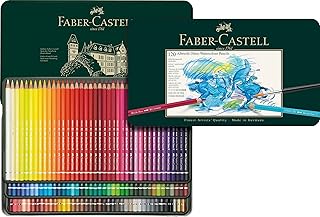


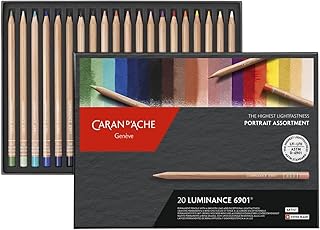


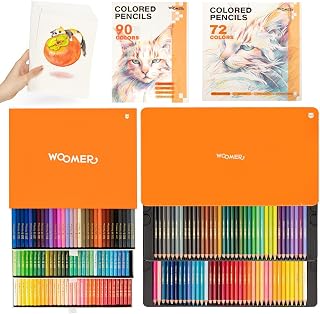


Choosing a pencil is not simply about finding the lowest price. The right option depends on the type of writing or drawing, the required level of precision, comfort during extended use, durability, and whether you need a traditional wooden pencil, mechanical pencil, or a specialised writing set. For Canadian shoppers, comparing specifications and verified customer feedback can help narrow the choices before purchasing.
Different pencils are designed for different tasks. A school student may prioritise easy sharpening and comfortable handwriting, while an artist may need several graphite grades for controlled shading. A professional who frequently annotates documents may prefer a mechanical pencil that maintains a consistent point.
One of the most important buying decisions is choosing between a traditional wooden pencil and a mechanical design. Neither format is universally better. The best choice depends on how the pencil will be used.
Wooden pencils offer a familiar writing experience and can be particularly useful for sketching, classroom work and general handwriting. Sharpening allows the user to adjust the point according to the task. A sharp point can provide precision, while a slightly rounded point can create broader marks.
Traditional pencils also allow users to work with different graphite hardness levels. Common grades include HB, H, B, 2B and softer grades. H grades generally produce lighter, firmer marks, while B grades are progressively softer and darker. HB sits around the middle and is widely suited to everyday writing.
Mechanical pencils use replaceable leads rather than requiring the wooden body to be sharpened. This can make them convenient for repeated writing and detailed work. Important specifications include lead diameter, grip design, mechanism reliability and eraser availability.
Common lead sizes include 0.3 mm, 0.5 mm, 0.7 mm and 0.9 mm. Thinner leads can be useful for fine detail but may be more susceptible to breaking when excessive pressure is applied. Thicker leads can provide additional durability and are often suitable for general writing.
Graphite hardness has a direct effect on the appearance and handling of pencil marks. Understanding the grading system can make product comparisons much easier.
There is no single hardness grade that works for every user. Someone primarily taking notes may prefer HB, while an artist may benefit from a set containing multiple grades.
The shape of the barrel influences how the pencil feels between the fingers. Hexagonal barrels can resist rolling across a desk and provide defined grip points. Round barrels may feel more natural for some users, while triangular designs can encourage particular finger positioning.
Grip comfort becomes increasingly important during long writing or drawing sessions. If possible, compare the barrel diameter, surface texture and grip construction rather than judging comfort solely from photographs.
Graphite should produce consistent marks without excessive scratching or unexpected breakage. For drawing pencils, consistency across different grades can be especially important because artists often combine several pencils within the same illustration.
For wooden pencils, the surrounding wood affects sharpening performance and overall durability. Good-quality pencil wood should sharpen reasonably evenly without repeatedly splintering or damaging the graphite core.
Some pencils include an integrated eraser, while others are designed to be used with a separate eraser. If clean corrections matter, examine the eraser material and whether replacement erasers are available for the specific design.
A pencil that repeatedly breaks at the tip can become frustrating and waste material. Mechanical pencil buyers should pay particular attention to the relationship between lead thickness and the way they normally write. Wooden pencil buyers should consider core durability and sharpening behaviour.
When comparing products in a best-pencils list, avoid relying on one specification. A better evaluation considers several factors together.
Students often need a dependable pencil for handwriting, mathematics, diagrams and examinations. A comfortable HB wooden pencil can be a practical starting point. Durability and ease of sharpening are particularly useful when pencils are used throughout the school day.
Artists should generally focus on graphite range, tonal control and consistency. A drawing set containing several grades can be more useful than a large quantity of identical HB pencils. Softer grades are useful for darker areas, while harder grades can help with lighter construction lines and fine details.
Technical users may prefer mechanical pencils because the lead can maintain a consistent diameter. Lead thickness should be selected according to the required line detail. A precise tip and comfortable grip can also improve control during detailed work.
For everyday office tasks, comfort and convenience usually matter more than having an extensive range of graphite grades. Consider a pencil that feels comfortable during repeated note-taking and works reliably with a suitable eraser.
The cheapest pencil is not necessarily the best value. If the graphite breaks frequently, the wood is difficult to sharpen or the grip becomes uncomfortable during use, a lower initial price may not represent better long-term value.
Buying the wrong graphite grade can make a pencil unsuitable for the intended task. A very soft pencil may be excellent for shading but inconvenient for clean everyday notes. Conversely, a very hard grade may not provide the dark marks an artist needs.
Large sets can look attractive, but quantity alone does not determine usefulness. Check which grades are included and whether they actually match your intended drawing or writing style.
Mechanical pencil buyers should not treat all leads as interchangeable. The lead diameter must match the mechanism, and the chosen thickness should suit the amount of pressure and precision required.
A high overall rating does not explain why people like or dislike a particular pencil. Read verified customer reviews for recurring observations about smoothness, breakage, sharpening, grip comfort, packaging and consistency.
Customer reviews can be useful when interpreted carefully. Look for patterns instead of giving too much weight to one unusually positive or negative comment.
Brand familiarity can provide a useful starting point, but it should not replace model-level research. Faber-Castell is known for a broad range of writing and art products. Staedtler offers traditional and mechanical writing instruments. Pentel is widely associated with mechanical pencils and writing products. Tombow and Uni also offer products across writing and drawing categories. Dixon has long been associated with conventional pencils.
When comparing brands, focus on the specific pencil rather than assuming every product from a familiar manufacturer will perform identically. Product construction, graphite formulation, lead diameter, intended use and included accessories can vary considerably between models.
Price should be considered alongside quantity and intended lifespan. For example, a multipack can be useful for students or households where pencils are consumed frequently. A premium drawing set may justify a higher cost when the buyer genuinely needs multiple graphite grades and consistent performance.
For mechanical pencils, consider the ongoing cost of replacement leads and erasers. A lower-priced pencil may become less convenient if compatible consumables are difficult to find. Conversely, an inexpensive traditional pencil may provide excellent practical value when used for ordinary writing.
Canadian shoppers should check the complete product listing before ordering. Product pages can contain important information about pack quantity, dimensions, lead size, graphite grade and included accessories.
Keep pencils protected from excessive moisture, heat and unnecessary pressure. A pencil case or suitable storage container can reduce damage caused by being carried loose inside a bag.
A sharpener designed for the pencil type can help produce a more consistent point. Excessive sharpening can waste material, while a dull or unsuitable sharpener can cause unnecessary breakage.
Heavy pressure can break soft graphite and mechanical leads. Using a lighter hand can improve control and reduce unnecessary lead consumption.
Mechanical pencil tips can be vulnerable when stored loose with other objects. Retracting the tip where the design allows it can reduce the risk of bending or damage.
For general handwriting, an HB pencil is a versatile choice. The ideal model also depends on grip comfort, graphite smoothness, durability and personal writing pressure.
Neither is universally better. HB is generally more versatile for everyday writing, while 2B produces darker and softer marks that can be useful for drawing and shading.
Mechanical pencils are convenient for consistent points and repeated writing, while wooden pencils offer flexible sharpening and a familiar drawing experience. The better option depends on the task.
A 0.5 mm lead is a common versatile choice, while thinner leads can suit detailed work and thicker leads can offer greater resistance to breakage. Always verify compatibility with the pencil mechanism.
They can be worthwhile when the additional construction quality, graphite consistency, comfort or specialised performance matches your needs. For basic writing, a less expensive pencil may be sufficient.
The appropriate quantity depends on usage. Occasional users may need only a small pack, while students, offices and artists may benefit from larger sets or multipacks.
Faber-Castell, Staedtler, Pentel, Tombow, Uni and Dixon are among the established names worth considering. Compare individual models and specifications rather than choosing solely by brand.
Compare the current price, quantity, pencil type, graphite grade, lead diameter, included accessories, specifications and verified customer feedback. A deal is most useful when the product actually meets your requirements.
The best pencil is the one that matches the user's actual writing or drawing requirements. Instead of choosing solely from a headline rating or promotional price, examine the construction, graphite grade, lead size, comfort, durability and quantity. For Canadian buyers, it is also sensible to confirm the exact product variation and compare current retailer information before purchasing.
Whether you need a dependable school pencil, a comfortable everyday writing instrument, a mechanical pencil for precision work or a graded graphite set for drawing, careful comparison can make it easier to identify genuine value. Use verified customer feedback alongside technical specifications, and prioritise the characteristics that matter most for your intended use.