

♥ Wishlist
Compare 62 Men's Hoodies & Sweatshirts for Everyday Canadian Style products in Canada. Reviews, ratings, pros, cons and buying advice updated for October 2026.


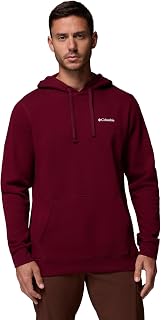
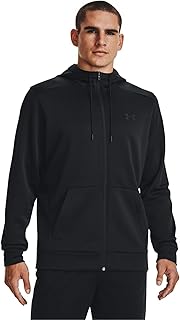


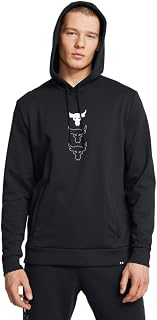


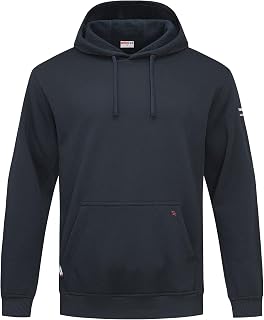


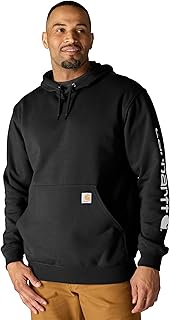


Choosing a men's hoodie or sweatshirt in Canada involves more than comparing colours and prices. Canadian weather can vary considerably by season and region, so the right choice depends on warmth, fabric weight, layering needs, fit, durability, and intended use. A lightweight cotton sweatshirt that works well indoors may not be suitable as an outer layer during a cold winter commute, while a heavily insulated hoodie can feel excessive during mild autumn or spring weather.
This buying guide focuses on the practical details that matter when comparing men's hoodies and sweatshirts, including fabric construction, fleece weight, fit, hood design, cuffs, pockets, washing requirements, seasonal use, and value. Brands such as Nike, adidas, Champion, Hanes, Carhartt, Under Armour, Columbia, Russell Athletic, Fruit of the Loom, Gildan, Levi's, Puma, Reebok and The North Face offer products across different styles and price categories. Brand recognition alone, however, should not determine a purchase. Always compare the specifications of the individual garment.
The terms hoodie and sweatshirt are often used interchangeably, but there is a straightforward design difference. A sweatshirt normally has a simple crew neck or similar neckline without an attached hood. A hoodie includes a hood and may also feature a front kangaroo pocket, zip closure, drawcords or additional construction intended for casual outdoor use.
A smart purchase is not necessarily the cheapest garment or the most expensive one. It is the product that offers the right combination of construction, comfort, versatility, fit and expected durability for the way it will be used.
Fabric affects warmth, softness, breathability, shrinkage, appearance and long-term wear. Cotton is popular because it is comfortable and familiar, while polyester can contribute to moisture management, shape retention and durability. Cotton-polyester blends can offer a balance between natural-fibre comfort and synthetic performance.
Before buying, check the listed fibre composition rather than assuming that a garment described as cotton is made entirely from cotton. The percentage of each fibre can make a meaningful difference to feel and performance.
Fabric weight is one of the most important factors for Canadian buyers. Lightweight garments are easier to layer and generally more comfortable indoors. Midweight options provide broader seasonal versatility. Heavyweight fleece and thick sweatshirts are better choices when warmth is the priority.
Remember that fabric weight does not automatically indicate total warmth. Construction, fit, fleece type, wind exposure and the layers worn underneath or over the garment also influence how warm it feels.
Fit should be considered alongside measurements rather than relying solely on S, M, L or XL labels. Different brands can use different sizing standards, and even two garments from the same brand can have different cuts.
Check chest, shoulder, sleeve and body-length measurements whenever they are provided. If you intend to wear a hoodie over another sweatshirt or thermal layer, allow enough room for the additional clothing without creating excessive bulk.
Cotton is widely used for casual sweatshirts because it feels soft and comfortable against the skin. It works particularly well for everyday wear, lounging and moderate conditions. However, cotton absorbs moisture and can take longer to dry than many synthetic fabrics. This is important when a garment may be exposed to snow, rain, perspiration or prolonged outdoor use.
Polyester is lightweight, durable and commonly used in performance-oriented clothing. It can dry relatively quickly and may be useful for active users. Polyester fleece can also provide warmth without requiring the same construction as a traditional cotton-heavy sweatshirt.
Blended fabrics are popular because they can combine several desirable characteristics. Cotton may provide softness and comfort, while polyester can improve durability, drying behaviour and resistance to shape changes. The actual performance depends on the blend ratio and manufacturing quality.
Fleece describes a fabric construction rather than one specific fibre. Fleece-lined hoodies can feel significantly warmer than smooth jersey garments of similar appearance. Look for information about the interior finish, fabric weight and intended use rather than assuming every fleece hoodie provides the same insulation.
French terry has loops on the inside rather than the plush brushed surface associated with many fleece garments. It can provide a lighter and more breathable option for transitional weather while retaining the familiar sweatshirt construction.
Brushed fleece has a mechanically raised inner surface that creates a soft, insulating feel. This construction is particularly appealing during colder months because the interior traps more air and feels warmer against the body.
Unbrushed fabrics have a smoother interior and can be more suitable when breathability and lighter layering are important. Neither construction is universally better. The right choice depends on season, activity level and personal preference.
A good hood should sit comfortably without constantly slipping backward or restricting peripheral vision. Drawcords allow the opening to be adjusted, while a double-layer hood may provide additional structure and warmth. Consider whether you will wear the hood over your head or primarily use the garment with the hood down.
A front kangaroo pocket is useful for warming hands and carrying small everyday items. However, large objects placed in a central pocket can make the garment hang differently. Check the pocket construction if storage is important to you.
Zip or open side pockets can be more convenient than a single kangaroo pocket for separating belongings. They may also make a hoodie feel more like an outdoor layer.
Zip-up hoodies provide more flexibility than pullovers. You can partially open the front for ventilation, remove the garment without pulling it over your head and adjust the appearance of the outfit. The trade-off is additional hardware and a different fit around the front of the garment.
Ribbed cuffs help keep sleeves in place and can reduce drafts entering around the wrists. A ribbed waistband can similarly help maintain the garment's position. Examine whether the ribbing feels substantial enough for repeated use and whether it is likely to stretch excessively over time.
Drawcords can help adjust the hood opening, particularly in windy conditions. If you prefer a cleaner appearance, a hood without visible cords may be more appropriate.
A hoodie alone should not be treated as a universal winter solution. In genuinely cold conditions, especially during prolonged outdoor exposure, it is usually more useful to think in terms of a clothing system. A base layer manages moisture, a warm mid-layer provides insulation and an appropriate outer layer helps protect against wind, precipitation and cold air.
Transitional seasons are often where a versatile midweight hoodie offers the greatest value. Temperatures can change throughout the day, so a garment that works over a T-shirt and under a jacket can reduce the need for multiple specialised layers.
French terry, lightweight fleece and cotton-polyester blends are worth comparing for these conditions. A full-zip hoodie can be particularly convenient when temperatures fluctuate because it provides more ventilation control than a pullover.
A hoodie can still be useful during cool evenings, especially in regions where temperatures fall after sunset. Lightweight cotton, French terry and thinner blended fabrics are generally more appropriate than heavyweight winter fleece.
For summer use, prioritise breathability, lighter construction and comfortable fit. A thick hoodie may provide unnecessary warmth and take up more space when carried in a bag.
The appropriate hoodie depends heavily on the workplace. A clean, minimal crewneck can work well in relaxed office environments when permitted, while a heavily branded or oversized hoodie may be better suited to casual settings.
For everyday wear, neutral colours such as black, grey, navy and dark green can provide greater outfit versatility. If the garment will be worn frequently, understated designs can offer more combinations with jeans, chinos, joggers and casual jackets.
A travel hoodie should balance comfort, packability and versatility. A midweight zip-up can be particularly practical because it can be opened when a vehicle, airport or indoor environment becomes warm. A soft fabric and relaxed fit can also make long periods of sitting more comfortable.
Different brands tend to emphasise different combinations of style, performance, durability and value. Nike and adidas offer extensive sports and lifestyle ranges. Champion is strongly associated with classic sweatshirt styling, while Hanes, Fruit of the Loom and Gildan are common choices for straightforward everyday basics. Carhartt is worth considering when a more workwear-oriented aesthetic is preferred. Under Armour focuses heavily on performance apparel, while Columbia and The North Face offer options suited to outdoor-oriented wardrobes.
Levi's, Puma and Reebok can also be considered when lifestyle styling and casual versatility are priorities. When comparing these brands, focus on the individual garment's materials, construction, sizing information and care instructions rather than assuming that every product from a particular brand has the same quality or performance.
Visual appearance alone can make two sweatshirts seem nearly identical. A closer inspection can reveal meaningful differences in construction.
Durability is influenced by fibre composition, fabric weight, stitching, finishing, washing habits and frequency of use. A heavier garment is not automatically more durable, and a premium price does not guarantee that a particular hoodie will last longer.
Pay particular attention to high-stress areas such as pocket openings, shoulder seams, cuffs and zipper attachment points. For frequently worn garments, construction details can matter more than decorative graphics or branding.
The lowest upfront price can be attractive, but it does not necessarily represent the best value. Compare fabric, construction, fit, care requirements and expected frequency of use.
A heavyweight hoodie can be uncomfortable indoors, while a lightweight sweatshirt may not provide enough warmth for cold outdoor use. Match the fabric weight to the environment.
One manufacturer's large may fit differently from another manufacturer's large. Use the measurements provided for the specific garment whenever possible.
Cotton is comfortable, but it is not ideal for every situation. If quick drying, moisture management or high activity are priorities, a suitable synthetic or blended fabric may be more practical.
Some cotton garments can change size after washing. Check the manufacturer's care guidance and any available shrinkage information before choosing a close-fitting garment.
A pocket that looks useful may not be practical for your everyday needs. Consider its opening, depth, security and placement.
Highly distinctive graphics can be appealing, but a simpler design may work with a wider range of clothing. Consider how often the garment can realistically be worn.
A discount should be evaluated against the original specifications, not treated as proof of exceptional value. Compare the garment's current price with comparable products that offer similar fabric composition, weight, features and construction.
Customer reviews can provide useful information about fit, comfort, fabric feel and sizing consistency, but they should be interpreted carefully. A review from someone who prefers oversized clothing may not be relevant to a buyer looking for a fitted garment.
Look for repeated patterns rather than relying on one unusually positive or negative comment. Reviews that discuss measurements, fabric weight, washing behaviour and intended use can be more informative than short comments about appearance.
When a retailer provides a detailed size chart, compare your measurements with the garment's stated dimensions. Chest measurement is important, but it is not the only factor.
If you prefer layering, consider the thickness of the garments you intend to wear underneath. If you normally prefer a close fit, avoid automatically sizing up unless the manufacturer's measurements support that decision.
Proper care can help preserve fabric appearance, shape and softness. Always follow the specific care label because washing instructions vary between materials and finishes.
Heat and aggressive washing can affect some fabrics, particularly cotton-rich garments. Follow the manufacturer's care label rather than assuming every sweatshirt can be treated identically.
If maintaining the original fit is important, pay close attention to recommended water temperature, drying method and ironing instructions. When a garment is described as pre-shrunk, it is still sensible to follow the stated care requirements because pre-shrunk does not mean completely immune to dimensional changes.
Persistent odour can result from sweat, incomplete drying or storage while the garment is still damp. Washing according to the care label and allowing the garment to dry completely can help. Avoid simply masking persistent odours with fragrance products, particularly if the garment requires deeper cleaning.
There is no single universally correct hoodie cut. The ideal silhouette depends on personal preference and how the garment will be styled.
Colour choice affects how frequently a garment can be combined with the rest of your wardrobe. Black, charcoal, grey and navy are generally easy to coordinate with jeans, trousers and jackets. Earth tones can provide a more understated alternative, while brighter colours and graphics create a stronger focal point.
For a first everyday hoodie, neutral colours can be a practical choice. Once basic options are covered, additional colours can be selected based on personal style and seasonal preferences.
Streetwear-inspired hoodies often use oversized silhouettes, larger graphics, dropped shoulders and contemporary proportions. They can be paired with relaxed jeans, cargo trousers, joggers and sneakers.
Classic sweatshirts usually use more conventional proportions and understated branding. They can work with denim, chinos and casual outerwear without dominating the outfit.
Sport-oriented designs may use performance fabrics, stretch components, moisture-management features or athletic cuts. These characteristics can be useful for training and active lifestyles but are not necessarily required for ordinary casual wear.
The best choice depends on your wardrobe and climate. If you already own a warm winter coat and need a flexible mid-layer, a lightweight or midweight sweatshirt may provide greater utility. If your existing wardrobe lacks a substantial casual warm layer, a heavyweight hoodie may fill that role.
For maximum versatility, many buyers may find that a midweight garment is easier to use across several months of the year. However, a colder climate or frequent outdoor use can justify choosing a heavier construction.
Higher-priced hoodies should be evaluated on tangible construction rather than branding alone. Useful indicators can include carefully finished seams, substantial fabric, consistent sizing, quality ribbing, durable zippers, well-constructed pockets and a finish appropriate to the garment's intended use.
Premium does not automatically mean better for every buyer. If a basic cotton sweatshirt meets your requirements and will be worn occasionally, spending substantially more may provide little practical benefit.
Budget garments can offer good everyday value when their specifications match the intended use. Focus on fabric composition, fit, construction and care requirements. A simple sweatshirt with fewer decorative features can sometimes be more practical than a cheaper garment with unnecessary design elements.
Layering works best when each garment has enough room to move without becoming excessively bulky. A relatively lightweight hoodie can sit comfortably beneath a winter jacket, while a heavyweight hoodie may require a roomier outer layer.
Pay particular attention to sleeve volume and shoulder fit. A hoodie that fits comfortably when worn alone may become restrictive when combined with another substantial layer.
If a sweatshirt will be used primarily indoors, softness, breathability and moderate weight may matter more than maximum insulation. For outdoor use, consider warmth, wind exposure, moisture and layering compatibility.
A versatile garment should be evaluated according to the environments where it will actually be worn rather than according to a generic claim such as "all-season." Canadian conditions vary significantly, and no single sweatshirt construction is ideal for every location and activity.
When two products appear similar, compare them systematically. Start with fabric composition and weight, then examine fit, construction and features. After that, compare customer feedback and the current price.
The best men's hoodie depends on your intended use, preferred fit, climate, fabric preference and budget. A versatile midweight cotton or cotton-blend hoodie can be practical for everyday casual wear, while a heavier fleece option may be more appropriate when warmth is the priority.
They can be worth considering when the higher price corresponds to better materials, construction, fit or features that matter to you. Price alone does not establish quality, so compare specifications and customer feedback before buying.
Heavyweight fleece and other thick insulating constructions generally provide more warmth than lightweight jersey or French terry. Actual warmth also depends on fit, layering, wind exposure and the garment's construction.
Cotton can be comfortable as part of a casual layering system, but it absorbs moisture and can dry slowly. For prolonged outdoor activity in cold or wet conditions, a suitable moisture-managing base layer and weather-appropriate outer layer may be more practical.
That depends on personal preference and intended use. A regular fit offers a balanced silhouette, while a relaxed or oversized fit provides more room and a contemporary casual appearance. For layering, enough room should be available to avoid restricting movement.
Fleece generally has a brushed or raised interior designed to create a softer and warmer feel. French terry typically has looped interior construction and is often lighter and more breathable.
Neither is universally better. Zip-up hoodies offer easier temperature adjustment and removal, while pullovers provide a simpler construction and traditional hoodie appearance.
The shoulders should allow comfortable movement, the sleeves should provide appropriate coverage and the body should have enough room for the intended layers. Use the manufacturer's measurement chart whenever possible because sizing varies between brands and models.
Cotton and cotton-polyester blends are popular for everyday use because they balance comfort and practicality. The best material depends on whether softness, warmth, breathability, drying speed or durability is your primary concern.
Yes. A hoodie can serve as a mid-layer, provided the outer jacket has enough room and the combination does not restrict movement. A lightweight or midweight hoodie is usually easier to layer than a very bulky heavyweight design.
Prioritise comfort, versatility, manageable weight and easy layering. Zip-up designs can be especially convenient because they allow quick temperature adjustment in vehicles, airports and indoor spaces.
There is no universal schedule because washing frequency depends on use, perspiration, exposure to dirt and the garment's care instructions. Follow the manufacturer's recommendations and wash when cleaning is actually needed.
Some cotton garments can shrink or change dimensions during washing and drying. The degree depends on the fabric and manufacturing process. Follow the care label and consider any stated shrinkage information before purchasing a close-fitting garment.
Neutral shades such as black, grey, charcoal and navy are generally easy to coordinate with a broad range of casual clothing. The most versatile colour ultimately depends on your existing wardrobe.
Look beyond branding and graphics. Compare fabric composition, fabric weight, seam finishing, ribbing, pocket construction, hood design, zipper quality where applicable, sizing consistency and care requirements.
The smartest way to compare men's hoodies and sweatshirts in Canada is to match the garment to the conditions in which you will actually wear it. Consider the season first, then choose the appropriate fabric weight and construction. After that, check fibre composition, measurements, fit, hood design, pockets, cuffs and care requirements.
For everyday versatility, a well-fitting midweight sweatshirt or hoodie can cover a wide range of casual situations. For colder conditions, consider heavyweight fleece and use it as part of a suitable layering system. For active use, prioritise fabrics and construction suited to moisture and movement. For travel, look for comfortable, versatile garments that are easy to layer.
Before purchasing any deal, compare the current specifications, customer feedback and price from reputable Canadian retailers. Product details, colours, sizes, promotions and availability can change, so verify the information for the specific garment at the time of purchase. The strongest value is not necessarily the product with the biggest advertised discount; it is the option that provides the features, fit, comfort and durability you genuinely need.