
♥ Wishlist
Compare 45 Laptop Backpacks for Work, School & Everyday Travel products in Canada. Reviews, ratings, pros, cons and buying advice updated for October 2026.


![Deep Storage Laptop Backpack with USB Charging Port[Water Resistant] College School Computer Bookbag Fits 15.6 Inch Laptop](https://m.media-amazon.com/images/I/81BSw64oKiL._AC_UL320_.jpg)


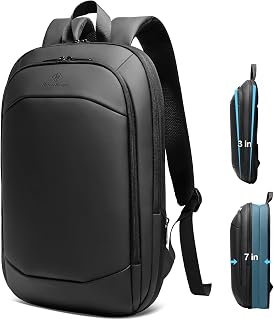


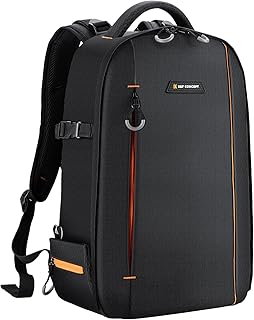


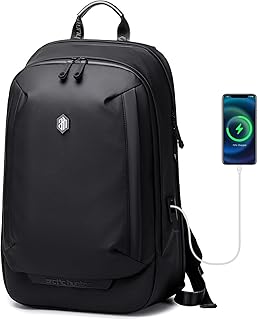


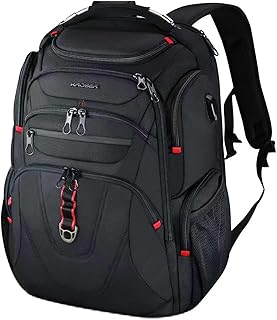


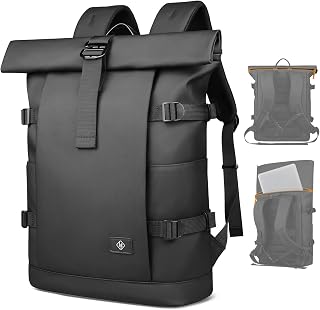
Choosing a laptop backpack is about more than finding a bag with a padded computer compartment. The best option for Canadian buyers should balance laptop protection, carrying comfort, storage capacity, weather resistance, security, organisation and everyday durability. A backpack that works well for a university student may not be the right choice for a commuter, business traveller, remote worker or frequent flyer.
When comparing laptop backpacks in 2026, consider the device you actually carry, how far you normally travel with it, whether you use public transportation, how much equipment you need to pack and the conditions in which the backpack will be used. Canadian weather also makes material selection particularly important, especially for commuters who may encounter rain, snow, slush and rapidly changing temperatures.
This guide focuses on the features that matter when comparing smart-buy laptop backpacks in Canada. Instead of choosing solely by appearance or advertised capacity, evaluate the construction, laptop compartment dimensions, straps, back panel, zippers, pockets, fabric and overall usability.
A smart purchase is not necessarily the cheapest backpack or the model with the largest number of compartments. It is the backpack that provides the right combination of features for your intended use without paying for unnecessary extras.
Popular brands such as Samsonite, SwissGear, Targus, Lenovo, Dell, HP, Thule, Herschel and Timbuk2 offer different approaches to laptop backpack design. Brand recognition can be useful, but specifications and construction should still be compared carefully before buying.
The first specification to check is laptop compatibility. A backpack described as suitable for a particular screen size does not automatically guarantee that every laptop of that screen size will fit. Bezels, chassis dimensions and unusual form factors can make two laptops with the same advertised screen size physically different.
Before choosing a backpack, measure the laptop or check its manufacturer's dimensions. Compare those measurements with the backpack's stated laptop compartment dimensions whenever they are provided.
A snug compartment is generally preferable to an excessively loose sleeve because the laptop is less likely to move around inside the bag. However, the compartment should not be so tight that inserting or removing the computer puts unnecessary pressure on the device.
The laptop compartment is one of the most important parts of the backpack. Look beyond the word "padded" and examine how the padding is positioned. A useful compartment should protect the computer from everyday bumps while preventing direct contact with the backpack's exterior surfaces.
Bottom protection deserves particular attention. If the laptop sits directly against the bottom panel, an impact from placing the backpack on the floor can be transferred more easily to the computer. A compartment with additional clearance or cushioning at the base can provide a more protective design.
Also consider the closure mechanism. A secure sleeve should keep the laptop contained while allowing easy access. Velcro, zippers, elastic retention systems and other closures each have different advantages, so compare convenience and security with your intended use.
Backpack capacity is commonly expressed in litres, but the number alone does not tell you how efficiently the space can be used. Two backpacks with similar stated capacity can feel very different because of their compartment layout and shape.
Avoid buying an oversized backpack simply because it offers more storage. Extra empty space can encourage overpacking, increasing weight and reducing carrying comfort.
Students often need a backpack that can carry considerably more than a laptop. Textbooks, notebooks, stationery, chargers, headphones, lunch containers and personal items can quickly fill a small bag.
For school and university use, look for a practical combination of laptop protection and general storage. Separate compartments can make it easier to organise electronics away from books, while smaller pockets can prevent cables and accessories from disappearing into the bottom of the main compartment.
Office users typically benefit from a more structured design. A professional backpack should provide quick access to a laptop, documents, chargers and everyday essentials without requiring the entire bag to be unpacked.
Useful features can include a dedicated document section, multiple accessory pockets, a structured base and a luggage pass-through. A relatively slim profile may also be preferable for crowded buses, trains and offices.
For daily commuting, pay particular attention to the shoulder straps and back panel. A backpack that looks professional but becomes uncomfortable after a short walk may not represent good value for regular use.
Frequent travellers should assess the backpack differently from someone who carries a laptop between home and an office. Travel-friendly features can include a trolley sleeve, quick-access pockets, organised electronics storage and a design that fits comfortably beneath or around common travel luggage.
Before travelling, check the current baggage policies of the relevant airline rather than assuming that a particular backpack automatically qualifies as a personal item or carry-on. Airline requirements can vary and may change.
Weather resistance is particularly useful for laptop backpacks in Canada. A backpack may encounter light rain, heavy precipitation, melting snow, wet sidewalks and road spray during everyday commuting.
There is an important difference between water-resistant and waterproof construction. Water-resistant materials and coated fabrics can help protect contents from ordinary moisture, but they should not automatically be treated as fully waterproof. If you regularly travel in severe weather, examine the manufacturer's stated protection level and construction details.
Even a weather-resistant backpack should not be submerged or deliberately exposed to prolonged heavy water unless the manufacturer specifically states that it is designed for those conditions.
The exterior fabric affects durability, weight, appearance and weather resistance. Common materials include polyester, nylon and various recycled or coated textile constructions.
Polyester is widely used in everyday backpacks because it can offer a practical combination of durability, weight and cost. Different grades and fabric constructions can perform differently, so the material name alone should not determine your choice.
Nylon is another common choice for laptop backpacks. It is often selected for its strength-to-weight characteristics and suitability for frequent everyday use. Denier ratings and fabric construction can provide additional information when manufacturers disclose them.
Some modern backpacks use recycled textile materials as part of their construction. If sustainability is important to you, check exactly which components use recycled materials rather than assuming that an environmentally marketed backpack is made entirely from recycled content.
Coatings can improve resistance to moisture and abrasion, but their effectiveness depends on the complete construction. A coated exterior does not necessarily mean the seams and zippers provide the same level of protection.
Weight matters because the backpack itself contributes to your total carrying load. A heavily structured backpack can offer useful organisation and protection, but unnecessary construction can make the empty bag heavier.
If you carry the backpack for several hours every day, compare the empty weight as well as its capacity. For occasional travel, additional structure and features may be worthwhile. For long daily commutes, a lighter design may provide a better overall experience.
Shoulder straps are often overlooked when shoppers focus on compartments and laptop size. Yet the strap system has a major effect on how the backpack feels when loaded.
A good fit also depends on your body size and how the backpack is adjusted. Place heavier items close to your back where practical and avoid carrying unnecessary equipment simply because the backpack has unused capacity.
The back panel can influence comfort, ventilation and stability. Some backpacks use relatively flat padded panels, while others incorporate channels, mesh sections or contoured padding.
Ventilation can be valuable during warmer weather or when walking significant distances. However, a highly ventilated design may reduce usable interior space or alter the backpack's structure. Consider which feature matters most for your daily routine.
Organisation should match the items you actually carry. More pockets are not always better. Excessive small compartments can reduce usable space and make larger accessories difficult to store.
Some laptop backpacks marketed as smart or technology-focused models include features such as external USB charging ports, cable-routing systems, RFID-related pockets or specialised electronics compartments.
These features can be convenient, but they should not outweigh fundamental considerations such as laptop protection, comfort and construction quality. An external USB port, for example, does not necessarily mean the backpack contains a power bank. In many designs, the backpack simply provides a convenient connection between an external port and a power bank stored inside.
If a charging feature is important to you, check exactly what is included, whether a power bank is supplied, what devices it supports and whether any separate accessories are required.
Anti-theft features can be useful in crowded public areas, but their practical value depends on the design. Features can include hidden pockets, concealed zippers, lock-compatible zipper pulls and cut-resistant materials.
These features should be viewed as additional security rather than a guarantee against theft. Good everyday security also involves keeping the backpack within your sight, avoiding easily accessible external pockets for valuables and remaining aware of your surroundings.
Small construction details can determine how well a backpack handles regular use. Inspect product photographs and specifications for reinforced handles, clean stitching and robust zipper construction.
The top carry handle receives significant stress when a loaded backpack is repeatedly lifted. Similarly, shoulder strap attachment points need to withstand the weight of the contents. Reinforced stitching around these areas can be an important indicator of thoughtful construction.
Zippers should open smoothly without excessive resistance. Weather-protected zipper designs can be useful in wet conditions, while large zipper pulls may be easier to operate when wearing gloves during colder Canadian weather.
Professional backpacks often use a structured silhouette, restrained branding and dedicated compartments for office equipment. Casual backpacks may prioritise flexibility, lighter construction and everyday styling.
Neither style is automatically better. The right choice depends on where you use it. A structured business backpack can be ideal for an office environment, while a flexible casual model may be more suitable for university, commuting or mixed personal use.
A laptop backpack distributes weight across both shoulders, making it generally more suitable when carrying a computer and accessories for longer periods. A messenger bag can provide quick one-sided access and a different professional appearance, but the weight is concentrated on one side of the body.
If you regularly walk long distances with a laptop, charger and other equipment, the two-shoulder design of a backpack can be a practical advantage.
A laptop sleeve provides basic protection and can be useful when carrying a computer inside another bag. A dedicated laptop backpack combines protection with storage and carrying functionality.
If you already own a high-quality backpack, purchasing a separate padded sleeve may be a more flexible approach. If you want an all-in-one solution, a backpack with an integrated padded compartment may be more convenient.
A 15-inch or 16-inch label does not guarantee a precise physical fit. Always check actual laptop and compartment dimensions when possible.
A feature-rich backpack can become uncomfortable when its own construction adds unnecessary weight to your daily load.
A large backpack may look versatile, but unused capacity can encourage overpacking and make the bag bulkier than necessary.
Water-resistant materials can help with ordinary moisture but do not automatically provide complete protection during prolonged heavy rain.
Established brands such as Targus, Samsonite, Thule and SwissGear can offer useful options, but individual models should still be compared on their actual construction and specifications.
A backpack can have excellent storage and laptop protection while still being uncomfortable if the straps and back panel do not suit your body and carrying habits.
A structured comparison makes it easier to distinguish genuine value from attractive marketing. Create a shortlist and compare each model using the same criteria.
After comparing specifications, read verified customer reviews for recurring comments about comfort, durability, compartment usability and real-world sizing. Reviews should supplement specifications rather than replace them.
The lowest advertised price is not necessarily the best deal. A better approach is to compare the complete specification and the current price across reputable Canadian retailers.
When comparing deals, avoid assuming that a heavily discounted model is automatically better value. Older designs may be discounted because a newer version has replaced them, while a current model may provide a more useful feature set for a modest difference in cost.
Prioritise comfort, laptop protection, book capacity, organisation and durable construction. A medium-to-large backpack with flexible storage is often more practical than a very slim business design.
Look for a professional appearance, structured laptop protection, document storage, comfortable straps and easy access to chargers and everyday accessories.
Consider whether you regularly transport a laptop, tablet, keyboard, mouse, headphones and other equipment. A well-organised electronics compartment can be more valuable than maximum overall capacity.
Prioritise compact organisation, luggage compatibility, secure storage, durable construction and easy laptop access.
Focus on comfort, weather resistance, security-oriented features, compact dimensions and quick access to frequently used items.
A slim laptop backpack with one primary compartment and a few well-designed accessory pockets may be preferable to a heavily compartmentalised travel backpack.
There is no universal price point that guarantees quality. A budget backpack can provide excellent basic functionality if the laptop compartment, stitching, straps and materials meet your requirements. More expensive models may justify their price through stronger construction, better organisation, improved materials, travel features or more refined carrying systems.
Instead of setting your budget first and accepting whatever features fit it, identify your essential requirements and then compare the models that satisfy them. This makes it easier to identify genuine value at different price levels.
Regular maintenance can help preserve the backpack and its protective features. Empty the bag periodically and remove dust, paper scraps and debris from internal compartments.
Place the laptop in its dedicated padded compartment rather than in the main compartment with books, bottles or other hard objects. Keep heavier items close to the back and avoid placing sharp or rigid objects against the computer sleeve.
Separate liquids from electronics whenever possible. A bottle that leaks inside a backpack can damage far more than the laptop itself. Use suitable sealed containers and keep them away from valuable electronics.
When the backpack is fully packed, check the zippers and seams rather than forcing the bag closed. Excessive compression can put unnecessary stress on the laptop compartment and zipper tracks.
Online photographs can make backpacks appear larger or smaller than they really are. Always compare the listed dimensions with an object you already own to understand the practical size.
Brand selection can help narrow a large market, but individual models should always be evaluated separately. Depending on the intended use, Canadian shoppers may encounter laptop backpacks from brands such as Samsonite, SwissGear, Targus, Thule, Herschel, Timbuk2, Lenovo, Dell, HP, Amazon Basics and other established luggage, computer-accessory and backpack manufacturers.
Different brands often emphasise different priorities. Some focus heavily on business travel, some on everyday urban carrying, some on computer protection and others on outdoor-inspired durability. Compare the specific model's specifications rather than choosing solely because of the brand name.
The best laptop backpack depends on your laptop size, carrying habits, budget and intended use. A student may need more book storage, while an office commuter may prefer a slimmer professional design. Frequent travellers may prioritise luggage compatibility and organised electronics storage.
Choose a backpack based on your laptop's physical dimensions and the other items you normally carry. Check the backpack's stated compartment dimensions instead of selecting solely according to a 15-inch, 16-inch or similar screen-size label.
Not necessarily. Many laptop backpacks are water-resistant rather than fully waterproof. Check the manufacturer's specifications to understand the intended level of moisture protection.
It may be, but screen size alone does not guarantee compatibility. Laptop chassis dimensions vary, so compare your computer's width, depth and thickness with the backpack's laptop compartment measurements.
An expensive backpack is worth considering when its additional construction quality, comfort, organisation, materials or travel features match your needs. Price alone should not be treated as proof of superior quality.
A laptop sleeve can work well when you already have another suitable bag. A dedicated laptop backpack is generally more convenient when you want integrated laptop protection, storage and hands-free carrying.
They can be useful for people who regularly travel through crowded public areas. However, anti-theft features should be considered an additional layer of protection rather than a guarantee of security.
Prioritise laptop protection, comfortable shoulder straps, sufficient book capacity, accessory organisation and durable materials. Weather resistance can also be valuable for students walking between buildings.
Look for a professional appearance, dedicated laptop and document compartments, organised accessory storage, comfortable straps and a construction that suits frequent commuting.
Many laptop backpacks can be useful for air travel, particularly models with organised laptop access and luggage pass-through features. However, airline baggage dimensions and policies vary, so check the current requirements of your airline before travelling.
Start with a backpack that provides suitable water resistance, then use additional protection such as a rain cover or protective sleeve when appropriate. Keep liquids securely separated from electronics inside the backpack.
There is no fixed replacement schedule. Replace or repair the backpack when the laptop compartment, zippers, seams, straps or other important components no longer provide reliable functionality or protection.
The strongest laptop backpack choice is the one that fits your equipment and routine rather than simply the one with the longest feature list. Start with laptop dimensions and protection, then consider capacity, comfort, weather resistance, organisation, security and travel functionality.
For Canadian buyers, weather and commuting conditions deserve particular attention. A comfortable backpack with appropriate moisture resistance and a well-protected laptop compartment can be more useful than a visually impressive model packed with features you rarely use.
Before purchasing, compare specifications for your shortlisted models, read verified customer reviews, check the current price and confirm the retailer's current policies. If two backpacks appear similar, focus on the details that affect daily use: laptop fit, padding, empty weight, strap comfort, compartment layout, material quality and construction.
The goal of a smart buy is not simply to find a highly rated laptop backpack. It is to find the model that provides the right protection, capacity, comfort and durability for the way you actually work, study, commute or travel in Canada in 2026.