

♥ Wishlist
Compare 58 Kids Bedding for Comfortable and Fun Bedrooms products in Canada. Reviews, ratings, pros, cons and buying advice updated for October 2026.
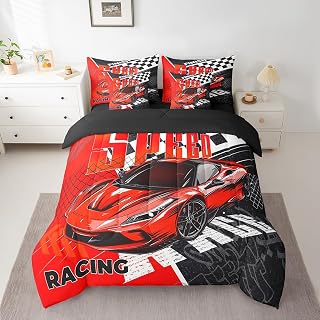

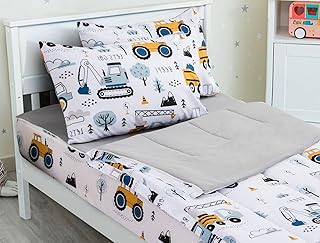





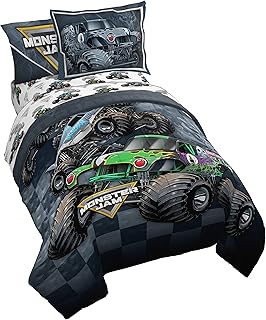


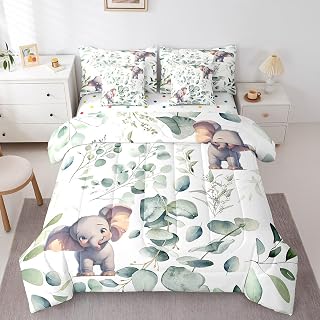


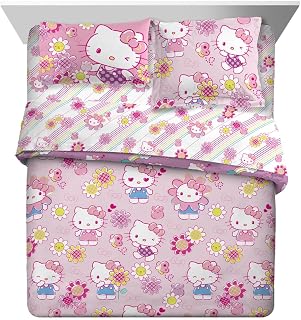


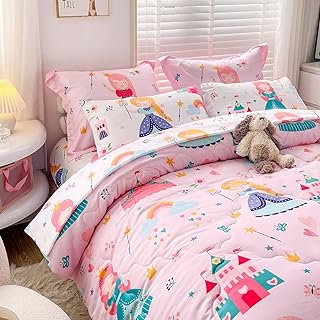


Choosing kids bedding is about more than finding an attractive pattern. The right set should fit the mattress correctly, suit the child's sleeping habits, remain comfortable through Canada's changing seasons, and be practical enough for regular washing. When comparing kids bedding deals in 2026, look beyond the headline price and consider fabric, construction, dimensions, care requirements, warmth, breathability, and age-appropriate design.
This buying guide is designed for Canadian shoppers comparing children's bedding across online retailers and marketplaces. Product specifications, included pieces, colours, sizes, and availability can change, so always verify the current listing before purchasing. A lower-priced set is not necessarily the better value if it uses unsuitable materials, has the wrong dimensions, or requires more maintenance than expected.
A smart buy balances price with everyday usefulness. For children's bedding, value is often determined by how comfortable the fabric feels, how well the bedding fits, how easily it can be cleaned, and whether it remains practical as the child grows.
One of the easiest mistakes when shopping online is buying bedding based only on the name of the bed. Mattress dimensions and bedding dimensions are not interchangeable. A fitted sheet needs to correspond to the mattress dimensions and, importantly, its depth.
Crib bedding requires particular attention to fit and safety. A fitted crib sheet should be designed for the appropriate mattress dimensions and should fit securely without excessive loose fabric. For infants, follow current Canadian safe-sleep guidance rather than treating decorative bedding products as interchangeable with safe-sleep essentials.
Twin bedding is one of the most common choices for children's rooms. However, a twin mattress and a twin XL mattress are different sizes, so a fitted sheet made for one should not automatically be assumed to fit the other. Check the manufacturer's dimensions before ordering.
Older children and teenagers may use full-size mattresses or larger beds. Duvet covers, comforters, flat sheets, and fitted sheets should each be checked individually because their dimensions and intended fit can vary by manufacturer.
The material affects softness, airflow, moisture management, warmth, durability, and washing performance. There is no single fabric that is best for every child or bedroom.
Cotton remains a popular choice because it is familiar, versatile, and available in many constructions. Percale tends to have a crisp, breathable feel, while sateen generally feels smoother and more substantial. The actual experience depends on the weave, finishing, fabric weight, and construction.
Microfiber bedding is often selected for its smooth feel, lightweight construction, easy care, and affordability. It can be useful for families looking for practical bedding that is simple to wash frequently. Temperature preferences vary, however, so consider the child's sleeping environment rather than choosing solely on price.
Flannel is particularly relevant to Canadian bedrooms during colder months because it provides a warmer, brushed feel. It can be comfortable in winter but may be too warm for children who sleep hot or rooms that are already well heated.
Bamboo-derived textiles are commonly marketed for their soft hand feel and moisture-related comfort characteristics. Buyers should read the actual fibre composition and care instructions rather than relying only on broad marketing descriptions.
Blended fabrics combine different fibres to achieve particular characteristics such as durability, softness, wrinkle resistance, or affordability. Check the fibre percentages when this information is provided because the term "cotton blend" alone does not describe the final fabric precisely.
These products serve similar purposes but behave differently in everyday use.
For children who frequently spill drinks or have messy meals near their beds, a washable duvet cover can be particularly practical. For families prioritising simplicity, a machine-washable comforter may be more convenient.
Sheets have direct contact with the child's skin, so comfort and fit deserve more attention than decorative appearance alone.
Canada's climate varies significantly by region, while indoor temperatures can also differ depending on heating, insulation, and personal preference. Instead of selecting bedding based only on the calendar, consider the child's room temperature and whether they tend to sleep hot or cold.
Lightweight sheets, breathable fabrics, and thinner blankets can help avoid unnecessary warmth. Cotton percale and lightweight cotton constructions may appeal to families looking for an airy sleeping surface.
Layering can be more flexible than purchasing a very heavy single comforter. A sheet combined with a medium-weight blanket allows parents to adjust bedding as indoor temperatures change.
Flannel sheets, warmer blankets, quilts, and appropriately insulated comforters can provide additional warmth. Avoid assuming that maximum thickness is automatically better; overheating can make sleep uncomfortable.
Safety requirements depend on the child's age and the type of bed. Bedding intended for infants should be evaluated differently from bedding for school-age children or teenagers.
For babies, parents and caregivers should follow current recommendations from trusted Canadian health authorities concerning safe sleep. Loose blankets, pillows, stuffed items, and other soft objects should not be introduced into an infant sleep environment simply because they are included in an attractive bedding collection.
For older children, inspect bedding for loose threads, damaged seams, detached decorative elements, or other defects that could create a problem. Replace worn bedding when the fabric or construction has deteriorated.
Children often choose bedding because of its appearance, but decorative details can affect practicality.
When researching bedding, buyers may encounter established home-textile brands alongside specialist children's collections and marketplace brands. Names that may appear in Canadian bedding searches include Bedsure, Utopia Bedding, Amazon Basics, Bare Home, Mellanni, Intelligent Design, Eddie Bauer, Disney, Paw Patrol, and LEGO.
Brand recognition should not replace product-level research. Even within the same brand, fabric composition, dimensions, filling, construction, and care instructions can differ substantially. Compare the individual product specifications before deciding.
A useful comparison process starts with requirements rather than discounts. Create a short checklist before opening product listings.
Customer reviews can provide useful information, but the most valuable reviews are specific. A vague statement such as "great product" provides less buying information than a review describing the mattress size, washing experience, fabric feel, and long-term condition.
Look for recurring themes rather than relying on one unusually positive or negative comment. If several verified purchasers independently mention that fitted sheets slip from a particular mattress depth, that may deserve attention. Likewise, repeated comments about shrinking, colour changes, pilling, thin fabric, or inaccurate sizing can help identify potential purchasing risks.
Reviews should supplement—not replace—the manufacturer's specifications. A reviewer may have a different mattress depth, climate, washing routine, or comfort preference from yours.
Bed names can be confusing across product categories. Always compare the actual dimensions of the bedding with the mattress measurements.
A fitted sheet can have the correct length and width but still perform poorly if its pocket depth does not accommodate the mattress.
A fun print can attract a child, but fabric quality, construction, fit, and care requirements determine how useful the product will be over time.
Some sets contain only a duvet cover and pillowcase, while others include sheets or a comforter. Read the included-items section carefully.
Children's bedding often needs frequent laundering. A product requiring delicate or complicated care may become inconvenient for everyday family use.
Children grow and their preferences change. Purchasing several expensive themed sets may provide less long-term value than choosing versatile basics and adding a smaller number of decorative pieces.
The ideal quantity depends on laundry frequency, accidents, seasonal requirements, and whether the child uses multiple bedding layers. A practical setup generally benefits from having enough sheets and covers to allow a clean replacement while another set is being washed.
Families may prefer one everyday set plus a spare, while others keep separate lightweight and winter bedding. Consider storage space as well. Bulky comforters and blankets can occupy considerably more cupboard space than folded sheet sets.
Durability is difficult to judge from a product title alone. Examine detailed photographs and specifications for construction information where available.
Kids bedding should be practical for regular cleaning. Follow the manufacturer's washing and drying instructions because temperature, detergent, drying method, and ironing requirements vary between materials.
Wash bedding separately when recommended, avoid overloading the washing machine, and allow bulky comforters to dry thoroughly. Damp filling can develop unpleasant odours and may compromise the condition of the product. Inspect bedding after washing for loose threads, damaged elastic, or changes in fabric condition.
Pilling can occur when fibres become loosened through friction. While fabric composition and construction influence this behaviour, washing practices also matter. Use the recommended wash cycle, avoid unnecessarily aggressive settings, and follow the care label.
Frequent washing is normal for children's bedding, so the goal should not be to avoid washing. Instead, choose materials and constructions appropriate for repeated care and follow the manufacturer's instructions consistently.
Affordable bedding can be perfectly suitable when it meets the child's needs and has appropriate construction. Premium pricing does not automatically mean better comfort or durability.
When comparing inexpensive and higher-priced options, identify what accounts for the price difference. It may relate to fibre quality, fabric construction, filling, stitching, design licensing, packaging, set contents, or brand positioning. A higher price is more meaningful when it corresponds to features that matter to your household.
Prioritise appropriate mattress fit, easy cleaning, comfortable fabrics, and age-appropriate designs. Keep the bedding setup consistent with current child-sleep safety recommendations.
At this stage, children often have stronger preferences about colours and themes. A good compromise is a durable neutral base with a design that reflects the child's interests through a duvet cover, pillowcase, or smaller decorative item.
Older children may prefer less obviously child-oriented designs. Geometric patterns, solid colours, sports-inspired designs, minimalist styles, and reversible bedding can provide more longevity.
When siblings share a bedroom, individual preferences can conflict. Matching bedding can create a coordinated appearance, while complementary colours or different patterns can give each child their own identity.
Durable washable fabrics can be particularly useful in shared rooms because laundry volume tends to increase. Storage-friendly bedding can also make a meaningful difference where closet space is limited.
Space-conscious families should consider how bedding will be stored as well as how it looks on the bed. Lightweight quilts and compact blankets can be easier to store than very bulky comforters. Reversible duvet covers can also provide two looks without requiring two complete bedding sets.
The best choice depends on the child's age, mattress size, sleeping temperature, preferred fabric, budget, and washing requirements. Rather than selecting one universal product, compare options that meet these practical criteria.
Cotton is a versatile option, while microfiber, flannel, cotton blends, and bamboo-derived fabrics may suit different preferences. The best material depends on the child's comfort and the bedroom environment.
Cotton can be an excellent general-purpose bedding material because it is widely available in different weaves and weights. Check the actual construction and care instructions rather than assuming every cotton product will feel or perform identically.
Microfiber can be practical for children's bedding because many products are lightweight and easy to care for. Consider the child's temperature preference and the specific product's construction before buying.
A comforter can be simpler because it is ready to use, while a duvet system offers the convenience of a removable washable cover. Your choice should reflect laundry habits, storage, and how often you want to change the bedding design.
There is no single schedule that applies to every household. Washing frequency should reflect the child's age, hygiene needs, allergies or sensitivities, spills, accidents, illness, and manufacturer's care instructions. Bedding should be washed promptly when soiled.
Many families find it useful to keep at least one clean replacement set available while another is being washed. Households with frequent spills or accidents may prefer additional spare sets.
They can be worthwhile when the child strongly prefers the design, but consider how quickly interests may change. A themed duvet cover or pillowcase can provide the desired look without replacing every basic bedding item.
Check dimensions, mattress compatibility, fabric composition, set contents, care instructions, product photographs, customer feedback, current price, and retailer-specific return conditions. These details are more useful than relying on the product title alone.
Not necessarily. Price should be evaluated alongside material, construction, included pieces, durability indicators, care requirements, and fit. A reasonably priced product can offer excellent value when it satisfies the household's requirements.
Consider the bedroom's actual temperature and the child's sleeping preference. Flannel sheets, quilts, blankets, and warmer comforters can provide additional insulation, while layering gives families more flexibility as temperatures change.
The strongest kids bedding purchase is not necessarily the one with the biggest discount. It is the option that combines the correct size, comfortable material, suitable warmth, practical maintenance, reliable construction, and a design the child will genuinely use.
For Canadian shoppers, seasonal requirements deserve particular attention. A lightweight summer set may be ideal in a warm bedroom but inadequate for winter, while very heavy bedding can be uncomfortable in a heated room. Consider buying versatile layers when flexibility is more valuable than a single all-season product.
Before completing a purchase, verify the latest specifications, included accessories, customer reviews, current price, availability, and retailer policies. Product information can change throughout 2026, so the most reliable buying decision comes from checking the current listing rather than relying solely on an older recommendation or advertised deal.