

♥ Wishlist
Compare 54 Festool Cordless Routers for Precise, Cord-Free Routing products in Canada. Reviews, ratings, pros, cons and buying advice updated for October 2026.




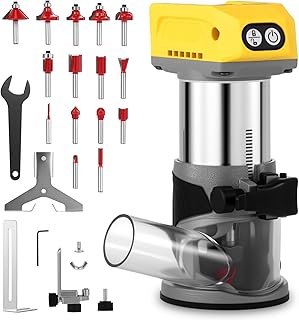


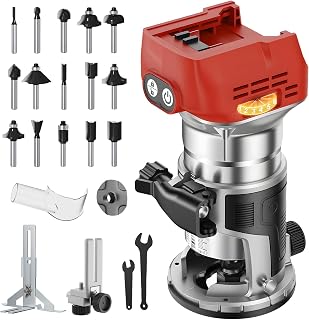


For Canadian buyers, the first thing to understand is that “Festool cordless router” does not describe a large family of full-size plunge routers. Festool’s current cordless routing range is focused primarily on compact edge-routing machines, including the MFKC 700 and the newer OFKC 500. Full-size models such as the OF 1010 R and OF 1400 remain corded routers, so they should not be treated as cordless alternatives when comparing specifications, power sources or intended applications.
This distinction matters when researching the best Festool cordless router deals in Canada. A compact cordless edge router can be an excellent choice for laminate trimming, edge banding, chamfering and rounding, but it is not automatically a substitute for a powerful plunge router used for deep grooves, large profiles, mortising or extensive template work. Festool’s Canadian range illustrates this difference clearly: the MFKC 700 is an 18V cordless modular edge router, while the OF 1010 R and OF 1400 are corded routing platforms designed for broader routing applications.
The MFKC 700 is one of the most important models to consider when the priority is cordless edge routing. It uses an 18V battery system and is designed around controlled, accurate work on edges rather than heavy-duty plunge routing. Canadian specifications list a no-load speed range of 10,000 to 25,000 rpm, a 1.7 kg tool weight, a 14 mm fine-depth adjustment range, a maximum cutter diameter of 26 mm, and compatibility with 1/4-inch and 8 mm collets.
Its application range includes trimming solid wood, acrylic and PVC edge banding, as well as chamfering, rounding and profiling edges. With an optional parallel edge guide, it can also be used for grooves and rebates. The brushless EC-TEC motor, variable speed control and integrated dust-extraction design make it particularly relevant for mobile professional work where a power cord would restrict movement.
The MFKC 700 is therefore a strong candidate for buyers searching for a cordless Festool trim router, cordless edge router or portable router for cabinetry and finishing work. It should not, however, be selected simply because it is cordless. Match its cutter size, depth capability and application range with the work you actually perform.
The OFKC 500 represents another cordless routing option in Festool’s newer Canadian lineup. Its compact design is aimed at controlled edge-routing tasks where portability and precise adjustment are more important than the capacity of a full-size router. Festool introduced the OFKC 500 as part of its expanded 2026 cordless range.
For shoppers comparing the OFKC 500 with the MFKC 700, the most useful approach is to look beyond the cordless label. Compare the maximum cutter size, depth adjustment, collet compatibility, ergonomics, base design, battery arrangement, dust extraction and the type of edge work you expect to perform.
A plunge router is designed to enter a workpiece vertically and is generally used when the cutter must start inside the material. A compact edge router is primarily intended to work from an edge or surface boundary. That difference affects everything from the base design to cutter selection and the type of workpiece you can comfortably handle.
The biggest buying mistake is choosing a router according to brand or battery platform before defining the application. A cabinet installer who mainly trims laminate and edge banding has very different requirements from a furniture maker cutting deep grooves or a carpenter producing large timber profiles.
For frequent edge work, a cordless modular edge router can make sense. For deeper routing operations, a full-size corded Festool router may be the more appropriate tool. The OF 1010 R, for example, is designed for precision routing and provides a 55 mm routing stroke, while the OF 1400 offers a 70 mm routing stroke and 1,400 W of power.
Festool cordless routing tools use the company’s 18V battery ecosystem. If you already own compatible Festool 18V batteries and chargers, a bare-tool configuration can potentially make more sense than buying another complete battery package. If you are entering the system for the first time, calculate the total cost of the router, batteries and charger rather than comparing bare-tool prices alone.
Battery capacity also affects how you should plan mobile work. A compact edge-routing task may require much less energy than prolonged heavy cutting. Buyers should therefore consider the expected workload, number of batteries available and whether charging opportunities are convenient at the jobsite.
Collet compatibility is one of the most important technical specifications because it determines which router bits you can safely use. The MFKC 700 supports 1/4-inch and 8 mm collets. By comparison, the Festool OF 1400 platform supports 1/4-inch, 8 mm and 1/2-inch tooling in its Canadian configuration.
Do not assume that every Festool router bit fits every Festool router. Check the exact tool model, shank diameter, cutter dimensions and manufacturer's compatibility information before purchasing accessories.
Maximum cutter diameter provides useful information about the intended workload. The MFKC 700 is specified for cutters up to 26 mm, which suits its role as a compact edge-routing machine. A larger router such as the OF 1400 has a substantially larger maximum bit capacity and is designed for more demanding routing operations.
A larger cutter is not automatically better. The correct size depends on the profile, material, routing depth, machine capacity and recommended operating speed. Oversizing a cutter for a compact router can compromise control and safety.
Variable speed is particularly useful when working with different materials and cutter sizes. The appropriate speed depends on the cutter diameter, material and manufacturer's recommendations. Running every bit at the highest available speed is not a reliable strategy.
For edge work, speed control can help users adapt the machine to the application and reduce the risk of poor surface quality or excessive heat. Always follow the operating instructions for the specific router bit and router combination.
Precise depth adjustment is essential when trimming veneers, setting edge profiles or producing repeatable grooves. The MFKC 700 provides fine depth adjustment, while larger Festool routers offer more extensive plunge and fine-adjustment systems.
When comparing products, distinguish between total routing depth and fine adjustment range. These figures describe different aspects of the machine and should not be treated as interchangeable specifications.
Routing produces chips and fine dust directly at the cutting point. Good extraction can improve visibility around the cutter, reduce airborne debris and make cleanup easier. It can also help maintain a cleaner working environment when routing materials that produce substantial dust.
The MFKC 700 incorporates a dust-extraction channel designed to capture material near the point of cutting. Festool also supports its routing system with compatible CT dust extractors and accessories. Buyers who frequently route indoors should consider the router and extractor as part of the same workflow rather than evaluating the router in isolation.
Neither power system is universally better. The right choice depends on the work.
For Canadian workshops with reliable mains power, a corded OF 1010 R or OF 1400 can remain highly practical. For installation work, remote jobsites and repeated edge trimming, cordless equipment can provide a different level of convenience.
These models should not be considered four interchangeable cordless routers. They represent different positions within Festool's routing ecosystem.
This comparison is more useful than simply ranking the models from “best” to “worst.” A cabinet installer may prefer the portability of an MFKC 700, while a furniture maker may benefit more from the broader capability of an OF 1010 R or OF 1400.
A router is only one component of a routing system. The final result depends heavily on the cutter, guide system, base configuration, workholding and dust extraction.
Straight bits are useful for grooves, rebates and material removal. Festool offers compatible straight and reversible-blade routing tools for several of its router platforms. Always match the shank diameter and cutter specifications to the router.
Roundover cutters are commonly used to soften furniture edges, cabinet components and other exposed profiles. The correct cutter radius should be selected according to the desired finished edge and the available material thickness.
Chamfer cutters produce angled edges and can be useful for furniture detailing, edge treatment and controlled finishing work. Variable speed and careful feed control become especially important as cutter diameter increases.
Dovetail routing requires accurate cutter selection, appropriate templates and controlled machine guidance. Festool's routing ecosystem includes dovetail cutters designed for models such as the OF 1010 R and OF 1400, allowing users to build repeatable joint-making setups.
Guide rails and templates can significantly expand a router's usefulness. They can help produce straight cuts, repeatable shapes and consistent joinery. When evaluating a deal, check exactly which accessories are included rather than assuming a product photo represents the complete package.
Festool product names can include terms such as “Basic” or identify a more comprehensive set. Package contents can vary, so the product code and included accessories should always be checked before buying.
A bare or Basic configuration can be attractive for an existing Festool user who already owns compatible batteries, chargers and accessories. Conversely, a complete set may provide better overall value for someone building a routing setup from scratch.
Do not compare two deals solely by the headline price. Compare the router, batteries, charger, collets, guides, cases, dust-extraction accessories and other included components on an equivalent basis.
Festool has both cordless and corded routing machines. The OF 1010 R and OF 1400 should not be described as cordless simply because they belong to the same broader routing family.
Cordless convenience is valuable, but it does not replace the need for suitable cutter capacity, routing depth and machine configuration. Start with your applications and then select the power system.
Router bits, guide accessories, templates, batteries and dust-extraction equipment can substantially affect the overall cost of a routing setup. Calculate the complete system rather than focusing only on the machine.
Using an incompatible shank size is not an acceptable shortcut. Verify the required collet and cutter specification before purchase and use.
A compact edge router is convenient, but heavy plunge-routing jobs can require a larger machine. If your projects regularly involve deep cuts, large profiles or extensive material removal, compare the specifications of larger routers before choosing a compact cordless model.
Two similarly named products can have different scopes of delivery. Check the exact model number and included accessories before deciding which Canadian deal represents better value.
A genuine “smart buy” is not necessarily the product with the lowest advertised price. Instead, evaluate the complete ownership proposition.
The MFKC 700 uses Festool's EC-TEC brushless motor technology. For a cordless tool, motor efficiency and electronic management are important considerations because the power system has to balance performance, heat and battery consumption.
Fine depth adjustment becomes increasingly valuable when the goal is a flush edge, consistent profile or repeatable production result. It can reduce the need for repeated trial-and-error adjustments.
Lighting around the work area can improve visibility when working in dim conditions or when the router body casts shadows over the cutter area. Festool's OF 1010 R uses an integrated rechargeable LED light system, illustrating the brand's emphasis on visibility and precision.
Router control depends on stable hand positioning and predictable movement. A slim body, balanced weight distribution and appropriately positioned controls can make repetitive edge work easier to manage.
The modular concept behind the MFKC 700 is particularly relevant to professionals who switch between different edge-routing tasks. A system that supports different configurations can reduce the need to own separate machines for every finishing operation.
A Festool cordless edge router is most compelling for users whose work regularly involves portable edge routing.
A cordless edge router is not the right answer for every routing task. Consider a corded model if your work involves frequent plunge cuts, deeper routing, larger cutters, substantial material removal or extensive template-based woodworking.
The OF 1010 R occupies a useful middle ground for precision routing. Its published specifications include a 1,010 W power rating, 6–8 mm collet compatibility, 55 mm routing stroke and 3 kg weight. The OF 1400 moves into a larger class with 1,400 W of power, a 70 mm routing stroke and support for 1/4-inch, 8 mm and 1/2-inch cutters in its Canadian configuration.
Remove accumulated chips and dust after use, paying particular attention to the base, ventilation areas, cutter zone and extraction pathway. A clean machine is easier to inspect and maintain.
Do not continue using damaged, excessively worn or unsuitable cutters. Inspect cutting edges, shanks and overall condition before installation.
The collet is a critical connection between the motor and router bit. Keep it clean and inspect it periodically. Follow the manufacturer's instructions for installation, tightening and maintenance.
Store and charge Festool batteries according to the manufacturer's instructions. Avoid exposing battery packs to inappropriate temperatures, moisture or physical damage.
Check guide surfaces, adjustment mechanisms and locking components before precision work. Any looseness can affect routing accuracy and repeatability.
Cordless operation removes the power cable from the immediate work area, but it does not remove the normal hazards associated with high-speed rotating cutters. Appropriate protective equipment, secure workholding and correct machine setup remain essential.
Canadian shoppers should pay attention to the exact North American configuration of the tool. Specifications, included accessories and product codes can differ between markets. Check the Canadian product page and the retailer's current listing before purchasing.
Also consider whether the product is supplied as a tool-only configuration or as a complete kit. For someone already using Festool 18V equipment, a tool-only option may avoid unnecessary duplication. A new user may need to budget for batteries and charging equipment as well.
Because deals and stock can change, current price and availability should always be verified immediately before purchase. A product that appears attractive in an older buying guide may have a different configuration or price when you actually shop.
Customer ratings can help with commercial research, but the number alone should not determine your decision. Read reviews for information relevant to your intended application.
If your shortlist contains both cordless Festool edge routers, begin with the workpiece rather than the marketing name.
One reason professional buyers may consider Festool is the broader system surrounding its machines. Routing can involve the router, cutters, edge guides, guide rails, templates, extraction equipment and storage system.
For example, Festool accessories are available for guide-rail routing, edge guidance and template-based work. Some routing accessories are compatible across multiple Festool router models, while others are model-specific. This makes compatibility checking especially important when building a mixed-tool setup.
The best choice depends on the application. The MFKC 700 is a particularly relevant option for cordless trimming, chamfering, rounding and edge profiling, while the OFKC 500 is another compact cordless edge-routing platform. Users who need full-size plunge-routing capability should compare corded Festool routers such as the OF 1010 R and OF 1400 instead.
No. The OF 1010 R is a corded router. Its Canadian configuration uses a power cable and is not an 18V cordless router.
No. The OF 1400 is a corded 1,400 W router. It is designed for a broader range of routing work than the compact cordless edge-router models.
The MFKC 700 is a cordless modular edge router. Its design is primarily intended for edge trimming, chamfering, rounding and profiling rather than replacing a full-size plunge router.
The MFKC 700 operates on Festool's 18V battery platform. Check the exact package contents because battery and charger inclusion can vary by configuration.
The MFKC 700 is specified for edge work involving materials such as solid wood, acrylic and PVC edge banding, as well as laminate and veneered edges. The correct cutter and operating settings depend on the specific material and application.
Some cordless edge-router configurations can perform groove or rebate work with suitable accessories. However, users who routinely cut deep or substantial grooves should compare the capabilities of a full-size router before choosing a compact cordless model.
Some bits are compatible across several Festool routers, but compatibility depends on shank diameter, cutter dimensions and the specific machine. Always verify compatibility for the exact router and bit before use.
If you already have compatible batteries, chargers and accessories, a Basic or tool-only configuration may be sufficient. If you are starting a Festool routing setup, compare the total cost of the complete system, including batteries, charger, guides and other accessories.
They can be appropriate for professional edge-routing applications when the machine's capacity matches the task. The important question is not simply whether a tool is cordless, but whether its cutter capacity, adjustment range, ergonomics, battery system and intended applications match your workload.
There is no universal replacement interval. Cutter life depends on the bit material, cutting conditions, workpiece material, feed rate and frequency of use. Replace or service cutters when their condition no longer supports safe and satisfactory routing results.
The smartest way to compare Festool cordless router deals in 2026 is to match the machine to the job rather than simply selecting the newest or most expensive option. For portable edge trimming and finishing, the MFKC 700 and OFKC 500 deserve close attention. For more demanding plunge and general routing applications, the corded OF 1010 R and OF 1400 belong in the comparison.
Before buying, verify the exact Canadian model number, power source, cutter compatibility, depth range, battery requirements, included accessories and current retailer information. Then compare today's price against the complete equipment you actually need.
A good router deal is ultimately one that provides the right combination of precision, capacity, portability and system compatibility for your work. For Canadian professionals and serious DIY users, taking the time to compare those factors can be more valuable than choosing a product based solely on its headline discount or customer rating.